How To Stain Fabrics With Tea To Get An Antique Appearance
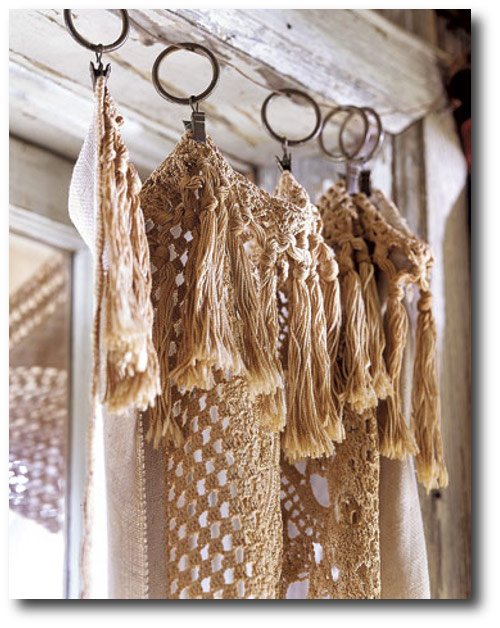
Tea Stained Fabric From Country Living Magazine
Tea Staining Fabric: A Simple Technique for an Aged, Timeless Look
Tea staining is one of those quiet tricks designers rely on to give upholstery fabrics a beautifully aged appearance. Often used when recovering antique chairs, softening new drapery, or toning down bright linens, tea staining allows fabric to take on the subtle character of time and use. With this simple technique, leftover fabric remnants can be transformed into naturally aged accents—perfect for throw pillows, vintage-inspired dolls, or decorative details that bring warmth and history into a space.
Tea-stained fabric is especially charming in children’s rooms, where a softly aged fabric doll or muted pillows can add character without feeling overly precious or staged.
How to Naturally Stain Fabric with Tea
Tea staining works best on natural fibers such as cotton, linen, muslin, and wool. Synthetic fabrics will not absorb the stain properly. Begin by washing the fabric to remove any sizing, starches, or chemicals left from manufacturing. This step is essential for even absorption.
After washing, the fabric should be damp—not dripping wet, but not dry either. If starting with dry fabric, soak it briefly in water and squeeze out the excess. Choose a pot large enough to allow the fabric to move freely in the water without bunching or folding tightly.
Bring the water to a boil and add the tea bags. Allow the tea to steep for about five minutes, then remove the bags. Leaving the tea bags in with the fabric can result in uneven or overly dark stains that appear dirty rather than naturally aged. Submerge the fabric and monitor the color closely, removing it once the desired shade is achieved.
Choosing the Right Tea
Tea originates from China, where leaves from the Camellia sinensis plant were first brewed centuries ago. There are six primary types of tea—white, yellow, green, black, oolong, and pu-erh—each processed differently. Black tea is the most commonly used for staining and produces soft cream to warm brown tones. Herbal teas, depending on their ingredients, can introduce subtle reddish or pink undertones.
Keep in mind that fabric will dry slightly lighter than it appears when wet.
Adjusting the Color
If the fabric turns out darker than intended, the color can be lightened using bleach. There are two methods:
-
Run the fabric through a washing machine cycle filled with water and a small amount of bleach, checking frequently.
-
Submerge the fabric in a bucket filled with water and diluted bleach, gently turning it until the color softens to your liking.
Important Safety Note:
If using the bucket method, work outdoors and wear a protective mask and towel over your face. Proceed carefully and at your own risk.
Why Tea-Stained Fabrics Never Go Out of Style
Dyeing and staining textiles can transform ordinary pieces into something with genuine antique character. Roman shades, vintage stuffed animals, children’s dresses, and even simple linens can take on a sense of history with this technique. Tea staining is timeless—it has been used for generations and continues to be a beautiful way to introduce softness and authenticity into a home.
A Simple Lampshade Project Using Linen
I don’t often have time for elaborate projects, but every so often I’m able to fit in a small creative endeavor. For me, the quicker and more efficient the project, the better.
I’ve always loved drum lampshades, though oversized versions can overwhelm thinner lamp bases. When I found smaller-scale drum shades at a thrift store, I decided to recover them using a beige linen fabric. I removed the existing fabric and hot-glued the linen only along the top and bottom metal frames. After measuring the interior, I sewed a lining and glued it into place, again securing it only at the frame edges. Finally, I finished the shade by sewing and attaching a fabric trim along the top and bottom for a clean, polished look.
If I were to repeat this project, I would choose a much lighter-weight linen. Thicker fabric limits light diffusion, and lighter materials allow the lamp to better illuminate the room. This project takes about a full day, or perhaps half a day for faster workers, and it’s one I would happily do again for the right lamp.
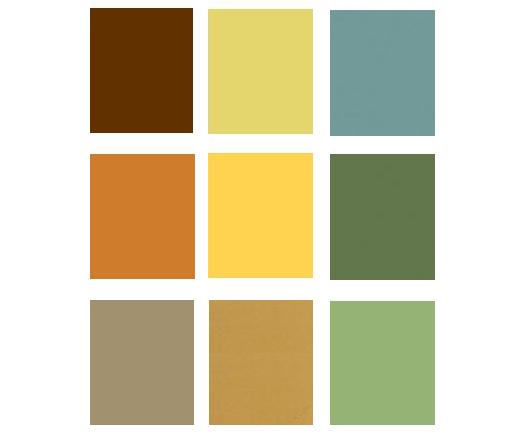
Rit Dye Taupe

Rit Dye Teal

Rit Dye Tan


Round Galvanized Tub

Quiet luxury inspired by 18th-century Sweden
Light - Patina - Heritage