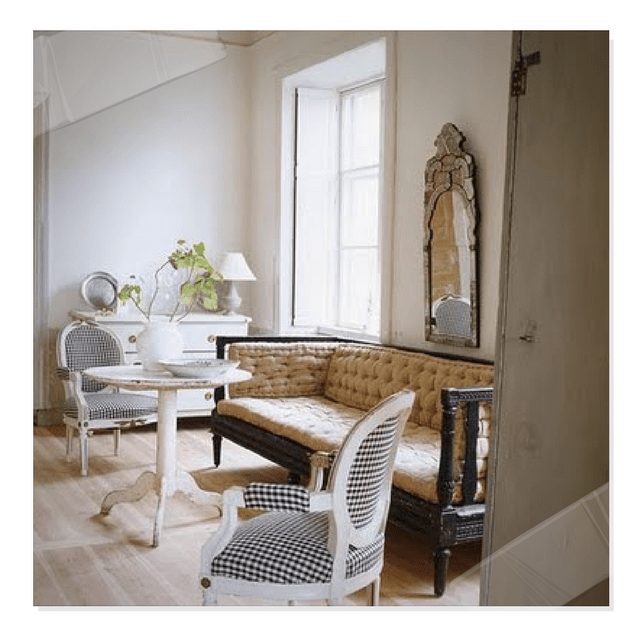
Gustavian Style By Kristie Barnett
I don’t know what kind of leader King Gustav III of Sweden was, but he really had some design sense! After spending much of his early life in the French courts of Versailles, Gustav developed a style that was heavily influenced by French Neo-Classical design, as well as Italian Classicism. Gustavian style is one of my all-time favorites, and I have a heavy dose of it in my own home.
Gustavian style is marked by grayed pastels, lots of whites and creams, painted furniture, clean simple lines, and fabulous lighting.
This style is rather austere and not overly ornamented. Lots of leggy furniture, bleached wood, and reflective surfaces/mirrors.
Swedish Country style is Gustavian, but at it’s most informal. Lots of whites and lots of rustic.
The more formal version of Gustavian features a bit more color, lots of reflective surfaces, and crystal chandeliers. And gilt, like I blogged about here.
Read more of this article at thedecorologist.com
7 Places To Find Swedish Design For Toddlers
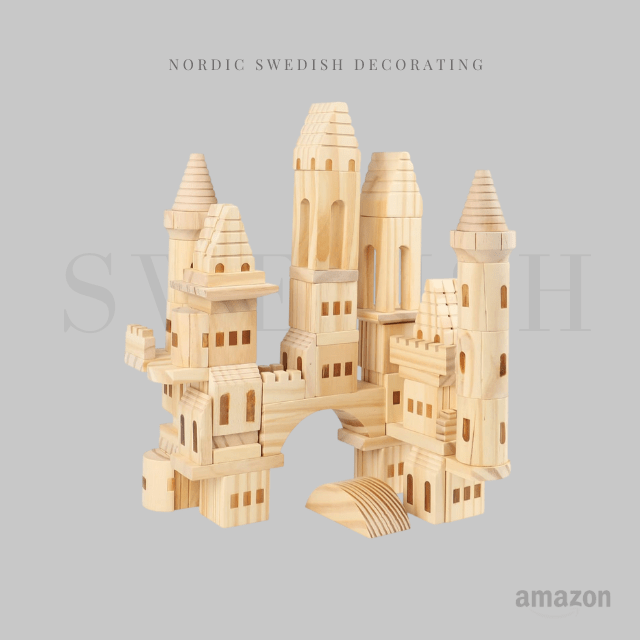
75 Pieces Wooden Castle Blocks – Amazon
Children are gifts that need to be pampered every time. When you are expectant and planning to prepare your nursery, there are things that you always want. You keep looking for concrete furniture for children, you want a particular design, or mainly you are looking for décor that will meet your satisfaction. If your taste is the modern Nordic style, then the feeling gets more complicated. Scandinavian style has the best décor for a child’s bedroom, and it has its unique simplicity. However, the big question is where I get specific things for my kid’s bedroom. Take a look at some of the top shops around with furniture toys and interior accessories for children.
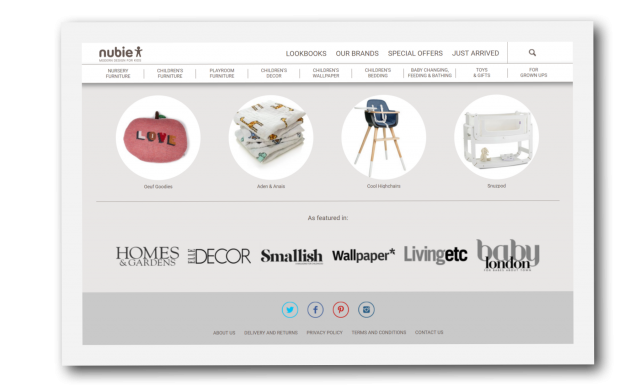
- Nubie
Nubie is among the best shops in the UK for children’s interior. The shop has a great selection of the Scandinavian design and brands. If you want to decorate your child’s room with wardrobes and beds from the Oliver furniture Danish brands, this is the place to shop. It’s your one stop shop that has a wide selection for the entire family too. There are lots of toys for the nursery decoration, plenty of eating room accessories and of course the sleeping area. Once you are here, you don’t need to go somewhere else.
Picture Credit –Flickriver
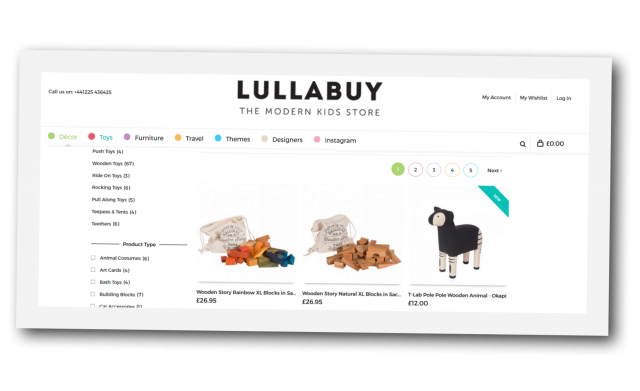
- 2. Lullabuy
Nursery room has so much than any other room. Therefore, while decorating the room, you must ensure you find the best items from a trusted brand. At Lullabuy, this should not be your fear. They stock the best accessories and decoration kits for the kid’s room. They have shared the best Danish brands to solve your numerous storage problems for your child. The shop has the best wallpapers, beddings, decorative wall display, Lamps, and cushions.
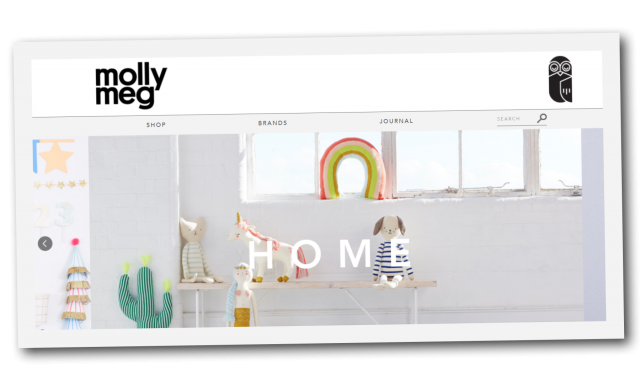
- Molly-Meg
Unlike all the other stores, Molly-Meg is specifically designed for children selection. The shop is stocked with home decorations, toys, and edited selection of furniture and course gifts for the new family member. However, the designs for most of the items here are not Scandinavian but have the same functional, simple and modern design aesthetics, which is a traditional model for the Nordic decorations.
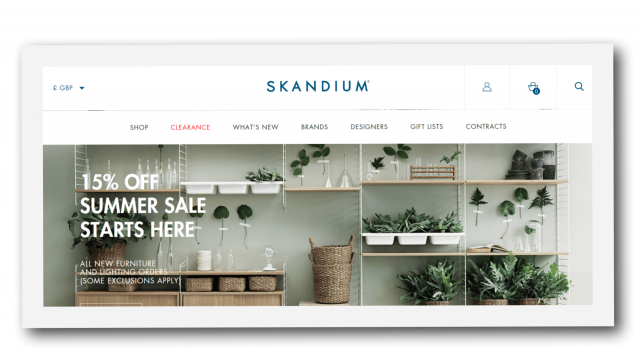
- 4. Skandium
Although the shop only stocks a few selections for children furniture, it has the best and durable items. Rather than preparing the nursery for sleeping purposes only, here, you will have a selection of junior size design chairs to keep your child active with a matching tableware and lots of gifts for the child. Skandium provides you an assurance that your Nordic style of a modern home is complemented with some of the best brands.
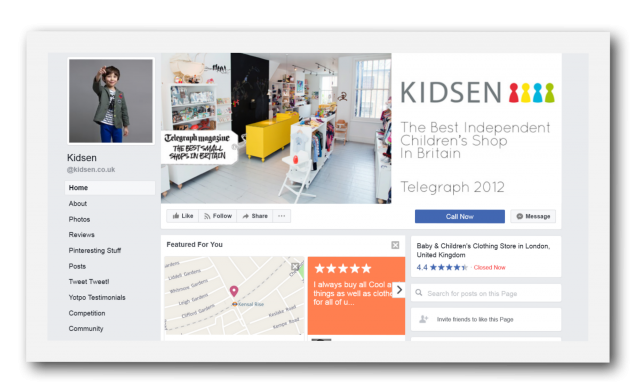
- 5. Kidsen
Kidsen is the place with all the small room decorations design furniture and toys. Here you will shop for everything made of the top Scandinavian brands. Mini, Rodini, ferm living, Brio, Isak, and many more. At Kidsen, you will find everything stocked just for you from toys, furniture, clothes and all other necessities for nursery decoration.

- Lo and Behold store
Your child’s room needs to be colorful, decorative and attractive for the child to find quick rest and fun. At Lo and Behold Store, there is all this in place just for you. Talk of cool posters, beautiful bedding from Ferm living and Danish brands, furniture and all other accessories for interior design. The shop ensures you get all you need to keep your child healthy active and physically fit.
- Mood
Want to nurture your child’s in a design atmosphere, the mood is the right place to shop. Here there is an appreciation of the direct role of design in your toddler’s development. The store is carefully curated with all the latest and high-end brands from trusted designers to ensure you get the best items. It’s the only store you will find Leander in stock. It’s all about interior décor for the child and a modern family. Mood guarantees you perfection in every item you buy.
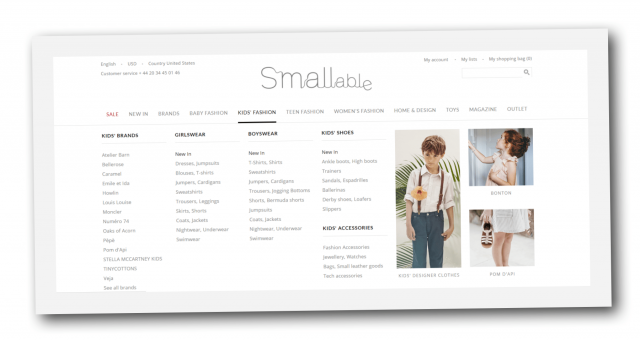
- Smallable
Looking for Convertible toddler beds, shelves, cots, wardrobes, baby essentials chairs, furniture and baby desks, smallable has it all. The shop gives you a full selection of baby valuables for perfect decoration including night lighting, poster, lamps, rugs, garlands, mobiles, and bedding. The shop is divided into sections to ensure you shop faster. The beddings have designer fabrics prints for longevity and quality. This is the only shop with specified design to meet your toddler needs and save you cost and the hustle of moving from shop to shop.
Conclusion
With such shops in your mind, it’s therefore easy for you to decorate the nursery for your toddler and it the best crib. Additionally, you can make the best selections to ensure that the room is still right for your child when s/he turns teen.

Study Shows The Gustavian Period Has Defined All Tastes Through Time In Sweden
A New Dissertation From Uppsala University Shows How Gustavian Style Has Defined Swedish Tastes In Art
Why has the neoclassical Gustavian style become so prominent in the Swedish self-image? A new dissertation from Uppsala University shows how researchers in art history, along with museums, commercial enterprises and the monarchy, have contributed to preserving and conveying the Gustavian style.
“An important reason for the extreme strength of the Gustavian style ideal,” says Hedvig Mårdh, doctoral student at the Department of Art History at Uppsala University, “is that it managed to unite a series of seemingly contradictory movements during the 1900s, such as tradition and modernity, and nationalism and internationalism, and that it has become part of various utopian visions.”
The Gustavian style, connected to the 18th century and Gustav III and Gustav IV Adolf, has been intimately associated with what has been designated as specific Swedish cultural heritage, linked to Swedish tastes and interior design. The style has generally been highly esteemed by both museums and art historians, who have produced national and international exhibitions and publications and have also contributed to successful furniture production from the late 19th century through today, including both IKEA’s line of 18th-century furniture as well as more small-scale production.
It’s about recurring re-use, in the form of copies, reconstructions and staging of the period. In her dissertation A Century of Swedish Gustavian Style: Art History, Cultural Heritage and Neoclassical Revivals from the 1890s to the 1990s, Hedvig Mårdh studied three periods that all illustrate the re-use of the Gustavian period in different ways: the 1890s, which saw the emergence of art history as a discipline, and of museums and cultural heritagethe period 1930-1940, when the production of period furniture existed concurrently with functionalismthe 1990s, a decade characterised by a cultural heritage boom, economic crisis and the search for a national identity in a European context.
Read more at eurekalert.org
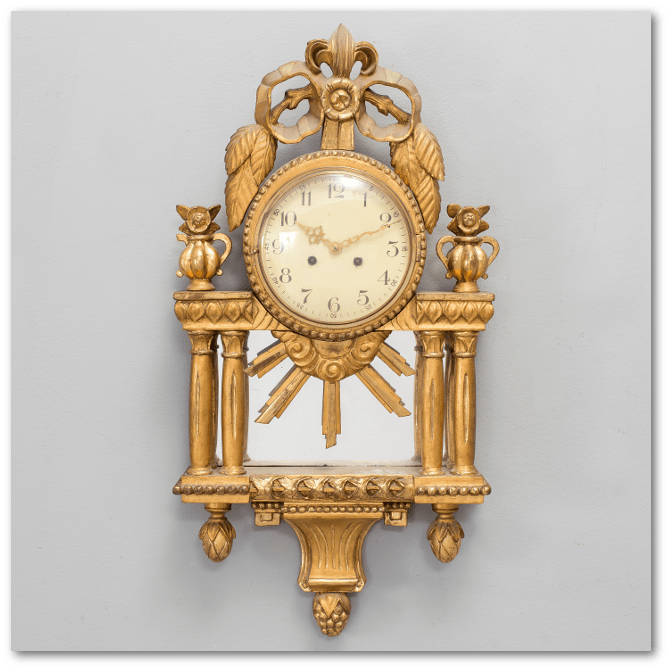
Gustavian style, 20th century Wall Clock, Bukowskis
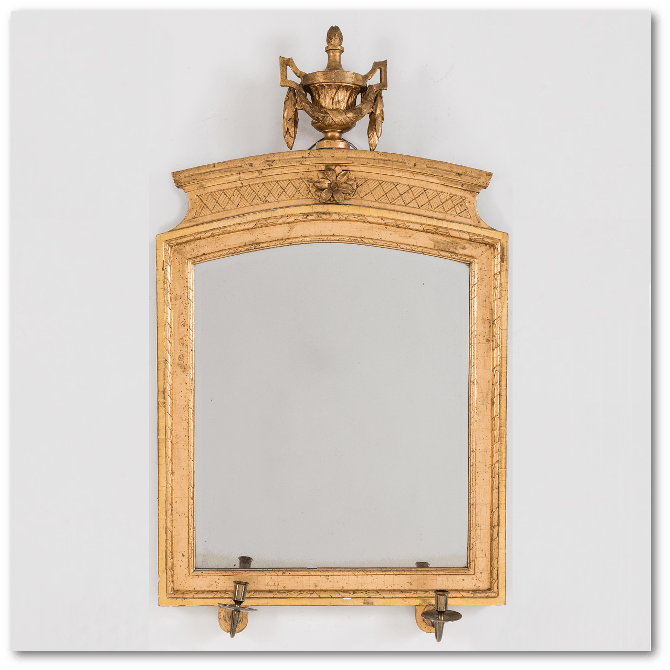
A gustavian wall sconce from around 1800, Bukowskis
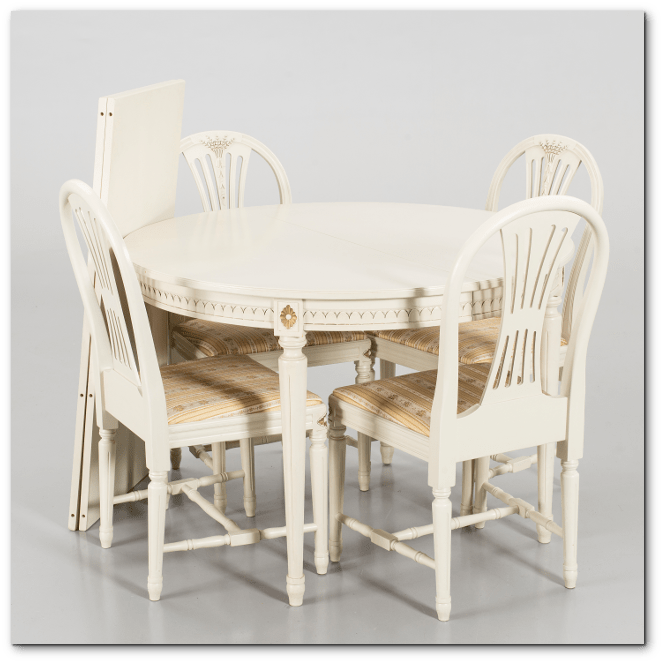
A Swedish gustavian style 5 pcs dining furniture, Bukowskis
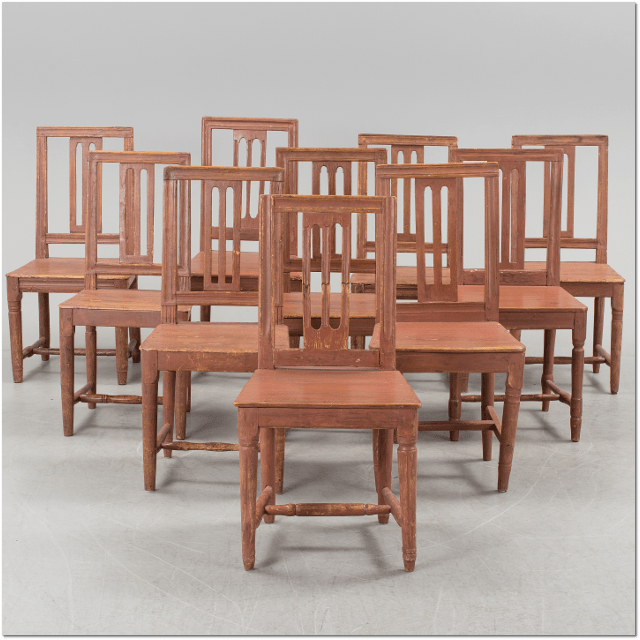
Ten Swedish Gustavian chairs, early 19th century, Bukowskis
All these images are found are bukowskis.com
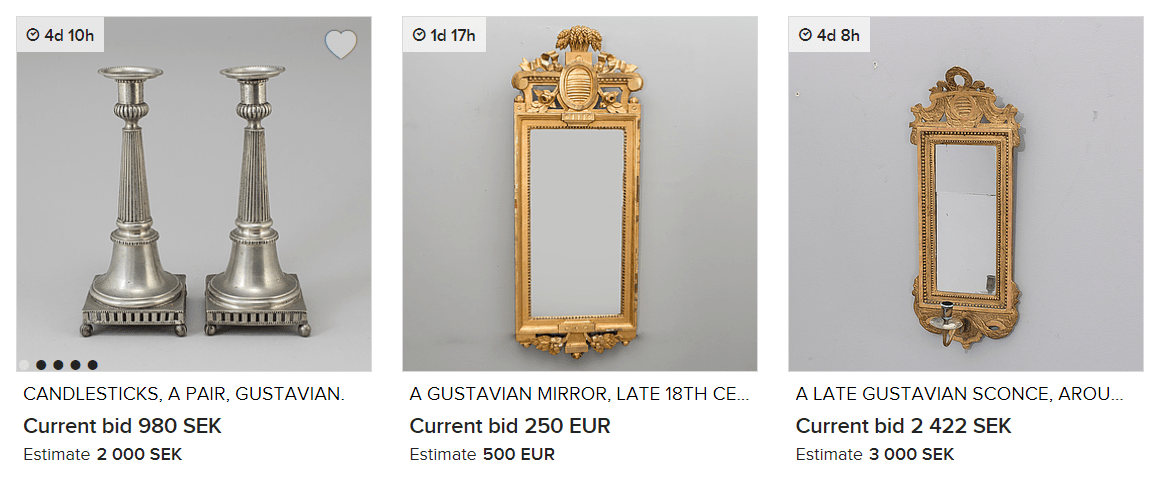
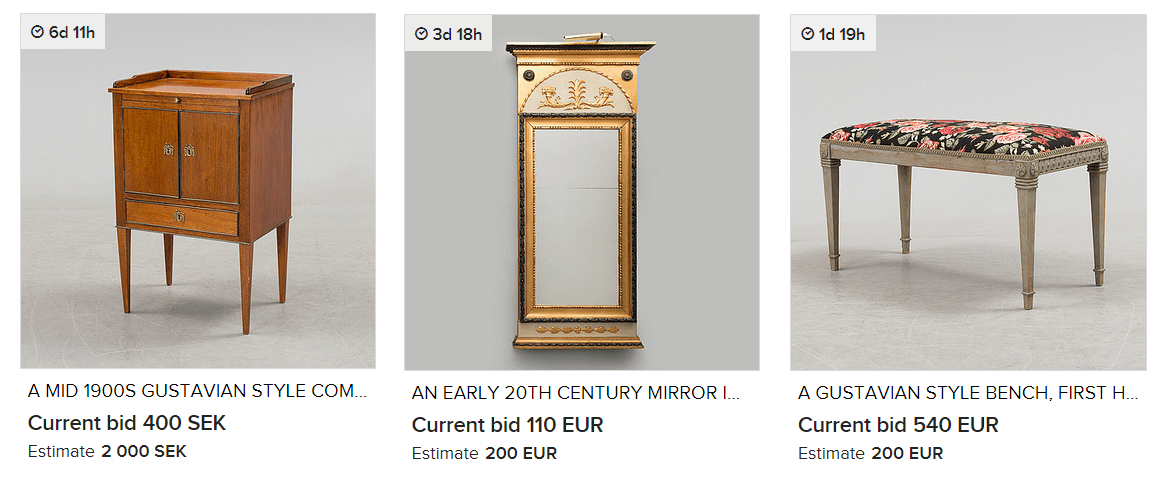
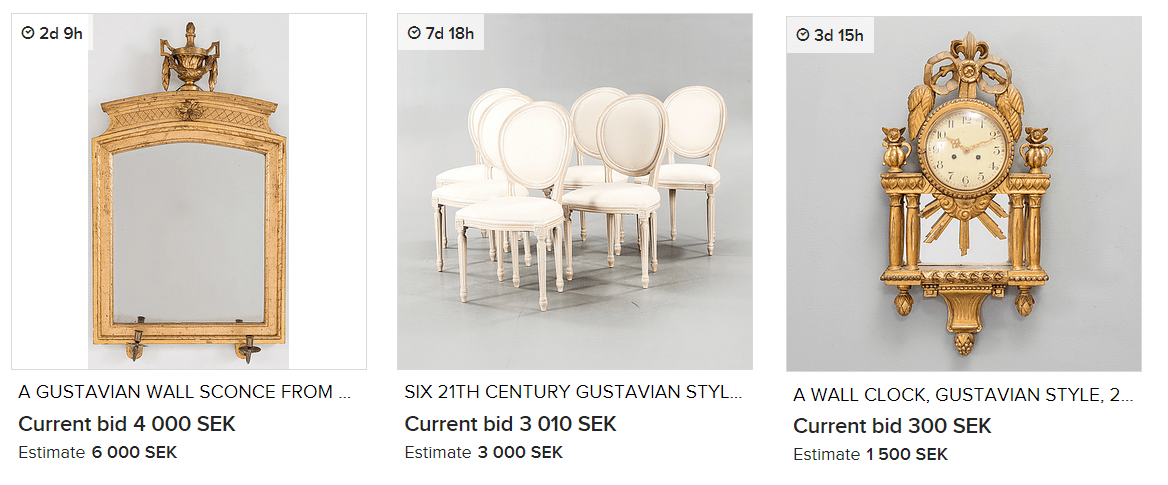
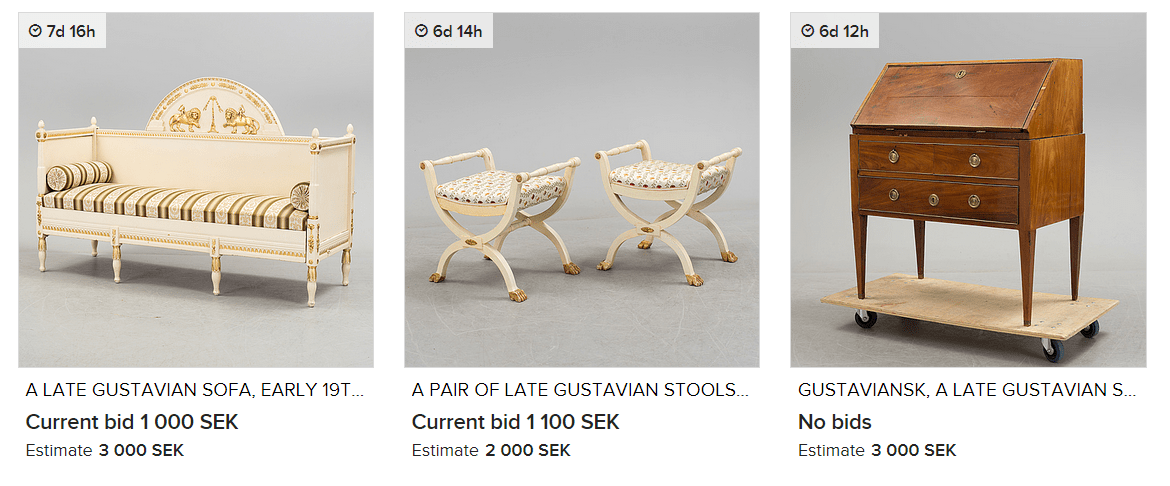
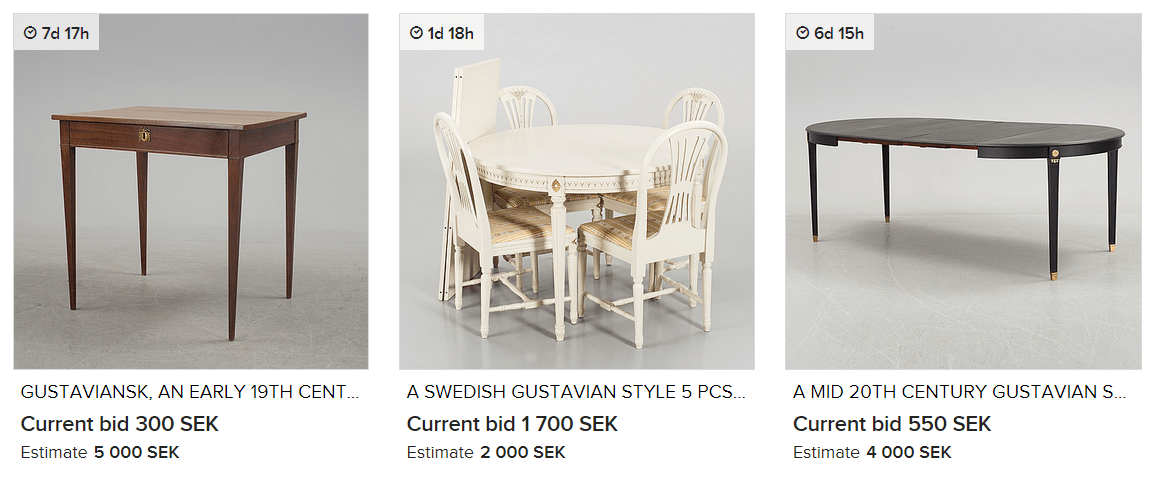
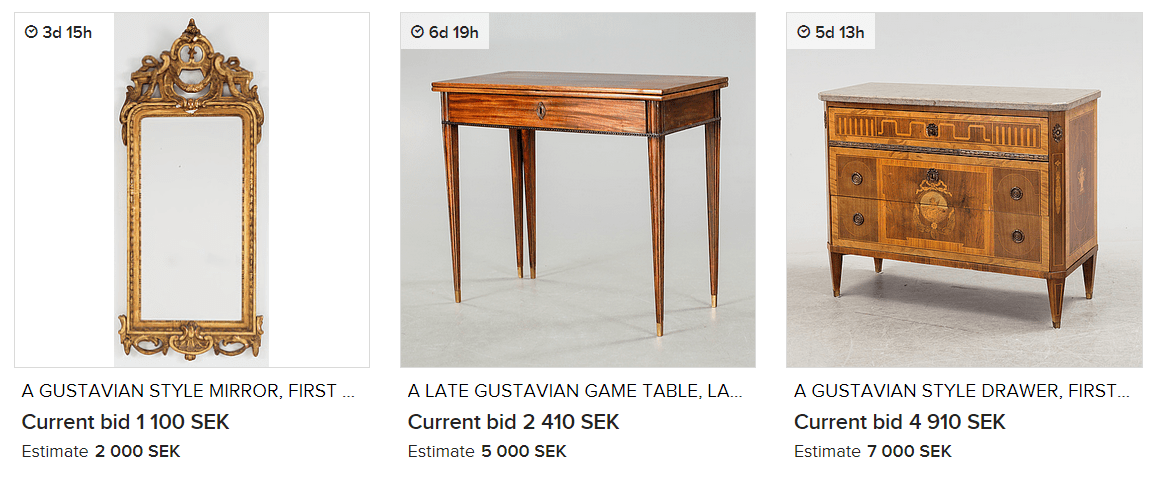
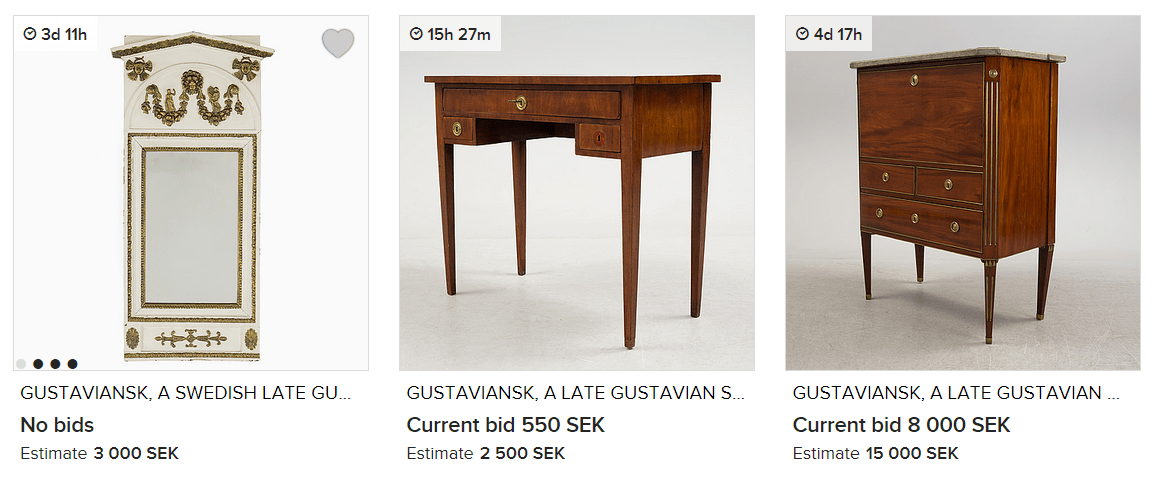
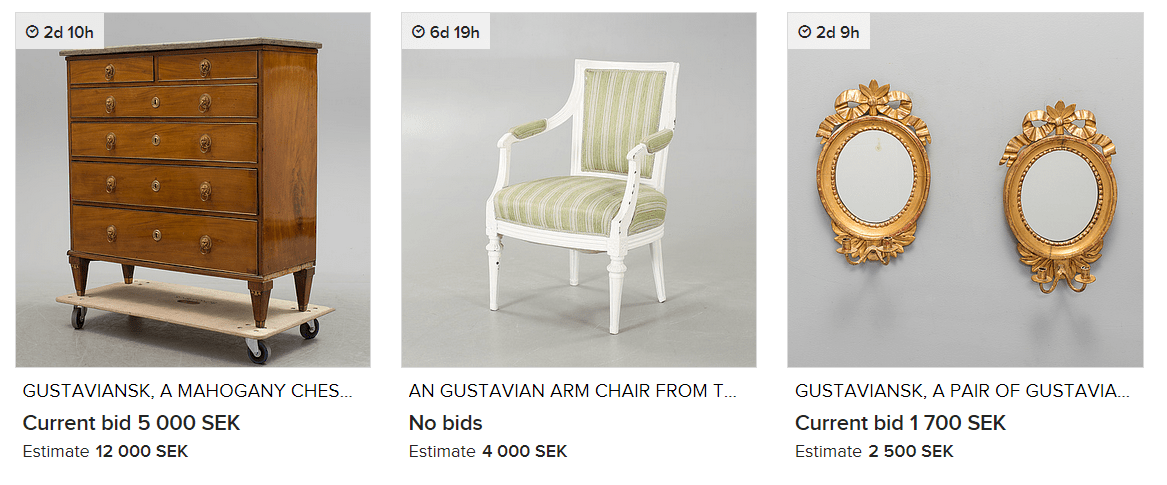
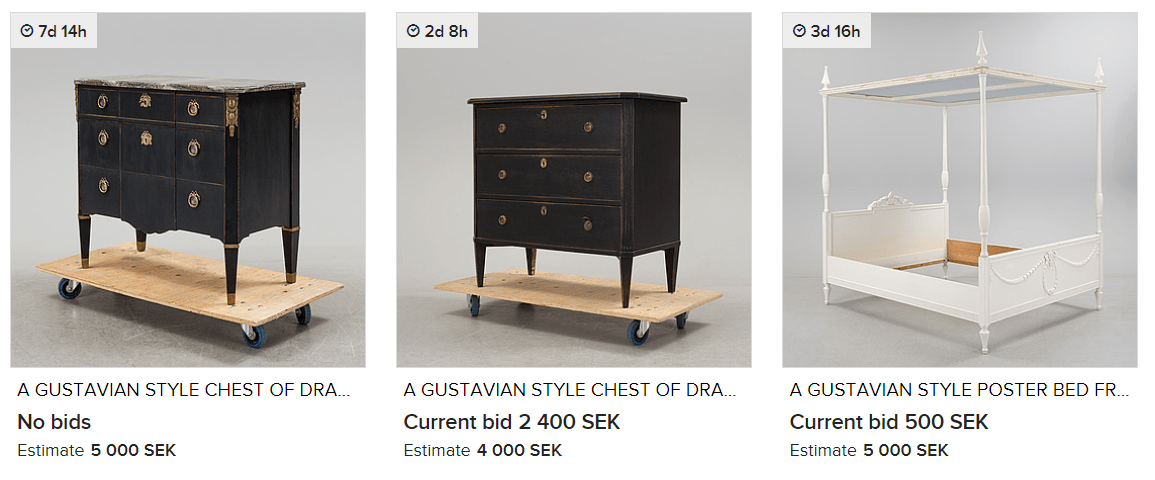
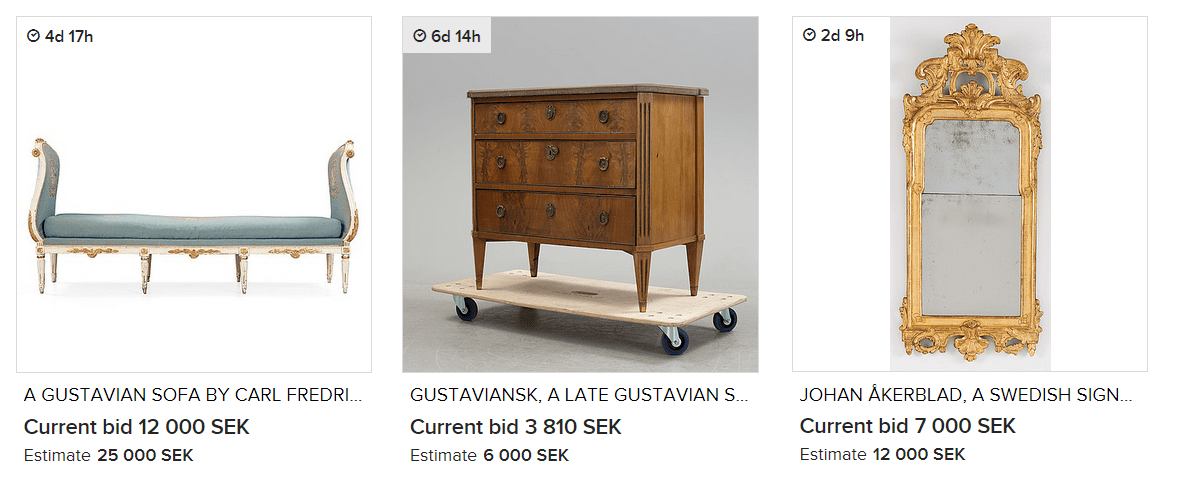
All these images are found are bukowskis.com
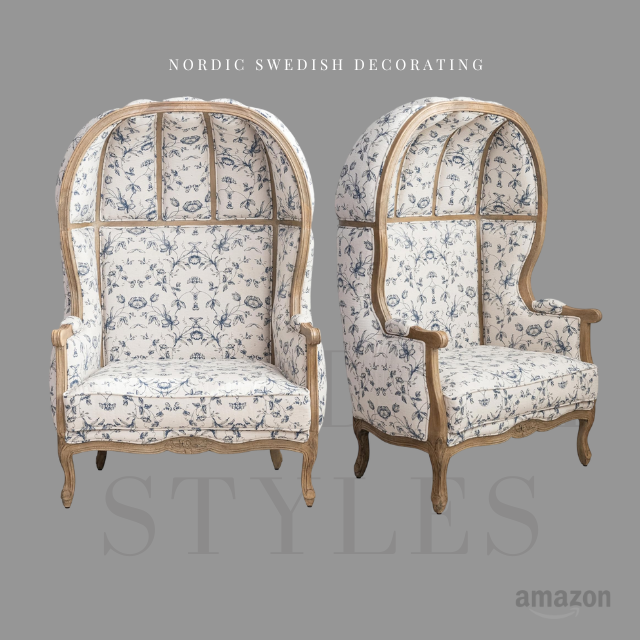
Mix Old and New Like the Scandinavians Do- Chloe Taylor
Co-Op Cotton and Linen Upholstered Balloon Chair – Amazon
Guest Post -Chloe Taylor
Scandinavian interior design has been on the very top when it comes to décor trends for years now, but this style, as we know it, is reflected in modern furniture, clean lines, functionality and minimalism; all of which are features ideal for a bedroom.
Has this design style always been like this?
Of course not.
Although it has always been characterized with light colors and natural elements, it hasn’t always been so clean-lined and minimalistic. The old Nordic pieces are equally as appealing as the new ones, and it would be a shame not to get the best of both worlds and times when decorating with this approach. Here are some things that will help you combine something old and something new, the Scandinavian way.
1. Know Both Styles.
To be able to truly know how to fit in two different design epochs, you need to be familiarized with both of them. Modern Scandinavian design is represented by light colors (usually white and grey), use of pale wood, clean lines, functional pieces and metallic accents.
As for the old style, its most prominent representative is Gustavian style, influenced by Neoclassical style, and it is characterized by white-washed or grey furniture, and pastel and golden accents.
2. Choose 1 Dominant
You can’t just put bell-shaped matte black pendant lamps above each side of the bed, and then install a Gustavian-style crystal chandelier in the center of the room.
You must choose a style you consider to be dominant (old or new), and complement it with accents from the other one. For example, if the bed, nightstands and the dresser are of clean lines made of pale unpainted wood, you can score some oldie but goodie points with a crystal chandelier.
3. Pair Them Up
If you want to make sure that the piece you’ve included isn’t standing out too much you can always use two pieces and group them together or put them opposite to each other. Also, some more subtle pieces can be joined with an entirely different style.
Bed is the focal point of every bedroom, and as such, it will draw all eyes, which means that it should be greeted with both styles in an appropriate measure. If you decide on an antique bed, you might have some problems with finding the right mattress, but the offer of various mattresses online is so extensive that you’re bound to find the perfect one. Make a style contrast on an antique bed with zig-zag patterned throw pillows, and other modern details.
4. Focus On A Single Color Palette
Whenever you want to fit in different styles into a single room, you should focus on what they have in common and which colors can be associated with them. Fortunately, regardless of the epoch, Scandinavian style is all about light neutrals, enriched with just a bit of pastels, and metallic shades. Matte black is the modern addition that goes well with everything. Choosing the same tonal family for the walls and the furniture will produce a soothing effect and make various different style statements whisper instead of scream.
5. Catch The Eye With A Statement Object
So, what can be a statement object in a bedroom? Well, everything, ranging from an area rug to the bed. You’ll want it to be instantly identifiable with one of the two styles you are mixing. Choose a gigantic crystal chandelier, a big white-washed dresser, a cowhide rug, a salvaged-planks headboard, metallic nightstand lamp, etc.
Make sure you go full-Scandi and introduce at least one houseplant in your bedroom. Kill two birds with one stone, and choose plants that will help you sleep better such as Parlor palm, Snake plant, Moth orchid, Pothos and Cast-iron plant.
Mixing old and new design styles can be really difficult. In this case you have the mitigating factor of both styles being part of one unique design evolution, so they can be connected on some basic levels, such as color palette. If you find the harmony between the two, you will have the perfectly decorated bedroom that would put some of the most famous interior designers to shame.
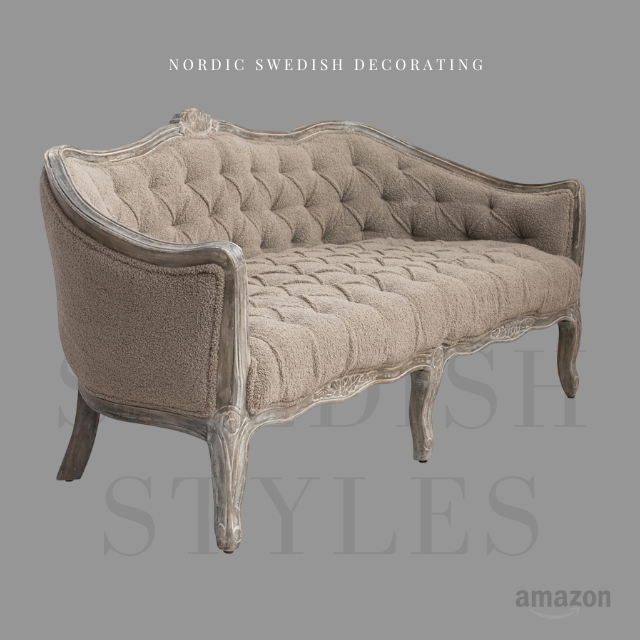
Swedish Furniture Design – What Makes The 1800’s So Obsessive
Co-Op Bouclé Pintucked Sofa – Amazon
Guest Post – Jason Phillips
The Scandinavians are known around the world for creating simple, stylish and functional furniture; its style reflects its origins, furniture and décor which maximized the available light and space. The look is minimal, yet honest with an earthy flavor. It is the perfect style to use when you are looking to revitalize an old, gloomy house and create a contemporary yet practical flare. To really get the 1800s Swedish feel in your home you will need to follow these tips:
1. Wooden Flooring
The flooring should be light and preferably wood, although a laminate will have the same effect. This allows the sunlight entering the house to bounce around the room and help to create a feeling of space, warmth and light. The bathroom is the only exception to this rule as a darker, warmer color will make the room feel more inviting.
2. Color Palettes Of Brown and Gray
The original Scandinavian design would be for white walls and a pale grey or light blue; either as a feature wall or as part of the design; the color of the furniture or the accessories. However, there have been several other influences in the Scandinavian scene and it is possible to introduce some bright colors through the accessories or even the flowers in the room. These will draw the eye and make the room feel friendly and inviting. It is also possible to opt for wood on one of the walls; it is a natural material and adds a layer of warmth to the property. If the wood is too yellow for your taste than it can be white washed or you can use grey oil to dilute the color.
3. Furniture Lines
The handmade designer furniture you use in your Scandinavian room must have clean lines. The majority of Swedish furniture elements will already have the lines you require. This simplistic approach will provide a calm, tranquil room in which to relax.
4. Functional Furniture
The Swedish pride themselves on providing stylish yet functional furniture. Every piece has a specific purpose and it is well designed for that purpose. This ethic should apply across the entire house; it avoids unnecessary clutter and encourages the simple, minimalistic style. Furniture may have been designed recently or may be genuine antique pieces. Either will work as the elements of design have stayed true throughout time; every Swedish piece has a classic beauty in its simplicity and will sit perfectly in a room today. The way this furniture has been designed allows it to blend with any room, creating a stylish, yet practical living area.
5. Corner Fire
Swedish winters are generally much colder than those in many other parts of the world. A fire is an essential part of surviving these winters. However, they are not the feature point of the room; they are seen as another piece of furniture. Swedish fires are often tiled and sit in the corner of the room. They are usually very simple in design and may hardly even be noticed with their doors closed. The corner approach also allows the heat to radiate out across the room effectively.
6. The Environment
The Swedish are well known for adding environmentally friendly features to their houses. This can be as simply as embracing the energy efficient light bulbs, to adding solar panels or a ground source heat pump. Insulation and triple glazing are also standard on new builds and help to create the warm, inviting interior of a Swedish house.
7. Less Is More
Scandinavian design does not incorporate an abundance of ornaments and accessories. The approach is minimalistic in order to keep the clean lines and bright spaces that they desire. Among the few accessories will usually be a plant or bunch of flowers to add a touch of the outside to the décor. Blend your minimalistic approach with natural materials and you will have a beautiful house that you can
actually live in!
Embrace the Swedish home design and transform your home into a welcoming, truly inviting living nest. Choose a dominant color that best lives up to your expectations, and don’t be afraid to improvise. Oversized throw pillows, flower pots with seasonal flowers and custom-made furniture items are everything you need for a Swedish-inspired home.
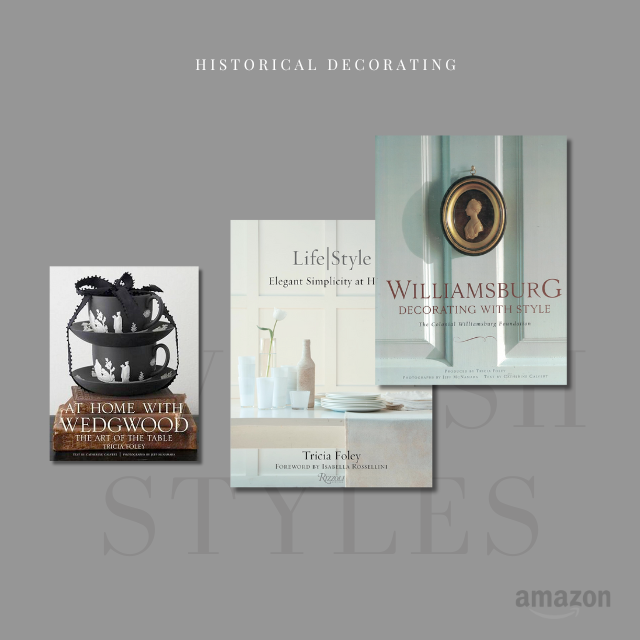
5 Pieces Of Wise Decorating Advice From Tricia Foley
Find her books on Amazon
“I think that many people try to copy what’s trendy rather than trusting their own personal style in decorating a home and then the look doesn’t last. If you’re really not sure about making decorating decisions, keep a file of pictures of favorite rooms culled from books and magazines to help narrow it down” Tricia Foley
“In terms of color for walls, I always do a test patch and live with it to see how the color responds to the light and with the existing furnishings. It’s also important to put it all together and make sure that your color palette is compatible and that you’re not acquiring furniture and accessories in bits and pieces that don’t work together. “Tricia Foley
“It makes sense to follow the architectural style of the space. Determine the function of the room and really think about how you will use it. Then furnish it appropriately for those uses. Finally, layer on your own personal style — not someone else’s. Aim for personal comfort as well as visual appeal level.” Tricia Foley
Go with good classic design in terms of furniture. I always look for multi-purpose pieces, that can be used for other rooms as living conditions change. Set the scene for your own personal style with neutral walls and floors. Then add simple window treatments and bed linens to transform a space with color.” Tricia Foley
“I see children’s rooms as part of the home, not so much a separate world. I would design the space so that it visually belongs to the rest of the family spaces. It should also be a comfort zone for children and a place for them to express themselves with their own things — there are lots of great storage units, armoires, bins, etc. that are perfect for kids rooms in grownup styles but scaled down sizes available from Pottery Barn for kids, for example Traditions and Mitchell Gold make smaller versions of armchairs from leather club chairs to slipcovered pretty cotton wing chairs that suit many styles.” Tricia Foley
Tricia On Pinterest
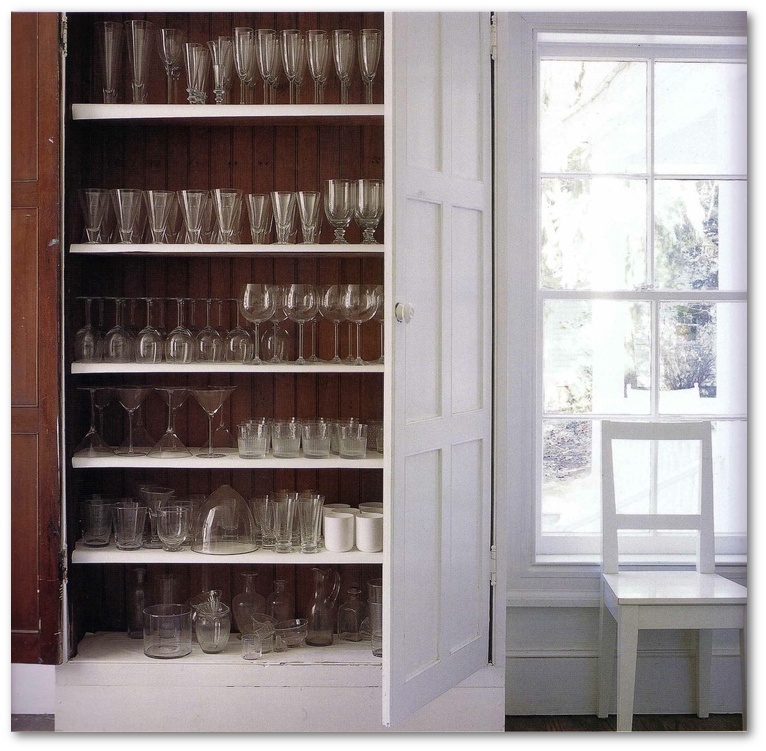
Glass For Every Occasion Tricia Foley-Found on triciafoley.com
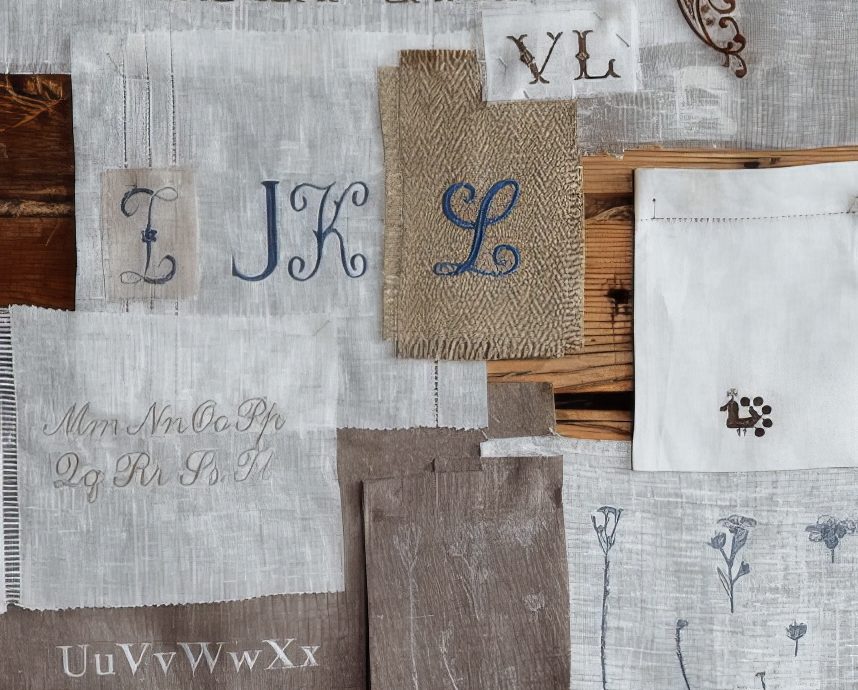
Impressive History Of Fine Swedish Table Linen
Guest Post, Jason Phillips
Linen has been a part of humanity for thousands of years. The ancient Egyptians used it to dress and as cloths. Pieces of linen have been found which date back to 4,200 BC although there are not many which have survived! Swedish linen today is made in a very similar way to those original processes. During the 1500’s tablecloths were used by the wealthy, the cloths were made from damask linen which was imported by Flanders and Holland. The cloths were ornate and decorative; it wasn’t until the 1800’s that the use of tablecloths became a common item in many homes.
Linens In The 18th Century
In 1730 a man called Stephen Bennet set up a linen factory in Sweden; the business had approximately eighty looms and produced some of the best quality damask of the period. The factory was operated until 1845 when it, unfortunately, closed down. During this time Sweden was building a reputation for producing high quality flax and linen; this is the origins of the fine quality Swedish table linen available today.
The Production Process
Men were generally responsible for the heavier work; this mainly involved the carrying and lifting of the heavy materials involved in the production process. Women and children were used to create the actual linen. This was generally split between the ones who had a high degree of manual dexterity; these were the ones who made the fine quality table linen and used one of the looms. The less able children and women dealt with the more mundane work; which was essential to ensure the production was successful.
It was the women who were usually responsible for coloring the flax. This could be a time consuming and awkward job as the majority of the dyes were not colorfast. Most of the dyes were created from natural materials such as leaves, lichens, moss and bark.
A Sound Reputation
The process of weaving fine table linen may have been complicated but its quality was becoming known in many places around Europe. There are many stories of satisfied customers. One particular example which has been told many times over the generations is in regard to a gentleman called Calle Redhe who owned one of the weaveries in Sweden. He used to personally take some of his linens to Norway and the story tells of the summer he went to Norway and met an elderly lady.
The lady knew who he was and, upon confirming his identity, immediately asked for some napkins to go with a tablecloth which she had purchased nearly sixty years before. The tablecloth had been made by Calle’s father and was produced on the same loom; something which delighted the elderly women and ensured she told everyone she knew.
Modern Productions
The high quality linen produced today in many of the factories across Sweden utilizes the same methods as were used so many years ago. The overshot weave cloth is still patterned and is made to at least the same quality standards as the original pieces. The production methods may be ancient but they have stood the test of time and many people are able to purchase elaborate, ornate pieces of linen which look and feel like they should belong to royalty. The industry today is proud of its heritage and works hard to produce items which will also stand the test of time and inspire those in the future.
Just as you can buy something today which will match something your grandmother bought; so too will your children or even grandchildren be able to match your purchase. As long as linen making is a part of the Swedish culture it will be possible to purchase your own piece of history!
Whether you’re hunting for table linens or bed sheets, it is important to focus on quality. The best fabrics are Egyptian cotton and silk. While it’s true that these are more expensive than polyester or cotton blends, they last longer. They’re hypo-allergenic and they have a functional purpose too. Good quality cotton traps moisture and it protects your furniture. Used in the kitchen or dining room, luxury linen fabrics prevent dust from settling and they have an appealing design too; just make sure the set chosen for your bedroom matches with the overall appeal of your room.
Picture Credits, Volga Linen Styling by Simon Kämpfer, Photography: Yuki Sugiura
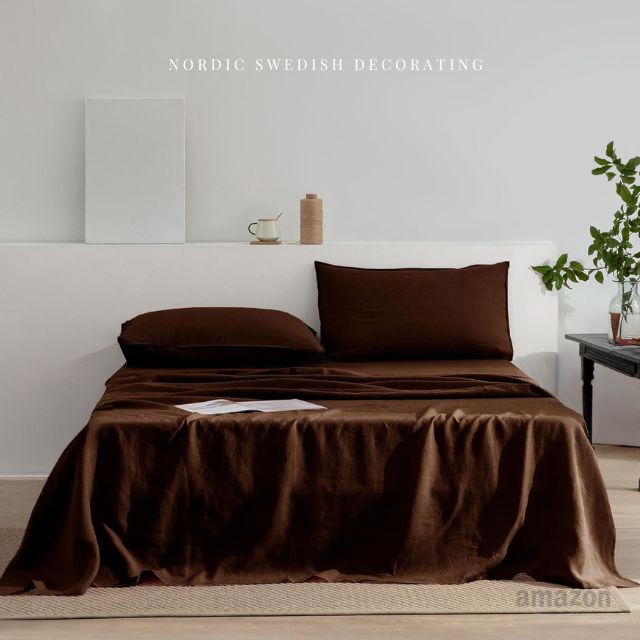
Linen Has An Incredible History- Find Out Why……
Linen Sheets Set King Size,100% French Stonewash – Amazon
Guest Post – Jason Phillips
Linen is a type of fabric or textile manufactured from fibers. The making process is laborious, and the result is truly remarkable. Many things are made of linen including towels, aprons, bags, tablecloths, bed linens, runners, curtains, drapes, upholstery covers and more. Textiles that feature a linen weave texture, even those made in combination with hemp or cotton, are also referred to as linens; some have specific names, such as madapolam, which is a fine cotton yard wove in linen style.
Linen textiles have an incredible history. Fragments of seeds, yards, straw and additional types of materials date back to 8000 BC, and were usually found in Swedish homes. In Ancient Egypt, linens were used as currency, and the mummies had to be wrapped in this luxury material as a symbol of purity and light. Nowadays, fine linens are high-priced yet incredibly qualitative.
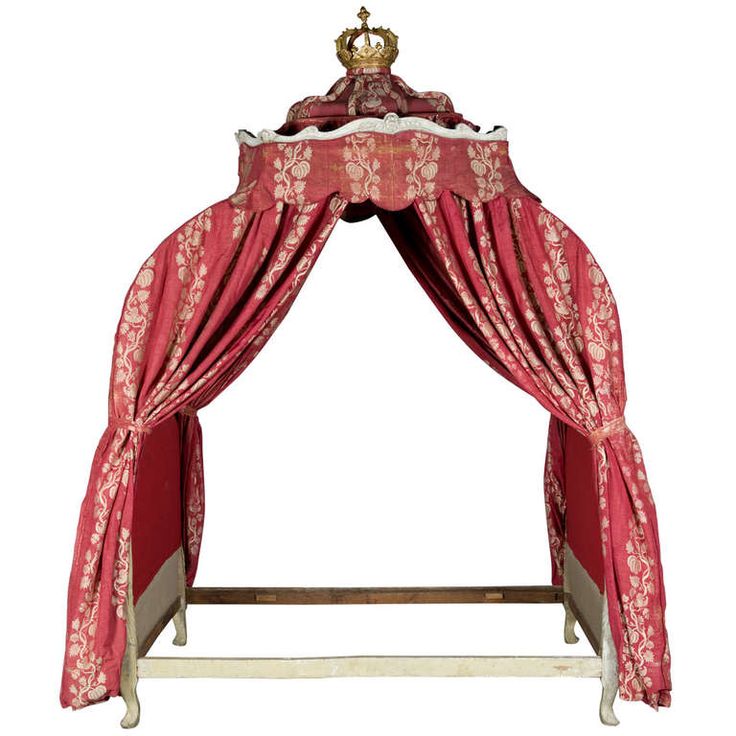
18th Century Lit a la Polonaise – Chartreuse de Bonpas, Avingnon, France Found on 1stdibs.com
Curtains And Drapes
In the early 18th century most homes still used shutters to block light and make the place appear private and secluded from the eyes of people on the street. However, they had a fuller texture and came in different styles than in the 17th century. As for the materials, main fabrics were cotton chintz, taffeta, and velvet. A valance or pelmet cornice was usually employed to hide the workings. Then the paired curtains made an entrance. They were topped with stiffened pelmets and featured embroidery work and appliqués; also, they had a really elegant shape. The linen fabric used for the curtains included Rococo motifs, including knots of ribbons, garlands of flowers, and leave fronds.
By the middle of the century, pelmets became a lot softer, with small tails and shallow swagging and bells. Portieres had lighter curtains and deeper pelmets designed in Italian style. Store marquises, also known as light silk festoons, were widely used with beautifully draped pelmets. At the end of the 18th century, roller blinds made an entrance as well. Their use was first recorded in 1726, in London.
Fabrics
There was a great variety of fancy fabrics one could select from in the 18th century. There was one industry in particular that thrived – the silk industry. Fragile florals, lace, and scallop, as well as patterns that incorporated doves and other beautiful prints were in high demand. Inside people’s homes silk was the most appreciated. It was used for linings, beds, tables and inner covers. During that time the bed in the bedroom had sophisticated hangings, which were also made of silk; those who could afford to invest in such fancy linens, bought Genoese silk velvet.
For the windows, brocades and silk damasks were highly appreciated. For hangings, brocatelle was still in high demand. Ribbed silk, satin, chintz, taffeta and clouded silk were all exceptional materials used mainly for curtains. Those who couldn’t afford such fancy linens had great alternatives, such as moreen for draperies and beds, and velvet or silk mohair for chair coverings.
The most exclusive chintz was manufactured in Versailles, and was produced by Jouy-en-Josas. However, throughout the 18th century, in England and France there was an anti-cloth law materializing. It was aimed at protecting silk and wool industries. The production went full ahead in 1770.
Sophisticated Trimmings
In the 18th century there was a wide variety of sophisticated trimmings materializing in Germany, Ireland, the Netherlands, England and Switzerland, mainly due to the battle of Huguenot craftsmen n the 1600s France. Narrow and broad bands of rich colored lace were used thus contrasting the rich, new techniques. Furthermore, fancy details started being used such as frogging, gold galloon and artificial flowers on valance and pelmets; these were meant to replace entirely heavy trims found in the 17th century.Embroidered, tie backs or appliquéd and ended with ribbons or bows became a new feature in home décor that many people adopted for their window treatments.
Decorating with 18th century linens from the French period will add sophistication to your personal space. Give your windows the treatment they deserve and use luxury linen materials for the curtains and shades. Make your bedroom seem romantic, your living area chic and welcoming, and your kitchen practical and fun. Consider the best materials and the finest shapes, and your entire home will come back to life.
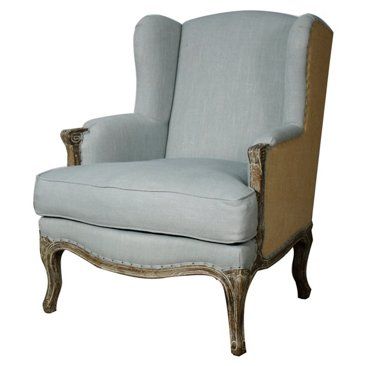
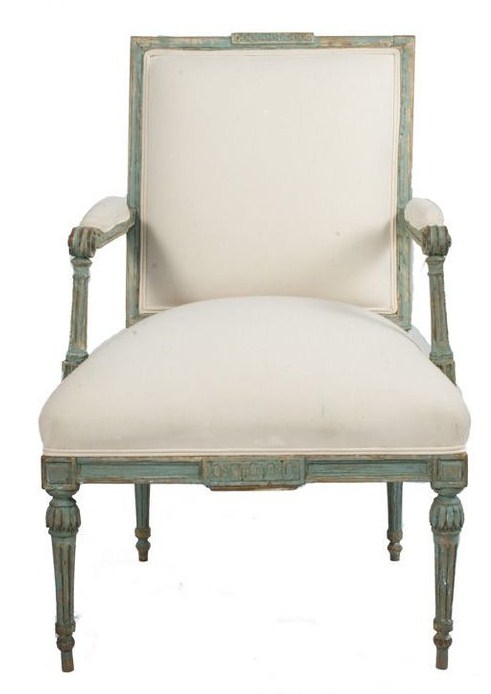
Gustavian Lounge Chair, Sweden, c.1780, Found on 1stdibs.com
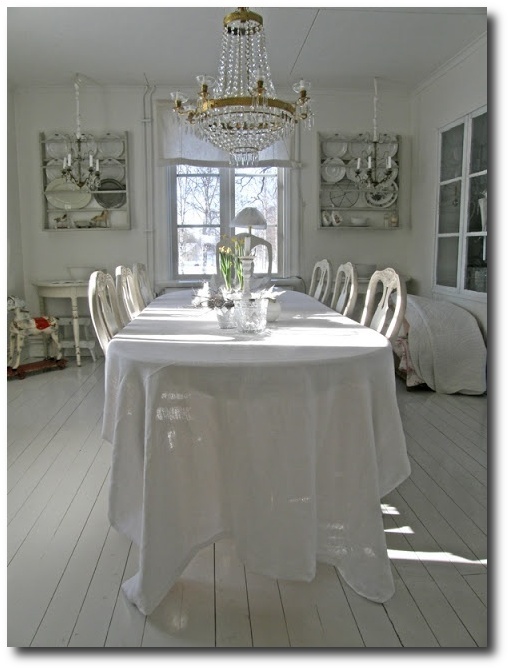
Swedish Interiors Using Linen For Table Cloths Found on lantlif.blogspot.it
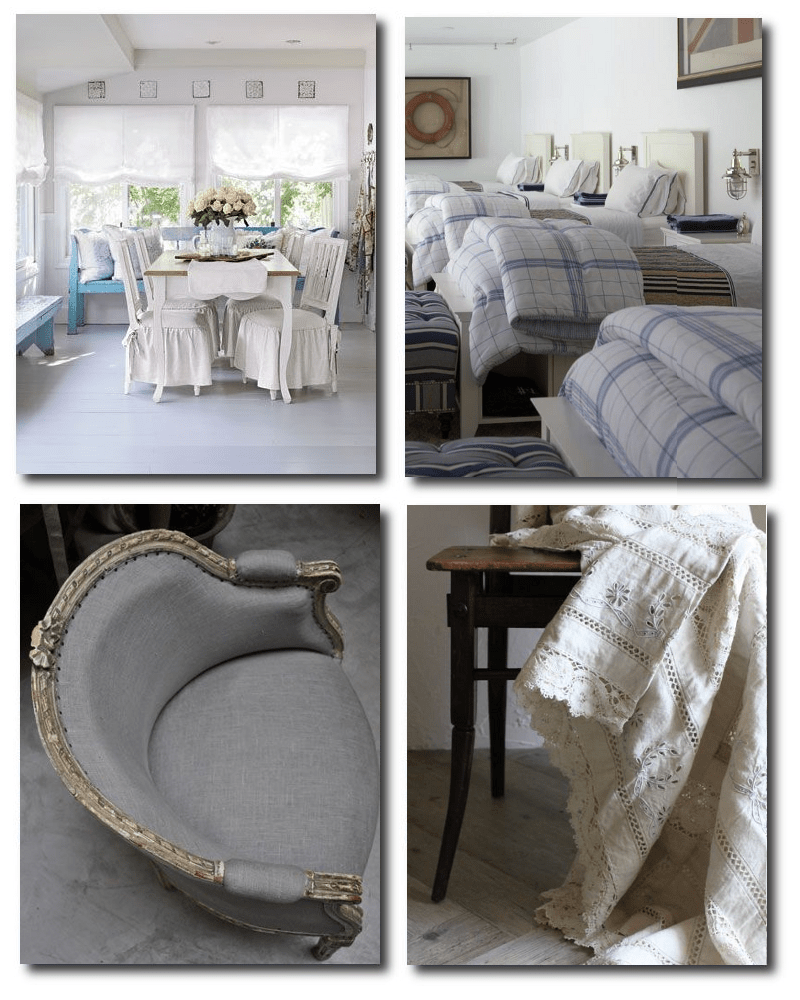
Victorian home designer Carrie Raphael’s farmhouse marries beauty with function, Swedish Style in a Maryland Farmhouse Country Living Magazine
Robert Dean and interior designer Anne Miller,Found on nehomemag.com
Linen Upholstery In Gray Found on une-ame-en-plus.com
Linens seen at Found on fleurage.exblog.jp
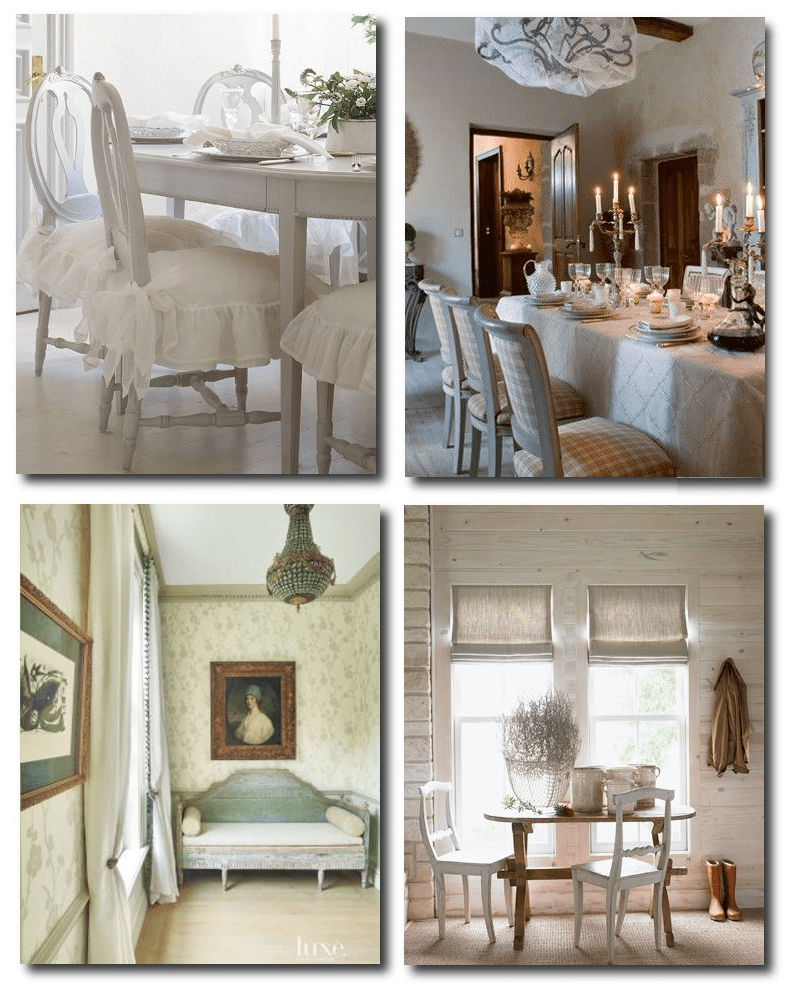
Swedish Dining Seen on bloglovin.com
Life In 17th Century Norway & Sweden
In the 17th and 18th centuries, the Nordic people had various desires and aspirations influenced by the social, economic, and cultural context of the time. Here are some of the most sought-after things during those centuries:
Wealth and Land: Accumulating wealth and owning land were significant aspirations for many people in the Nordic region. Land ownership represented social status, economic power, and provided opportunities for agricultural production and resource exploitation.
Trade and Commerce: Nordic countries, such as Sweden and Denmark, were engaged in international trade during this period. Merchants and traders sought to establish profitable connections with other European countries and expand their commercial ventures.
Access to New Goods: The growing trade networks allowed for the introduction of new and exotic goods into the Nordic region. People sought after luxury items like spices, silks, ceramics, and other commodities that were not readily available locally.
Education and Knowledge: The Enlightenment period in the 18th century brought an increased emphasis on education and the pursuit of knowledge. People sought access to education, particularly in fields like philosophy, science, and the arts.
Social Status and Prestige: Nobility and social hierarchy played an important role in the Nordic societies of the time. Many individuals desired to attain or maintain their noble status, associating themselves with the upper echelons of society.
Cultural and Intellectual Trends: The Nordic region saw an influx of ideas and cultural movements from other European countries. People sought to be part of these intellectual trends, embracing new philosophies, literary works, and artistic movements.
Scientific Advancements: The 17th and 18th centuries witnessed significant scientific discoveries and advancements. People were eager to access and learn about the latest scientific theories, particularly in fields such as astronomy, physics, and medicine.
Political Influence: As in other parts of Europe, power and political influence were highly sought after. Many individuals aspired to hold positions of authority, whether in local governance, regional politics, or the national administration.
It’s important to note that the desires and aspirations of individuals varied depending on their social class, occupation, and personal circumstances. These general themes provide a glimpse into the aspirations of people during the 17th and 18th centuries in the Nordic region.

18th Century Antique Swedish Rococo Tragsoffa | Vinterior

 decorativecollective.com
 Picture –thisivyhouse
Life In the 17th century Nordic countries
Daily Routine: People in the 17th century generally woke up early, as daylight was essential for most activities. They would begin their day with personal hygiene tasks like washing their face and hands, often using water from a basin. Due to limited sources of artificial lighting, the evening hours were typically dedicated to rest and sleep.
Work and Occupations: The majority of the population in the 17th century lived in rural areas and worked in agriculture. Farmers would tend to their crops and livestock, while women would engage in domestic tasks such as cooking, cleaning, and caring for children. In urban areas, people were involved in various trades and crafts. Merchants conducted business, artisans practiced their respective crafts, and apprentices learned skills from their masters.
Religion and Church: Religion played a significant role in daily life during the 17th century, particularly in Europe. Most people adhered to Christianity, and attending church services was a central part of their routine. Church buildings often served as community centers, where people gathered not only for religious activities but also for socializing and discussing local matters.
Education: Formal education was limited during this period, and literacy rates varied across regions. Wealthy families could afford tutors or send their children to private schools, while the lower classes often received basic education through informal means. Education focused on religious teachings, reading, writing, arithmetic, and vocational skills.
Entertainment and Recreation: In their leisure time, people in the 17th century engaged in various forms of entertainment. Popular recreational activities included playing games, such as cards, dice, and board games like chess or backgammon. Sports like archery, bowling, and tennis were also enjoyed. Social gatherings and events, such as dances, music performances, and theatrical plays, provided further amusement.
Art and Culture: The 17th century witnessed significant advancements in art and culture. Renowned artists like Rembrandt, Caravaggio, and Vermeer produced masterpieces during this period. Literature flourished with the works of influential writers like William Shakespeare, Miguel de Cervantes, and John Milton. Music, including compositions by composers like Johann Sebastian Bach and Antonio Vivaldi, also thrived.
Fashion and Dress: Clothing in the 17th century varied based on social class and occupation. Wealthy individuals wore garments made of fine fabrics and adorned with elaborate embellishments, while commoners dressed more simply. Fashion trends were influenced by the styles of the monarchy and the aristocracy, and clothing choices often reflected social status.
Food and Drink: The diet of people in the 17th century consisted of locally available food sources. Common staples included grains like wheat, barley, and oats, along with vegetables, legumes, and dairy products. Meat was primarily consumed by the wealthy, while the less affluent relied more on fish and poultry. Alcoholic beverages, such as beer and wine, were commonly consumed due to the limitations of safe water sources.
It’s important to note that the specifics of daily life in the 17th century varied greatly depending on the region and social circumstances.

The painted detail of a 18th Century Swedish Gustavian Chest – 1st Dibs


Antique Swedish Furniture

Swedish 18th Century Gustavian Clock with Original Paint – averydash.com/
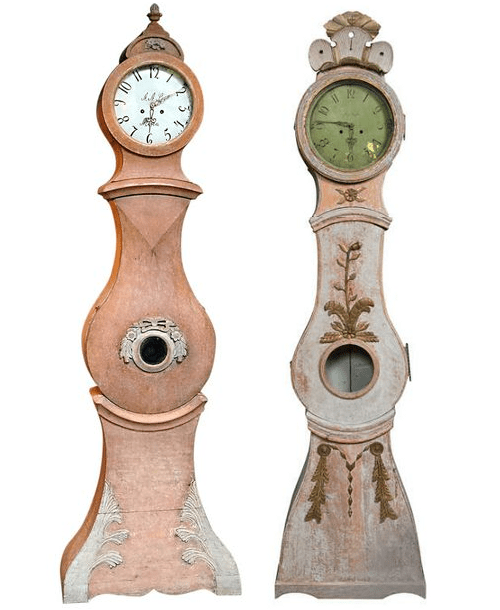
Mora Clock in Original Salmon Paint Found on 1stdibs.com
Swedish Tall Case Clock, ca.1780-1800 Found on 1stdibs.com
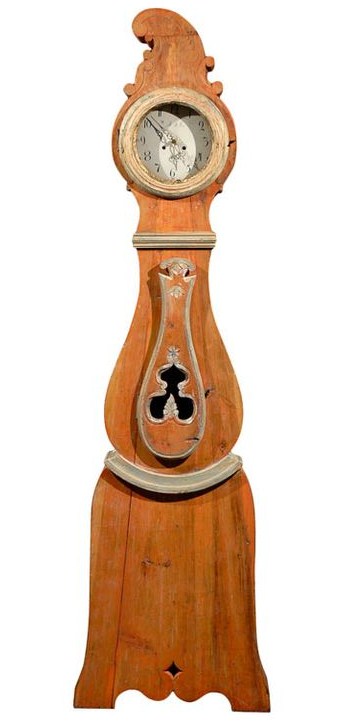
19th Century Swedish Orange Painted Wooden Clock Found on 1stdibs.com
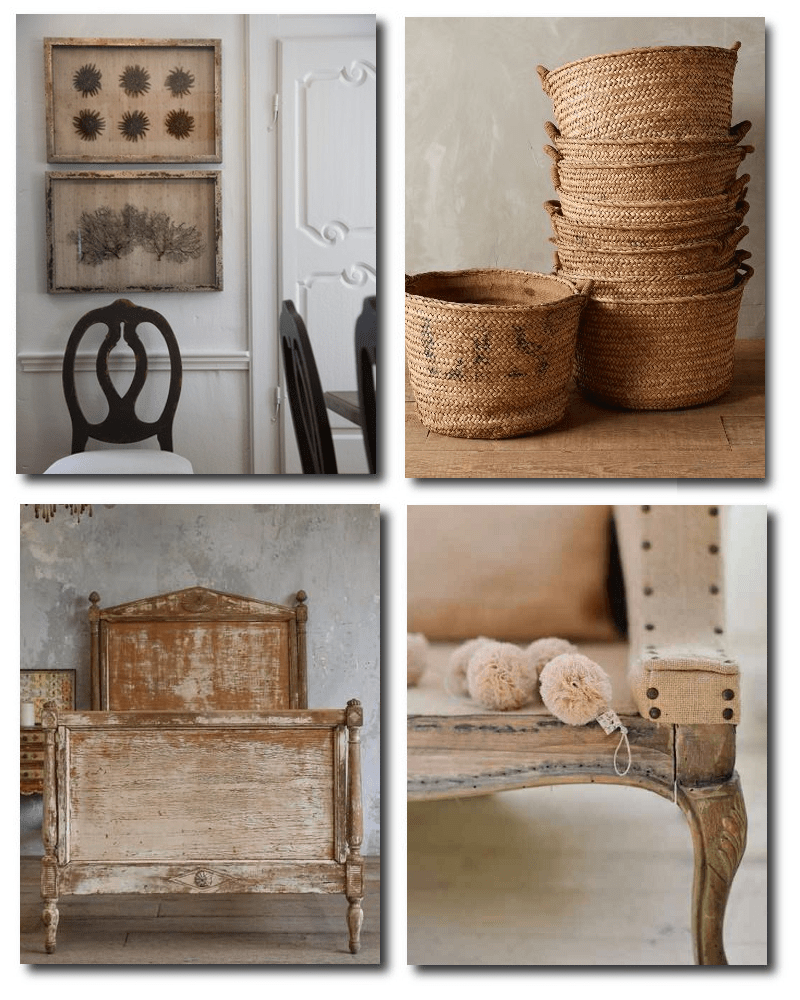
Gustavian Style Found on houzz.com
Harvest Basket, Found on anthropologie.com
Directoire Bed, Found on eloquenceinc.com
De-constructed Chair – Found on inspired-design.tumblr.com
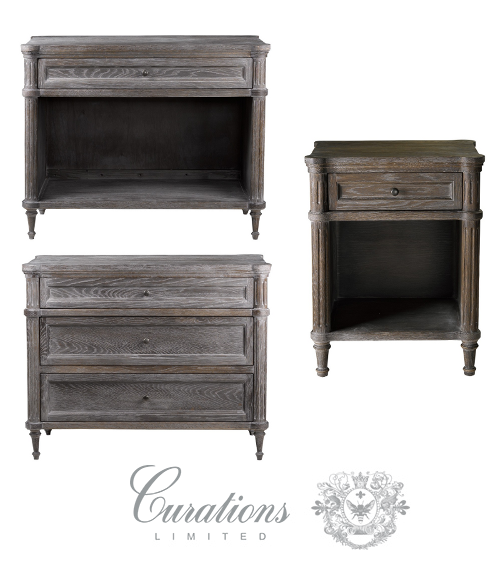 Alden Furniture Collections- Curations Limited
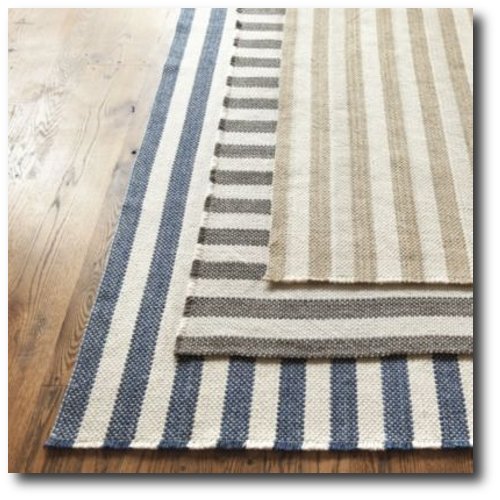
Vineyard Stripe Rug Ballard Designs
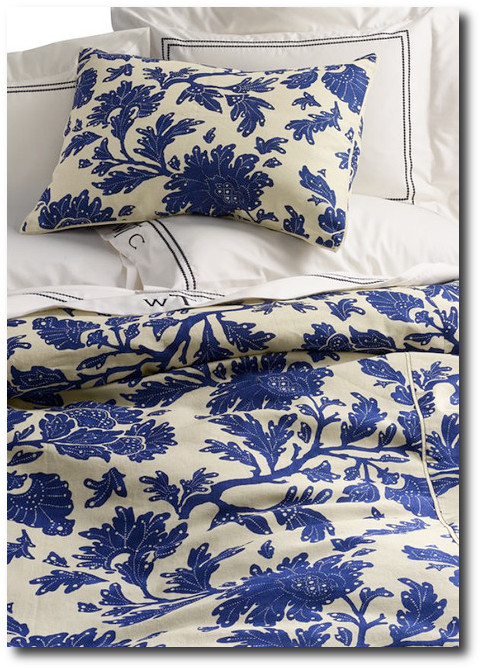
Harbor Springs Floral Duvet Cover, Lands End
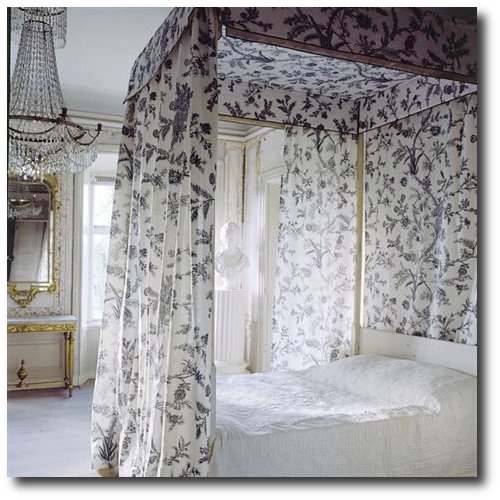
Buy Authentic Historical Textiles online at Ljungbergs Factory
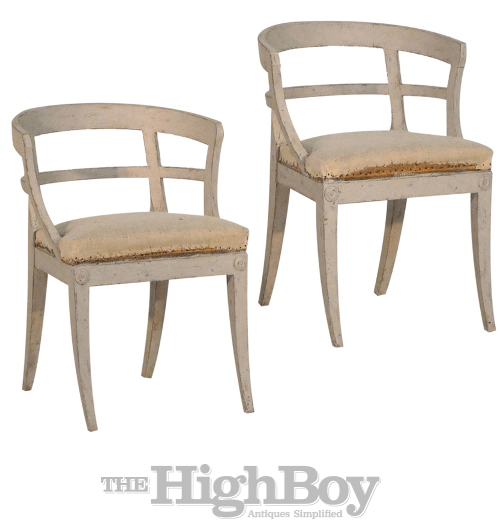 Pair of Swedish Sulla chairs with curved and open H-form backs, with original upholstery raised on splayed legs.- Highboy Antiques

An antique looking mailbox – Amazon

A mailbox with a blue distressed finish – Amazon


Mid 19th Century Painted Water Carrier – debenhamantiques
How To Select The Right Linen For Your Children’s Bedroom- Kids Room Decor Ideas
Guest Post Jason Phillips
Your kid’s bedroom has to look fun and entertaining; otherwise the little ones may not want spend time in it.
What can parents do to make their bedrooms appear more enticing without investing a lot of money on new furniture or a flat-screen TV?
Believe it or not, playful bed linens can have an amazing effect. You kids will love the colorful designs and interesting patterns. You can opt for bed linen deigns with superheroes and princesses, or you can opt for the educational ones with letters and animals.
Here are 5 playful ideas that will convert your kid’s room into a fabulous environment.
1. Bear Print Bed Linen Designs
Allow the kids to explore the woods and let them enjoy a good night sleep tucked in bed linens with bear patterns.
Consider a natural green color, and make sure the material is 100% cotton.
It is important to invest in quality too, not just in design. Cotton is comfortable and it allows the skin to breathe. As for the print, kids will definitely adore the bears, as well as the color. Consider a full set with cover, sheet and pillow cases, and create a nature-inspired bed for your beloved kids.
2. Baby Blue Linens With Car Designs
Little boys love cars, as well as the blue color.
Combine these two and make their beds cool. Consider linens with more than one car model, and before bedtime talk about the prints. Who knows, maybe your son will grow up a mechanic’s enthusiast or an engineer? Make sure the bedding set is colorful to draw his attention. Trucks, motorbikes, SUV, and others, will transform your kid’s bed into a virtual dealership. Have together before bedtime, and they will go to sleep with a lot more enthusiasm and determination.
3. Pastel Pink Linens With Star Designs
Girls are fond of lighter colors of pink, yellow and purple. They want their rooms to look colorful and playful, if possible be filled with stuffed animals, dolls, and glitter.
Choosing bed linens for girls can be challenging, and that’s because unlike boys, girls tend to be really picky. Regardless, as long as their linens have attractive patterns, they’ll certainly love to sleep in them.
Star signs, golden crowns, and even “princess” message prints are excellent ideas. Make sure that you spend time together too; read them a related story before bedtime, and they’ll love their new sheets.
4. Bed Linens With Letter Designs
Bed linens with letter designs are excellent for pre-scholars. Apart from being colorful and extremely appealing to the eye, bedding with imprinted letters is an opportunity for parents to teach the alphabet to their kids.
Do it in a fun way, but try not to make the process seem like a dreadful activity. Make it fun – associate each letter with an animal for example, and even turn to onomatopoeia to help the kids remember that animal, and its corresponding letter. To help the kids remember the letters better, go for white cotton linens with black letters (or pink for girls). This way you’ll create a visual appeal.
5. Deep Blue & Silver Stars Cotton Linens
Kids are drawn by strong color palettes, such as deep blue, green or yellow.
To convince them to go to bed on time, you could buy them a set of linens with star prints. Combined with deep blue, their beds will look like the sky at night. Make sure the pillow cases have moon designs, and they will have the most relaxing sleep. Bedding for children is not easy to pick. The secret is to consider attractive patterns and soft materials.
We spend too much time spending money on low quality items that don’t last. But when it comes to linen fabric for kids ‘beds, we can’t afford to compromise.
It is important to purchase quality linens because when they’re little, kids sleep a lot.
They’re growing and you can’t risk ruining their health with low quality linens that trigger rashes and allergies. Of course, this doesn’t mean you should buy expensive sheets you can’t afford.
Stick to 100% cotton because it is both comfortable and durable, and stay as far away as possible from synthetic fibers.
Picture Credit –Antique Vintage European Textiles On Ebay
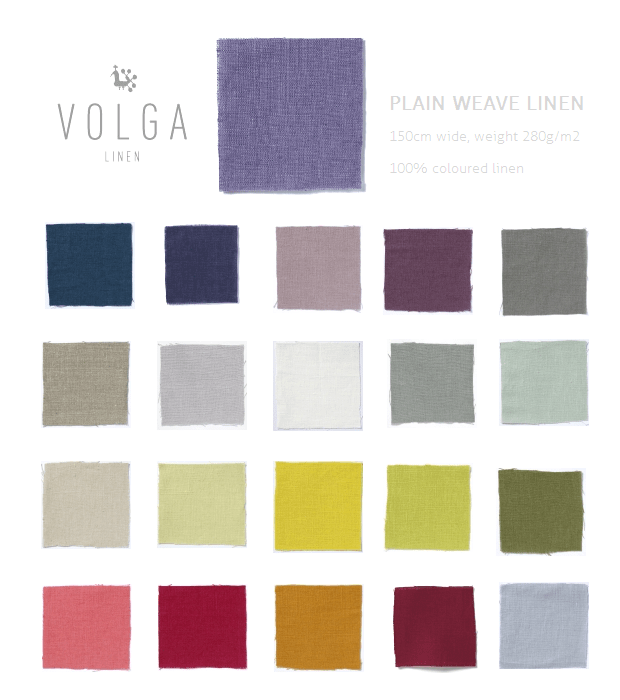
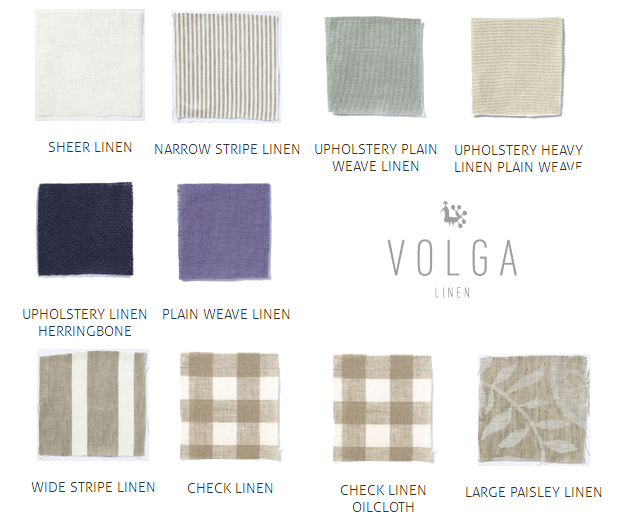
Fabric Selections From Volga Fabrics
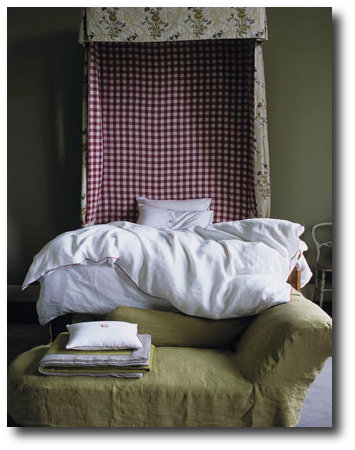
Red Trim Bed Linen > Volga Linen
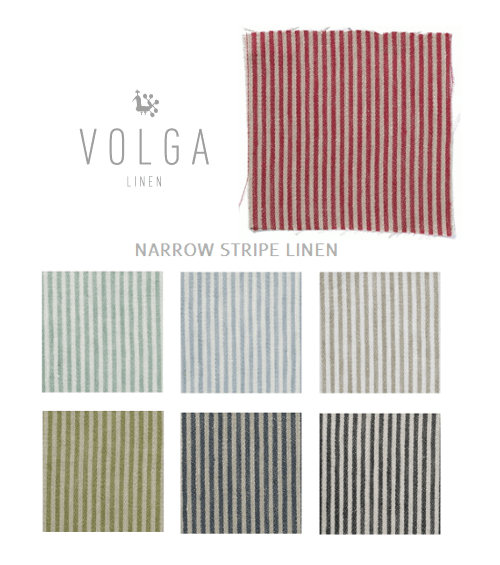 Narrow Stripe Linen From Volga Fabrics