Nordic Style Kids Bedroom Decor Ideas
The design of your children’s rooms should feel like a natural extension of your home and your personal style. A playful space doesn’t require cartoon characters splashed across every wall to prove you’re a fun mom. Thoughtful design can feel youthful, imaginative, and beautiful all at once.
Below are a few simple tips for decorating a child’s room in a way that feels lively yet timeless.
Limit the Number of Pieces in the Room
Create breathing room. Choose just a few well-made, thoughtful pieces and leave open space for play. Many modern homes don’t offer large secondary bedrooms, so prioritize furniture that works hard for you—dressers with ample storage and beds with built-in drawers are invaluable.
Add Dedicated Storage for Toys
Teaching children to put their toys away in a designated space makes a world of difference. We updated all the closets in our home using simple bracket systems from Home Depot and lined the shelves with baskets. One row is reserved for clothing, while the remaining shelves house toys. A cleaner room means far less daily stress.
Use Wall Shelving to Elevate the Space
Everyday toys can live in the closet, while more decorative or antique toys can be displayed on wall shelves. If you love design, use vertical space to your advantage. Painted and lightly distressed wood shelves add charm, and floor-to-ceiling bookcases maximize storage while drawing the eye upward. Thrift stores often carry porcelain dolls for very little—I’ve found beautiful ones for as little as $5 that can be enjoyed now and played with later.
Invest in the Right Fabric
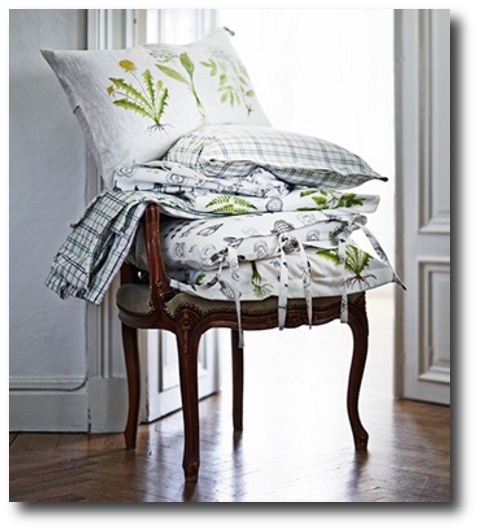
Fabric can set the tone of a room instantly. Printed textiles add warmth and personality, whether through bedding, curtains, or pillows. If sewing isn’t an option, look for comforters that achieve the look you love, then echo that fabric in smaller accents like throw pillows or an upholstered chair.
Choose One Standout Antique
A single antique—whether it’s a toy on a shelf or a beautifully crafted bed—can anchor the entire room. You don’t need excess furniture or décor. Nordic-inspired interiors thrive on restraint, so focus on a few functional, high-quality pieces paired with subtle accents.
Mix Old and New
The Swedish look is all about balance. Combine modern furniture with classic patterns like checks or stripes, and layer in color through textiles, ribbon details, or small accessories. New pieces can feel timeless when styled thoughtfully.
Enlarge a Vintage Print
Large artwork doesn’t need to be expensive. I’ve found frames at yard sales and replaced outdated prints with enlarged vintage images—one even came from an old calendar my grandmother gave me. Printing them at a local shop like Staples is an affordable way to fill large frames with beautiful, meaningful artwork.

Melissa and Doug Plush Dogs – Amazon
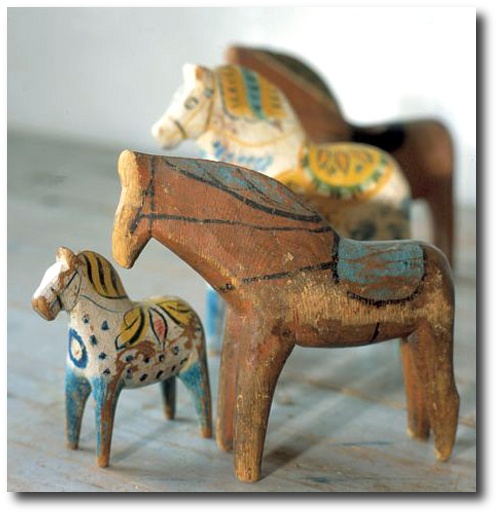
The tiny horses originated in Dalarna hundreds of years ago. They were made from scrap pieces of wood and used as toys and first mentioned in writing from 1624. In the 1800s, this horse became famous and internationally known as the dala horse. Add one of these into your children’s room for a Swedish flavor.
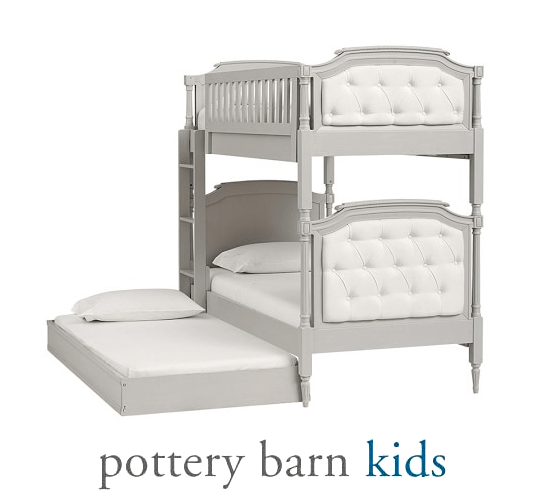 This grand bunk bed sleeps two children in comfort and style. They are quite expensive…. however don’t discount trundle beds which can house an extra bed quite nicely. Create your own beautiful bed by tufting the head board, or upholster your headboard for an updated look. Here you can see, gray always looks classy. From Pottery Barn
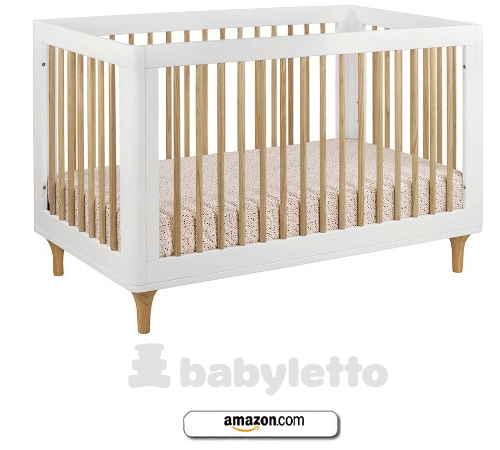 Modern can be fun! Look at this bed from Babyletto! Don’t you love it?
Babyletto Lolly 3-in-1 Convertible Crib with Toddler Rail, White/Natural – Amazon
babyletto Skip 3-in-1 Convertible Crib with Toddler Rail, Chestnut and White- Amazon
Babyletto Origami Mini Crib, Amazon
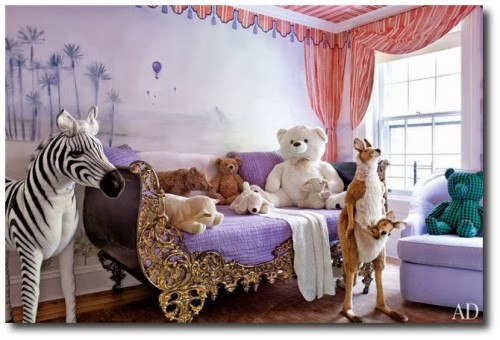
Found on architecturaldigest.com
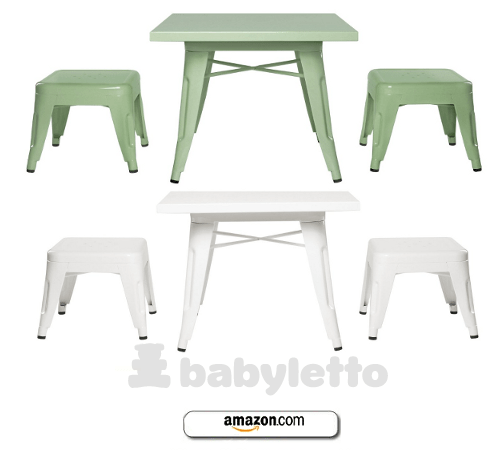
Babyletto Lemonade Playset- Amazon
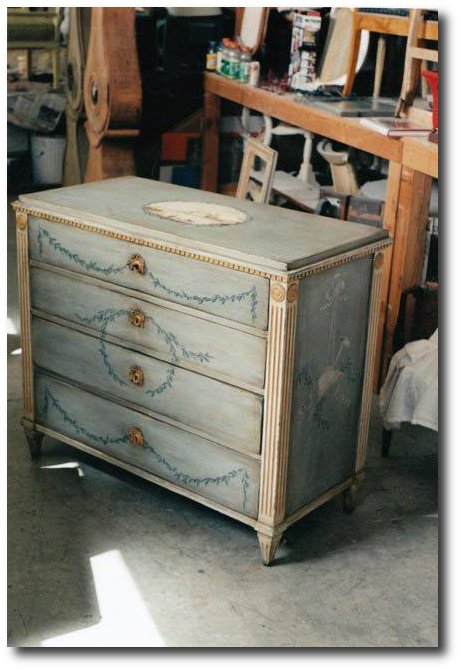
Painted garland is a classic Swedish look.
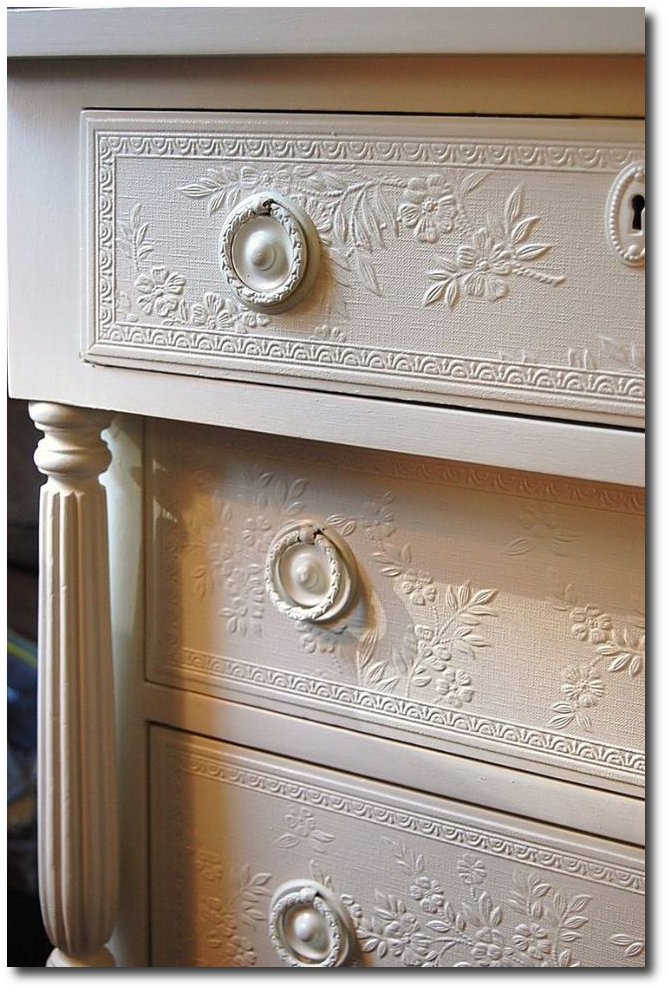
Get some ideas from this delicate and intricate design by using embossed wallpaper to decorate a chest. Seen on A Changing Nest Daniella Burnett , Found on etsy.com
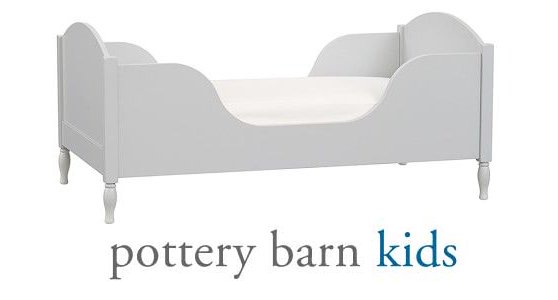 This bed from Pottery barn has the classic looks seen in Swedish kids antique beds
Shelter Toddler Bed, Found on potterybarnkids.com
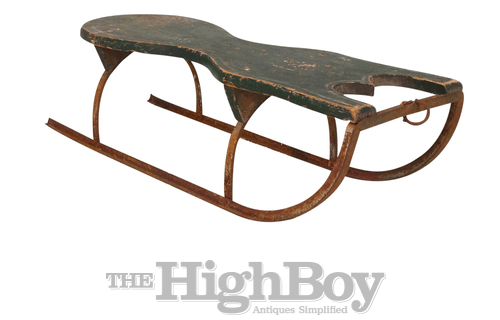
A very charming 19th century Swedish sled from Dalame, Sweden- Highboy Antiques
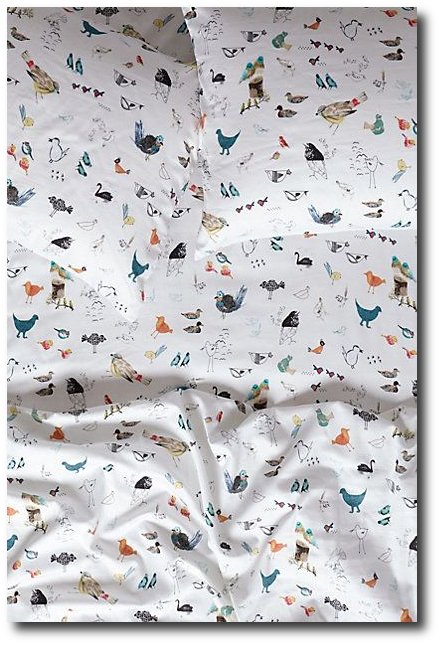
Paths Of Flight Sheet Set Found on anthropologie.com

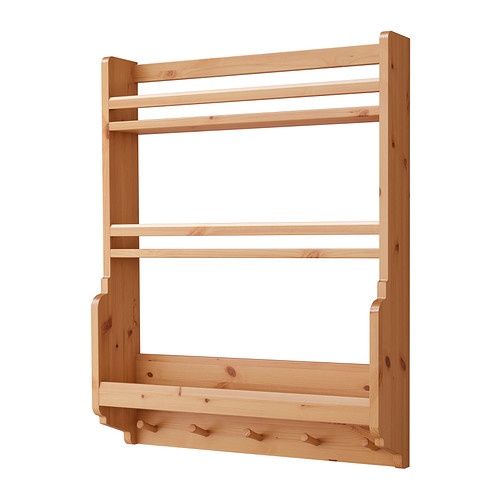
GAMLEBY Wall shelf IKEA, could double up as a book shelf
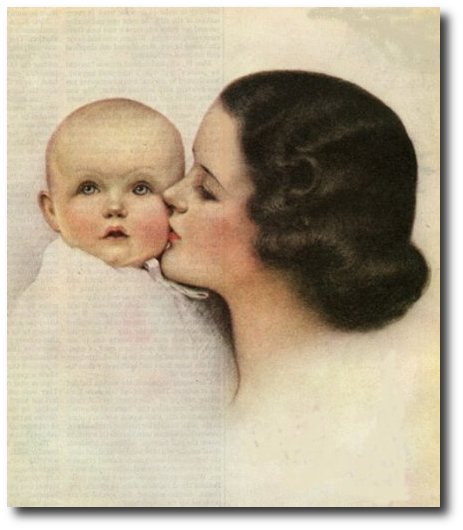
Counted Cross Stitch Pattern Chart Graph – Vintage Mother & Baby 1930s By Vintage Home Arts – $12 On Amazon
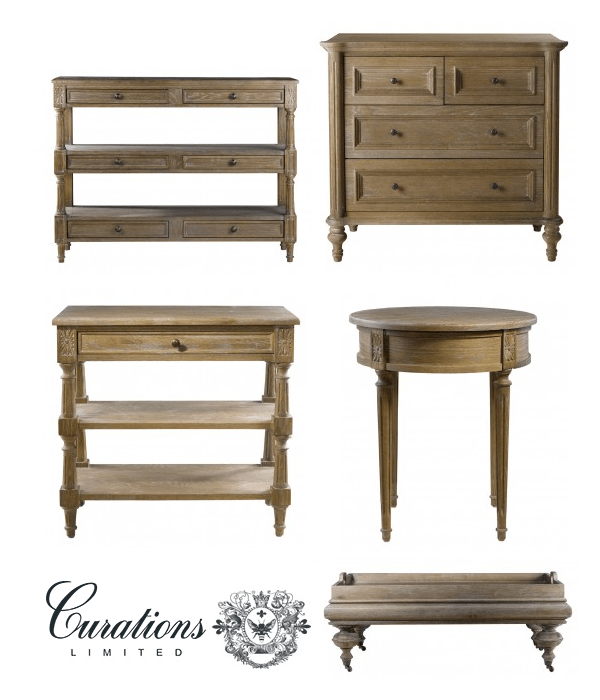
Furniture From Curations Limited.com
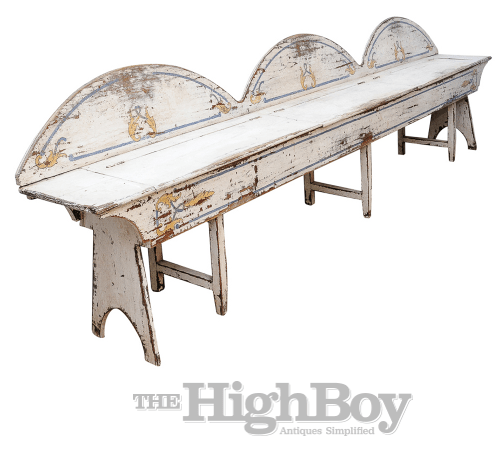
he Highboy Antiques

Swedish 19th century wooden soldier Found on bukowskis.com
Gustavian Officer, Kostymskisser | Atelje Alenhall
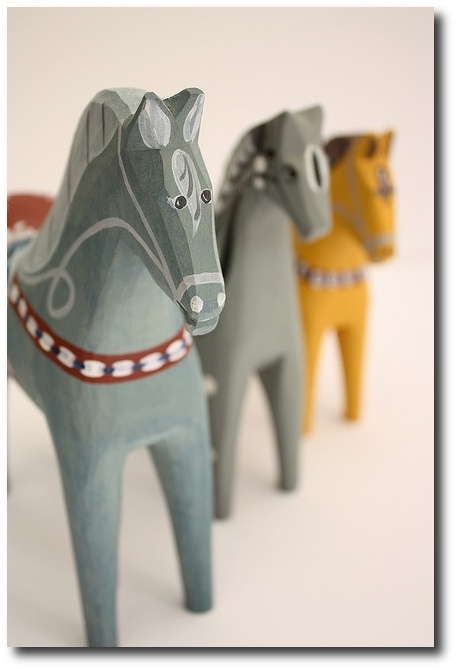
Dala Hast (swedish wooden horse) by Hart Interior photo on Flickr
Find similar images to this one on google images
 Decorate With Antique Toys- Ideas For Your Kids Room Decor
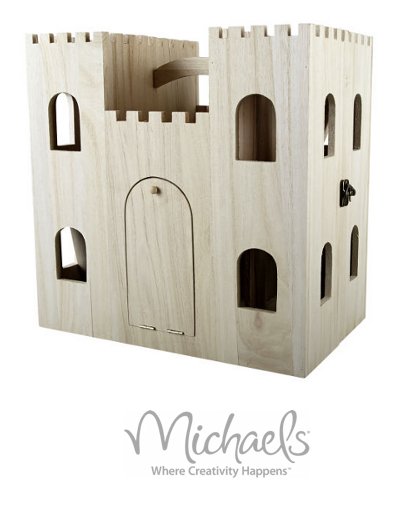 Art Minds ArtMinds™ Wood Castle Dollhouse – Michaels
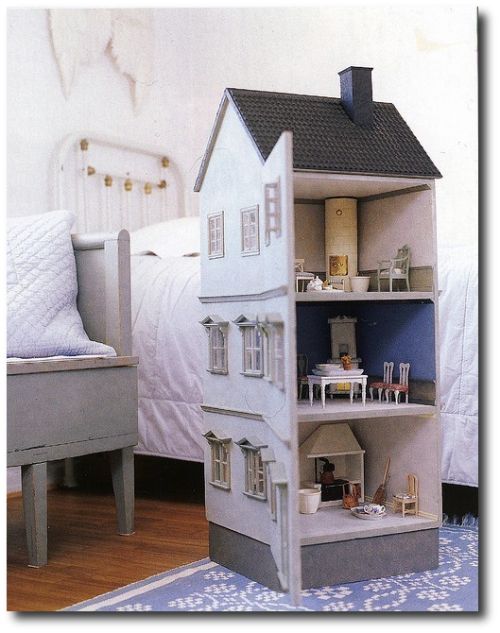
Decorate with old wood painted doll houses. As you can see this photo actually contains Swedish doll house furniture!
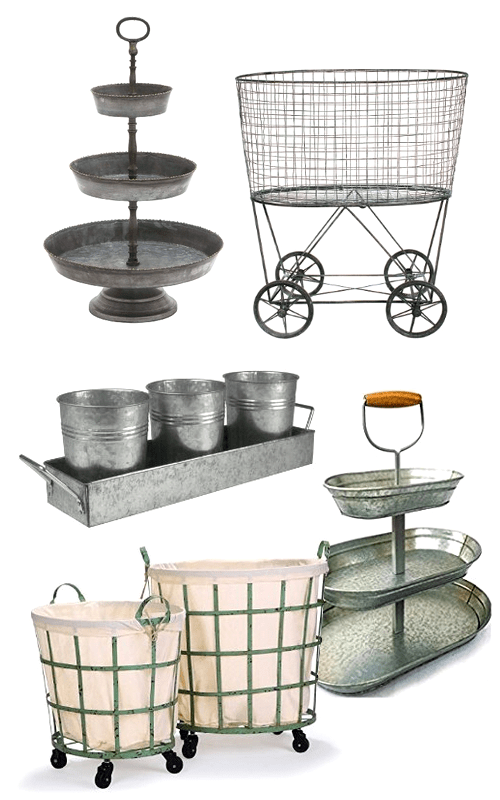 Deco 79 Metal Galvanized Tray, $81.84
Oasis Picnic Caddy & Planter Set, Galvanized Toy Buckets? $14
3 Tier Galvanized Metal Stand $52
Metal Vintage Laundry Basket with Wheels $124
Adeco Round Rolling Laundry and Storage Baskets $99+ $32 Shipping
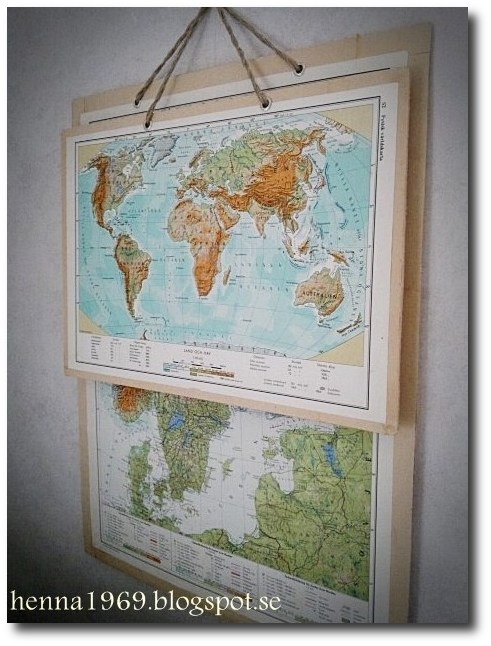
Consider layering maps on the wall by using thin plywood.
Read more on henna1969.blogspot.se
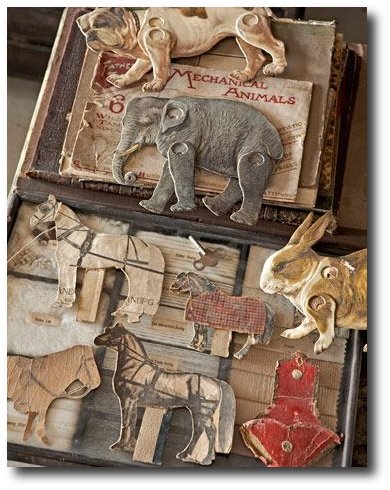
19th-century English paper animals-Found on countryliving.com
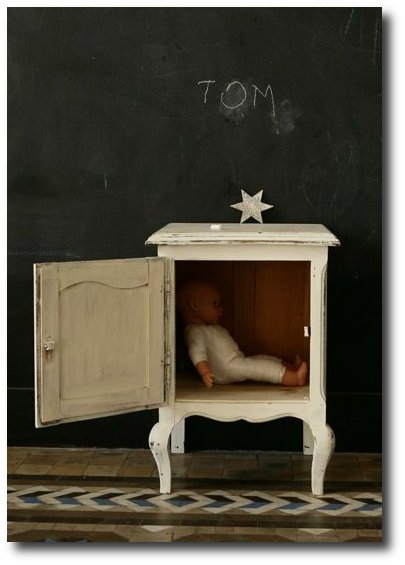
Based in Barcelona, is owned by Kathleen Boonen and Jan Dönhardt, a couple with Belgian, Dutch and German origins – Found on pirouetteblog.com
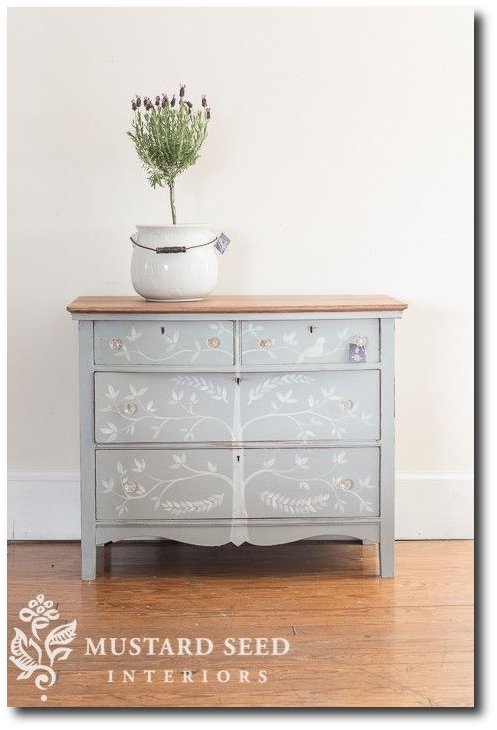
Dresser With A Tree – Found on missmustardseed.com
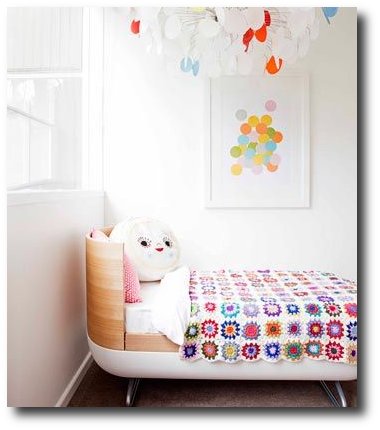 Real Living November 2010
Bring color into the room with a white based knitted blanket
All Things Beautiful Blog: Marburger Farms Antique Show
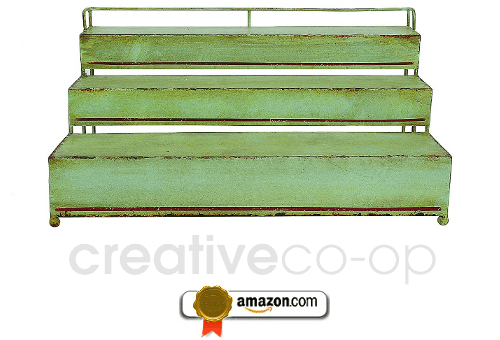 Creative Co-Op Metal Three-Tier Rack, Green $49
Perfect for displaying toys
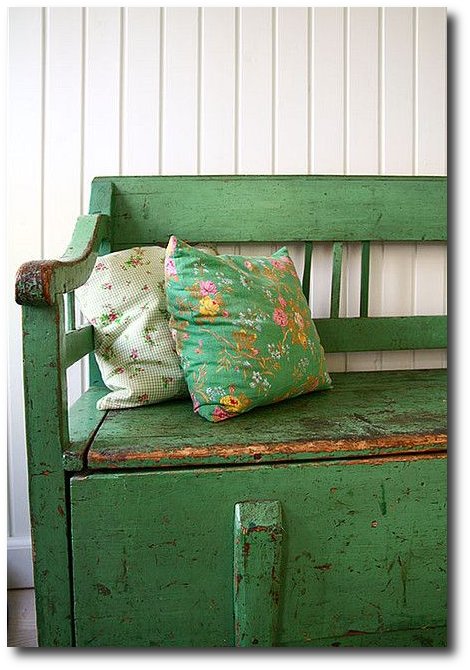
Swedish “slagbaenk” by Live Bohemian on Flickr
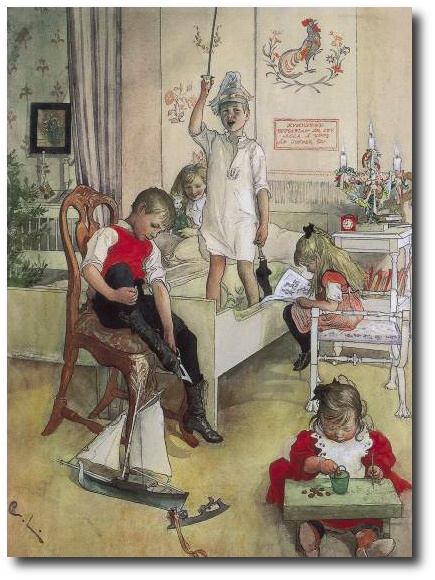
Carl Larsson 1894
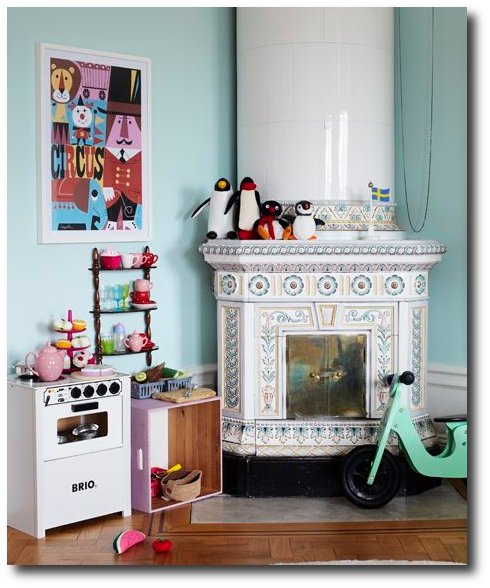
Children’s toys featured with a Kakelugn tiled stove- Found on familyliving.se
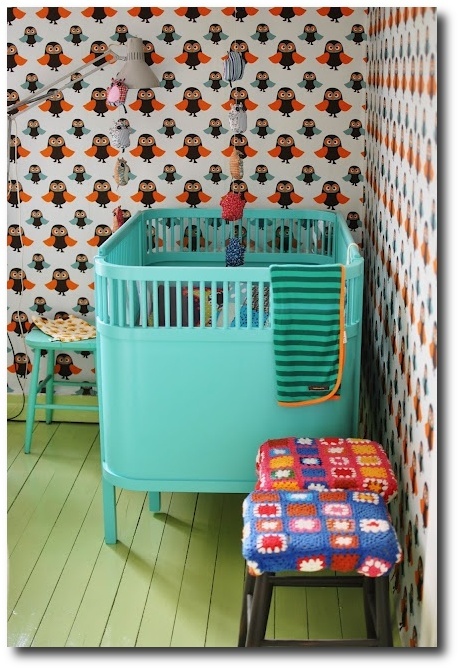
Turquoise crib – Found on in-myhouse.blogspot.se
Decorator Tricia Foley’s Signature White Interiors
If you’re drawn to simple, light-filled interiors, you’ll love the work of decorator Tricia Foley. The author of ten design books and a frequent feature in both national and international publications, Foley is known for her refined white-based interiors and her restrained, thoughtful approach to decorating. Her style is timeless rather than trendy—effortless, elegant, and endlessly livable. If you admire crisp Scandinavian-inspired spaces, neutral color schemes, and soft, muted palettes, Tricia Foley’s aesthetic will resonate deeply.
Below are a few signature elements that frequently appear in her interiors:
Stack Clear Glass Plates
Clear glassware and plates are easy to collect and surprisingly affordable at flea markets, thrift shops, and garage sales. Grouping these pieces together is a simple way to elevate a dining room hutch or style open kitchen shelving. Consider installing wood shelves and displaying glassware in the open for a light, layered look.
Embrace All-White China
White porcelain and ironstone create an instant sense of order and calm, no matter how large or small the collection. A few thoughtfully spaced pieces can make an armoire or cabinet feel curated and intentional. White dishware is also one of the easiest thrift-store finds, even in the most rural areas, where simple bowls and platters are almost always available.
Let White Walls Do the Work
White walls provide a flexible backdrop that allows pattern and personality to shine through textiles, furniture, and accessories. This neutral base makes seasonal changes effortless—introduce brighter hues in spring and summer, then transition to richer browns and deeper yellows in the colder months. Swapping pillows, artwork, and linens is an easy way to refresh your space throughout the year.
Soften the Palette with Gray
Pairing antique white with soft, powdery shades of gray creates a soothing, restorative environment. For those with busy or stressful lives, a calm home can feel like a retreat. White surfaces also help spaces feel larger and brighter—painting woodwork or lightly liming natural wood is a beautiful way to open up a room while maintaining warmth.
Tricia Foley Life/Style: Elegant Simplicity at Home-
At Home with Wedgwood: The Art of the Table
Links:
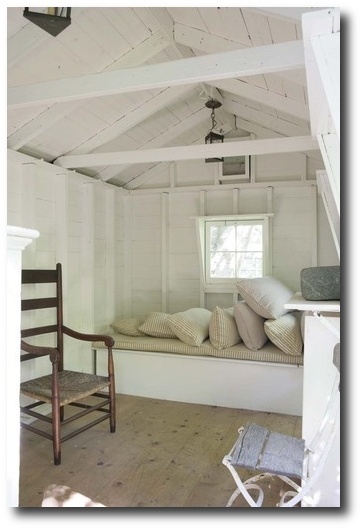
Tricia Foley’s Chicken Coop Found on triciafoley.com
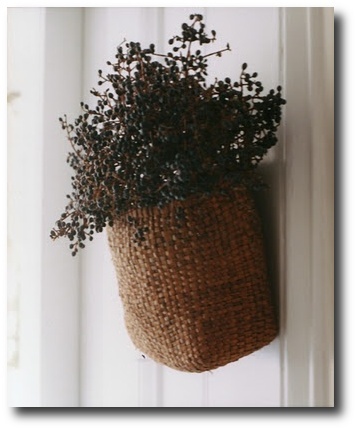
Basket with berries, Found on triciafoleyinthecountry.blogspot.com.au
10 Tips From Interior Designer Furlow Gatewood

Here are a few tips Designer Furlow Gatewood
Wood Boards On The Walls Give An Antique Appearance – “Furlow often uses simple rough boards as panels for a room. This gives texture and character that plain drywall cannot provide. In some cases, the boards run vertically with horizontal boards at the ceiling, chair rail, and base”
Work With Antique Pieces, And The Occasional Modern Upholstered Piece “Generous upholstered pieces are used sparingly”
Buying What You Really Love ” It’s certainly true that fabric houses would never get rich off him. There is not a single curtain in any of his houses he much prefers shutters or blinds. The bulk of his upholstered furniture is slipcovered in simple cotton duck, and rugs, when they exist at all are sisal or Indian dhurries or the odd antique Oriental. But the most salient quality of his “look” is that he only buys what he absolutely loves”
Great Design Doesn’t Have To Be Costly “Finally, for all of Furlow’s knowledge, for all his world travels and world-class stuff, he has never been a snob. One of my very favorite things in the whole Barn is on the drinks tray outside the bedroom where I slept. A blue liner, it fit perfectly inside a handsome silver urn that doubles as an ice bucket, and I assumed it was some fine piece of cobalt glass. Upon further inspection, it was a plastic bowl Furlow said he found at the Dollar Store, a detail that delighted him to repeat.”
Cutting Plywood Can Create Architectural Detail – The stylish entrance hall of the Cuthbert House was created by simply cutting pieces of plywood in six-by-twenty-inch rectangles. The edges of each piece of wood were beveled and installed in a running bond pattern over the drywall. This was a technique often used in American nineteenth-century Federal houses to simulate stone patterns, as dwellings were then built of wood”
Work With Brackets To Display Pictures, Pottery and Collections On The Wall – “………small pictures that are stacked one atop the other, with a bracket above to draw the eye up and accentuate the sense of grandeur.”
Turn Fabric Inside Out…Sometimes It Can Be Nicer On The Back Side ” A Billy Baldwin slipper chair is covered in fabric on the wrong side, a favorite Furlow trick”
Center A Room Around A Soda, And Work Your Other Pieces In “In each living room, the furniture is always arranged in comfortable seating groups consisting of large frame sofas and various frame chairs placed around them. He often implements period sofas and chairs with exposed legs to give the rooms a light, airy quality”
Painted Floors Can Be A Beautiful Solution” Manhattan-based painter John Campbell painted the faux marbre floors, and a grisaille wallpaper panel hangs above the console. A similar gray palate (with white) extends throughout the house. Furlow says he finds the color scheme cooling.”
Use Solid Fabrics On Sofas and Prints With Throws And Pillows To Make Them Interesting. Save Patterned Fabrics For Accent Chairs “Large sofas are covered in a solid fabric and then filled with pillows of different florals, stripes, and checks in a single color scheme. A single chair might have a patterned fabric that blends with the others”
Old Leather Is A Gem Of A Find….If You Stumble Across Old Leather, Leave It Be “If a chair has lovely old leather upholstery, it is left as is”
Additional Links:
– Furlow Gatewood – Porcelain Collection – House Beautiful
– Beautiful Interiors – Furlow Gatewood on Pinterest
– The Exceptional Houses of Furlow Gatewood | Garden and Gun Magazine
– 4.2.14 | One Man’s Folly | New York Social Diary

Living In Norway- Norwegian Life In The 18th & 19th Centuries By Elisabeth Holte
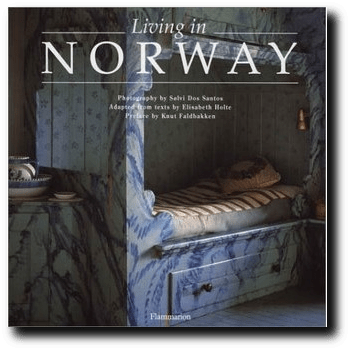 Living in Norway by Elisabeth Holte, is a book you need to look though. This book features 250 lovely photographs of Norwegian interiors which specialize on folk motifs, and countryside homes. The book is divided into the four seasons: fall, winter, spring and summer.
When it comes to antiques, this book shows them in their historical natural settings. View homes that look untouched from the 18th and 19th centuries. Many of the “hytta” or cabins found in Norway have been now turned into bed and breakfasts or museums which have kept much of the traditional interiors intact.
Look through many examples of traditional rosemaling on the walls and on the outside of the shadow box beds that show you the sheer talent of country people in the 19th century. In this book you will find a rich selection of Norwegian homes, interior and exteriors images, focusing on mostly historical homes, with the exception of one home set in the modern style.
214 pages show a variety of pictures, with a special section at the back featuring a visitors guide. While this book was published in 1999, this book is breathtaking, and be a classic example of the interiors found a long ago that we never get tired of.
Quotes I found most interesting:
On The Style Of Houses In Scandinavia “As Far back as ancient times, the Swedes usually constructed lightweight buildings with wooden facades, while the Danes, who claim practically no forests, built their (hatched cottages in stone and clay: the Norwegians built their solid valley farms of logs, one farm often made up of twenty buildings for different uses”
On Dragon Viking Style In Norway – “It was only in 1005 that Norway became a monarchy again with the coronation of the Danish prince Charles (the grandfather of the present King Harald), who came to the throne under the name Haakon VII. A renewed national consciousness was expressed in architecture and furnishings by the adoption of the Dragon style, inspired by a pseudo-Viking nationalism. As a people, therefore, we are both old and young, which explains the dominant rural trait in Norwegian culture”
On The Popularity Of Dragon Style “Dragon chairs that had been banished to the attic are now being brought down for a fresh look. The style originated in Sweden at the beginning of the 19th century and spread to Norway. The Swedes and the Danes tired of it in the 1880’s but Norwegians maintained the Dragon style and used it as a symbol of their ongoing struggle to leave the threadbare union with Sweden, which ended in 1905. Considered a pure Scandinavian tradition, totally independent of what was happening on the continent, the Dragon style was an expression of the pride of the Viking age”
On The North Summer Nights “As the days get longer, nobody wants to go to bed. In the south, it is possible to read outside in the garden until eleven o’clock at night and the sun is already up again by four in the morning. North of the Arctic Circle, the sun doesn’t set at all, creating an almost unreal atmosphere. During those ‘white’ nights of the midnight sun. time seems to stand still. In enjoy the beauty of the midnight sun at its most breathtaking”
On Rose Painting Artists “Rose Painting was distinguished as any of the country’s more widely known cultural representatives. Rose-painting was a rustic art made by local masters who traveled from farm to farm, often spending months in one place carving and painting the most magnificent interiors. The tradition of rose-painting started at the beginning of the 18th century and reached a peak towards the beginning of the l9th, surviving until the middle of the 19th century. For the owners of the houses, rose-painting was a way of expressing new-found prosperity, and farmers and peasants wanted to show off their wealth and their improved social status, much as the prosperous merchants and civil servants in the towns displayed theirs”
Norway’s Coastlines “Along Norway’s southeastern coast the climate is sometimes so mild that even herbs like thyme, cultivated on the terrace to flavour summer meals, survive the winter . One of summer’s highlights on the Sorlandet is the Trebatfestivalen (Wooden Boat Festival)
which takes place in August in the fine little sailboat town of Ris0r, whose harbour is lined with white wooden houses. Timber trade with Holland led to the creation of Risor in the 17th century, and it grew to become an important trade and ship-building port in the 18th century without ever losing its charming small-town atmosphere.”
On Rose Painting Art “Rose-painting was an amalgam of local tradition and personal style. Artists generally knew of the major artistic trends and skilfully incorporated this knowledge into their designs. Although rose-painting lagged behind stylistically in relation to the major artistic trends that were evolving on the continent, you can nonetheless find elements drawn from all the major styles—Renaissance, baroque, rococo and Empire. The leitmotif of rose-painting, the elegant, sweeping baroque tendril, could play different roles within a design, in conjunction with flowers, in elaborate geometric patterns or as a structure for other motifs;. Popular motifs included human figures (the artist might paint the farmers wife if he found her pretty enough), flowers, trees, religious scenes, and soldiers on horseback with little dogs running at their feet. Artists chose pure, bright hues to produce vivid but harmonious effects”
On Popular Antique Furniture “For two or three generations, there has been a craze for antique farm furniture and objects in Norways towns, ranging from fine and costly 18th-century tables and dressers to a more basic lyed farm table or the antique wooden bowl. It is only recently that urban antiques have started to attract attention. Mainly of these come from Sweden, Denmark and Norways southern coast, and are made From birch or old English mahogany in the Empire style. However, bondemobler, or old farm furniture, remains the most sought after type of antique”
On Artist Peder Aadnes “One of the most renowned 18th-century painters in the lowlands to the east was Peder Aadnes. He created delicate, baroque, floral designs in soft blues, but his style tended to be more urban than that of his fellow masters. When rose-painted furniture attributed to Peder Aadnes or his fellow masters appears on the antique dealer’s circuit in Norway today, you have to be prepared to pay enormous sums for a major item such as a sideboard. The colors and forms are so beautiful that you could put that sideboard in an empty room and need little else”
On Antiques In The Countryside “Even in the most modern Norwegian homes, it is unusual not to find at least one small remnant of the countries rural heritage —a bowl, a table, a rose-painted chest of drawers, or a painted dresser. (It would also be unusual not to find an example of Norway’s innovative contemporary handblown glass or pottery.) Up until the middle of this century, there was little appreciation of antique farm furniture in the rural areas and much of it was bought up cheaply by city dwellers dealers. These days, most farmers value their heirlooms—their painted beds, massive tables, rose-painted or stenciled walls—and take good care of them. On some farms, whole interiors can be works of art. Because craftsmen not only made furniture but also carved and painted entire rooms, including the bonded timber walls and the ceilings. Baroque tendrils and rococo shells adorn the massive wooden walls and beamed ceilings, while carvings of soldiers or king- with sabres drawn, brings doors to life. Many of these 18th century rooms still survive intact in farmhouses in the valleys and on the lowlands of southern and eastern Norway. Some are still used by the descendants of their original owners. Often, though, the present-day owners have made themselves modern houses next to the old ones, with luxuries such as electricity and plumbing”
Rugs Made From Scraps Of Cloth “Yli farm in Telemark is one of Norway’s finest folk art interiors, with 1797-1807 richly carved box beds and exquisite rose-painting. The lush, colourful rose-painting, rosemaling, by renowned local masters, involved far more than mere flower decorations and usually did not include any roses at all. In many valley’s dialects, rosut (rosy) simply meant decorated; rose-painting was the general name for the luxuriant rural decorative art in the 18th and 19th centuries. In the old days, weaving cotton rag rugs (left) was a way to make use of worn household textiles and clothes.”
Get the book Living In Norway, By Elizabeth Holte, Photography by Solvi Dos Santos from $12 dollars on Amazon


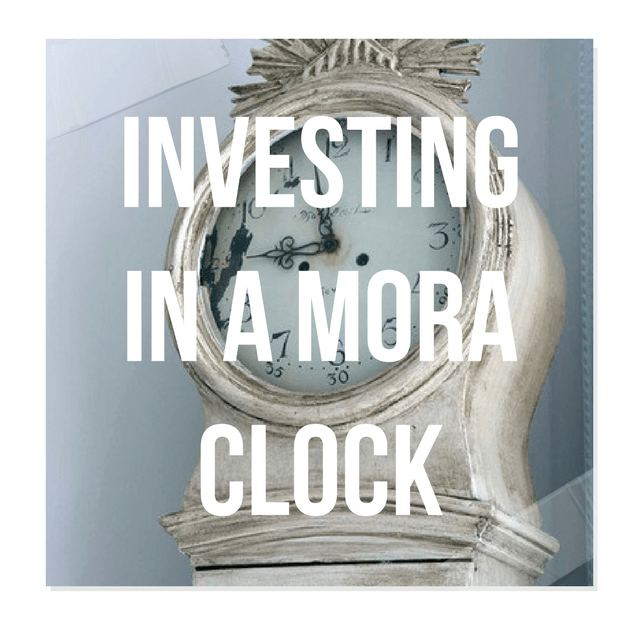
Investing In Mora Clocks – Expert Advice From Jo From Swedish Interior Design
Swedishinteriordesign.co.uk specializes in Swedish Antique Gustavian, Biedermeier, Rococo and Country Painted, Veneer and Natural Wood Furniture.
In the Homes and Antiques April 2014 Issue, Swedish Interior Design was asked to spill about Mora Clocks. Here is what they had to say:
A grandfather clock by another name?
A Mora clock is specifically a longcase clock made in the town of Mora in central Sweden during the l8th and 19th centuries.
Why there and and why then?
Bad harvests in the 1700s meant that the farmers of Mora, which was a largely rural community,
had to come up with a way to supplement their income. The pendulum clock had been invented by Dutch scientist Christian Muygens in 1656 using the sketches of Galileo so there was already something of a tradition for making clocks of this sort in Scandinavia and the cottage industry quickly developed. Each family in Mora look responsibility for making a certain part: the pendulums, the faces, the brass mechanics and so on.
Tell us about the clock’s defining features…
They are known (or their curvaceous hourglass shapes and are more often than not painted in pale greys, whites or blues as these colours reflected candlelight better on long dark evenings. Sometimes they will have ‘kurbits’ folk art designs – a form of bold, painterly decoration most
recognizable from wooden Dala horses that originate from Dalarnia, the same region that
Mora clocks come from.
How easy are they to come by?
Oddly the largest collection of Mora clocks is here in the UK. It is owned by Jo and Madeleine
Lee who run Swedish Intorior Design and have just moved their business to an old granary near Shoreham where you can find over 50 of the clocks in stock. Look out for ones marked ‘AAS’. They may well be made by the first Mora clockmaker Krang Anders Andersson whose oldest known clock dates to 1792. Be wary though, the moniker has been copied onto later clocks so check for documentary evidence of his craftsmanship.
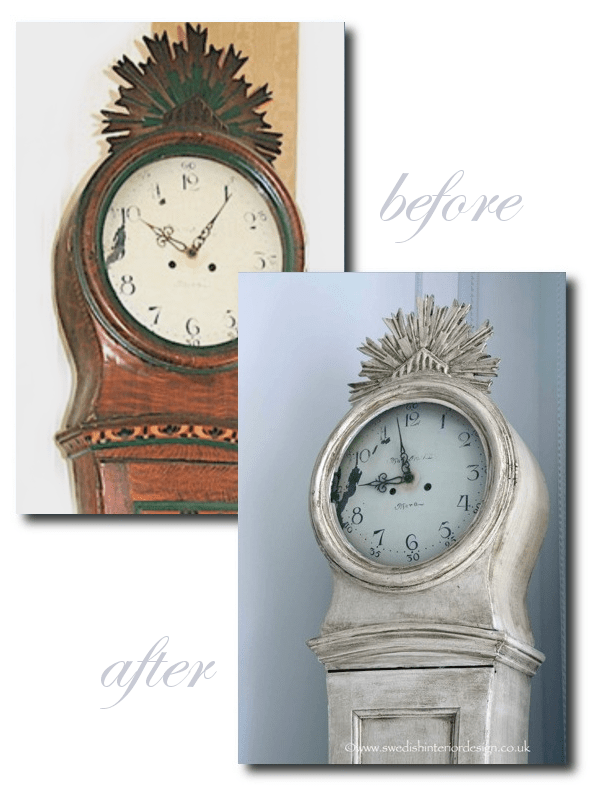
Jo spills some of his secrets of how he goes about refreshing Swedish antiques that need a facelift.
He discovered this Mora clock about many years ago, and it was one of the first pieces he found in Sweden. He loved the clock but wanted the overall look to fit into their 1886 apartment which was decorated around whites and greys.
The clock was found painted in a “Kirbits Folk Art Style…..
“It was statuesque, superbly proportioned, elegant and painted in reproduction Kurbits Folk Art style. The repaint was probably done in the early 1900s and the colours they had used and the painting style were rather garish. The original Kurbits Folk Art Style was prominent in Sweden in the early part of the 1800s and was a freehand style using feather shapes, swirls and subtle earth tome colors (reds, ochres, yellows, oranges) to create a visually sumptuous but definitely country style. You can see examples of the kurbits painting from the early 1800s by looking at the 360 degree view of the Swedish Interior Design Kitchen where we have freestanding cabinets from 1799, 1803 and so on with the original Kurbits paint.”
Jo tells us how he made this clock look antique with paint:
Step 1 – “Key the entire clock with medium sandpaper (180 grit) to allow the paint to grip and look it over to decide whether there were any bits that needed gluing or fixing. Generally I prefer to leave pieces ‘as is’ if possible rather than fix them up to much as the life they have undergone is part of their character and makes them real”
Step 2 – “Prepare The Tools In this case a variety of brushes of different sizes to allow me to get a fine coat on to the clock without filling up the wonderful crenulations and shapes on the body with excess paint. You can get very carried away with special brushes but actually we generally use pretty standard ones – my brush heads don’t have to include virgin yak tails from Mongolia! In this case I used a Craig and Rose acrylic paint (I used Regency White in the Chalky Emulsion finish), which dries nice and quick and that goes on very smoothly with a nice chalky texture. I didn’t use a primer in this case but you can if you want. Alternatively, any chalk-like paint such as Farrow and Ball’s Estate Emulsion, Chalk or Milk Paint could be used. With Chalk and Milk Paint, you would have to wax the piece and not glaze it as I did, which I will talk about a bit later.”
Step 3 – Base Coat “A nice smooth stroke with a larger headed brush to keep an even spread and smaller headed brushes or ones where I’ve cut them to an angle for getting in and under things! Always be careful not to let the paint pool or drip and consider it from several angles to make sure the coverage is good. Once I’d built up the base coat, I added 2 further coats at a slightly watered down consistency until I liked the visual texture“
Step 4 Sand “Light sand to matte the paint down a bit with 320 sandpaper and then some judicious distressing either in the right places where you would naturally get a lot of use (like the handle in the pendulum door) or for effect (to highlight a special feature). I also use a razor blade too sometimes for a different look”
Step 5 Antiquing. “Now that I like the basic color and the level of distress, I decide how and if I should antique it. When well done, antiquing really adds to the feel of a piece and can highlight its decorative mouldings, giving them a 3D effect. But if overdone or clumsily applied..awful! Many people like to use wax but I prefer to make up my own antiquing fluid using an acrylic glaze as a base. I mix the acrylic glaze with a dark brown, grey, red or yellow paint so I can create an antiquing color that matches the color tones I want to effect and it still looks like the real ‘dirt of ages’. So sometimes it’s greyer, browner, more yellow, ochre or red – whatever you need for a special job. The key is “think” where naturally dirt would accumulate and build it up in layers and once that’s done to see if you want to use it as a special effect to highlight any feature. Another light dusting with 320 sandpaper in places and then stand back and admire the handiwork”
You can see their unique collection of antique mora clocks, and other Swedish furniture by viewing by private appointment 7 days a week.
Call +44 1273734371 or visit the website at www.swedishinteriordesign.co.uk
Also, look up at Swedish Interior Design blog for more tips of how to decorate with Swedish furniture.
Follow Jo on Facebook, follow his wife’s blog Madeleine Lee.com
- Madeleine In their Swedish Home
- Picture Credit- Swedish Interior Design
- Beautiful creamy whites and golds seen in their home
- Pictures taken in their home for a fashion editorial in Coco Indie Magazine, see more at bellakotakphotography.com
- Swedish Interior Design
- Clock 1: Unique Early 1800s antique Swedish mora clock with an incredible original trompe l’oieil wreath motif and a very unusual larger head with stunning roman numeral clock face
- Clock 2: Early 1800s antique Swedish mora clock in original white paint.The mora clock is in good condition and features the makers name ‘Roth of Norkoping’ and elaborate beautiful handpanted gold curlicue designs.
- Clock 3: Very early 1800s Swedish mora clock in original paint. Incredible ribbed crown motif on the hood and very distressed but structurally sound.
- Mora Clocks From Swedish Interior Design


International Interior Decorating Magazines Worth Buying
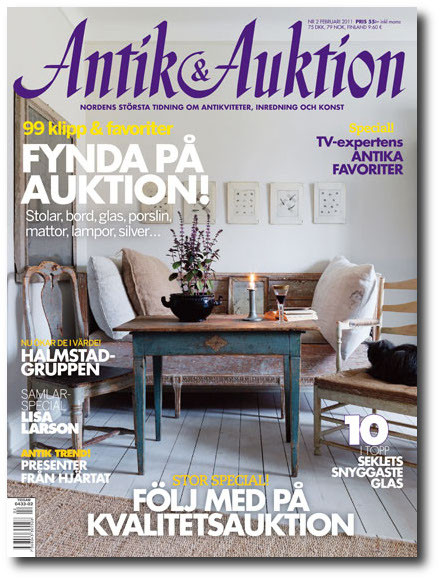
Antik & Auktion- (Antique & Auction) Antique & Auction is a great Swedish magazine which focuses on antiques and art. Experts write about furniture, silver, rugs, art and much more. Features often include auctions, fairs, and general trends around the antique market and prices.
Antik & Auktion 11 Issues For $99 On Amazon
Gods & Gardar (Gods & Farms) -The magazine that takes you to the beautiful farms, manor halls and castles that will leave you speechless. Learn about the families who have inherited and live in the countryside on these dream farms. Gods & Farms tells us how to live a modern life out in the country. For those who enjoy looking at classic style in the Nordic country, rich history, breathtaking antiques, architectural homes and lush gardens, this magazine might be for you.
Gods & Gardar- godsochgardar.se
Gard & Torp –(Farm & Cottage) is the only magazine that deals with how to renovate older homes. When was the house built, and what colors were used? Tell me about how to buy a older property without destroying the original charm? The Farm & Cottage takes you behind some of the oldest homes and gives expert advice on how they are maintained. Here you will find inspiring images of farms, cottages in rural areas.
Gard & Torp -10 Issues For $85 On Amazon
Hem & Antik – (Home And Antique) -Do you like renovations? Are you excited about antiques, yet desire to have modern amenities? DThen this is a magazine for you! Classic Home & Antique is namely the country’s first and only interior design magazine that is also an antique newspaper. In this magazine you will see furniture and auction finds, side by side with modern day furniture such as Ikea. Classic Home & Antique is published six times a year and is in Swedish.
Hem & Antik –6 Issues For $49 On Amazon
Skona Hem (Comfortable Home) Comfortable home is a source of inspiration for those who are interested in interior design. Here you will find inspiring homes in Sweden along with home décor, the latest trends, antiques and all things that involve the home.
Skona Hem- 14 Issues For $133 On Amazon
Other International Magazines To Consider:
Campagne Decoration– $44.41 ($7.40/issue) 6 Issues- Amazon
Period Living – $143.99 ($12.00/issue) 12 Issues- Amazon
Elle Decoration – British Edition- $122.72 ($10.23/issue) 12 Issues- Amazon
World of Interiors- $103.09 ($8.59/issue) 12 Issues- Amazon
Elle Interior (Sweden) $127.99 ($12.80/issue) 10 Issues –Amazon
House And Home (Canada) $21.63 ($1.80/issue) 12 Issues – Amazon
Marie Claire Maison – (France) $57.07 ($7.13/issue) 8 Issues- Amazon
House & Garden – (England) $91.63 ($7.64/issue) 12 Issues – Amazon
Homes & Antiques- $59.90 ($4.99/issue) 12 Issues – Amazon
The English Home– $32.75 ($5.46/issue) 6 Issues- Amazon
 Antik & Auktion



Swedish Council Of America Articles
DECORATIVE ARTS
- Antikhuset (Spring 91)
- Falu rödfärg (red paint) (Winter 89)
- Ferdinand Boberg (Summer 97)
- FibreWall (Spring 90)
- Gärdsgård: The Swedish Longfence (Spring 96)
- Kakelugn: Heating the Swedish Way (Summer 89)
- Loran Nordgren’s Swedish-Style Home (Autumn-Winter 98)
- Pergo Flooring (Winter 97)
- Rejmyre Lamps (Autumn 90)
- Sweden Sends Its Best (Autumn 87)
- Swedish Craft and Design in the 20th Century (Autumn 88)
- Swedish Culture in the 1980s (Autumn 88)
FOLK ART
- All Tradition is Change (Summer 95)
- Lindsborg’s Dala Horseman (Summer 87)
- Swedish Folk Art (Autumn 94)
- The Swedish Wooden Horse (Summer 93)
- When Moses Became a Swede (Spring 98)
FABRIC ARTS
- Folk and Provincial Costumes (Winter 91)
- Helena Hernmarck’s Tapestries (Autumn 92)
- Glimåkra Looms (Spring 89)
- Swedish Craft and Design in the 20th Century (Autumn 88)
MUSEUMS
- The Art of Preserving a Swedish Heritage (Autumn 97)
- National Museum: 200 Years of Art (Summer 92)
- Richard Oldenberg, Museum Director (Spring 94)
- Sweden Sends Its Best (Autumn 87)
- Uppsala’s Gustavianum Museum (Winter 99)
- The Vasa Comes Home (Spring 90)
WOODWORKING
- See also FOLK ART, above
- How to Build a Nyckelharpa (Summer 87)
- Jonsered Chain Saws (Summer 92)
- Swedish Boatbuilding in Yankee Maine (Spring 87)
- The Vasa Comes Home (Spring 90)
- Woodcarvers of Lindsborg, Kansas (Summer 92)
PAINTING AND DRAWING
- Albertus Pictor: Sweden’s First Great Painter (Autumn 93)
- America Discovers Anders Zorn (Winter 93)
- Carl Larsson and Sundborn (Autumn 91)
- Fred Somers, Swedish-American Artist (Spring 94)
- Gustaf Tenggren’s Golden Tales (Winter 87)
- John F. Carlson: American Landscapes (Spring 95)
- Jordi Arkö: A “Neo-Runic” Artist (Winter 95)
- Lindsborg and the Legacy of Birger Sandzén (Spring 93)
- Margareta Sjödin and Hanna Hellsten (Winter 94)
- Mona Starfelt: From Poems to Paints (Winter 93)
- National Museum: 200 Years of Art (Summer 92)
- Ray “Padre” Johnson (Autumn 92)
- Roger Tory Peterson (Spring 97)
- The Royal Artists of Sweden (Spring 94)
- Sweden Sends Its Best (Autumn 87)
- Swedish Culture in the 1980s (Autumn 88)
- Swedish Folk Art (Autumn 94)
- Ulla Wachtmeister’s Colorful World (Summer 94)
CRAFTS AND DECORATIVE ARTS (book reviews)
- The Book of Wheat Weaving and Straw Craft: From Simple Plaits to Exquisite Designs (Winter 99)
- Carl and Karin Larsson: Creators of Swedish Style (Summer 98)
- Carving Swedish Woodenware (video) (Summer 92)
- Creating the Look: Swedish Style (Spring 97)
- Dräktbruk och linnetradition I dalasocknarna Svårdsjö och Enviken (Autumn-Winter 98)
- Essential Swedish Style (Spring 97)
- Gamla möbler (Winter 96)
- The Magic Horse: “Devil’s Plaything” That Became a National Symbol (Winter 99)
- Making Swedish Country Furniture & Household Things (Autumn 94)
- New Swedish Style: A Practical Decorating Guide (Spring 97)
- Old Swedish Quilts (Spring 96)
- Poems of Color: Knitting in the Bohus Tradition (Summer 96)
- Porches of Pride in the Swedish Province of Hälsingland (Summer 99)
- Scandinavian Country, JoAnne Barwick (Spring 92)
- Scandinavian Country, Pamela Diaconis (Autumn 99)
- Scandinavian Painted Décor (Spring 91)
- Scandinavian Painted Furniture: A Step-by-Step Workbook (Summer 98)
- Sjutton Skansenhus berättar om Stockholm (Winter 99)
- Skansen: Traditional Swedish Style (Winter 96)
- Solveig Kristiansson, folkkonstnär (Summer 99)
- Swedish Carving Techniques (Summer 92)
- Swedish Folk Art: All Tradition is Change (Spring 95)
- A Swedish Legacy: Decorative Arts 1700–1960 in the Collections of the Nationalmuseum, Stockholm (Spring 99)
- The Swedish Room (Winter 95)
- Swedish Sweaters: New Designs from Historical Examples (Summer 91)
- A Taste for All Seasons: Cooking and Design in Sweden (Autumn-Winter 98)
5 Homes Decorated Around The Nordic Style
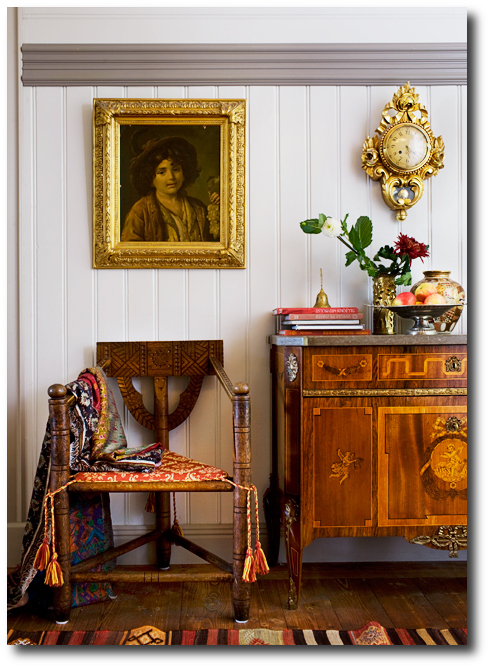
New Orleans invid Mälaren- Skona Hem
Country House Inspired After New Orleans -One hundred and fifty meters from Lake Mälaren is 1800-century house whose decor is inspired after the famous city of New Orleans. Kristina Spur found the house 11 years ago in deplorable condition. It leaked, had no electricity, water or heat. The building had been abandoned since the 1950s, and the roof was almost completely destroyed as the home had it’s original roof timbers from 1887 when the house was first built. In February 2001, she moved in with her two sons Oscar and Gustav, then 3 and 5 years old. Read more about this transformation at Skona Hem
A Swedish Seaside Home Decorated Around The Nordic Style- This Scandinavian home is surrounded by rocks and sea. The owner, Jacob is an architect followed in his forefathers steps, as his ancestor designed the the library in 1760, at the Royal Palace in Stockholm. His home boasts huge windows, which can be seen from the ocean, and lets in a terrific amount of light, and provides an open concept with the vaulted ceilings. Interior wood paneling on the walls brightens things up. The interior decor mingles the new with the old. One of the oldest pieces in the house is a rococo sofa from 1760, which was completely refurbished. Originally featured at werandacountry.pl
Granholms Estate has been named the the Manor of the year in 2014 in the Great Gods & Farms Gala. Gransholm is also Mary and Jan Åke of Trampes private homes. Granholm’s mansion, built in 1812, has regained its original beauty. With great passion and respect for the history, the family has managed to create a modern functional home while preserving the cultural history behind the home. The mansion also serves as showroom for antiques. See the rest of the pictures in godsochgardar.se
Gotland House- When Asa Hallin and Håkan Jacobsson finally got to buy the house of Hemsedal municipality 20 years ago, it was run down and in poor condition. Håkan is a carpenter by profession, and through the process of renovating the house, they enlisted the help of another carpenter, a mason and a painter. Over a year and a half, they completely restored it back to the style resembling its original condition. Read more at lantliv.com/
Restored Home Built In 1792- There isn’t a lot of information about this last Swedish home on the internet. The home is decorated with classic Swedish distressed furniture. It is unclear how many rooms are in this house, but an obvious kitchen/ dining room has a large center table, with two rectangular side tables pushed together. Off this room, is another bedroom with a twin bed, and rustic wood chair. A children’s room is the highlight of the tour, with a painted blue doll house situated on a table, with a country style Swedish bed with draperies. A stenciled floor make this room memorable. Photography Solvie dos Santos
View the pretty pictures below:




Swedish Reproduction Furniture At Solgarden

House Beautiful Magazine, 2002, Picture Credit solgarden.se

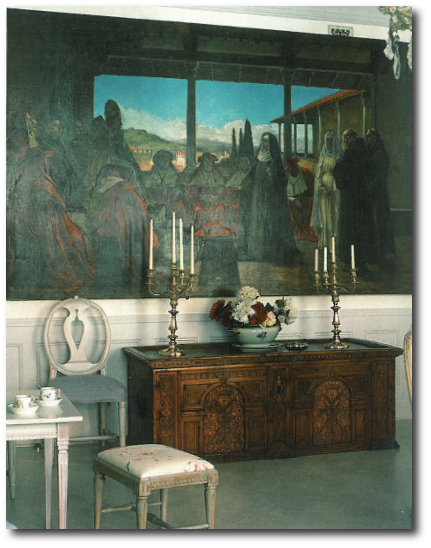
If you are looking for beautiful reproduction Swedish furniture, consider Solgarden. Solgarden has two lines of furniture, one named “classic”, and the other named “vintage”.
Solgarden Classic- This line is manufactured by a Swedish furniture maker and the timber is locally grown in Sweden. This line is inspired after authentic 1700s furniture found in Sweden. Within this line, you will find furniture inspired after gustavian, rococo and baroque styles. All of their furniture is hand painted adjacent to their store.
The pricing of the furniture includes a choice of color within their “Solgård Colours”. Their signature painting is a process that involves nine different applications. While you have the option to paint the furniture, you can also have it finished to a “worn” appearance that also gives the look and feel of antique furniture.
Solgarden Vintage- Here you’ll find beautiful pieces found around Sweden which have been restored and refreshed with paint or new fabric. Often times these pieces are one of a kind, very unique and special. If you are looking for something specific, which you cannot locate yourself, contact them, and they can do their best to locate that item. Solgarden also offers furniture painting, furniture upholstery and sewing services.
About Solgarden
The operation was named Solgarden, and was originally founded out of a yellow house. After a few years, the business grew and moved to Karlavagen 58 in Stockholm. It was in 1998 when the company changed owners, and over the years the business developed a passion for concentrating their efforts in Gustavian styled furniture, and it was there that special pieces were copied and reproduced. The level of painting evolved over the years, and the quality of the furniture just got better over time.
In 2012, Anki and Mary took over, and Solgarden opened the current store on Surbrunnsgatan 28 in Stockholm. Skilled painters and artists continue to paint furniture next to their shop, and they have expanded to also offer add one-of-a-kind older refurbished furniture along side their 1700s reproduction furniture. A customer can also take advantage of their upholstery and sewing services. If you need slipcovers made, upholstery for a chair, or settee, or bedding and drapery to be made, they can do that too.
Contact Solgarden:
- Surbrunnsgatan 28, 113 48 Stockholm
- +46 (0)8-663 93 60
- info@solgarden.se
- www.solgarden.se
This stunning feature was featured in House Beautiful back in 2002. Read all about Marianne von Kantzow’s apartment located on Strandvagen:
“Welcome to my latest love affair,” said the invitation to the launching of Solgarden’s new management four years ago; Marianne von Kantzow just abandoned her post as as a construction executive” to take the helm at one of Sweden’s premier makers of reproduction Gustavian furniture and objects. The daughter of Swedish aristocrats, she was raised in an 18th-century manor in the countryside north of Stockholm where “you could find not just Gustavian furniture but details of the style everywhere—walls decorated with painted canvas in colors such as pearl gray and decorated with swags of flowers in lovely pastels.” she remembers.
At Solgarden she offers furnishings that hark back to the years between 1770 and 1790, a golden age in Sweden during which King Ciustav III had his own love affair—with the fashions of the French court. Solgarden continues to discover antique pieces to reproduce, often with the help of the distinguished decorative arts scholar Lars Sjoberg. The company makes tables and chairs finished in the traditional 18th-century gray paint, but von Kantzow has also modernized the look of her furniture by using what she calls “Solgarden white.” This color, her trademark, is a soft “broken white” la European term for off-white) antiqued in her store’s workshop with eight layers of paint and one of wax.
Von Kantzow also tinkers with tradition in her nine-room apartment on Strandvagen, Stock-
holm’s Fifth Avenue. Divorced after a long marriage that produced five now grown children,
she left a picturesque weekend house on an island in the Stockholm archipelago and now lives
in town full time with her companion, a lawyer. “He and I have the same taste.” she reports,
although her decor is so “un-Swedish” that when she hosted her daughter’s engagement patty,
the young woman’s future mother -in-law expressed fears that her son might have to live with
Marianne von Kantzow’s aesthetic. “Swedes are generally afraid of strong colors on themselves and in their homes,” says von Kantzow. “They walk into my house and stare with their mouths open, and I can see they wish they could be as daring.”
The late 19th-century apartment overlooking the National Museum and the waterfront is decorated with the same colors that von Kantzow has used in all her houses. “I love while with other colors, preferably strong pastel tones of blue and pink.” she says, “They give love and happiness to a room.” Her color palette is both pleasing and practical. “I believe in color schemes that allow a person to move furniture from room to room without having to reupholster everything.
The apartment’s 15-foot ceilings and ample natural light are dramatic and accommodating. The piece de resistance is the drawing room, where against rosy pink walls von Kantzow has arranged two conversation groups, using her collection of signed late-18th-century furniture upholstered in pink velvet and blue period documentary fabrics. Anchoring two opposite walls, she has hung paintings close to her heart, one of her great aunt, the other showing a view of her beloved archipelago.
For the formal dining room she painted a forthright Wedgwood blue on her walls, along with Solgarden white for the panels. Two pieces immediately attract attention: a 19tg century cut-glass chandelier—a copy of one made for the Austrian empress Maria Teresa—and an 13th-century Dutch cabinet housing pan: of von Kamzow’s china and silver collections. Most of the dining chairs are 18th-century originals.
Von Kantzow- shows her playful side in the kitchen and study. The former took its surprising lime and pink accent colors from the heating stove installed at the time of the buildings construction. In the latter, von Kantzow uses a shack of sorts, complete with roof and trompe l’oeil scenery, as a walk in closet.
If only von Kantzow could enjoy her urban oasis more often. Like any good enterprising Swede, she works long hours—sometimes seven-day weeks. Fortunately her soothing yet stimulating shop makes up for it. Customers, she says, “come in and say things like ‘All this whiteness makes me calm,'” and they tend to stay a while, conversing deeply with strangers.
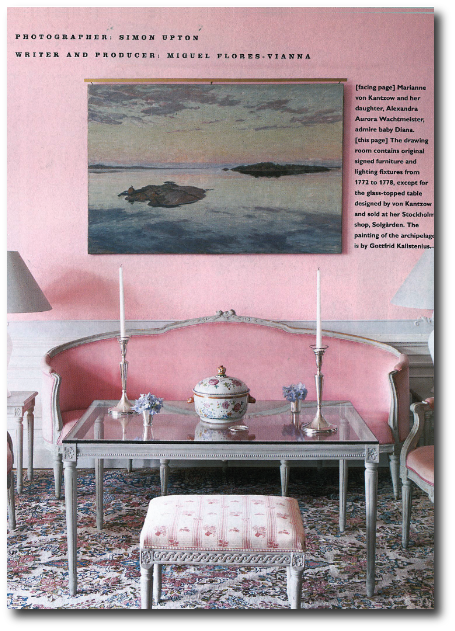
House Beautiful Magazine, 2002, Picture Credit solgarden.se
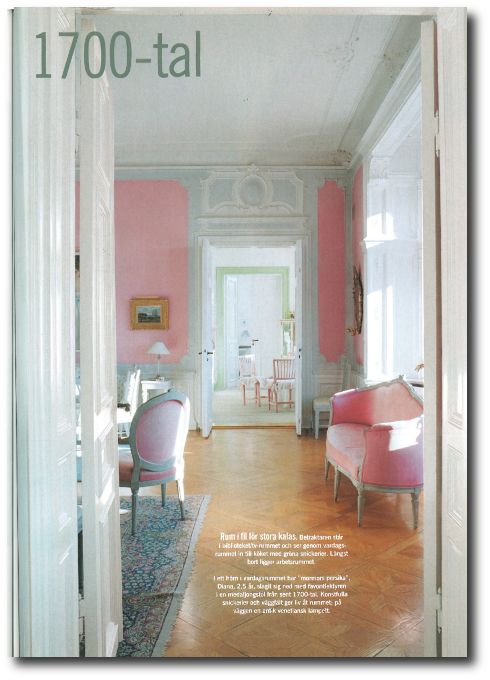
Pink Gustavian Interior -SKONAHEM
2004 Picture Credit solgarden.se
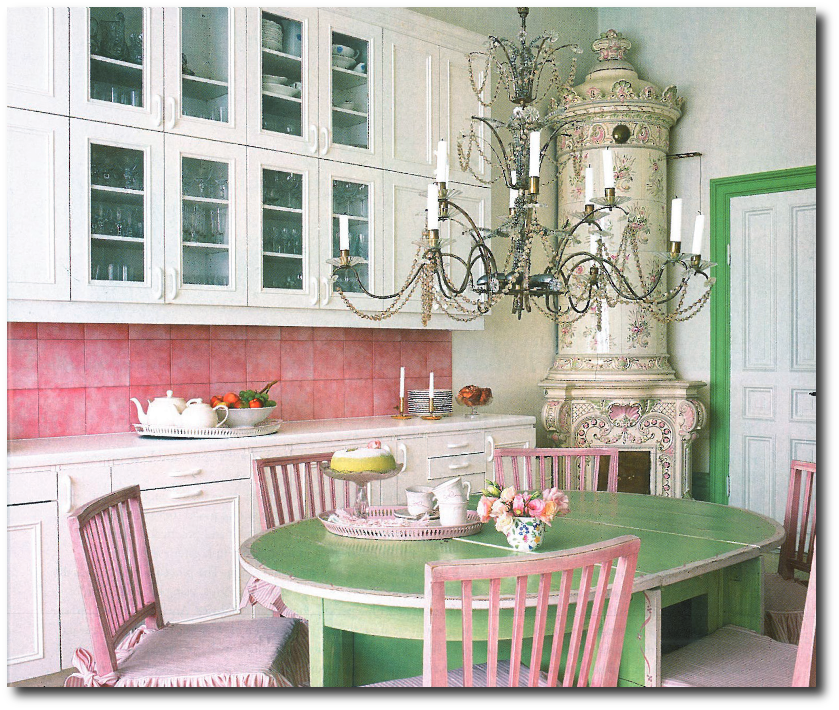
House Beautiful Magazine, 2002, Picture Credit solgarden.se
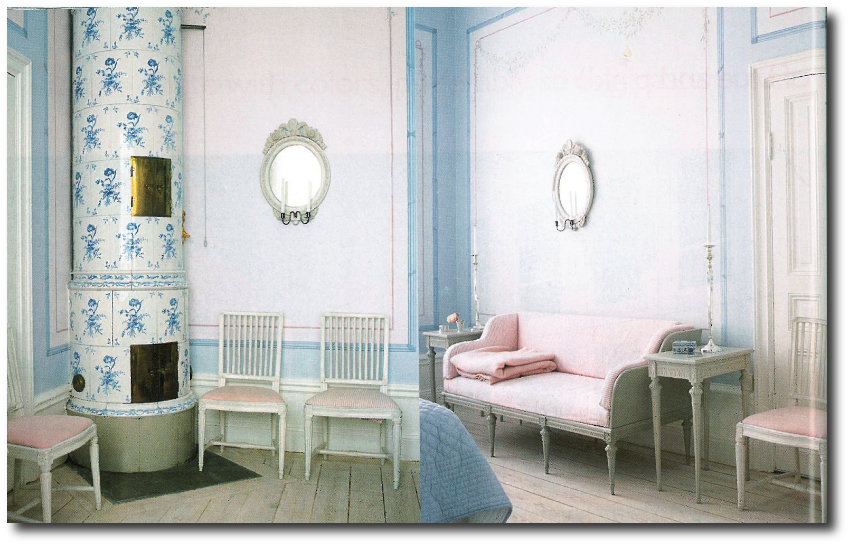
House Beautiful Magazine, 2002, Picture Credit solgarden.se
Pink Gustavian Interior -SKONAHEM
2004 Picture Credit solgarden.se
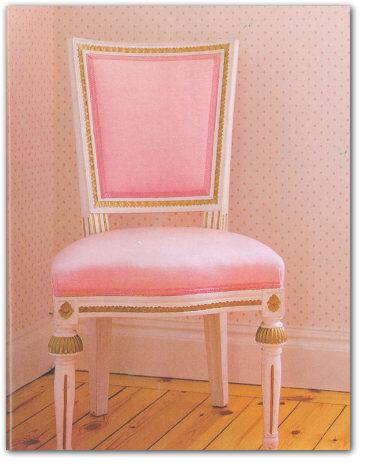
Pink Upholstered Gustavian Chair- GODS & GARDAR
2004 Picture Credit solgarden.se
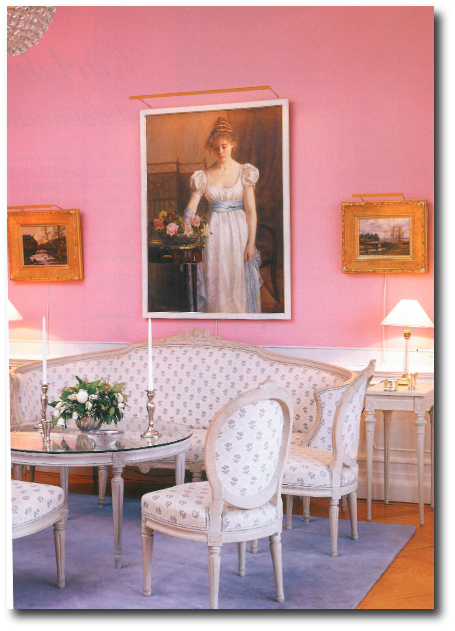
Gustavian Room – BAZAAR
2002 Picture Credit solgarden.se
Swedish Interior, Designer Marianne von Kantzow Seen In Hem & Gardar Magazine, Featured At solgarden.se
More Picture Credits :
- Baby Swedish Toys In A Nordic Styled Interior – Picture Credit solgarden.se
- Swedish Interior, Designer Marianne von Kantzow Seen In Hem & Gardar Magazine, Featured At solgarden.se


Behind The Rundale Palace in Latvia
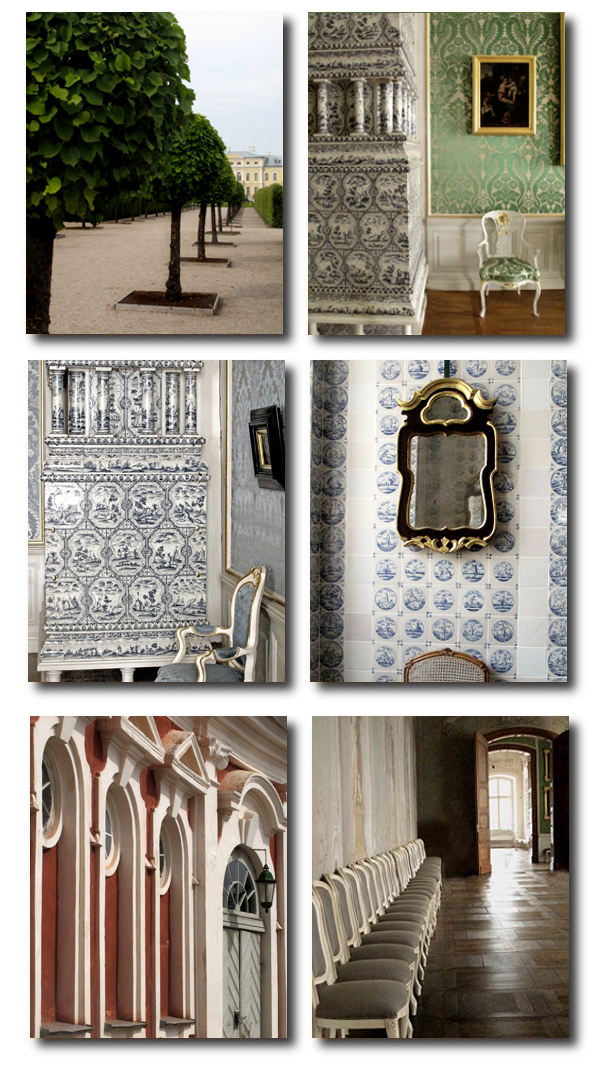
This week we’re visiting Rundale Palace in Latvia, newly restored to former glory. I can’t wait to go there.
This summer, New York-based photographer Christopher Flach discovered this world-heritage Latvian palace, Rundale. I had been aware of this baroque treasure, and knew it was undergoing major restoration. Chris was there just at the right moment.
Rundale, built between 1736 and 1740, is important because it paints a vivid portrait of the period from 1730 to around 1812. Rundale graphically embodies the world of an international coterie of eighteenth-century architects and craftsmen who traveled from one job-site to the next in Europe. These talents worked on palaces and museums for the Russian and Swedish and Latvian kings and czars and queens and empresses and nobles in the late eighteenth century.
Rundale Palace is one of the most outstanding monuments of Baroque and Rococo art in the Baltic region.
Read more at the thestylesaloniste.com