Aidan Gray’s Swedish Furniture Line
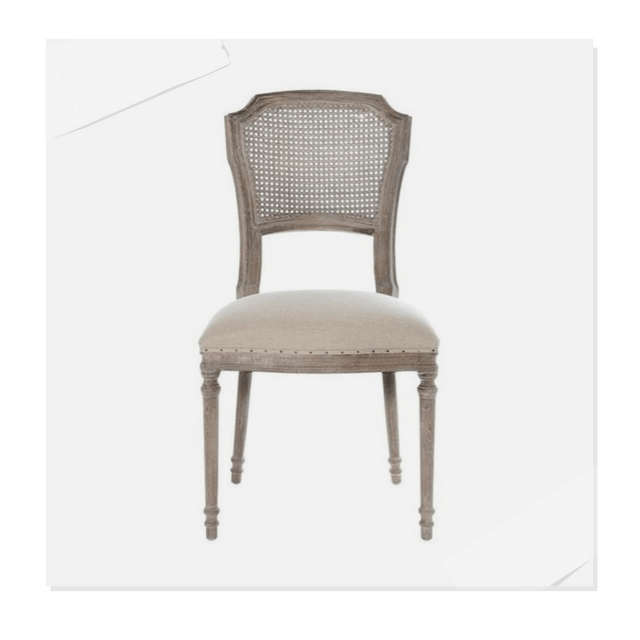
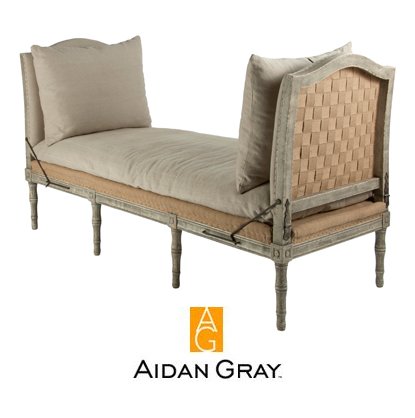 Founder and head designer of Aidan Gray, Randal Weeks has a thing for European design and Swedish furniture. The Aidan Gray line represents everything that encompasses old world design and aesthetics. Products are made-by-hand with natural materials such as solid wood and rustic metals.
Aidan Gray is quickly becoming known for their architectural looking decorative accents and their reproduction antique furniture. Not only do they carry beautiful antique-looking furniture, but the finishes are extraordinary. Their furniture is finished using old world painted finishes and classic distressing techniques. Multiple layers of paint, glaze and waxed finishes are often skipped with most retailers as they become tedious and ridiculously expensive for most companies to make a profit, which has opened up the door to niche companies such as Aidan Gray, Barreveld, Uttermost, Restoration Hardware and Wisteria. Furthermore, being a faux painter myself, it also takes quite a bit of practice to get these antiqued painted finishes looking just right. You need the right paint combinations, because as you add paint, the overall color changes, so I appreciate a line which goes the extra mile.
Painting can be tremendously rewarding, but also quite a lot of work especially when layers of paint are involved, so it is especially nice to see a company provide the extra finishes which give more of a worn antique appearance. The best thing about Aidan Gray is YOU can sell their line, and open up your own small business.
Many retailers who sell shabby and rustic antiques tend to bring in Aidan Gray in amongst their antiques because the line brings forth more of the authentic paint finishes that are often found in Europe. In fact, many small business are even selling on ebay from the comfort of their homes instead of having a store front. Many blogs have sprung up featuring furniture staged in homes with price tags and additional pictures about the furniture which are ultimately connected with “but it now” on ebay.
Ebay has been the fastest growing online outlet, which many sites such as Esty have tried to match, that it is foolish for a small retailer not to be listed on ebay. Paypal, and Amazon have gained the peoples trust when it comes to personal securitythat most people turn to them when they decide what retailer to purchase from. Today you see big mega stores such as Target selling on amazon because that is where the people gather today. With such a niche line such as Swedish furniture, who would have the time to drive across the country to visit a specialty store? Check out some of Aidan Gray’s beautiful Swedish looks for your home, and possibly for your future store.
The Best Swedish Looks From Uttermost Furniture
You have most likely run across some of Uttermost’s ads as they have been featured in some of the most popular home decor magazines. Their ads instantly draw you in with their stunning selection of lavish home decor, and adorable family pets. Who doesn’t love little Tilly posing in front of a glamorous mirror, which could be in your home. Bob and Belle Cooper founded The Uttermost Company in 1975, and it is still 100% owned by the Cooper family, as Mac Cooper is the CEO (who you also see in the ads), while Taz Cooper is the VP of Sales.
The company manufactures decorative home decor and accent furniture and has been in business for more than 33 years. The family owned and managed company has approximately 290 employees working out of its Rocky Mount location and has a sales force of 120 representatives throughout North and South America, Europe, Asia, etc. Their product lines consist of mirrors, art, clocks, lighting, accent furniture, and accessories. They feature a wide mix of contemporary home decor but also feature many pieces for period style decorating. The first time I found their ad, I was blown away with the painted finishes which are typically found on antiques. Looking at their wide assortment of decorative pieces, they have truly incorporated a lot of different selections that could go into a wide range of styles. The select few reproduction pieces often feature exquisite faux painted finishes that would work really well in a Swedish decorated home.
- Uttermost Midnight Botanicals Wall
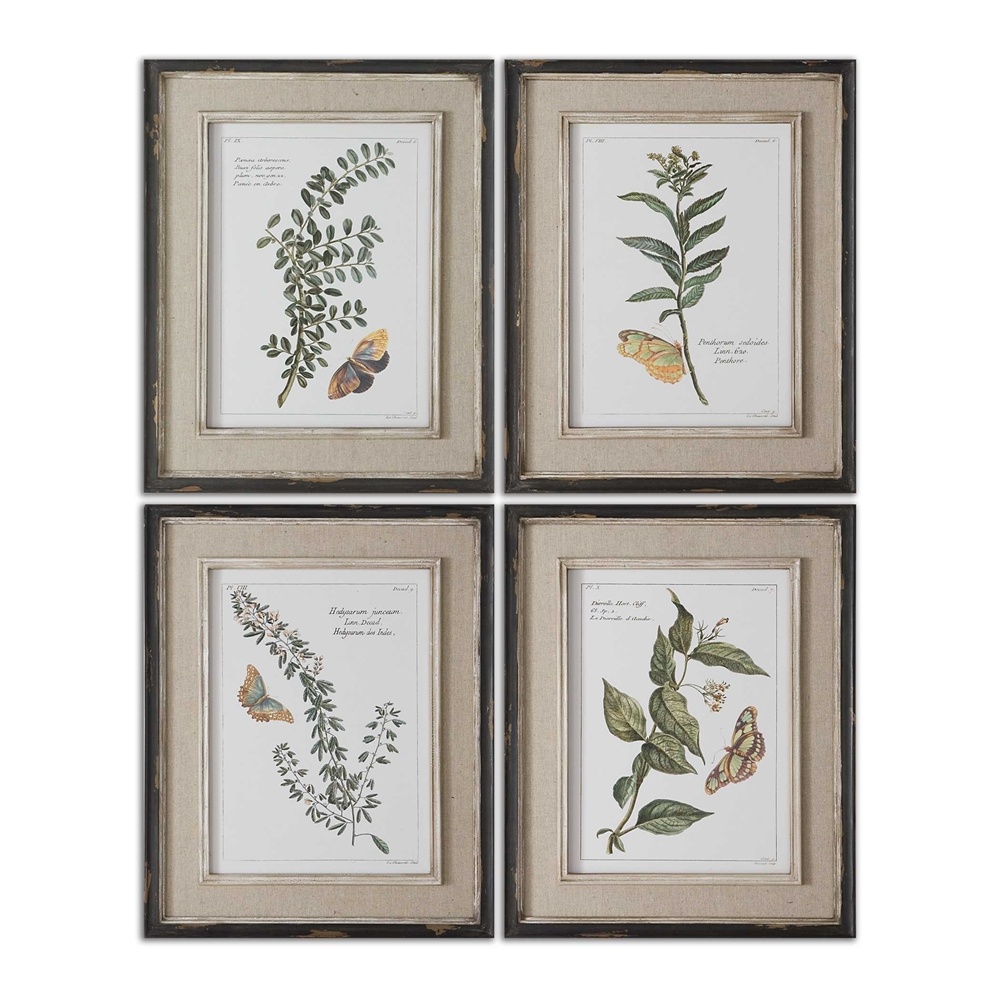
- Uttermost Butterfly Plants Framed
- Uttermost Moth Orchid Planter
- Uttermost Retonja Accent Table
- Uttermost Bozeman Distressed Blue Frame
- The Garin Mirror which is a classic Robert Adams reproduction and features an ornate frame which is heavily antiqued with gold leaf, and then finished with a dark gray glaze. This sells for around $250 on Amazon This neoclassical looking side table is one of the nicest in their stock and could go a long way in a Swedish inspired room. This table features antiquing on iron frame with iron cross stretchers. Top is reinforced mirror and gallery shelf is clear tempered glass.
- The grand Domenica Wall decor is quite large as you can see in their above ad. It features heavily antiqued mirrors accented by ornate framing finished in lightly distressed chestnut brown with a heavy gray glaze. It ranges in price from $480 from Uttermost to $657 from other companies on Amazon
- Uttermost Fortino Clock Table in Sun Washed Patina has a stunning washed patina finish. The table is made from both fir wood and MDF construction, in a rottenstone glaze. The clock is distressed walnut brown with antiqued gold accents under glass. The overall dimensions: 24.25″ H x 24.25″ W x 24.25″ D, the weights & dimensions:
Unspecified 24″H X 24″D X 24″WUttermost Chesnee Accent Table is featured in a black finish, and made with a birch veneer and solid poplar turned legs. The finish has been distressed to show wood grain. The overall dimensions: 28.75″ H x 20″ W x 16″ D. The weights & dimensions are 20 lbs 28″H X 16″D X 20″W - Uttermost Achatius Table Lamp in Maple Wash is distressed in a maple wash finish. The table is finished in a crackled metal details, silver highlights, and aged black accents. Uttermost Achatius Table Lamp comes with an oval shade in silkened golden champagne textile with scooped corners and mitered creases. The overall dimensions: 33″ H x 7″ W x 11.88″ D, the weights & dimensions are10 lbs 33″H X 11″D X 7″
- Uttermost Affleck End Table, features a distressed ash finish. The end table is both a MDF and wood construction . The top is finished to show natural grain. The overall dimensions: 27″ H x 22″ W x 22″ D, the weights & dimensions 27″H X 22″D X 22″W
- Uttermost Leaf Botanical Study Framed Print Set features a set of 9 framed prints. Frames have champagne silver leaf base with a gray glaze and light black distressing. Designed by Grace Feyock, the overall dimensions: 13″ H x 11″ W x 1″ D , weights & dimensions
34.26 lbs 13″H X 1″D X 11″W - Trumeau Mirror from Adalina collection. This trumeau mirror is heavily antiqued with gold leaf with burnished edges. It features a dark gray wash and dark chestnut brown details. The trumeau mirror has ornate vine and shell design details. The designer is Grace Feyock, and the overall dimensions: 68″ H x 29″ W x 2″ D, the weights & dimensions are
27.4 lbs 68″H X 2″D X 29″W - The Avidan Mirror, 3 Panel Screen, Amiel Arch, and Amiel Large Arch are all beautiful. This stunning mirror features a narrow metal frame finished in heavily antiqued gold leaf with antiqued style mirrors. This Avidan mirror was designed by Grace Feyock, and heavily antiqued gold leaf finish. The overall dimensions: 80″ H x 29″ W x 1″ D, the weights & dimensions:55 lbs 80″H X 1″D X 29″W



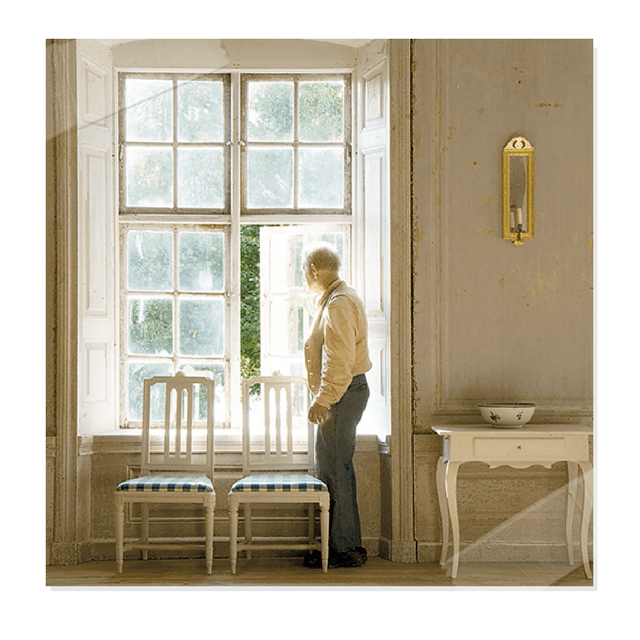
Book Review: Lars Sjöberg’s The Swedish Room
Lars Sjöberg is well known for his Swedish guides on Gustavian interiors and 18th and 19th century Swedish furniture. Sjöberg is a curator of the National Museum of Stockholm, and is author of several books : The first one being The Swedish Room (Creating the Look) published in 94, then L’Art de vivre en Suède, (2002), and his most current book Classic Swedish Interiors published in 2010Lars Sjöberg has made it his life’s work to preserve Swedish manor houses that originated out of the 17th and 18th centuries.
Over 40 years he has acquired over 10 homes from around Sweden. His most current book – Classic Swedish Interiors published in 2010,focuses on Sjöberg’s most complex project: the manor of Regnaholm. The home was unoccupied for about 40 years when Sjöberg arrived in 1966. This home was his first allowing him to experiment with refurnishing and copying old Swedish furniture. Odenslunda, a small manor from the 1770s details an exquisite panelled exterior and is said to be his family home. Sörby was a renovation which was a 17th-century manor house, reproduced in its entirety for an exhibition in Stockholm.
Well known for his in depth knowledge about Swedish history, he has transformed many grand homes around Sweden with the help of his wife Ursula, and father whom was a metal smith and skilled in the carpentry trade. He told The Telegraph that as a young child his mother would read to him the history of Finland and Sweden and for his 10th birthday he was given his grandfather’s book about Sweden’s palaces and manor houses which fueled the fire for collecting historical furniture and restoring anything Swedish. In the 1990’s he designed a Gustavian collection for the Swedish company Ikea. The Ikea collection was designed with his help, and being that he was involved with the Swedish National Museum in Stockholm, he was the perfect go-to-guy.
The Swedish Room” written in 94, with his wife Ursula is still one of the very best books on Swedish decorating and remains current considering it is more than a decade old.
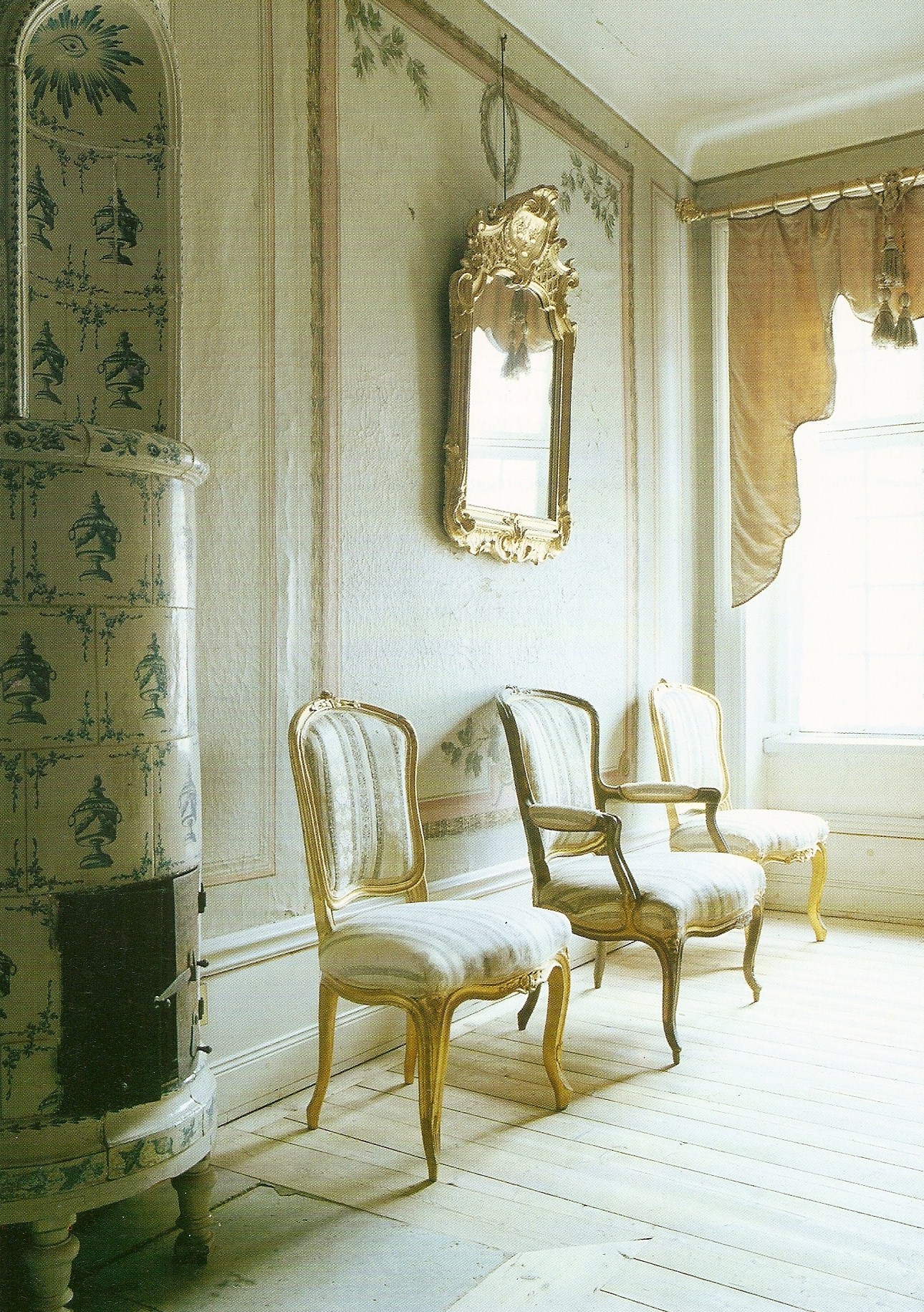
This wonderful book features 192 pages of great attention to detail of the many ornate finishes found in Swedish decorating. This book is a must have for any decorative artist or faux- finisher.The interiors selected for this book are simple ones with soft color schemes, washed plastered walls, pickled floors, and certainly authentic 18th century interiors. The homes all feature a cleaner, pared-down look with not a lot of clutter which you would normally see see in french homes, but rather very carefully selected objects that are neoclassical in nature. Sjöberg features stately homes, which appear to be palaces or mansions in nature, but with simplistic interiors and basic elements. Swedish impressions from farms and cottages with higher end furnishings can inspire any person who is after the grander looks but with a natural appeal.
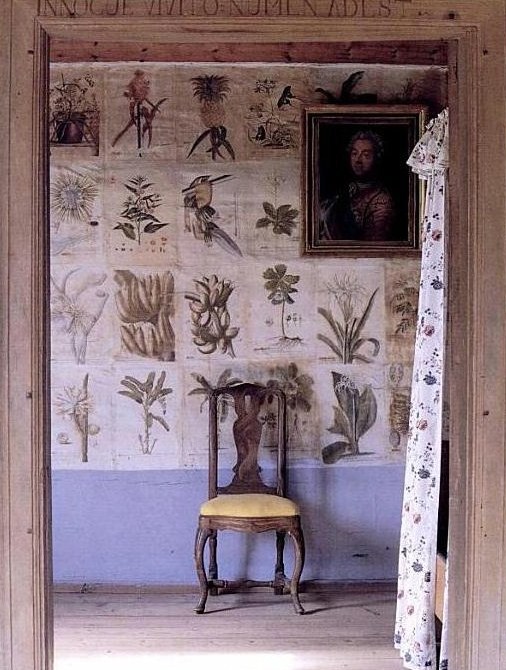
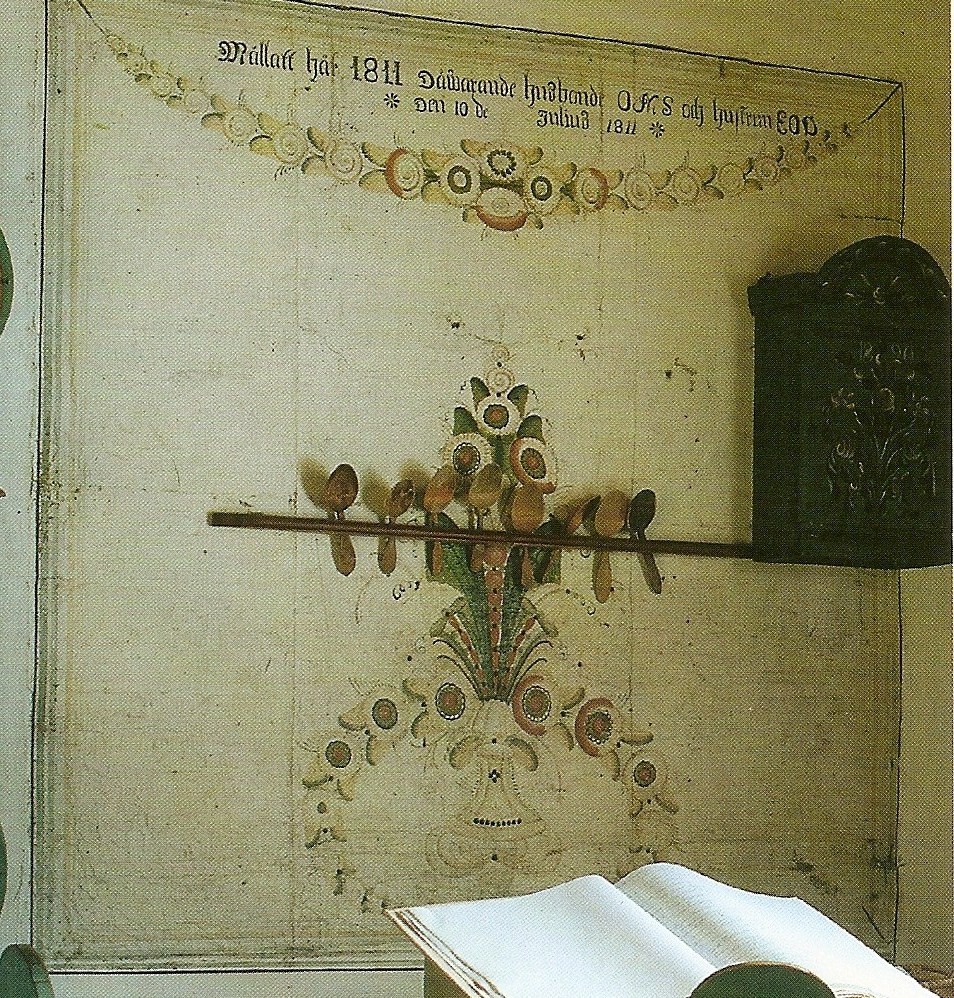
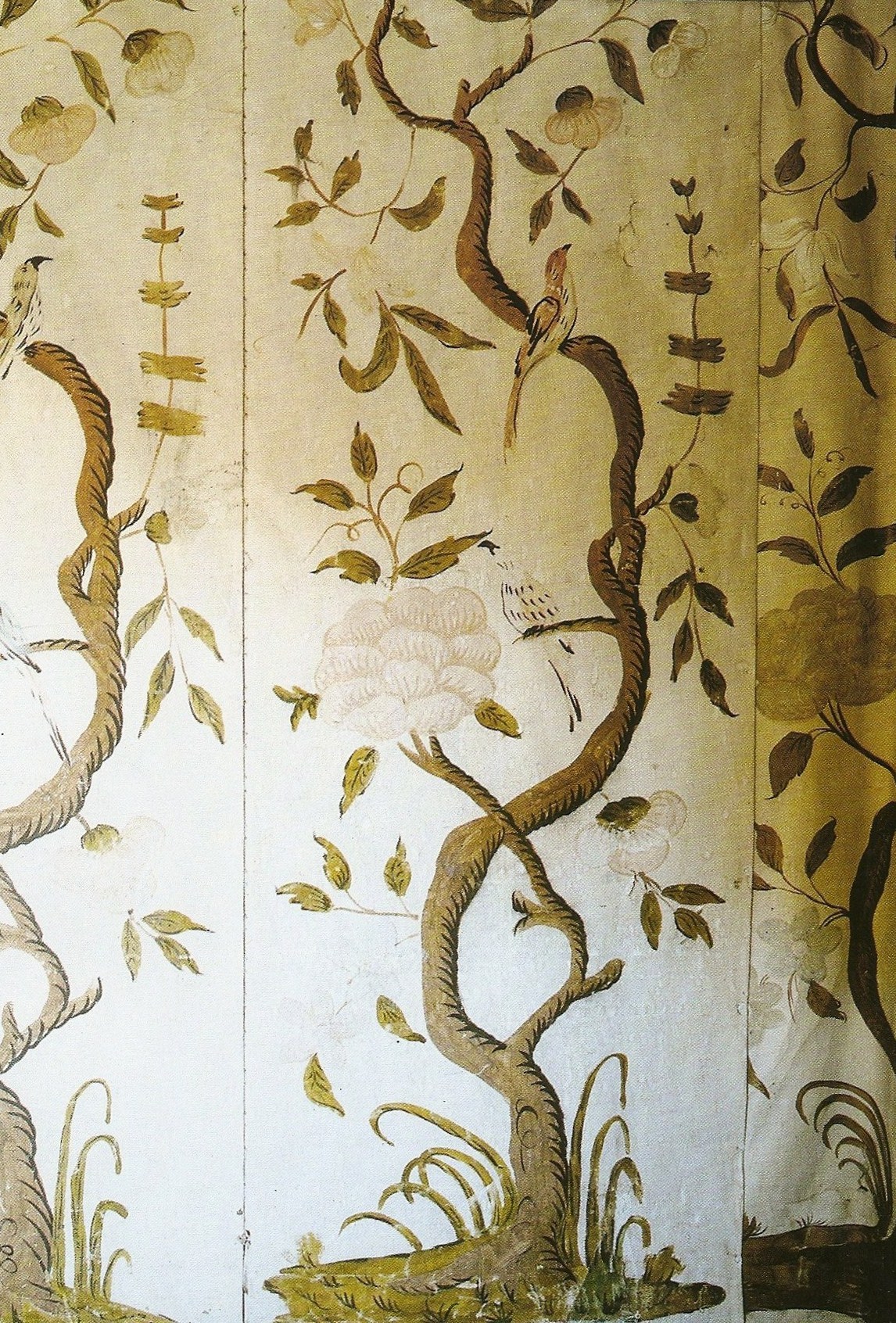
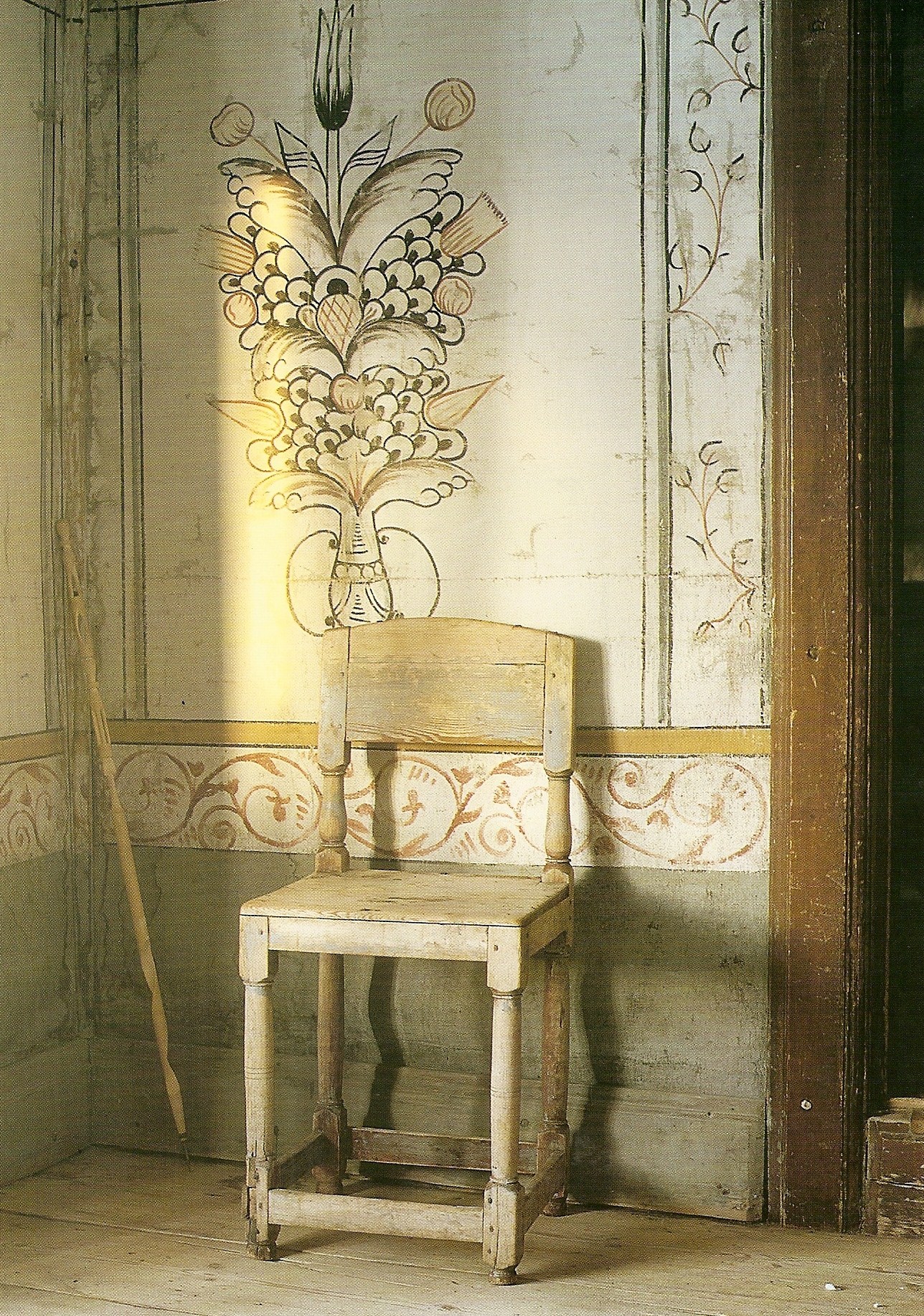
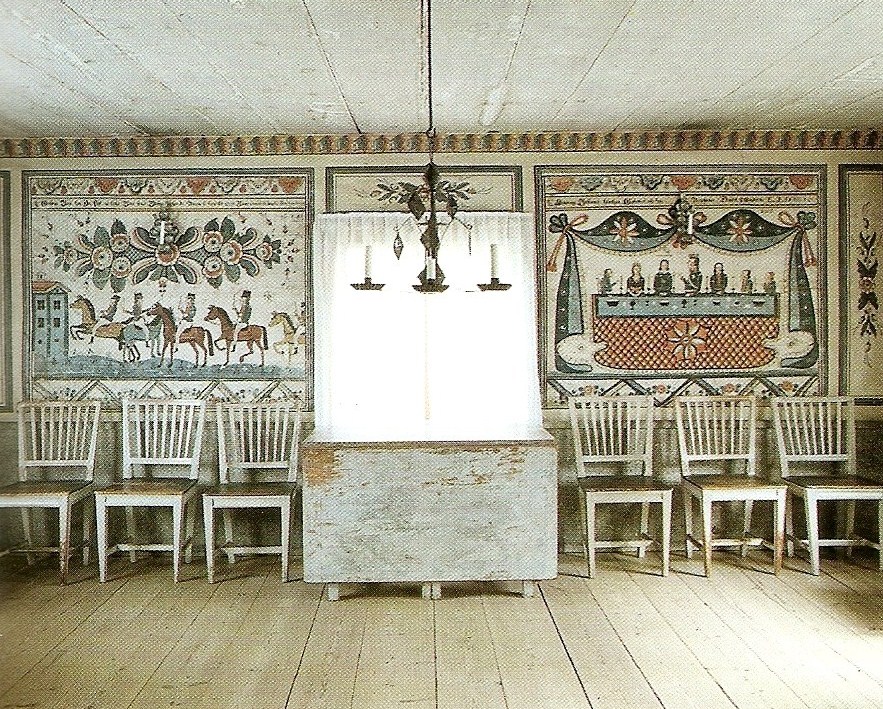
The most impressive of this book is his Ekensberg home which is located on the banks of the Lake Mälaren, about 40 km away from the Swedish capital Stockholm. This three-story Italianate villa built in 1788-90 feature some of the most stunning pictures. One in particular shows a time capsulated finish after layers of wallpaper were removed which revealed late eighteenth century decorations. (See below) The walls were originally covered in a linen which provided a perfect base and smooth surface for painting. The house was built and finished in neoclassical style during the time after the return of king Gustav III from Italy 1784. Lars Sjöberg has continued renovating this house since 1976 and says the work is never finished!
The book is split up into 5 main sections detailing specific periods of Swedish history.
Section 1- The Stirrings of International Style discusses the impact of the French and Italian Baroque of the period between 1640-1720.
Section 2- New Alignments discuss the Late Baroque and the Influence of the Orient, and England through 1720- 1750.
Section 3- Progressive Refinements discuss the spread of the French Rococo throgu the period of 1750- 1770.
Section 4- Elegance and Enlightenment discuss the Gustavuan style thriugh 1770-1790
Section 5 discuss the influence of Neoclassicism and the French Empire which took place between 1790- 1820
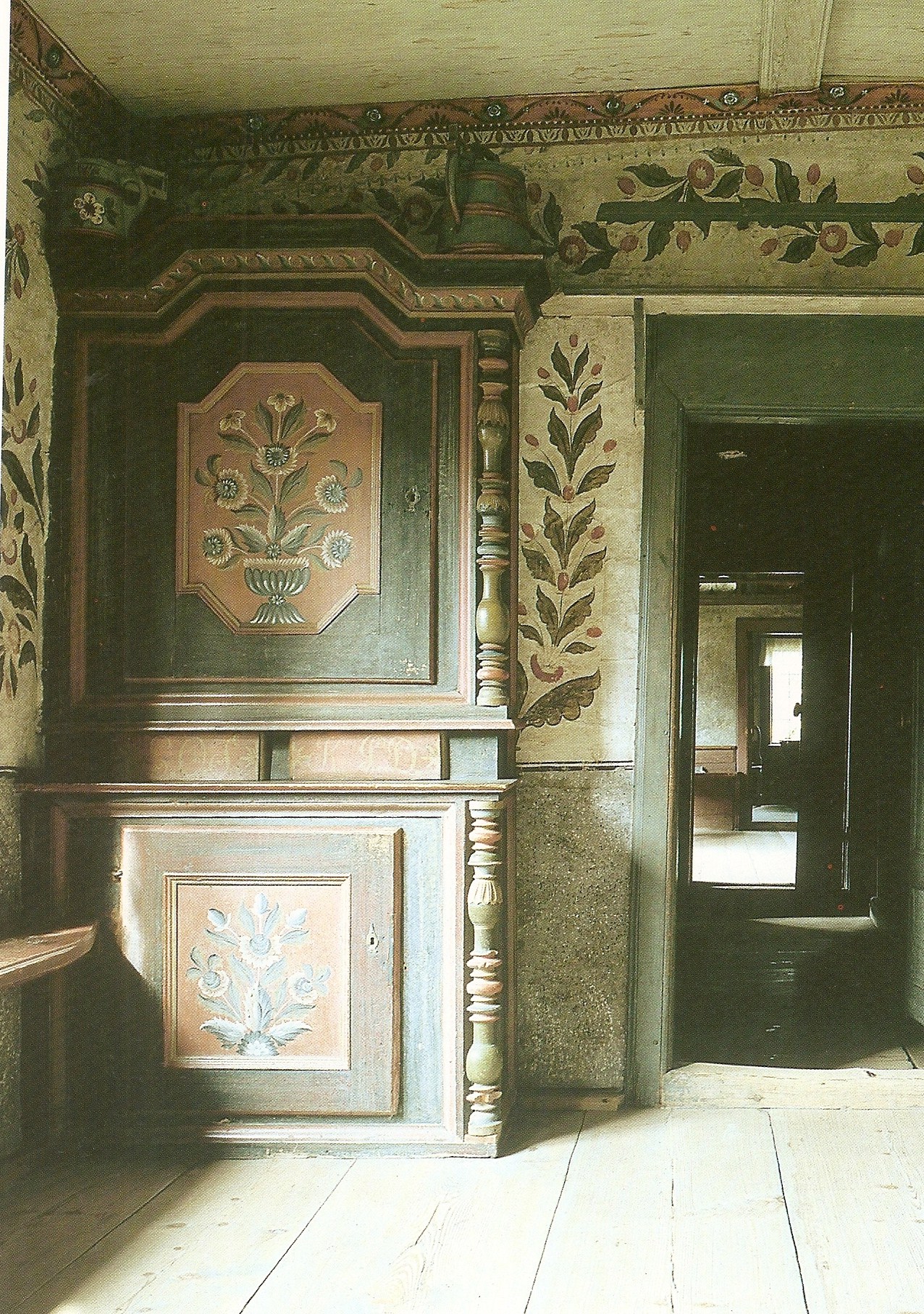
Additional sections discuss painters in Dalarna, Halsingland and Gastrikland, with a section that details restoration and recreating period homes.
Thank you to Belgian Pearls for the bottom fabulous pictures. The rest were obtained from a free preview of Google Books, which can be viewed for free. This book needs to be on your shelf. I guarantee it serve for many inspirational projects.

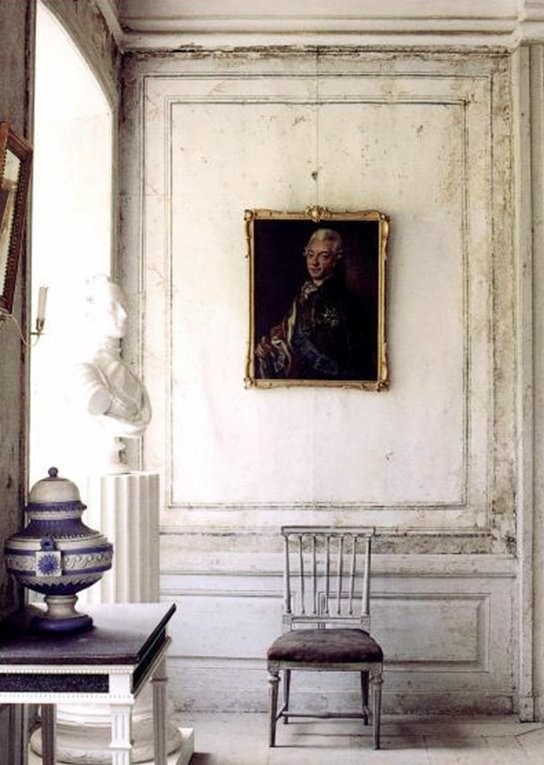
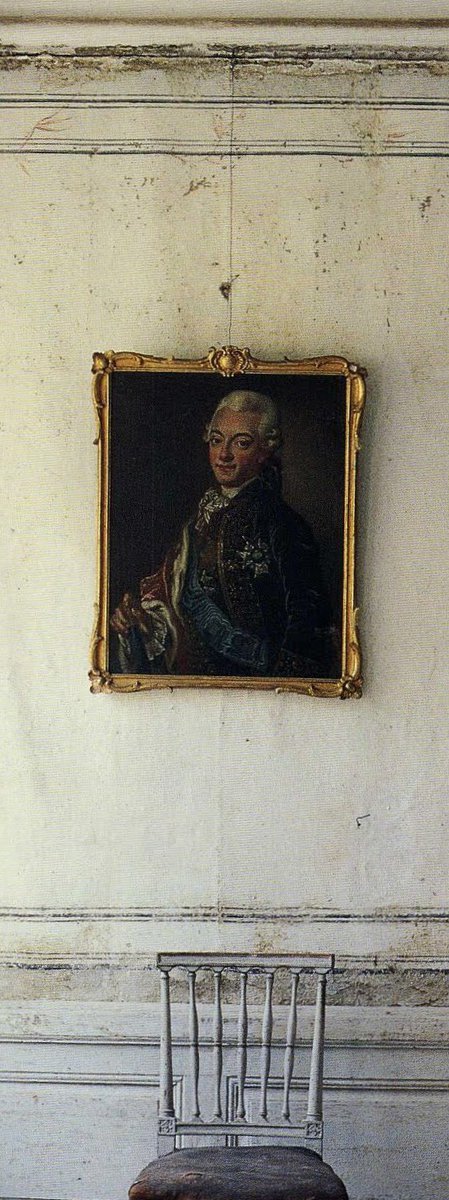
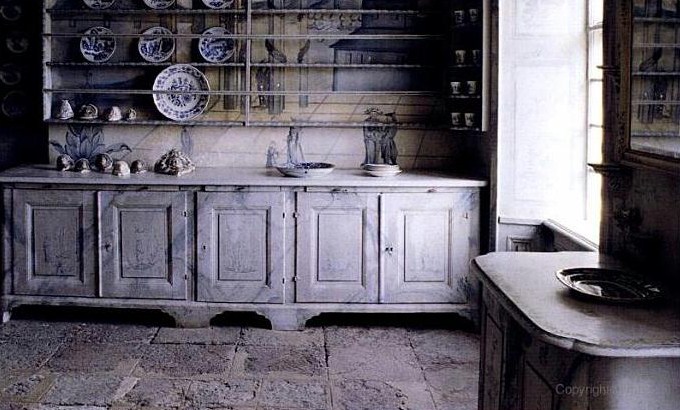
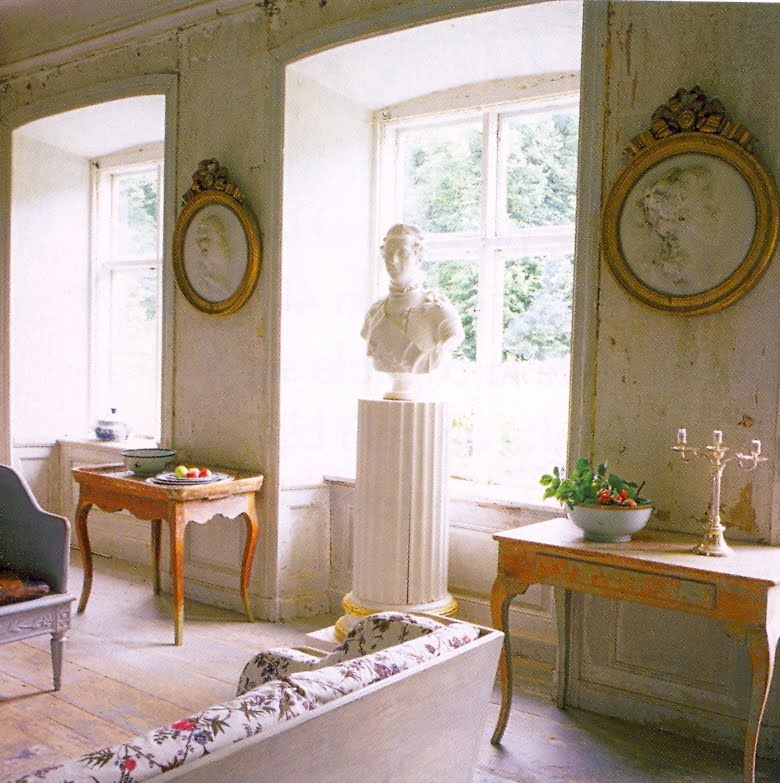
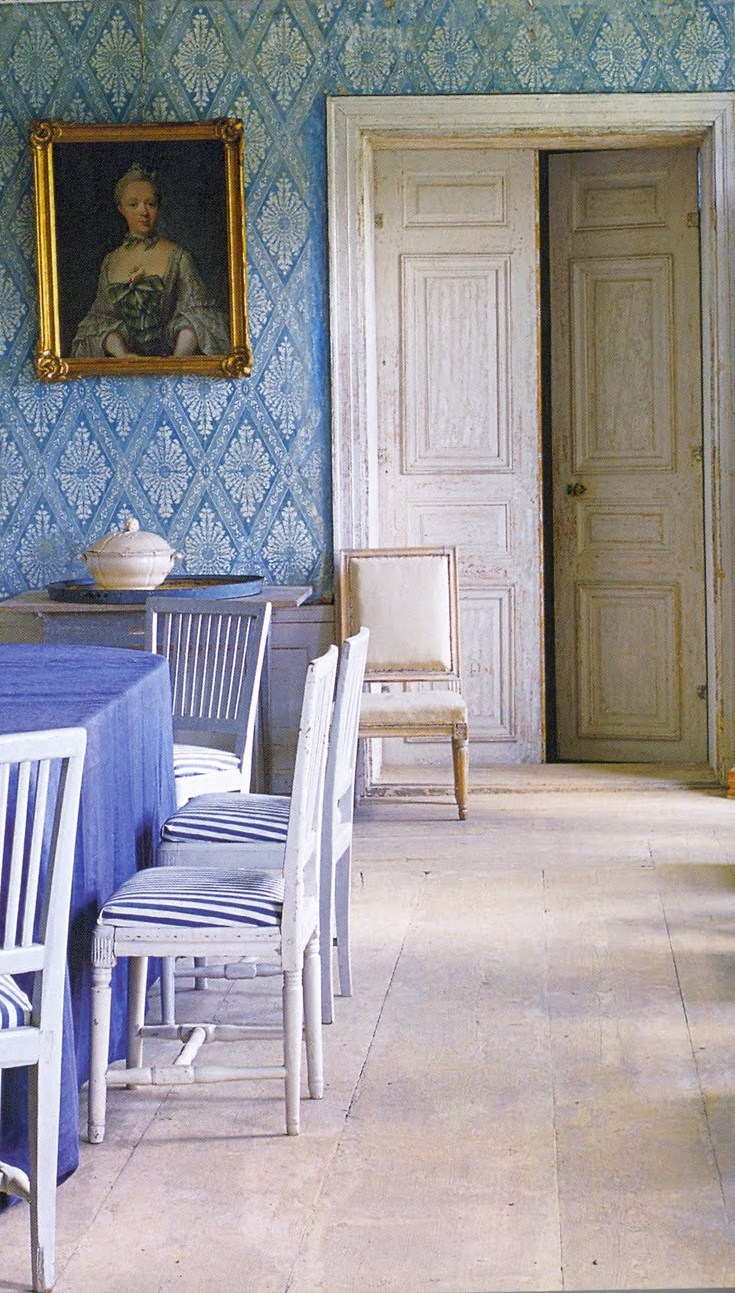
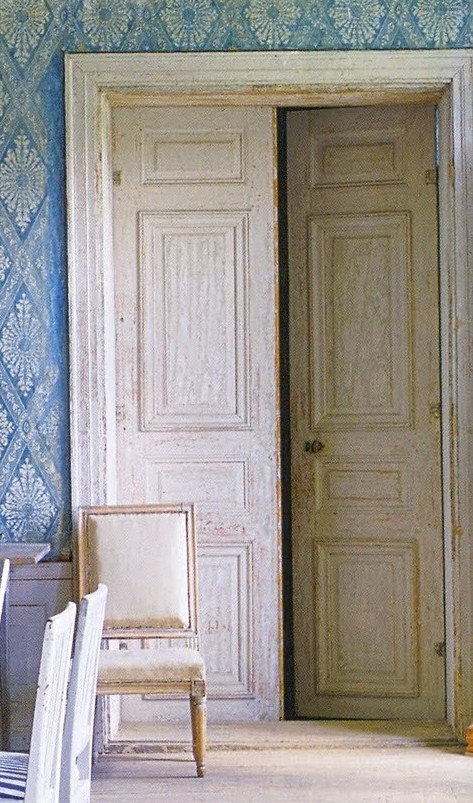
Secrets From Suzanne Rheinstein To Pull Off A European Decorated Home
The photos above and below were taken in a room designed by Suzanne Rheinstein at the Greystone Estate, the site of Veranda’s annual showhouse Picture seen on lusterinteriors.blogspot.com
Architectural Digest & House Beautiful magazines both publish annual lists of current successful designers, and Suzanne Rheinstein always is noted as one of the top designers in the LA area. Other established designers such as Michael Smith, Thomas Beeton, Kathryn Ireland, Barbara Barry, and Waldo Fernandez also are all noted to be the best in Los Angeles.
Suzanne Rheinstein is owner of Los Angeles renowned Hollyhock, an extravagant LA Antiques Store. Rheinstein is known for her relaxed, elegant style, and special attention to luxuries. Beyond her store, and her book, Rheinstein also has a fabric line with Lee Jofa.
Rheinstein’s Manhattan Home made the cover of Elle Decor for the month of November 2010 featuring an upscale Gustavian designed residence in New York. After her daughter Kate got married, and grandchildren were too hard to resist being away from, her husband Fred relented and the couple finally found the perfect corner space in the upper east side of New York. Rheinstein tells Elle
“We adore our house in L.A.,” she says. “It’s very forgiving and full of wonderful family treasures. But for New York, I wanted something a little more city, a little more stylized. And I wanted the palette to be a little more calm.”
The Gustavian styled home is filled with hues of grays, creams, taupes and soft greeny blues which is known to be classic Swedish style. “There’s color, she adds, but “it’s just very offbeat, like the pale ochre pillow on the chaise…….”
Beyond the beautiful extravagant 18th century antiques Rheinstein owns, is a stunning mural which has captured the publics attention. Bob Christian, a decorative painter and artist created a gorgeous mural that surrounded the room. The overall effect was a large scale toile look. The room wouldn’t be the same without it.
Her current book At Home: A Style for Today with Things from the Past, features six distinctive homes that express Rheinstein sophisticated elegant style. The book also features both of her own homes in Los Angeles and New York. Rheinstein’s book is beautifully photographed, and shows an inspiring volume of her own work, in which she mixes Gustavian with Edwardian and Regency with ease. The book shows a range of styles including a brick farmhouse in the Virginia countryside to a Beach in Newport Bay.
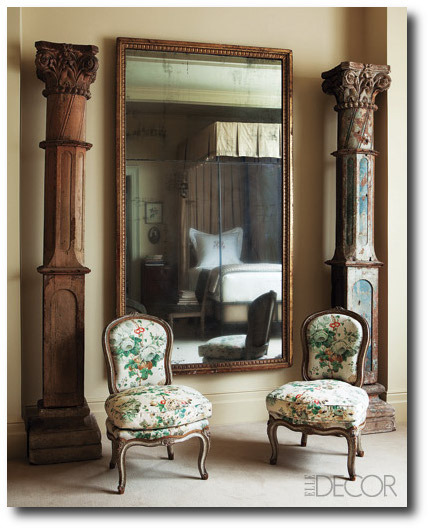
She has been quoted saying it is better to buy quality one-of-a-kind pieces, and decorate around them “Fewer but better things, painted surfaces, a mixture of furniture styles, a personal art collection and attention to comfort, colors, textures, details and light.”
We couldn’t agree with her more.
This 18th century Antique Swedish Gustavian Painted Bench is the epitome of Swedish furniture. They are almost impossible to find in America, and quite expensive to purchase. Rheinstein’s Swedish bench is upholstered in a dark beige with undertones of olive and grey. The bench perfectly sets the stage to match the paint on the walls which also governs the paint colors on the hand painted floors.
- The secret to design is precisely as Rheinstein suggests- Designing around a few pieces of fabulous furniture.
- Period antiques are well made and often have features that are very hard to come by in today furnishings.
- A great antique usually has one of these qualities
- Great Bones, and Style such as the curvature of Louis XV furniture, or the straight appeal of the Directoire styles of Louis XVI.
- Fantastic aged patina– Gustavian furniture has incredible painted finishes with beautiful ornate painted motifs.
- Quality wood like Empire Furniture , or Lavish wood veneers such as Regency furniture.
- Well made statement pieces truly are show stoppers on their own that all that is needed is a few well chosen accent pieces to finish a look to get a magazine quality highly-decorated home.
See the November issue of Elle Decor For More Pictures of Her home.
Visit Hollyhock’s web site to see antiques, upholstery and decor items for sale
Joni from Cote De Texas has an in depth article on Suzanne Rheinstein’sGeorgian home which is worth viewing. It has been hard to locate any of Suzanne Rheinstein’s work, and Joni seemingly has went out of her way to gather some of the previous rare pictures of her amazing home through the transformations. We borrowed a few of her pictures that really show the Swedish style in its best!
Compare her New York apartment with her LA Home, and you will see so many beautiful painted floors. Paint can completely transform a room. The colors on the floor in the above picture create a calming atmosphere. The detail on the console is exquisite! You would want to float a piece like this in the center of the room. – Picture from Cote De Texas


How To Wash Raw Wood For The Perfect Swedish Finish
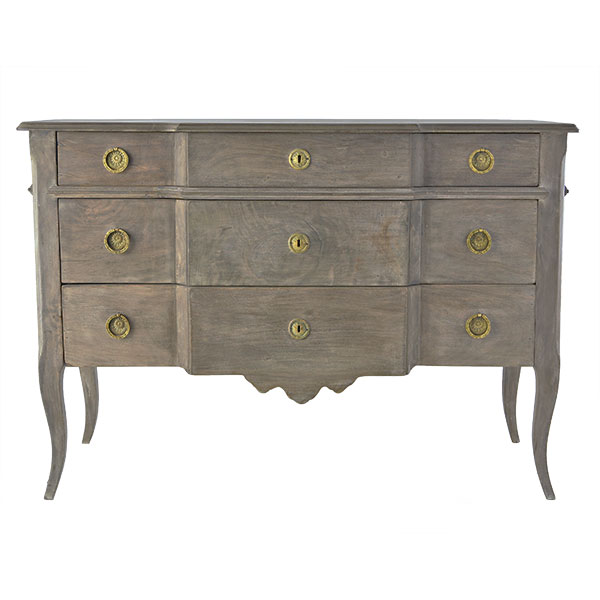 Swedish Furniture & Decor Ideas – Directoire Chest By Wisteria
This chest from Wisteria is one of my favorites. The minimal carving paired with a calming hue of a painted wash gives this mango wood chest that Swedish feel.
The Swedish have always been known for their wood furniture and in North America, many people identify them more for their beautiful painted finishes. In the Scandinavian countries of Northern Europe, the day light didn’t last long in the winter, and painting furniture became a natural response to adding light into their homes. Countries such as Norway, Sweden, Denmark, Finland, and Iceland, are much like northern Canada, in that the winters seem to last a lot longer, as the sun goes down quite early making the days feel shorter and shorter. Midnight sun is when sun is visible for a continuous 24 hours, mostly north of the Arctic Circle and south of the Antarctic Circle. In Svalbard, Norway, the northern most inhabited region of Europe, there is no sunset from approximately 19 April to 23 August.
The opposite effect, which is called polar night, is where night lasts for more than 24 hours. This only occurs inside the polar circles. Some populations in several countries experience these extra long summer days, and extended nights in the winter are those areas in the by the Arctic Circle such as the Yukon, Northwest Territories, and Nunavut in Canada. The United States of America has a state above the Canadian Provence of British Columbia called Alaska which see these extended periods of night and day. Also we have Denmark, Greenland, Norway, Sweden, Finland, Russia, and areas of Iceland who also experience varied degrees of longer winters and summers.
The rustic grey antique painted finishes are why most people love Swedish ANTIQUE furniture. The muted paint colors which have been naturally distressed over time have an ornate feel to them with layers of beautiful patina. These old time paint finishes have become popularized by Restoration Hardware to Wisteria, and have become one of the most frequent emails we receive on our Painted Furniture site asking us to show how to achieve them.
Rustic distressed furniture has become incredibly popular as people turn towards the comfortable primitive looks for their homes as they settle down, moving away from the modern interiors of the upper city looks that tend to be cold and uninviting. Today people still want the upscale furniture, but they also want the heirlooms of natural worn woods, and painted finishes that have been passed down through family generations. There is nothing like throwing a log on the fire and cuddling up in a wool blanket with a cup of hot chocolate as you enjoy watching the kids run around with their toys, not worrying if a nick or scratch is going to ruin the look of a piece.
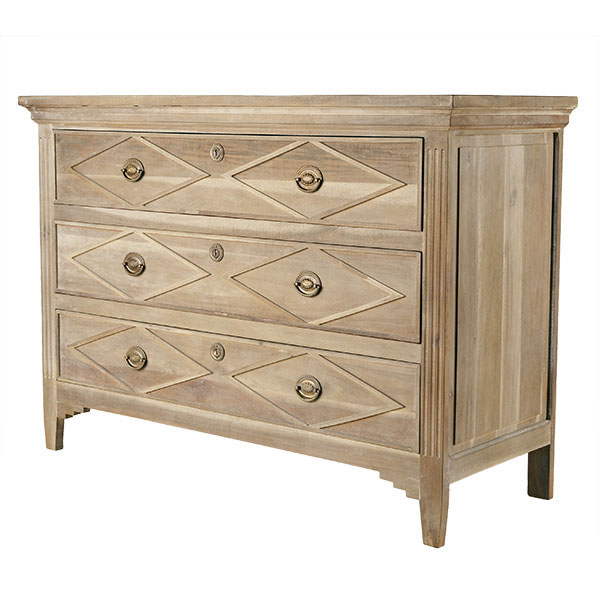
This Directoire Dresser By Wisteria is bleached and the naturally distressed acacia wood is accented with diamond patterns and antiqued metal federal styled hardware
One of the most common and easiest ways to achieve a Swedish distressed finish is simply by watering down paint and applying it to raw wood.
Most of all Swedish paint colors are muted grey and beige tones. Other classic antique colors blues, greens, yellow, but they are all muted tones with some sort of black or white mixed in. In the late 17th and early 18th century there was a limited amount of colors compared to our vast selection today so painters would either add black or white into the main colors they had available, which is why you see darker shades of green, yellow and blue, and then really milky white versions of basic colors.
The KEY to re-creating antique looking finishes are to work with the period colors, and not brights. Bright white is never a color you find in antiques, and is often the number one mistake when people white wash furniture. You want to stick with the undertones that have green or beige, as these are common undertones in antique furniture.
The best way to achieve THESE particular wood finishes that Restoration Hardware is so famous for, or Wisteria’s Directoire Chest looks is to work with bare wood.
I find that finishes that have a polyurethane top coat do not work well, because the paint needs to soak into the wood, so if there is a top coat, be sure to sand the finish down so the paint has something to grip on to.
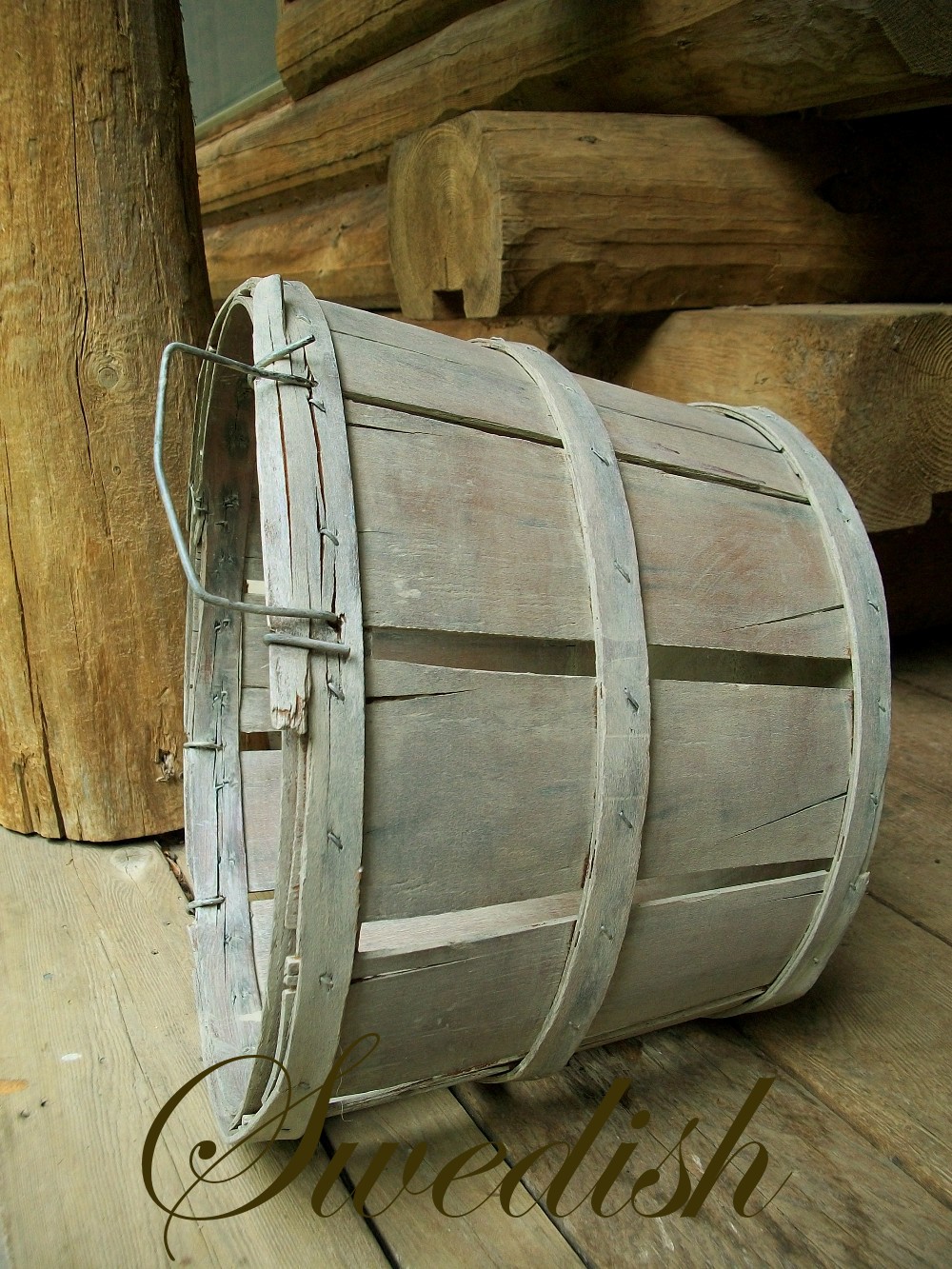
Take some beige, or green-gray paint, and a small bowl with water in it. With your paint brush dip the brush into the water, and then into the paint. Your brush should contain a water down version of the paint. As you can see in the primitive wood basket below, I used Painters Touch in the color Fossil, brushing on the paint, leaving it for a few minutes and then wiping it off.
I took a really weathered bench which had been eroded by the rain over several years and painted on a greenish beige over the entire bench. I painted the entire bench on my front lawn within just 5 minutes. It was a rather sloppy job of painting, but after 10 minutes, before the paint was really dry, I took the garden hose and washed it down with a small amount of pressure, which left only a watered down wash of the paint on the bench.
The paint should essentially penetrate the wood like a glaze, and reveal the wood below, leaving a wash. You can use any shade, so long as it is not white, but either has natural undertones such as green or beige.
Additional ways you can add time-aged character is to add marks to your piece of furniture manually giving the look of wear and tear. Use a canvas bag that closes, or a natural type of cloth bag and fill it with bolts and nuts. Hit the surface of the wood with the nuts and bolts, which will produce indentations in the surface of the wood. Don’t go over board with a hammer or chisel, because they often don’t look realistic.
Painters Touch in the color Fossil is a color I use often. You can buy it at Home Depot, although strangely enough I haven’t been able to locate the quart size on Amazon or at Home Depot. (Maybe it is just popular) So I scanned in the formula I had Sherwin & Williams Make for me.
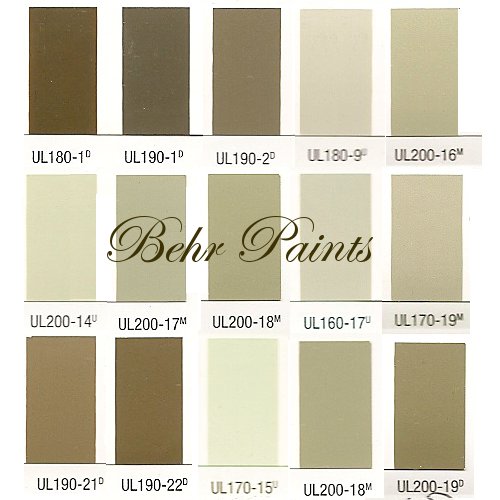
Behr Paints – My Paint Suggestions For Swedish Furniture Finishes
Here are some of my suggestions with the Brand of Behr Paints. My suggestion is to go with a color you really love. I do enjoy working with Olive colors such as the top color UL 180-1, but I also use colors like UL200-18 in the middle. The color I used leans towards for this project is the color in the bottom right hand corner, UL200-19, as my basket turned out darker than the pictures portray. The key is to work within the natural colors, and within colors you really enjoy looking at.
The other paint suggestions I have are:
Martha Stewart Paints- Heath MSL212
Martha Stewart Paints- Mourning Dove MSL210
Behr – Sand Fossil 770C-3
Ace Paints- Dried Fern D23-6
Ace Paints – SW 6158
Why A Natural Fiber Rug Is Essential For Pulling Off A Swedish Interior
Ramie is also very comparable to linen and is also of a plant fiber from an East Asian plant. Ramie is natural white in color, inexpensive and often mistaken for linen. Ramie has a high luster and an unusual resistance to bacteria and molds making it also a great fabric for outdoors, although it is extremely absorbent and dries quickly. Ramie has been tested to be three to five times stronger than cotton and twice as strong as flax.
Natural fibered rugs have gained tremendous popularity over the years, as they blend well with all types of design styles and interior colors. Natural rugs work with the glamorous modern eames styles, but also marry well with the antique scandinavian antiques, and act like a neutralizer with fussy overly ornate baroque and french furniture. The natural fibers make it an excellent candidate to combine with the classic Swedish paint colors as many of the natural rug colors are beige or cream. Hemp fabric withstands water better than any other textile product making it an ideal fabric for outdoors, as well as for upholstery. Jute rugs are being showcased more often than luxury Persian rugs and Oriental carpets in renowned magazines such as Elle, Veranda and Architectural Digest.
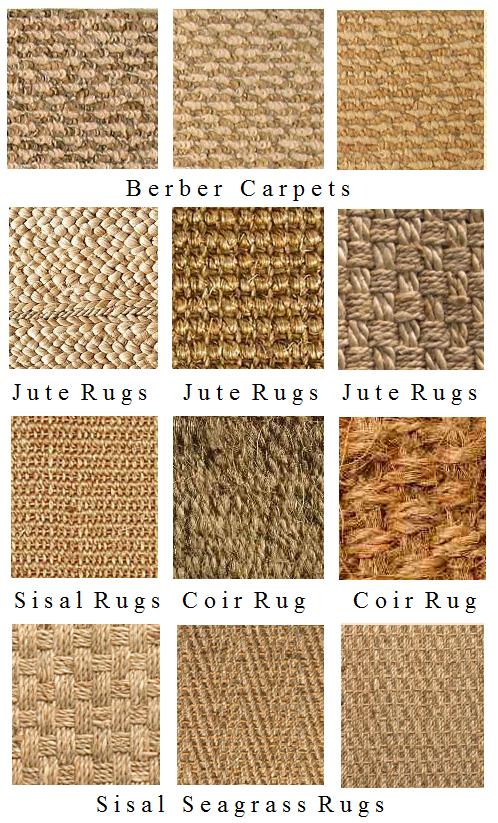
Jute is most often seen in sacks, rope, twine, and seen most frequently in rugs. Jute rugs are clean and often times they don’t show the dirt like synthetic rugs. While some find them comfortable, others say they are uncomfortable compared to plush tufted carpets. Jute rugs are hand-braided and hand-sewn. Jute, being a natural fiber rug adjusts to its environment. Dryer or more humid environments will cause the rug fibers to expand and contract.
I personally have owned many different types of natural rugs. I have a 12 x 16 Jute in our living room, sea grass in our kitchen and sisal in our basement. Each one is different, and every brand will differ. While some of them are not thick, others are very heavy and sturdy. I personally have had over 9 natural rugs and have loved them. You just cannot go wrong with natural fiber rugs.
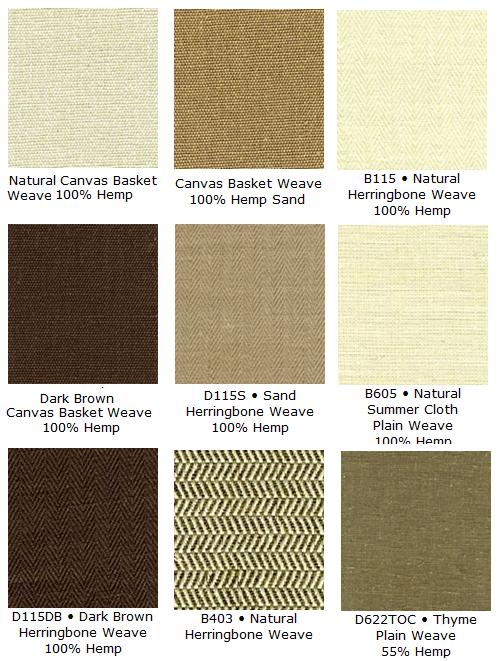
These beautiful natural fabrics are HEMP! Aren’t they beautiful? From Enviro Textile.
The Best Swedish Decorating Books
 Book Review: Jocasta Innes Scandinavian Painted Furniture
Jocasta Innes is the internationally renowned author of over sixty books on paint finishes, interior design and decorating. She is the founder of Paint Magic, which is a franchise chain of decorating shops which brought forth premier finishes such as color-washing and wood-washing. Paint Magic by Jocasta Innes is still is one of the best paint technique books I own to date. Scandinavian Painted Furniture by Innes guides a reader through the background of Swedish painting. Swedish painting has never caught more attention than in the last several years as people are still loving the lighter colored furniture, but want furniture more sophisticated than Shabby Chic. Innes guides us through 5 countries which make up the Nordic Federation (Norway, Finland, Sweden,Denmark and Iceland) and have defined the classic Scandinavian Design through the 18th century.
Timber was widely available in the Nordic region which made it accessible to create new furniture, and common enough to transform with paint. Classical Greeks painted marble, the Medieval English painted stone, and the Swedes were blessed with wood which they painted. These few countries in the Nordic region left us a heritage of beautiful designs known world wide.
What makes pre-twentieth century scandianavian furniture so appealing is the detailed paint finishes that have lasted through generations. Scandinavian furniture painting added color and provided much needed light into dark homes. Swedes found themselves depressed by the notoriously long northern winters where daylight would last an hour or two. Many homes were dark through the long winters, and without electricity, candles provided the majority of the light. Homes remained so dark that extra measures over time such as paint used on furniture and on the walls was almost a necessity to bring in any extra available light.
Painted pieces were not limited to just free standing furniture, but also included cupboards, built in shelving, dressers and lets not forget the walls. Painting furniture provided an appeal and allowed for variation than just wood furniture that decorated the home. They also believed that layers of paint would deter beetles, as well as guarded against dirt, grime and wear and tear. Old Scandinavian paint formulas contain vitriol and lime which did deter insect parasites which did eat tunnels through furniture, which overtime just fell apart.
There are two different styles of Antique Scandinavian Painted Furniture that developed in the Nordic countries. One style was a rural peasant type of decoration that flourished within the middle class, and another style referred to as “gentlemanly” which was often found in the higher class grand homes.
Scandinavian / Swedish Peasent Furniture:
Rural country peasant furniture is often referred to as folk furniture which is often distinguished by strong colors and a wealth of decoration. Peasant art and painting was not notable for its originality or self expression. Each distinct area would have specific colors much like national sports teams. For example the NFL is made up of 30 teams started out of the major cities of the United States. The Seattle Sea-hawks wouldn’t wear the Washington Redskins uniforms, much like the Scandinavian regions wouldn’t paint anything but their own distinct motifs which were passed down through generations. Painters were content to work within an inherited regional collection of motifs and colors. Much of this resulted just from the inspiration in their local areas. They didn’t have the internet to compare different styles, but they did from time to time discover new techniques and embellishments which they would just adjust some changes on their basic themes. A regional style or a typical color scheme once laid down, was then faithfully copied in its essentials by the succeeding generations of painters and craftsman. Today, as they sift through different Swedish furniture which a name is accredited, is often individual artists which had an acknowledgement of local reputation.
Scandinavian / Swedish Gentlemanly Furniture:
The other renowned definitive painted furniture most people are acquainted with is referred to as “gentlemanly” furniture, thus making the distinction between the peasant farms and gentleman estates. This furniture was made for upper class grand homes, and castles than the wooden villas and urban middle class homes.
This type of Scandinavian furniture is all together different in its use of paint, color, shape and function. These classes of people were well educated and travelled and were familiar with areas of high influence such as Paris, London, Berlin and St Petersburg. The styles of Baroque, Rococo and Neoclassicism were then repeated in their Scandinavian homes with the aesthetic remaining the same, but the overall design distinctly Scandinavian.
By the 18thcentury, soft colors became quite popular. Putty, straw yellow, blue and green were finished with layers of glazes and combined with gold leaf. Upper class furniture had a restrained sense of color, typically simple with limited decoration. The overall finish was sophisticated, formal and elegant, than fussy brightly painted country styles. Furniture was often made of softwood, and its shape, style and function imitated foreign models from other countries.
Scandinavian / Swedish Country Provincial Furniture:
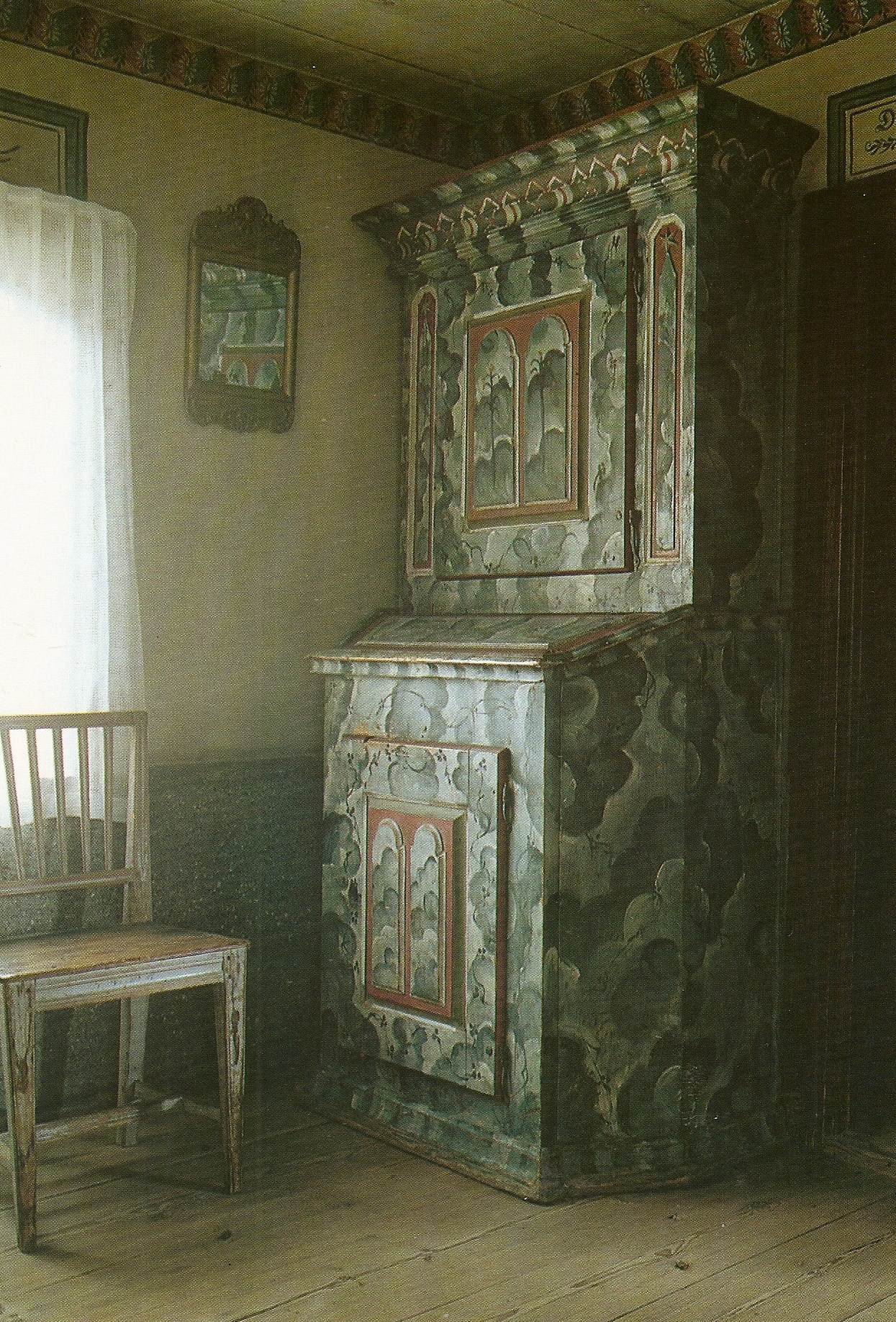
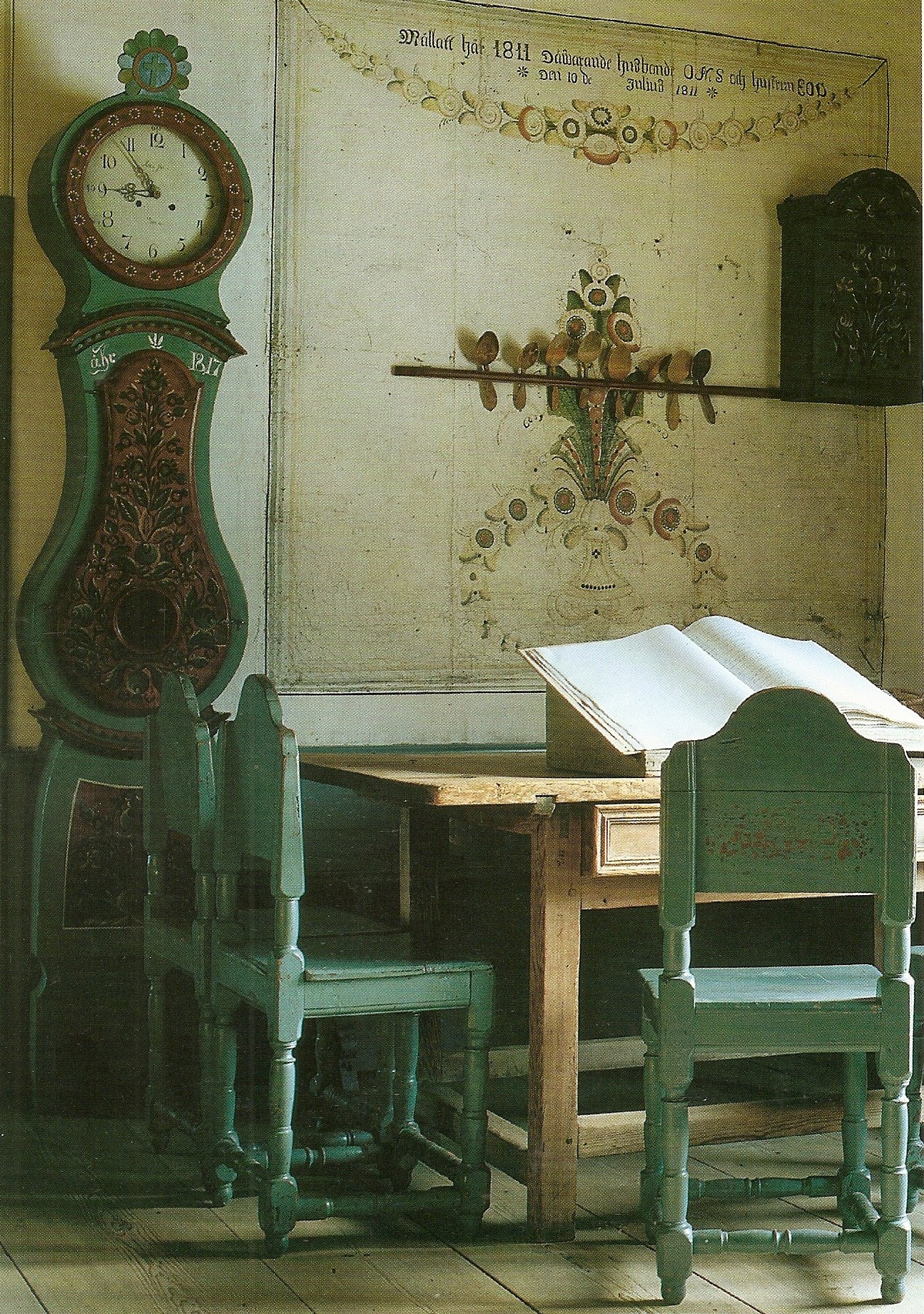
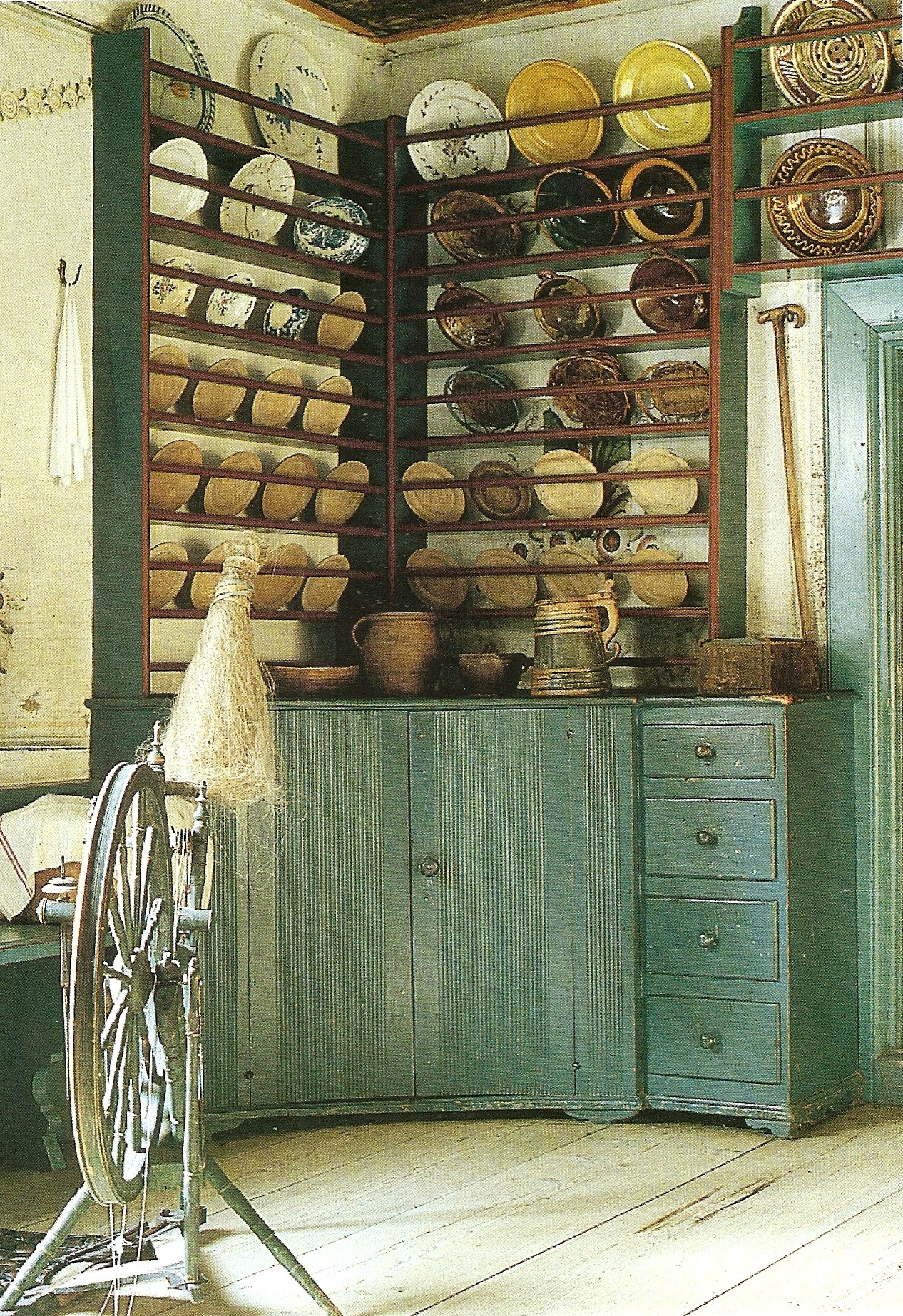
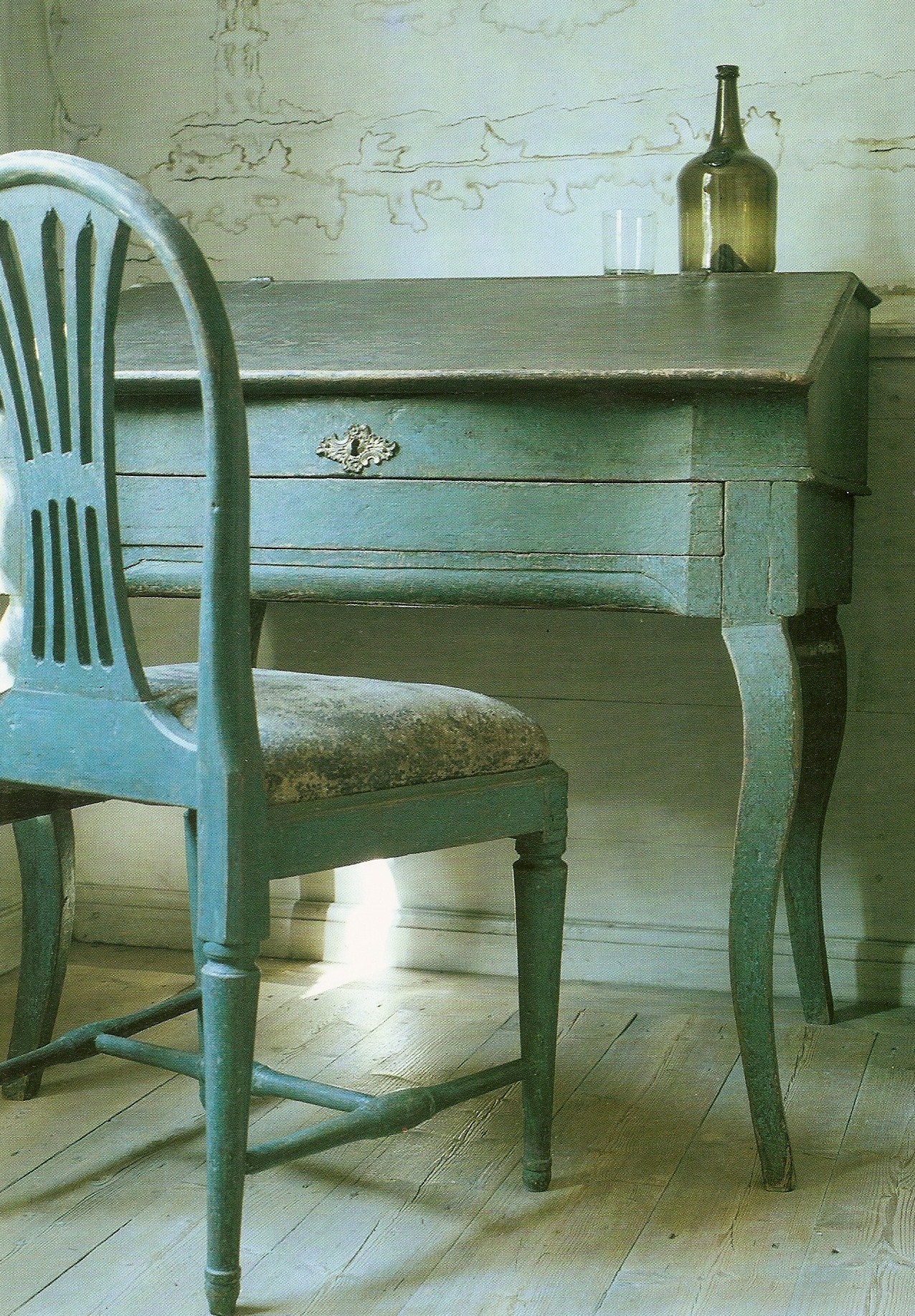
As high society moved on to country estates, so did the furniture. Some of the most appealing Scandinavianfurniture comes from this style, as it is known as “provincial”, with local touches. Jocasta Innes’s step to step painting guides are some of the best painting books on the market. Scandinavian Painted Furniture details over 20 projects typical to Swedish painting and decoration.
How To Stain Fabrics With Tea To Get An Antique Appearance
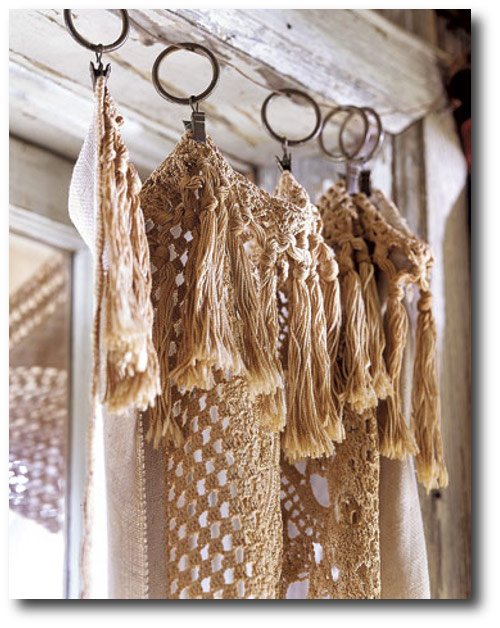
Tea Stained Fabric From Country Living Magazine
Tea Staining Fabric: A Simple Technique for an Aged, Timeless Look
Tea staining is one of those quiet tricks designers rely on to give upholstery fabrics a beautifully aged appearance. Often used when recovering antique chairs, softening new drapery, or toning down bright linens, tea staining allows fabric to take on the subtle character of time and use. With this simple technique, leftover fabric remnants can be transformed into naturally aged accents—perfect for throw pillows, vintage-inspired dolls, or decorative details that bring warmth and history into a space.
Tea-stained fabric is especially charming in children’s rooms, where a softly aged fabric doll or muted pillows can add character without feeling overly precious or staged.
How to Naturally Stain Fabric with Tea
Tea staining works best on natural fibers such as cotton, linen, muslin, and wool. Synthetic fabrics will not absorb the stain properly. Begin by washing the fabric to remove any sizing, starches, or chemicals left from manufacturing. This step is essential for even absorption.
After washing, the fabric should be damp—not dripping wet, but not dry either. If starting with dry fabric, soak it briefly in water and squeeze out the excess. Choose a pot large enough to allow the fabric to move freely in the water without bunching or folding tightly.
Bring the water to a boil and add the tea bags. Allow the tea to steep for about five minutes, then remove the bags. Leaving the tea bags in with the fabric can result in uneven or overly dark stains that appear dirty rather than naturally aged. Submerge the fabric and monitor the color closely, removing it once the desired shade is achieved.
Choosing the Right Tea
Tea originates from China, where leaves from the Camellia sinensis plant were first brewed centuries ago. There are six primary types of tea—white, yellow, green, black, oolong, and pu-erh—each processed differently. Black tea is the most commonly used for staining and produces soft cream to warm brown tones. Herbal teas, depending on their ingredients, can introduce subtle reddish or pink undertones.
Keep in mind that fabric will dry slightly lighter than it appears when wet.
Adjusting the Color
If the fabric turns out darker than intended, the color can be lightened using bleach. There are two methods:
-
Run the fabric through a washing machine cycle filled with water and a small amount of bleach, checking frequently.
-
Submerge the fabric in a bucket filled with water and diluted bleach, gently turning it until the color softens to your liking.
Important Safety Note:
If using the bucket method, work outdoors and wear a protective mask and towel over your face. Proceed carefully and at your own risk.
Why Tea-Stained Fabrics Never Go Out of Style
Dyeing and staining textiles can transform ordinary pieces into something with genuine antique character. Roman shades, vintage stuffed animals, children’s dresses, and even simple linens can take on a sense of history with this technique. Tea staining is timeless—it has been used for generations and continues to be a beautiful way to introduce softness and authenticity into a home.
A Simple Lampshade Project Using Linen
I don’t often have time for elaborate projects, but every so often I’m able to fit in a small creative endeavor. For me, the quicker and more efficient the project, the better.
I’ve always loved drum lampshades, though oversized versions can overwhelm thinner lamp bases. When I found smaller-scale drum shades at a thrift store, I decided to recover them using a beige linen fabric. I removed the existing fabric and hot-glued the linen only along the top and bottom metal frames. After measuring the interior, I sewed a lining and glued it into place, again securing it only at the frame edges. Finally, I finished the shade by sewing and attaching a fabric trim along the top and bottom for a clean, polished look.
If I were to repeat this project, I would choose a much lighter-weight linen. Thicker fabric limits light diffusion, and lighter materials allow the lamp to better illuminate the room. This project takes about a full day, or perhaps half a day for faster workers, and it’s one I would happily do again for the right lamp.
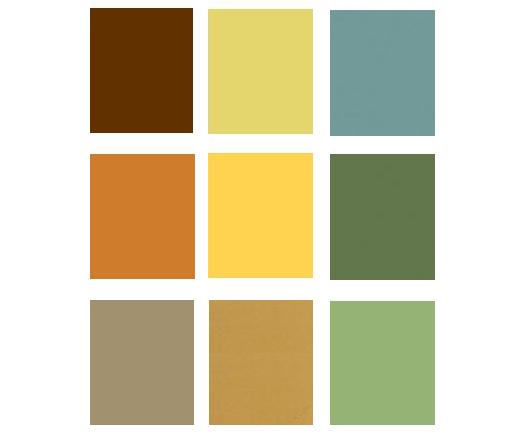
Rit Dye Taupe

Rit Dye Teal

Rit Dye Tan


Round Galvanized Tub

Designer Swedish Inspired Homes
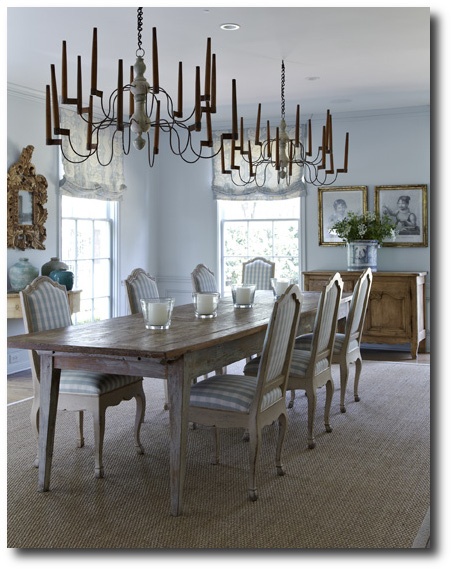
Carol Glasser; one of one of Houston’s finest interior designers immediately sought the insight of renown interior designer Katrin Cargill and author of Swedish Style: Creating the Look
Cargill tells us that room-to-room views are a hallmark of Swedish style, and that they created that look in the Huston home by taking out a number of the doors to create the open look of classic Swedish homes.
Enfilade the formal architectural term is actually a series of rooms aligned up with one other commonly seen in museums and art galleries. Ideally with this arrangement, a person can get an eye view into 2 or three rooms, as the entry doors are aligned perfectly with the the connecting rooms. This European architectural feature was a common design in the Baroque period.
Joni from Cote De Texas tells us the inside story on this home, being that it belonged to a personal friend of hers. Joni also holds the story of the same house which appeared in Country Living magazine a few years prior. She tells us that the owners sold everything from their former house and only kept everything they absolutely loved, which they then designed around. They wanted to design the home to be as authentic Swedish as possible.
It was pleasing to hear the owners spent years acquiring a house full of furniture – piece by piece. Buying authentic swedish furniture or reproductions could cost an arm and a leg if you didn’t collect over time. In addition, swedish furniture is very hard find in the United States. As you see in this Huston home, not everything is antique. The standard swedish cotton check gives an antique look to the modern sectional. Combining authentic textiles with antiques can give you the genuine look while making it affordable.
If a person has a draw to a particular style, over time your most priced pieces will fall into a category of design. She tells us that each purchase was deliberate and thoughtful, as she didn’t mind waiting years for just the “right” table or the “perfect” lamp to turn up as Joni tells it.
Cargill tells us the key to this design is not having any heavy upholstery, rather furniture that has graceful legs. The house was finished with wide Canadian pine-plank flooring were installed and finished in a chalky limed treatment typical of classic Swedish flooring. The family room featured a beautiful antique French fireplace that had a beautiful aged faux finish. The rustic paneling gives a feeling of a Swedish home that might have the wood walls painted. The walls were graced with Italian oil paintings, backed with light blue painted walls. Faux painted yellow and red walls, toile wallpapers lined bedrooms. The Swedish Mora clock was the first to inspire the entire house colors which were the classic pastels such as pale blues, pinks and reds.
The Townhouse Decorated in Swedish style and Furniture can be found on Katrin Cargill
View More of this home at Home Beautiful – here
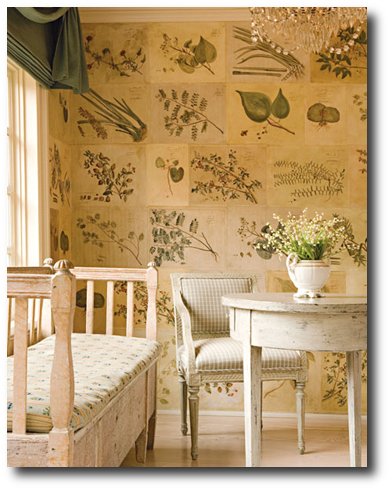
The designers had an artist hand-color and glaze 18th-century black-and-white Dutch engravings for the sunroom; eleven are originals, the balance photocopies that are all but indistinguishable from the real thing.
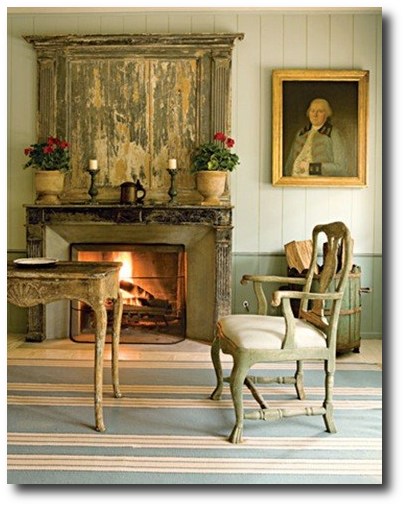 This room seems to have more of a shade of green than blue, in some of the pictures below
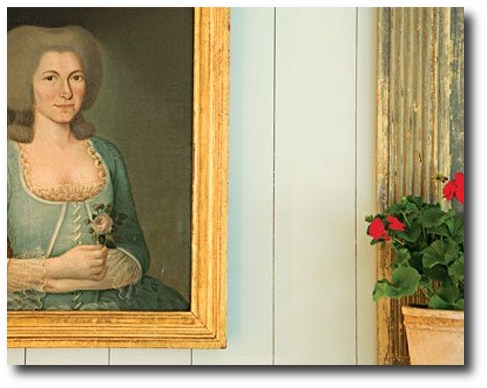 A Close Up Picture of a Portrait Painting
Katrin Cargill & Carol Glasser’s Swedish Interior
(Swedish painted sofa, the other with a sprawling Charles sectional from B&B Italia. Walls faced in rustic planks are painted Low Tide below the faux chair rail)
Carol Glasser Interiors Directoire Style Table From Cote De Texas Blog
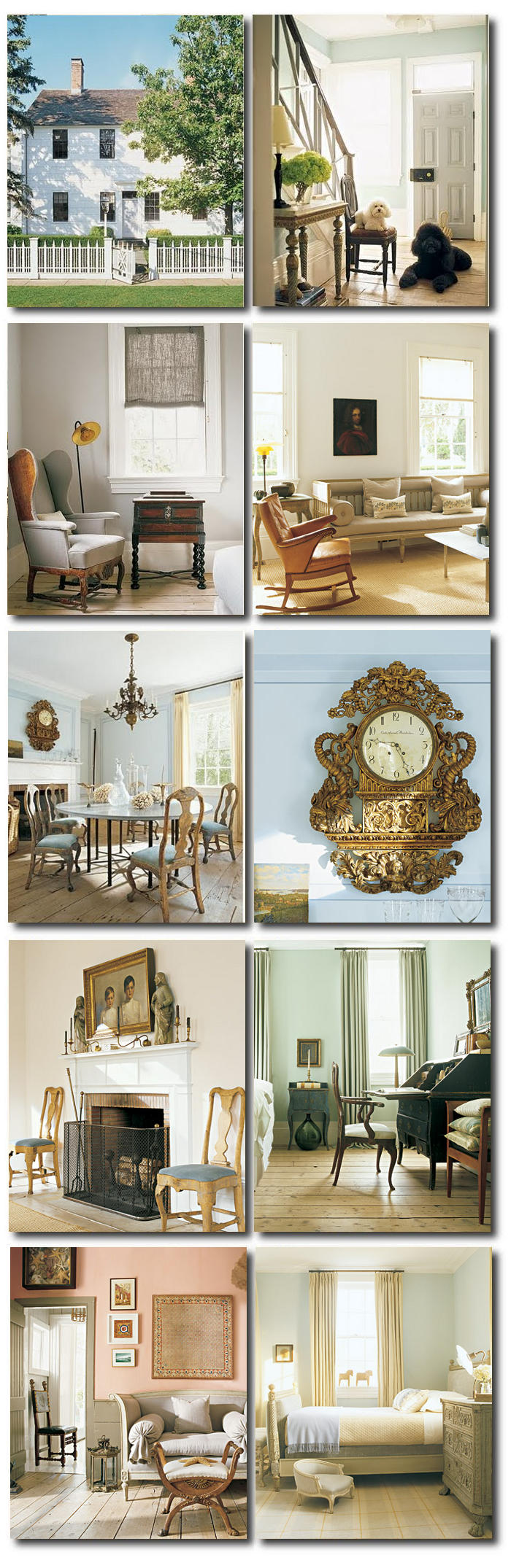
In the September -08 issue of Martha Stewart, Swedish antiques dealer Jill Dienst, and owner of Dienst & Dotter revealed marvelous Scandinavian Antiques and Furniture in her Sag Harbor home. Dienst started collecting Swedish furniture after working for the New York Metropolitan Museum of Art in the European paintings department. Dienst spent decades at some of the finest public and private institutions in the art, design and antiques. The Metropolitan Museum of Art gave her the trained eye to distinguish original century-old paint from modern paintings and Didier Aaron (a legendary dealer of European pieces) gave her the platform she needed in antiques which allowed her to gain a legitimate reputation that Dienst + Dotter needed to specialize in creditable objects from the 17th century to the mid-20th century.
Dienst + Dotter was launched in 2005, specializing in Scandinavian antiques, paintings and furniture.
“After selling French antiques, I found Scandinavian ones so refreshing,” she says. “They’re lighter, quirkier. They pare everything down to the simplest form.” She tells Martha Stewart Magazine
Jill and her husband Daniel tell Martha that they stumbled across their home after being drawn to the water that Sag Harbor’s small-town atmosphere provided. Only after a few hours, they found a home they loved and made an offer the same day.
Photos From Martha Stewart and Space For Inspiration Blog, See the additional photos at Martha Stewart Magazine.
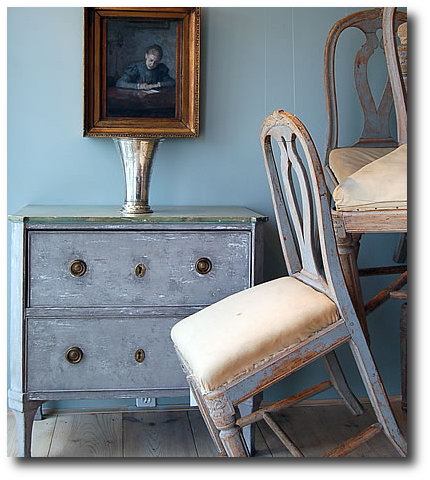
Scandinavian Furniture – From Dienst + Dotter
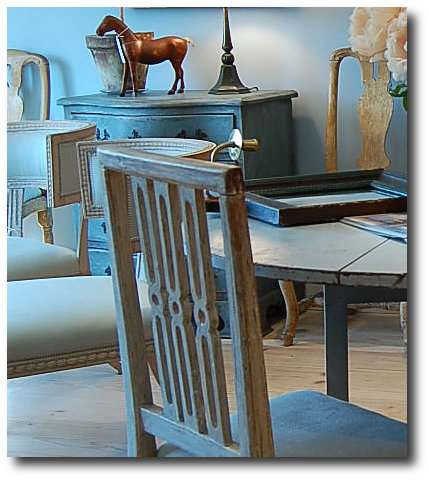 Scandinavian Furniture – From Dienst + Dotter
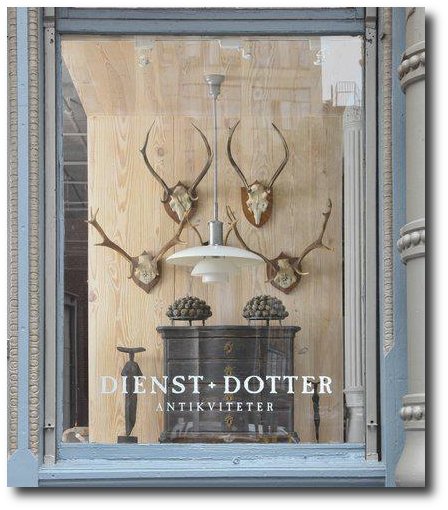
Dienst + Dotter Antikviteter… Gorgeous window display at Dienst + Dotter Antikviteter in NYC
Picture Credit –finderskeepersmarketinc.blogspot.com
Gustavian Swedish Decorating Shannon Bowers From Veranda
Shannon Bowers’s home is still one of the prettiest homes ever to be featured in a magazine showcasing Swedish styled decor. The house was filled with endless antiques all featuring stunning distressed paint finishes. Each room is enough for me to ramble on and on about the lovely choices she made for her home. Among all the rooms, the nursery was by far the prettiest of the rooms. One of her design secrets is obviously picking great pieces, as they speak for themselves in a room. As you will see, her home isn’t cluttered with endless antiques, rather well chosen pieces in keeping with the colors of the Swedish palette. The crib is painted a light blue, which brought forth a nice contrast against the creamy white walls. She layers in wood and natural linen in the upholstery to give it a very natural comfortable appeal.
The rug gives a distinct Swedish touch. The balloon chandelier gives a whimsical element that every babies room should have. Consider the Orb Chandelier by Currey & Co Wiggins, which features a spherical pendant wrapped in natural burlap and banded with wrought iron. This chandelier sells close to 1K, however if you are looking for something less expensive, consider a hanging a number of blue paper lanterns.
The antique tricycle really sets apart this room from other nurseries. If you keep your eye on ebay,many unique tricycles show up from month to month.
One of the more subtle elements in the room are the window shutters. They almost blend in to the wall paint in Bower’s room, but add a very antique feel when mounted to the walls. Color is everything when you are pulling together a Swedish Gustavian styled room. I am sure you will agree with me, there isn’t a prettier nursery than Shannon Bowers!
Rustic Swedish Baby Decor – $93 on Amazon
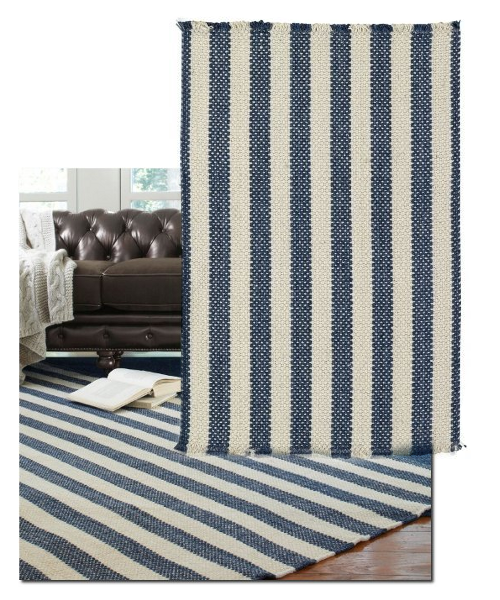 Inexpensive Striped Rugs $177.75 Amazon
Located in Water Mill, this c. 1910 estate was formally a retreat for nuns, but purchased by Nine West founder Vince Camuto for $35 million back in 2005. After putting six years of intensive renovation, the couple decided to put the house on the market once again. – See the rest on Home Bunch Blog
“An 18th-century Swedish corona from Dienst + Dotter Antikviteter complements the Ralph Lauren Home bed and linens. At the foot of the bed is a TV cabinet designed by Egan and covered in a Bergamo horsehair.“
Borrow some ideas from Todhunter Earle for your Swedish and Colonial decorating. Their company was founded in 1988 by Emily Todhunter and Kate Earle joining as her partner 1998. The firm has designed everything from English castles to well known restaurants, yachts and nightclubs throughout Great Britain, Europe, Russia, South America and the United States. Below are some pictures with Swedish Gustavian looks that you can replicate in your own home. They mix a modern contemporary looks such as graphic wallpaper with antique painted distressed furniture. Natural linen is mixed with contemporary glassware. White and cream and gray hues are used throughout the rooms to create a clean and natural appearance.
Beautiful paneled walls are painted in a muted blue, and accented in brass hardware. Look though Behrs vast color selection for great color inpirations.