Fired Earth’s Anniversary Paint Collection
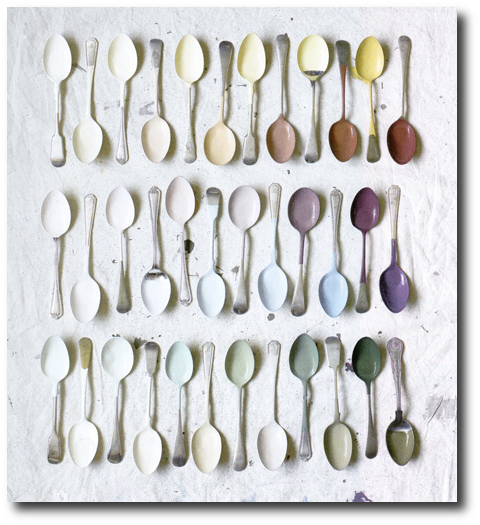
These beautiful paints are the result of a recent collaboration between Fired Earth and the National Trust.
Founded in 1983 , Fired Earth began as a Terracotta supplier, and later expanded to offer bathroom and kitchen cabinetry, and hardware. Although Fired Earth has a wide selection of house products, they are best known for their beautiful paints.
With their 30th Anniversary, they launched archive colours from their extensive library of paint pigments and featured six new colours named Delias Secret, Mad King George, Jazz Cafe, Hansel and Gretel, Eton Mess and Terracotta Warrior.
Fired Earth has also worked in collaboration with Kevin McCloud, a well known British designer and author and leading authority on colour. Together, they created color formulas from carefully selected pigments, minerals and resins, chosen for their qualities of opacity, density, light fastness and durability. The paint was developed with minimal and low VOC’s. These water-based paints are available in 120 colours in matte and eggshell finishes.
Kevin McCloud is best known in the UK as the color go to guy with a knowledge on every design style from historical to modern. The Telegraph had an interesting article titled “Are Posh Paints Really Worth It?” they ask the question – Why spend the money, when you can get your local paint store to match the shade, and spend less? Here are a few interesting points from the Telegraph interview…..
“McCloud, a self-confessed paint “anorak”, is unequivocal in his defence of posh paints. “Having used many, many different brands over the years, it is very clear to me that the more you pay, the better the paint,” he says. “Cheap paint has more water in it, less pigment and less binder.” Thus, as a rule, the more expensive paint covers better and lasts longer. It is also more environment-friendly, being lower in “Volatile Organic Compounds“.
“There is a place for cheap paint, and McCloud concedes he has painted his own kitchen in “bog ordinary trade white emulsion”, but the cheaper paints are made with synthetic pigments. And pigment, he explains, is what gives paint its quality and depth of colour. – “Traditional pigments tend to be made of rocks and minerals, earth and clay,” he says. “And consequently they are impure, and rather complex. The more complex the pigmentation, the more interesting the colour. It gives redolence and depth, and you get undertones – colours which subtly change in different lights.”
“One can say that this was a colour used in this particular house, on a certain day in, say, 1818, but the colour has probably faded, or gone darker, or yellowed. It’s very difficult to ascribe a particular nuance
of colour to a room for a particular date.”
Kevin McCloud’s Books
Choosing Colors: An Expert Choice of the Best Colors to Use in Your Home by Kevin McCloud– Amazon
In this stunningly produced guide, internationally renowned interior designer Kevin McCloud puts together over 1,000 color chips arranged in over 80 palettes. Each palette—which includes anywhere from 6 to 16
color swatches—forms a blueprint for a unique decorative scheme. A palette based on old Chinese silk, for example, is seen reinterpreted in a contemporary New York apartment. Each palette features gorgeous photographs that bring the color scheme to life, along with invaluable advice and tips for using the colors to transform a room. This book provides manufacturers’ paint references and numbers, lists of suppliers, and much more.
Kevin McClouds Complete Book of Paint and Decorative Techniques by Kevin Mccloud- Amazon
From the earthy hues of Italian farmhouses to the cool elegance of Scandinavian interiors, color has always played a crucial role in decorative schemes. In the first section of the book a unique cut-out color selector illustrates the eight essential earth colors on the decorator’s palette and shows how to create and combine them successfully by clever intermixing of pigments. These essential colors, together with five secondary colors, are then used in the techniques throughout the book, so that all the stunning decorative effects can be easily recreated.
The techniques section that follows contains instructions and step-by-step photographs for more than 35 glorious decorative effects, plus countless variations. Each technique contains a list of essential ingredients, step-by-step photographs and a close-up of the finished surface or object.
Decorative Style: The Most Original and Comprehensive Sourcebook of Styles, Treatments, Techniques by Kevin Mccloud- Amazon
Using innovative, easy-to-master techniques and surprisingly inexpensive materials, Kevin McCloud — a brilliant young set designer turned interior decorator — shows you everything you need to know to design and create your own stunning adaptations of today’s most popular decorating styles.
There are forty styles in all — from Santa Fe, Shaker, Miami Deco, and Caribbean to Bauhaus, Biedermeier, Mackintosh, and French Country (to name just a few) — each designed and created especially by the author and stunningly photographed, with literally hundreds of styling options and color variations to choose from.
The decorative effects and other components of each style are analyzed, rephotographed with a full range of imaginative alternatives, and cross-referenced to all the techniques, tools, and materials needed to create each unique effect.
Kevin Mccloud’s Colour Now by Kevin McCloud- Amazon
Love blue but don’t know which shade to choose? In this dazzling new book, Grand Designs presenter Kevin McCloud has taken over 120 particular colours into 70 tried-and-tested palettes that are guaranteed to transform your home. A short introduction describes the history of colour and its replication, colour theory, how to combine colours into a palette and advice on how to use the book. Thereafter the bulk of the book is devoted to the colour palettes themselves – each made up of a collection of between 3 and 8 colour swatches and featuring an inspirational photograph demonstrating its possible use. Every palette is also introduced by a short piece of text describing its influences, potential and variety.
Choosing Colors: An Expert Choice Of The Best Colors To Use In Your Home by Kevin McCloud– Amazon
This decorating guide explains techniques ranging from craquelure to marbling, colourwashing to liming wood, and provides information on tools and materials. The step-by-step photographs show exactly what to do, while the life-size details show the effect being aimed for.
Kevin McCloud’s Complete Decorator by Kevin McCloud- Amazon
This lovely 272 page book is filled with dozens of color photos showing many different decorating styles. It includes a unique cut-out graduated colour section, step-by-step instructions for a vast range of paint
techniques, easy colour mixing, working with different surfaces and objects and so much more.
Techniques of Decorating (Dk Living) by Kevin McCloud– Amazon
Kevin McCloud is a leading influence in interior design. His unique and refreshing approach stems from a background in art history and the theatre. Using a repertoire of techniques ranging from the traditional to the self-invented, he offers an unsurpassed array of rich effects and a sure guide to effective styling. Each of the more than 30 creative effects – including gilding, verdigris, clair bois, stained glass and woodgrain – is explained in detail, while close-up, step-by-step photographs show exactly how to achieve it. A comprehensive section at the back of the book provides details of tools and materials needed and lists the addresses of suppliers.
‘Blue-ish greys are military and came into their own as World War I battleship camouflage. The really interesting greys, however, are those made with purple. They have a warm, brownish cast that flatters flesh tones and brings natural woodsy materials to life. They’re not popular, but they should be.’
‘Often the most stimulating colour combinations come from strong cultural influences – from the environment, from food or from nature. Here’s a pretty worldly palette: one of stone and sea and earth and sky.’
Principles Of Home by Kevin McCloud– Amazon
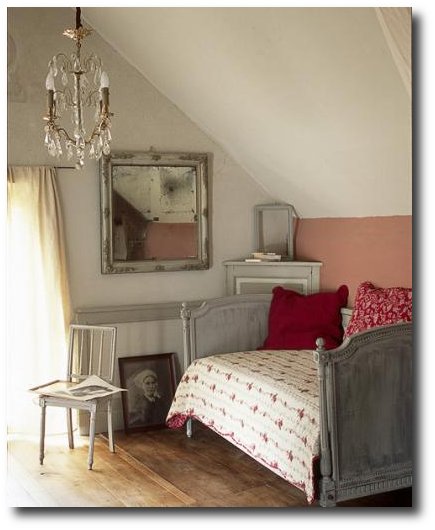
‘On my list marked ‘fastidious obsessions’, getting the right fine old French grey comes pretty high on the list. If you were a colour expert, you could take some chalk-white casein distemper, add raw umber and a little raw siena and you’d be there. Note I didn’t mention black there – when you mix black and white the resulting colour is so cold you might as well call it blue. No, for a good grey, go greenish and go with earth colours. Fine complex colours are the tinctorial equivalent of a fine old French wine.’
“The hardest colours to get right are the four optical primaries: red, blue, yellow and green. The colours that will make your life a positive misery are tints of those colours. Most modern paints are coloured with a limited range of powerful synthetic dyes. The most interesting colours are those made with muddy, traditional earth pigments or complex arrangements of colourants.”
“The best pinks – those that change colour under different lighting conditions – are those on the cusp of red and purple, made with red oxide pigments. The best yellows or creams – those that can withstand bluish northern light and never look green – are made with yellow ochre.”
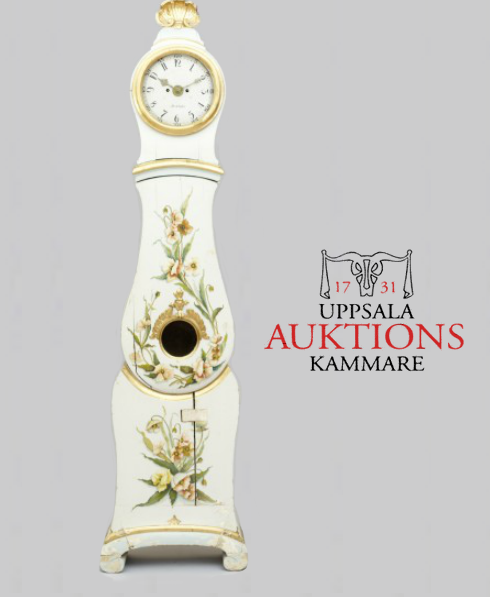
Swedish Furniture Auctions -Uppsala Auktionskammare
Uppsala Auktionskammare is known to present some of the finest collections of antique furniture. Uppsala Auktionskammare has been known to feature exquisite collections of silver, furniture, and art from Swedish private homes at their auctions. In the spring of 2008, Sweden’s most expensive furniture ever was sold at Uppsala Auktionskammare, a unique bureau by Nils Dahlin for 18 million.
They carry a beautiful selection of European art; everything from the Renaissance until the late 19th century. They are known to collect an array of antiques from mirrors, table clocks, chandeliers, table lamps, candlesticks,bronzes, figurines, and much more.
They are known to carry mirrors, candlesticks and bronzes by the following masters: Burchard Precht, Pierre-Philippe Thomire, Carl Henrik Brolin, Ehrhart Göbel, Johan Åkerblad, Fredrik Ludvig Rung, Niclas Meunier, and others.
Uppsala Auktionskammare features many prominent furniture designers such as Gottlieb Iwersson, George Haupt, Nils Dahlin, Christian Linning, Ephraim Ståhl, Jonas Hultstén, Anders Lundelius, Gustaf Foltiern.
They also are known to feature silver from Pehr Zethelius, Jonas T. Ronander, Petter Eneroth, Gustaf Stafhell, Arvid Floberg, Isak Sauer and Kilian Kelson
Check out some of Gustavian furniture and decorative collections from Uppsala Auktionskammare below…..
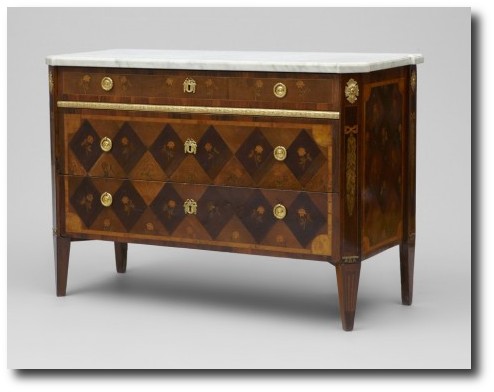
A Gustavian Chest of drawers, attributed to Jonas Hultstén.
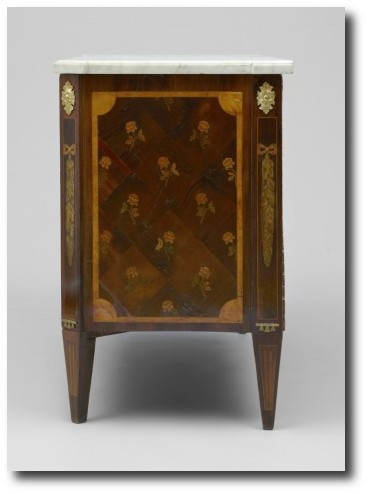
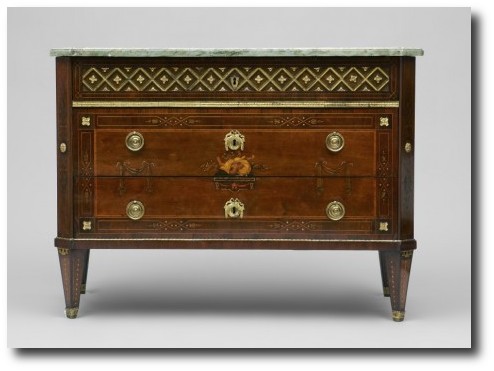
A Swedish Gustavian Chest Of Drawers, by Nils Petter Stenström.
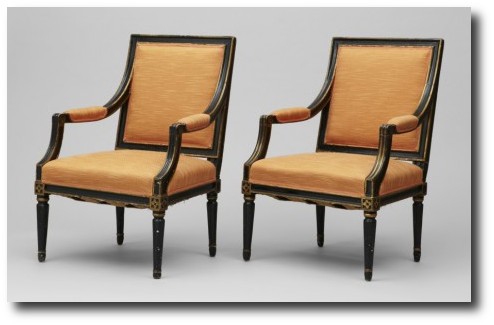
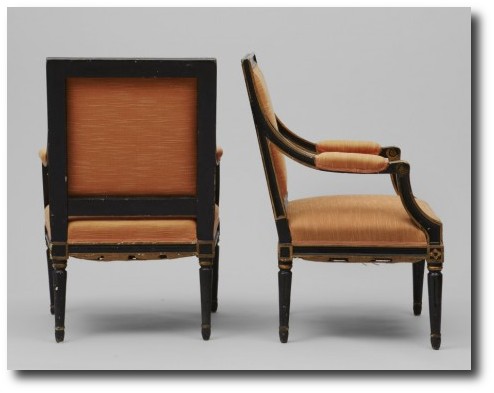 A Pair of Swedish Gustavian Armchairs.
A Set of Nine Chairs, Stockholm. So-called “Swedish model”. Consisting of nine similar chairs. Melchior Lundberg worked as a chair maker from 1774 to 1814. Oval openwork back, fluted legs with rosette carved decoration.
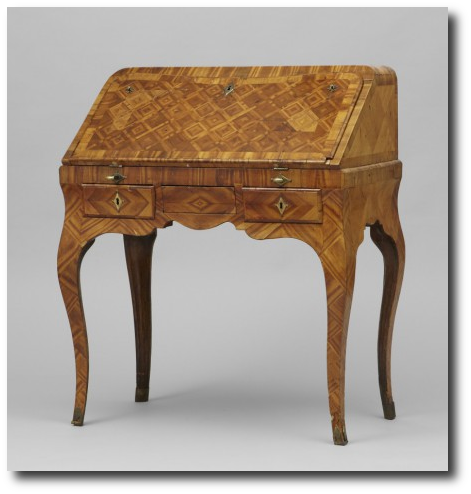
A Swedish Rococo Secretaire, attributed to Olof Martin.
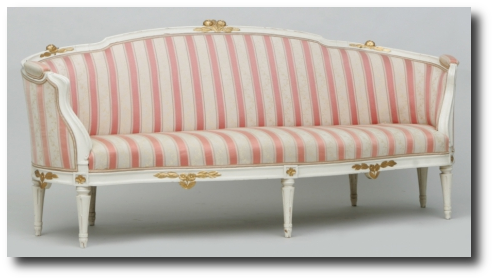
Gustavian Sofa With White Paint and Gold Detailing
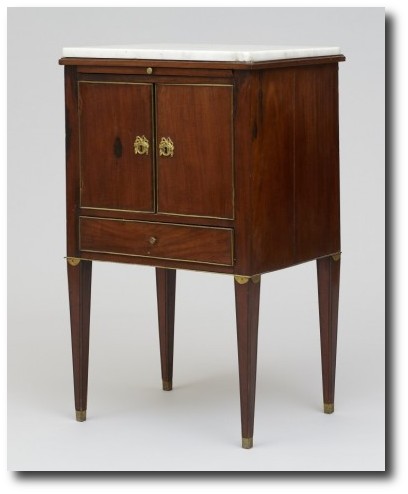
Swedish Style Stand– Mahogany Wood
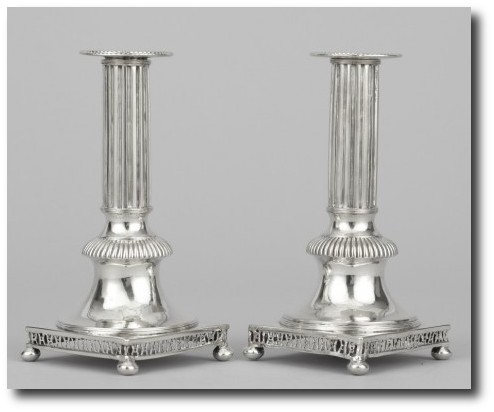
Mikael Nyberg, Stockholm 1798th Gustavian, column shafts, square base plate with lattice rim and ball-feet. Solving candle rings stamped 1795th
A pair of Gustavian candlesticks, by Mikael Nyberg
Swedish Gustavian Wall Mirrors And Clock
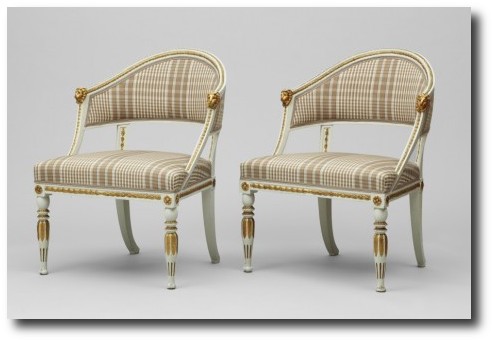 A Pair Of Swedish Late Gustavian Armchairs- Bronzed and carved decoration, saber shaped legs.
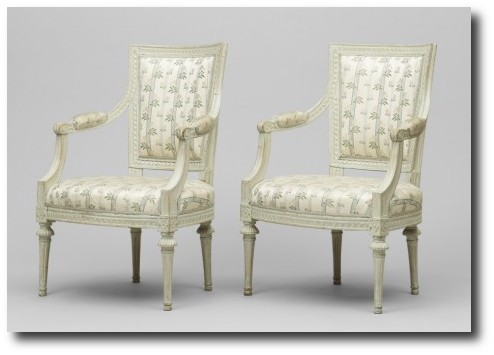 A pair of Swedish Gustavian Armchairs, signed Ephraim Ståhl.
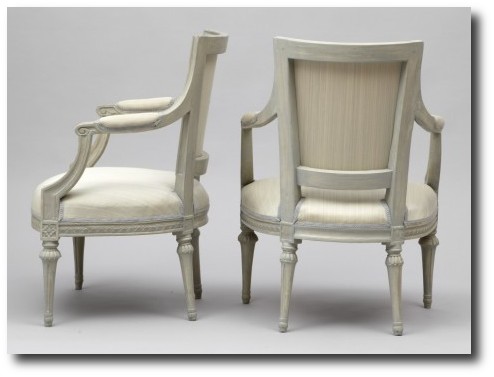
A pair of Swedish Gustavian Armchairs, signed Johan Erik Höglander.
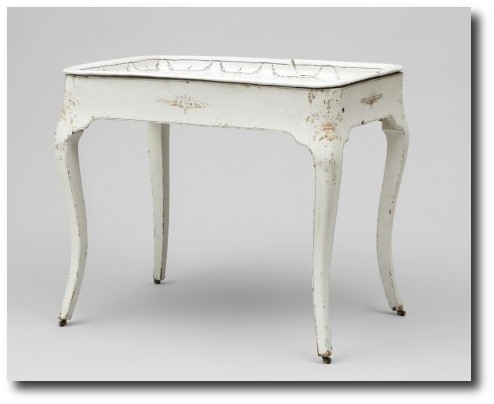
A Swedish Rococo Tea Table
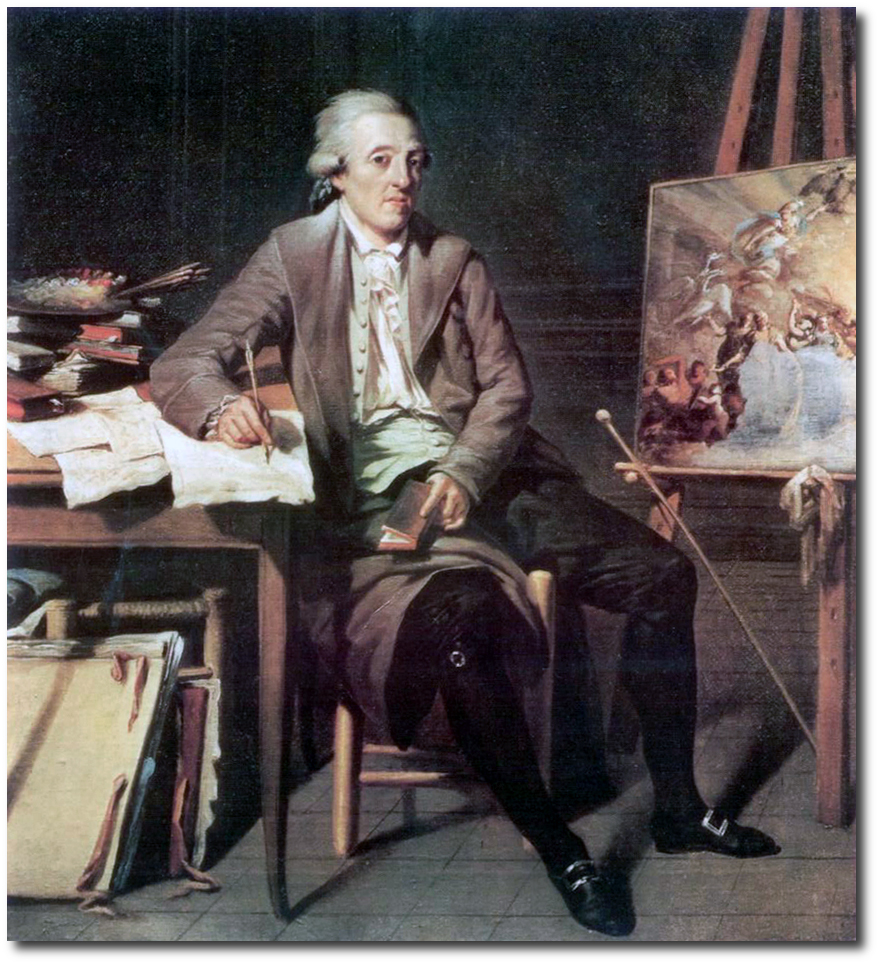
Louis Masreliez- The Designer Behind Gustav III’s Pavilion At Haga Park
Masreliez was born in Paris and began his education at Ritakademien, which was a drawing academy at the youthful age of 10. In 1769, Masreliez was given a study grant which allowed him the opportunity to travel to Paris and Bologna to study. When he left Bologna in 1773, he decided to stay in Paris for eight years,where he then returned to Sweden in 1782 to become a commissioner of the Royal Swedish Academy of Arts. He advanced the following year, when he was made a professor of art history. Then in 1805, he bacame the director of the Academy.
He was responsible for the interior of Gustav III’s Pavilion at Haga Park. In addition he also was responsible for the interior of Tullgarn Palace. Masreliez is remembered for its interior decorations at Haga, Drottningholm, Stockholm Palace in the classical Pompeian style. Masreliez was inspired by the excavations of Pompeii and Herculaneum, which could be seen in his interior design.
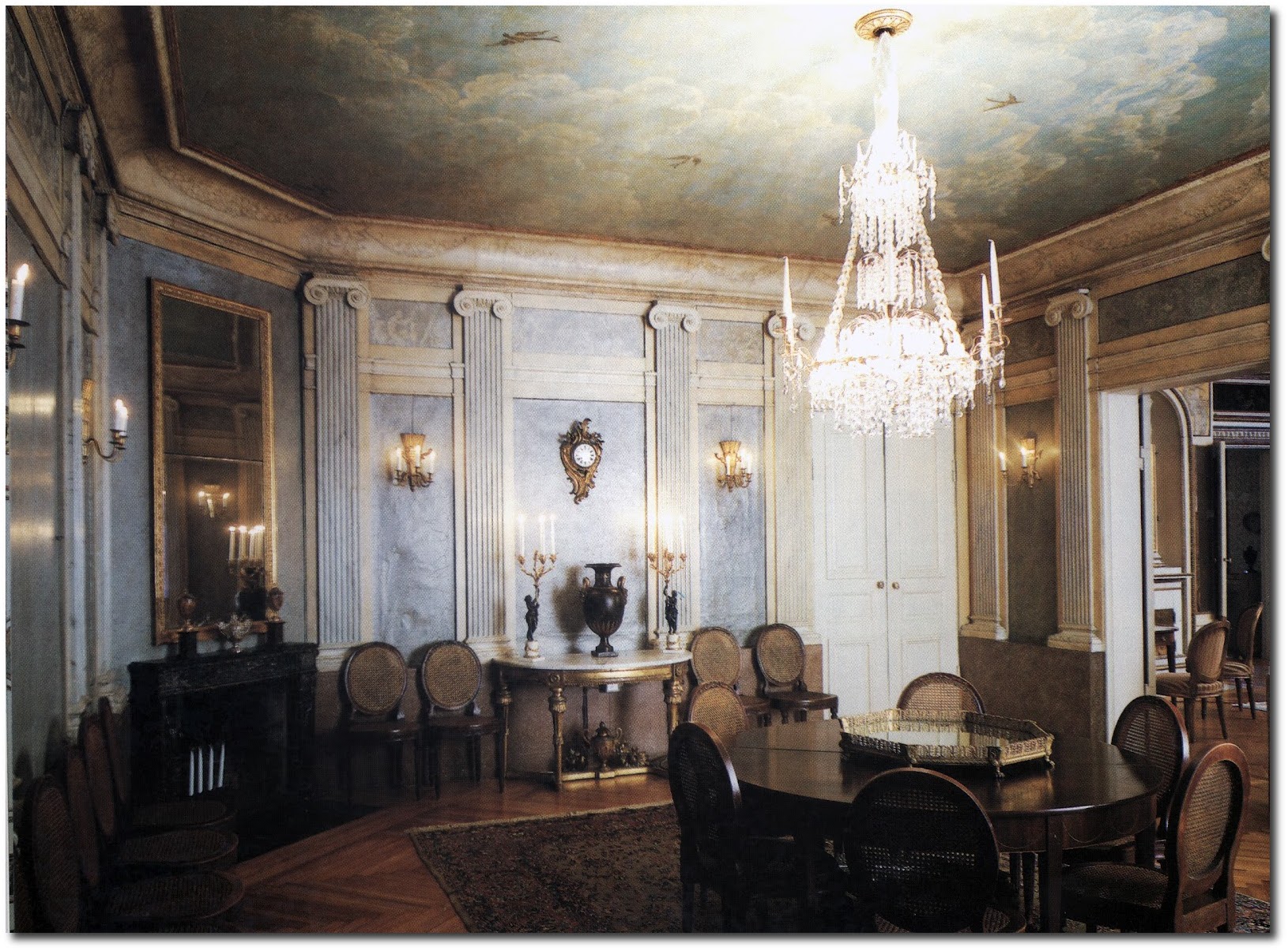
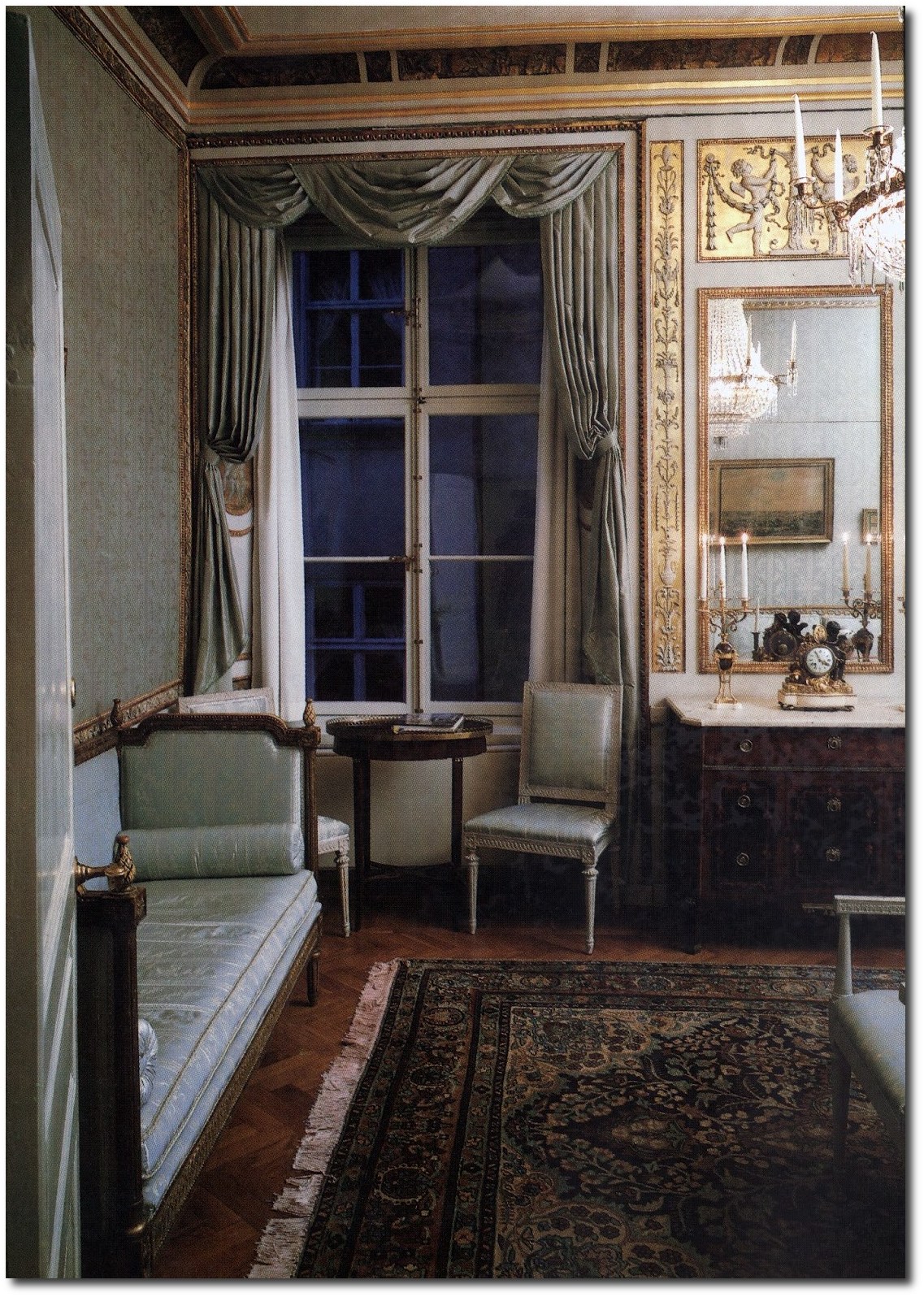
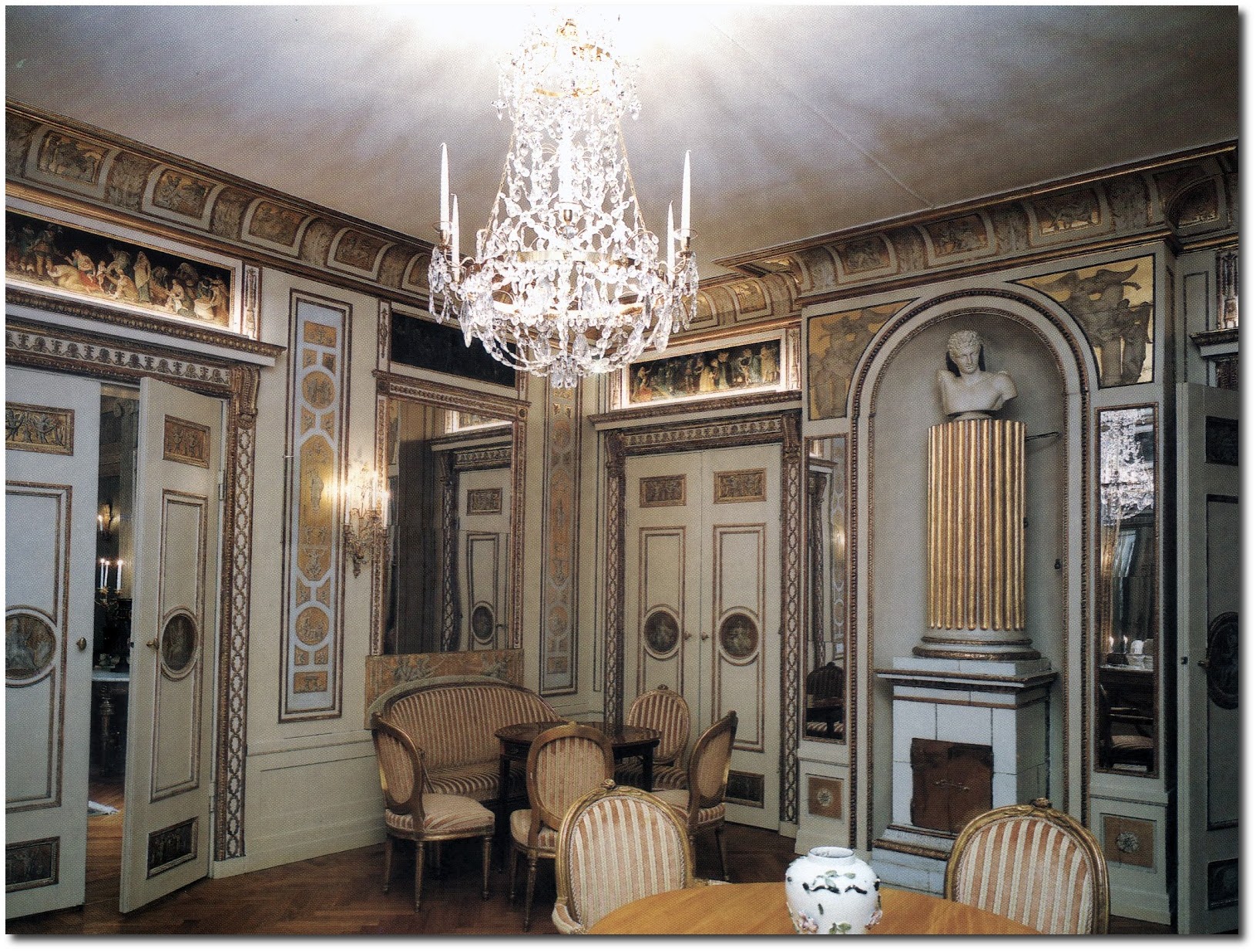
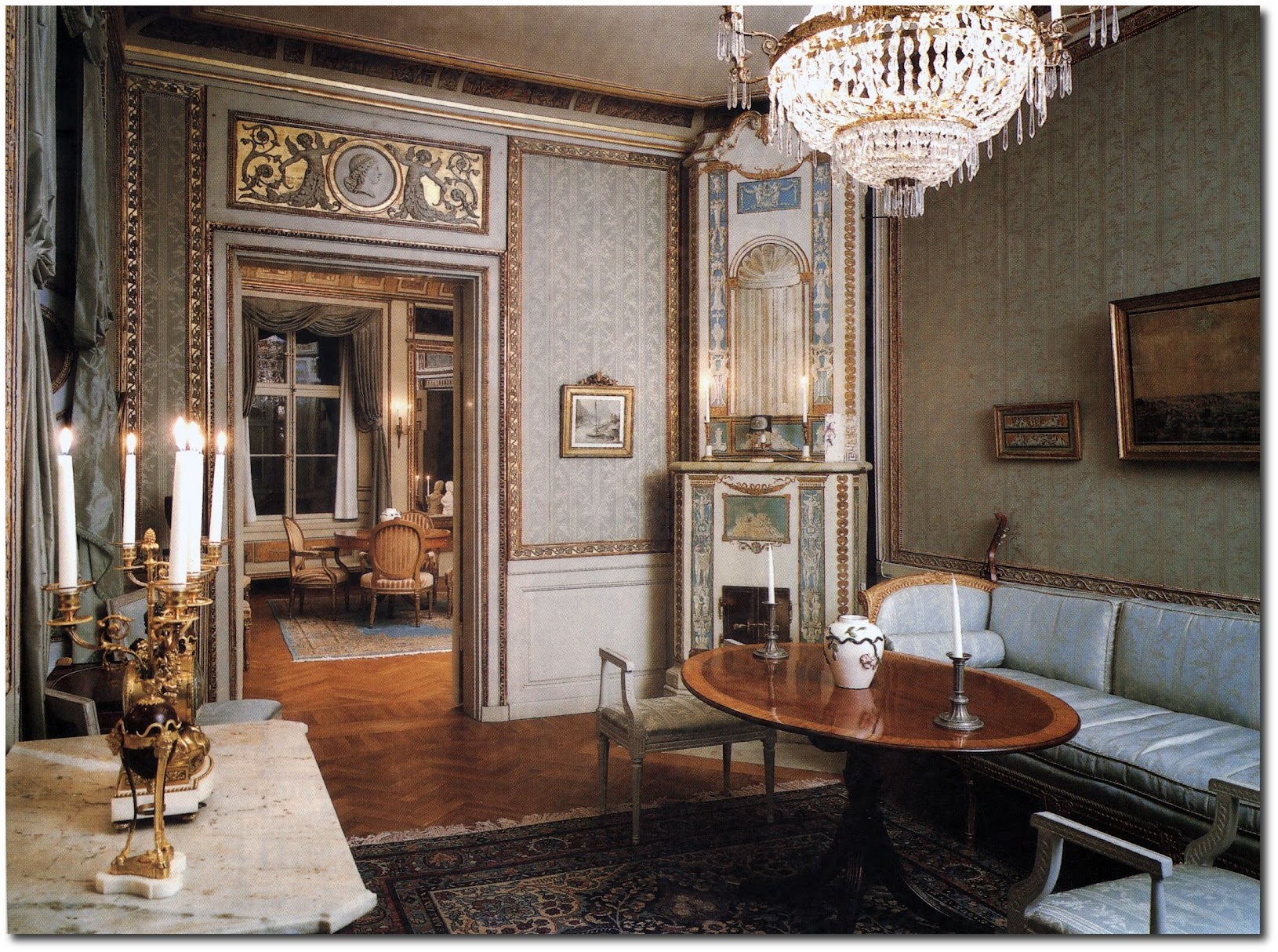
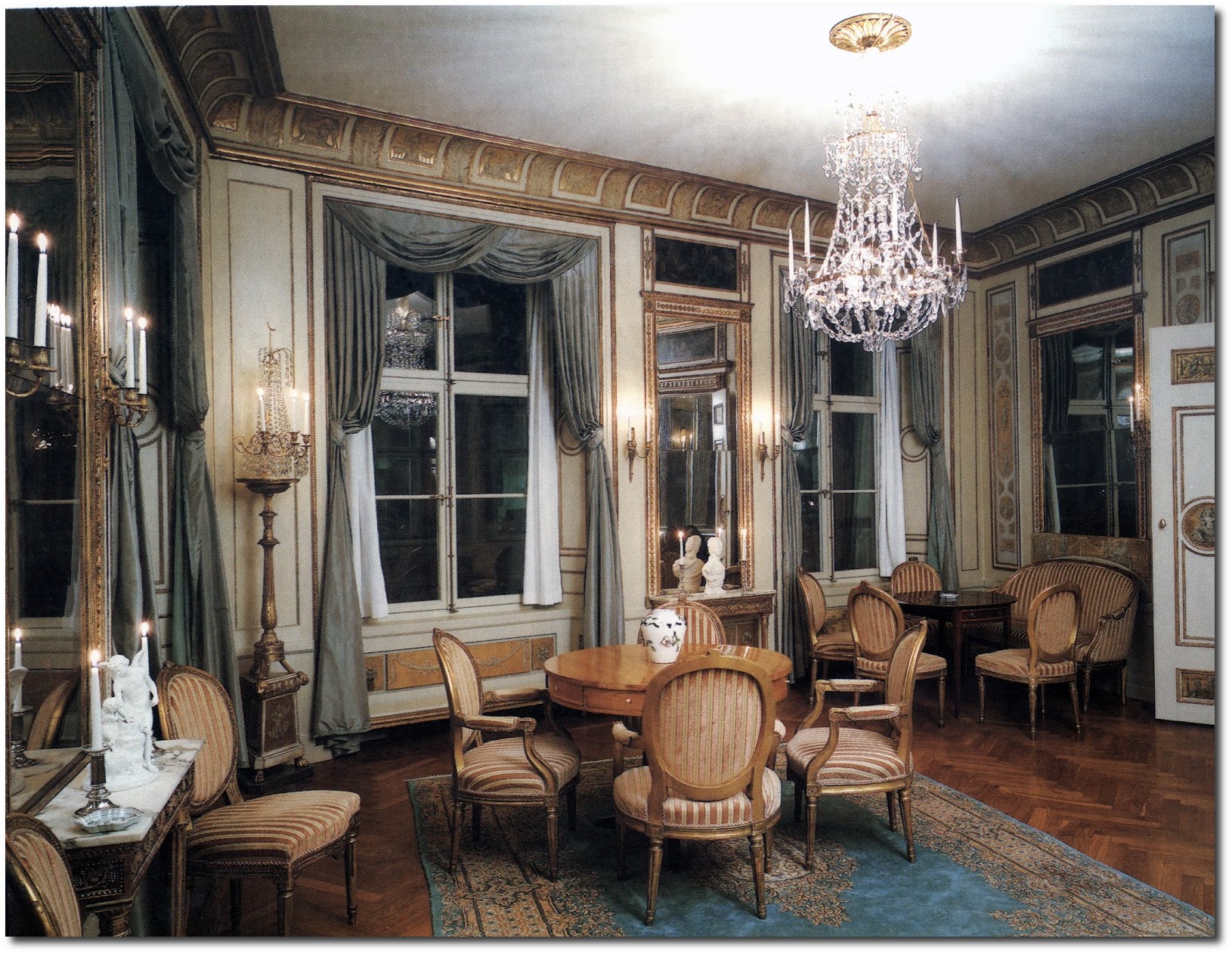
The pictures below in this post are located in Salviigränd, which is an alley in Gamla stan, old town in central Stockholm. On the second floor -Number 1, (the only building in that block not part of the Parliament administration), is a suite of rooms created by Louis Masreliez for the bachelor Wilhelm Schwardz in 1795. Dressed up in pastel, grey, and gold, the elegant Gustavian Classicism interiors features lighted candles, cut-glass chandeliers, taffeta curtains, and friezes and medallions.
A special thanks is to be given to A Connoisseurs Quest Blog for the pictures of Wilhelm Schwardz’s Home in Stockholm- See the entire post “A Peek at the Usually Hard to See House by The Gustavian Designer Masreliez in Gamla Stan, Stockholm”
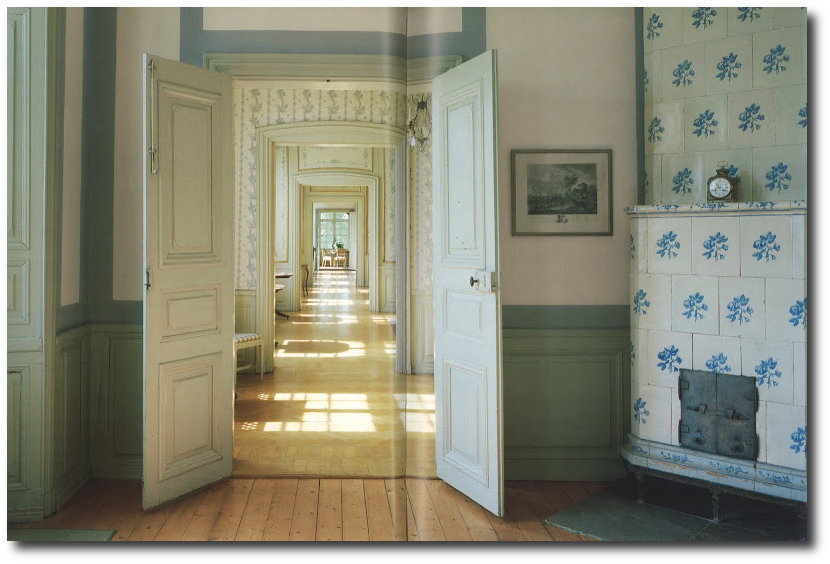
One can see parallels between the Gamla Stan and Sturehov, particularly in the placement of furniture. Larger round tables serve as focus points in both the Gamla Stan and Sturehov. Both of the Kakelugnar stoves also have classical columns which make the base of the stove.
We are happy to discover this designer with you….!
A Nordic Design Staple- The Swedish Kakelugn Tile Stove
These beautiful stoves were first designed in Sweden in the 18th century, as a result of an economic crisis that pushed Swedes to come up with a better way of extending the life of their firewood. It was then that the famous Swedish stove “kakelugn” was born.
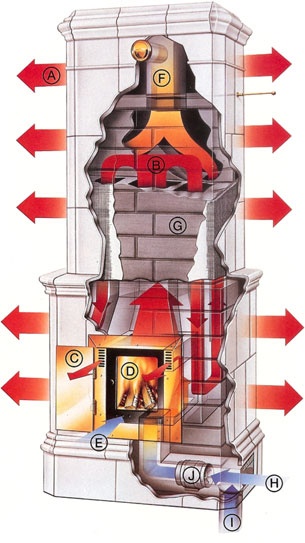
Early versions of the tile stove date back to the Middle Ages, however, two clever Swedes created smoke channels beneath the tile, that held the heat for an extended amount of time. They introduced vents that controlled the burn speed, giving an additional 24 hours of comfortable radiant warmth. With the heat-retaining cast iron core and long multi channel flues, the kakelugns were able to retain heat, keeping rooms warm up to a whole day after the fire is out.
These antique stoves vary in shape. They are often seen round, rectangular, or columnar, and positioned in a a corner or against a wall. Heights range from about 5 feet 10 inches up to 9 and 10 feet tall.
In an article written by Stone Mason, they describe these amazing stoves:
“The period between 1500 and 1800 was known as ‘Europe’s little ice age’. In Sweden, where it was even colder than it is nowadays, it was clear that the constant use of fireplaces from morning till night would eventually lead to the total depletion of the nation’s forests. It was most fortunate, then, that in 1776 Adolf Frederik, the King of Sweden, commissioned Carl Johan Cronstedt to develop a stove that would make better usage of the country’s timber resources.”
“Cronstedt, an Earl, architect, inventor and scientist, was given the tall order of producing a design that would use much less wood while still heating Swedish homes efficiently. An interesting side effect of this commission was that not only was a model developed that accomplished the King’s request, but it turned out to have other unforeseen environmental benefits.”
“Very little smoke is seen coming out of a chimney where these stoves are being used. In the course of the year, a kakelugn regularly used will burn the wood of one medium sized tree”
“One main advantage of the kakelugn is that it burns very hot, typically 1110-1200 C, whereas a standard iron stove burns at around 650-700 C. However, you can safely touch it and feel only warmth”
Stockholms Lans Museum provides us additional information on these stoves:
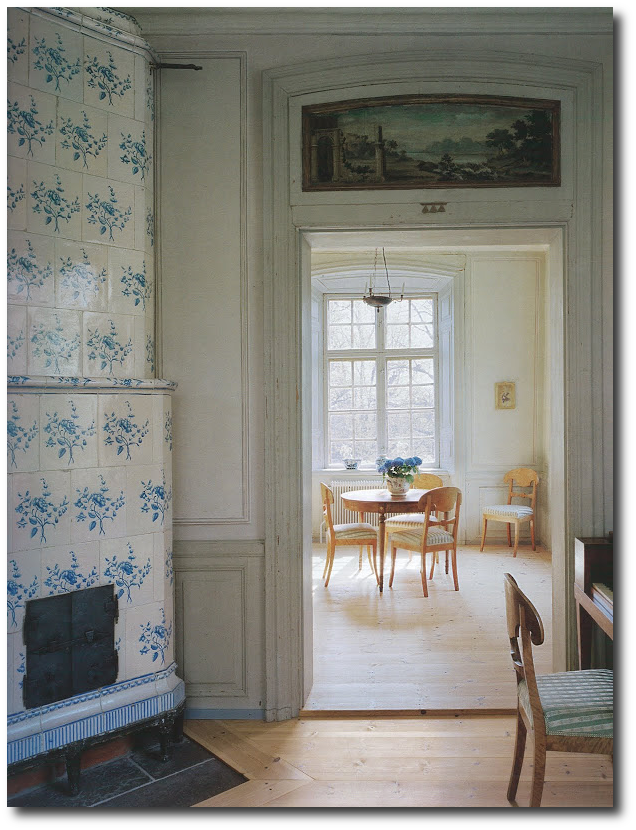
“The decoration was initially cobalt blue but later extended with yellow, green and brown violet. First with the new colors were Rörstrand factory and from 1758 dominated the all colors. But it was rare for more than three patterns of colors in the same oven.”
“In the mid-1700s it was not unusual for dinnerware pattern was used for The Fireplace tiles. The tiles were decorated with repeating patterns where palm branches, Chinese patterns and blomrankor were common motifs. The designs were painted by hand on each tile, always against a white background. ”
“Gradually began to Swedish architects interested in the design of the stove. The workshops were to start from pattern drawings made by Swedish architects rather than making use of foreign models. Fireplace Manufacturing became a domestic crafts.”
“These fine stoves occurred only in castles, mansions and wealthy burgher. But even in these environments were those in the representative areas, the easier rooms put you in the cheaper and plain tile usually green or yellow.”
Kakelugnar empiremasonryheaters.com
Low Tech Magazine suggests that this old technology should be brought back.
“An oven stove is a very efficient and robust oven that radiates heat all day. In the US it was introduced only 20 years ago, but in Europe the technology is almost one thousand years old. Especially in Russia,Scandinavia and Central Europe the oven stove has a long and rich tradition. In the 18th century, several European governments financed research to improve the technology, as a way to overcome an acute shortage of firewood: ecotech before the term existed.”
“traditional Swedish tiled stove (kakelugnar) is so beautiful and iconic.”
Additional Links
-Stunning White Stove Taken By Kasmil on Flicker
-Blue and White Stove From Gissa’s Flicker
-A Beautiful Room In Ekebyhovs castle.
-Kakelugn Tiled Stove –Victorious Felines
-Tiled Stove –Victorious Felines
-Swedish Cafe House –Eric Ebel
-Late 19th Century Swedish Ceramic Tiled Stove- KBHS Photostream
-Kakelugnar (Swedish tile stove)


Swedish Antique Mirrors
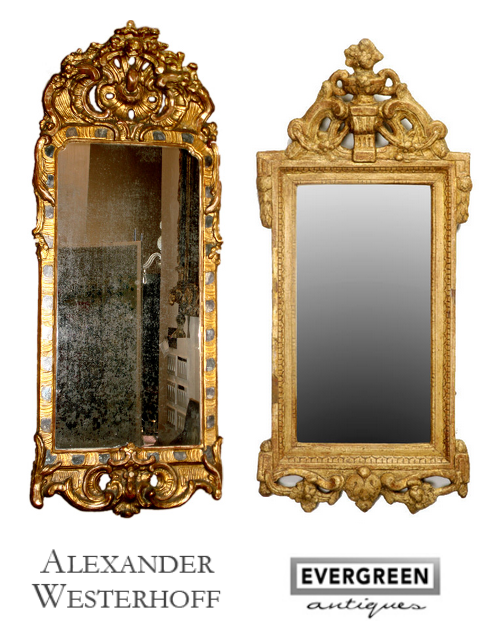
Period 18th Century Danish or Swedish Mid-18th Century Pier Mirror
A small Swedish Gustavian giltwood mirror, Late 18th Century
Swedish mirrors have undergone a number of styles since they were introduced in the country in the 1600s.
German glass makers helped to lead the way, and they created mirrors in the baroque style of their home country. This included carved frames and a single pane of glass. Carvings could be simple or ornate, and frames could be square or rectangle, as seen in this mirror From Cupboards and Roses
Mirrors could also be made more ornate by hanging a curtain over them. This added a bit of flair and formality to the mirror.
A century or so later, more people began acquiring mirrors and the style switched to that of Swedish Rococo. This style featured carvings of shells or arabesques, and the frames were gilded and asymmetrical.
Shortly thereafter, another style evolved. The Gustavian style saw mirrors that were influenced by neoclassical aesthetics. Frames were richly carved and featured intricate leaves, ribbons and crests.
These neoclassical mirrors feature a pair of sphinxes on each mirror on either side of a fruit-bearing
pedestal.
By the early 19th century, the aesthetic was changing again. Roman and Egyptian influences made themselves known, and mirrors featured carvings of things such as lions, sphinxes, and griffins. The frames also took on a distinctive shape, with semi-circular domes at the top and straight edges along the bottom.
This Swedish pier mirror, shows neoclassical details inspired by Napoleon’s Egyptian campaign.
By the middle of the century, mirrors became much more common in everyday households, and production methods became more base. Decoupaged frames became common, or they were veneered.
The style evolution of Swedish antique furniture mirrors was influenced by a number of factors, and it produced some gorgeous mirrors that make excellent collector’s items now.
What is your favorite style of Swedish antique furniture mirror? Share your thoughts or your finds in the comments!
About the Author:
Alexis Bonari writes for one of the largest open databases of college funding opportunities. Specific topics like scholarships for cosmetology school are described in detail to provide multiple resources for students.
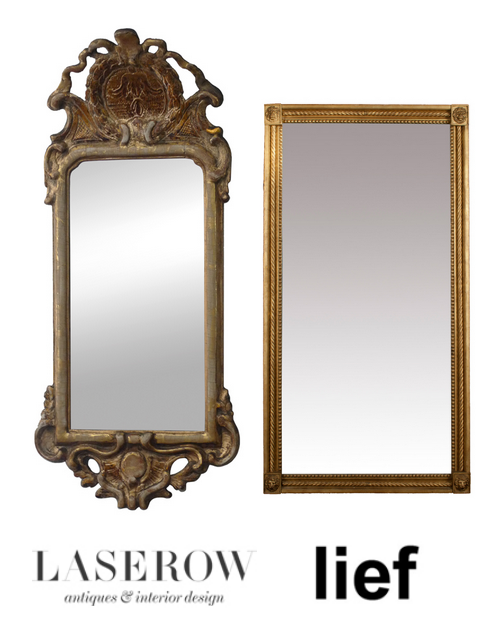
Swedish Transition Rococo/ Gustavian Mirror
Turn Of The Century Apartment In Sweden- Interior Design Files
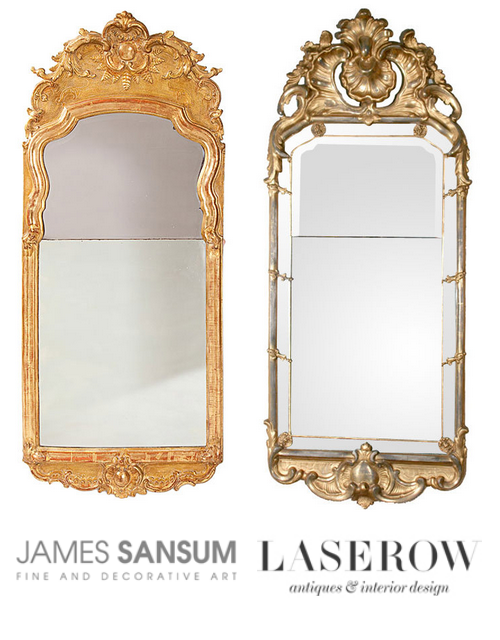
This fine Swedish Adolf Fredrik period rococo gilt wood mirror has carved C-scrolls and foliate motifs.
Swedish Rococo Mirror with gold leaf on wood carved frame and a mirrored
inner frame. Stamped NM (Niklas Meunier), active between 1754-1797.
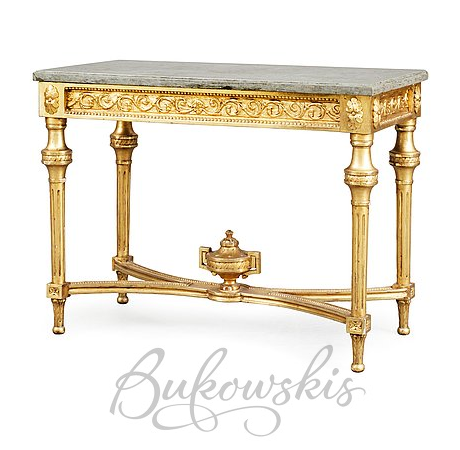
Parlor Table Gustavian Style
Wedding at Trollenas Castle (Trollenäs Slott) in southern Sweden
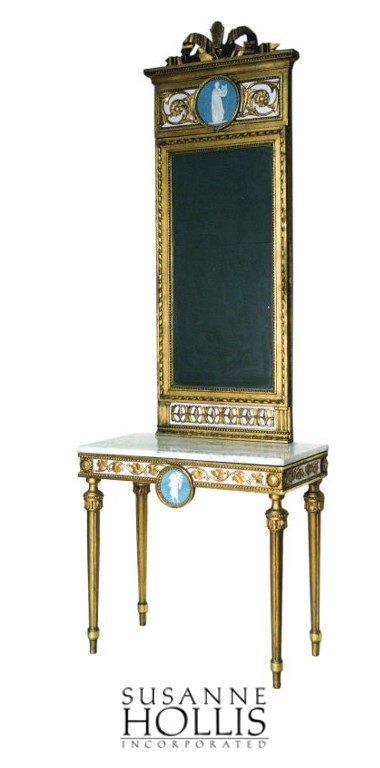
Swedish neoclassic console and mirror. The console having a veined white marble top above a frieze with carved foliate motifs and a central medallion, sitting on tapered fluted legs.The rectangular mirror having a plate within a robed border surmounting a rectangular top crest and medallion within foliate ribbon.
de Gournay Wallpaper
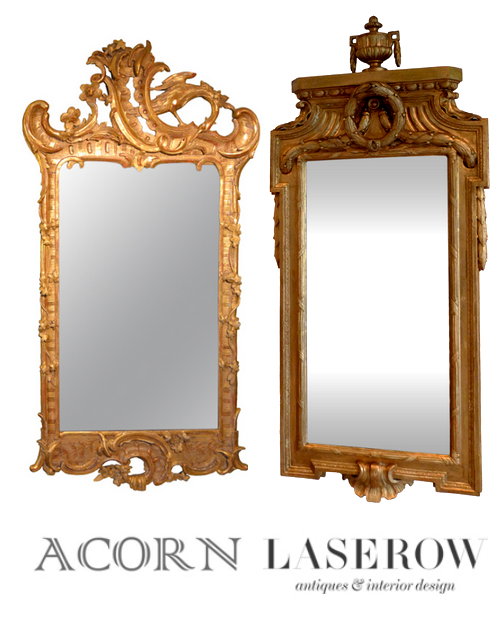 Danish Rococo Mirror 1750– Dietrich Schäffer, born 1730 in Keyla, Thuringia – died 1778, was a German Royal Court carpenter employed at the Danish Court in Copenhagen in the 18th Century. He was one of the main Rococo furniture artists of the time.
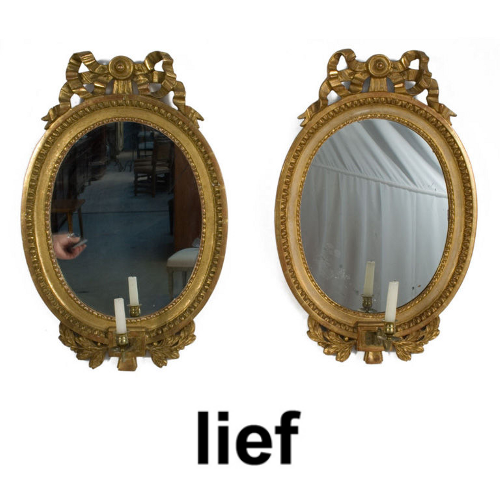
Lars Sjöberg and his Swedish manor Ekensberg- World Of Interiors Fall 2008
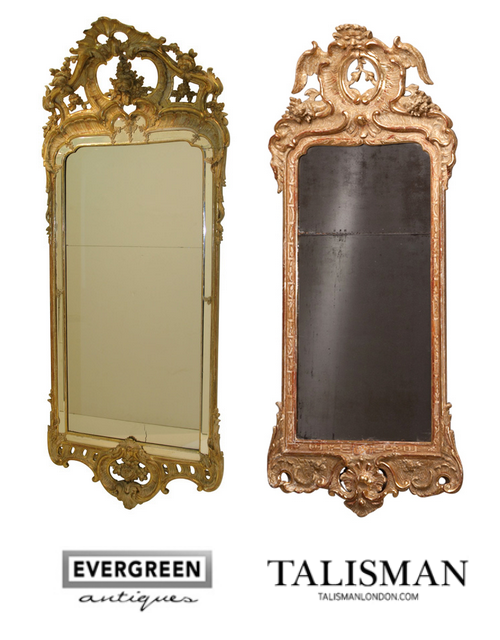
A Swedish Rococo gitwood mirror, Third Quarter 18th Century, the divided mirror plate surrounded by a molded giltwood frame with a beveled glass panel, surmounted with a pierced shell, foliate and scrolled crest, the lower section with similar carving.
A Superb Swedish Rococo Gold Gilt Mirror circa 1760
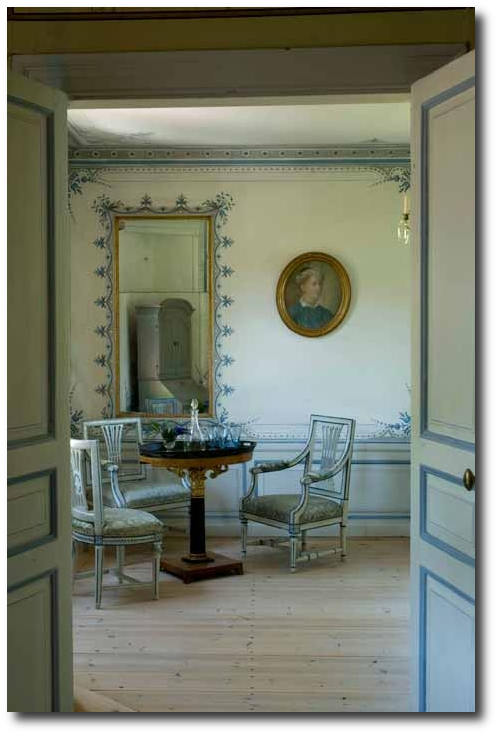
Swedish Interiors- Originally Uploaded From Kristin Fägerskjöld on Pinterest
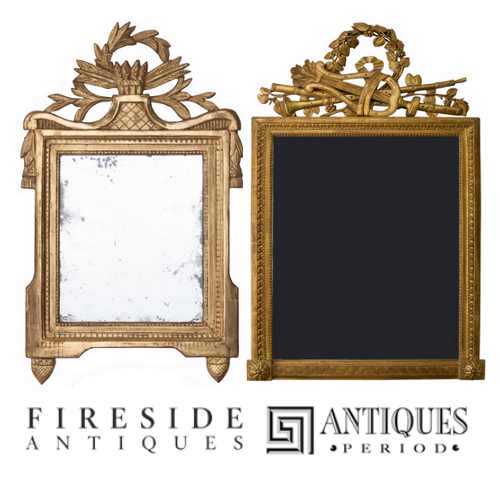
French Directoire Period Giltwood Trumeau Mirror-A petit French Directoire period giltwood trumeau mirror with sheath of wheat cartouche and other neoclassical detailing (Circa 1790). Nice old mercury glass.
Petit Louis XVI Period Giltwood Trumeau Mirror-A petit French Louis XVI period giltwood mirror with a pair of doves and wreath cartouche, laurel leaves and other neoclassical detailing, and nice old mercury glass (“trumeau de marriage”) (Circa 1780).
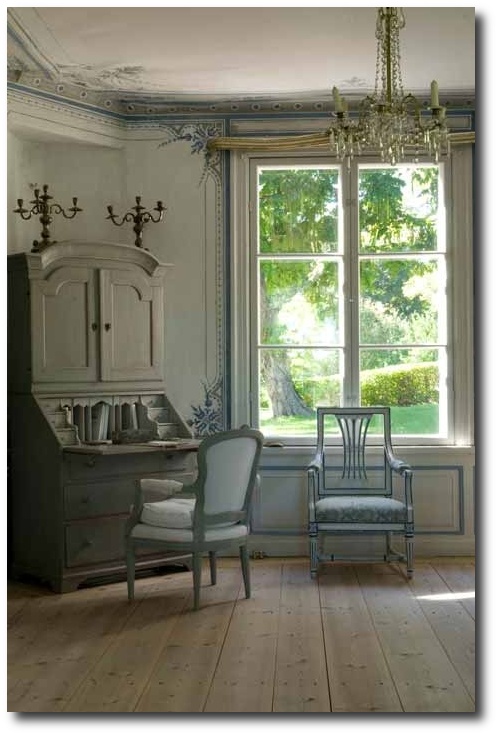
Swedish Interiors- Originally Uploaded From Kristin Fägerskjöld on Pinterest
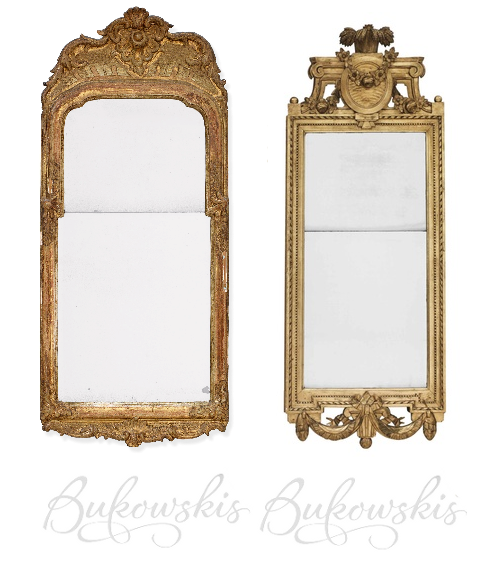
Gustaviansk crested with wheat signed Johan Åkerblad, Stockholm circa 1760- Gustavian Mirrors
How To Decorate A Child’s Room In The Swedish Style
Children dream in vivid color, and anything is possible to them, so why not create a room fit just for their personalities? When it comes to decorating your child’s room, you simply cannot go wrong, because almost anything is pleasing to them. Even if you try to create something special, they are overjoyed at your choices! Children love rooms where they can express themselves, and be creative. Imagination and playtime, – think of those two concepts while you are gathering ideas for their room, and you will do well with an overall theme…..
Most parents feel they can go a bit more daring in a child’s bedroom than what they would do for the rest of the house, which is why it is so darn fun to design kids rooms- you can be a bit crazy and get away with it.
Here are a couple tips to getting a great look for your kids room decor……
1. Invest In A Few Key Pieces- Don’t be afraid of buying an expensive piece of furniture for your kids room. A great chest, or genuine chair can stay in their room for years, and stay in the guest room when they move out and get married.
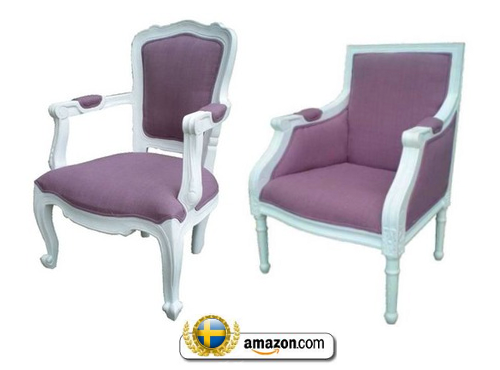
A great vintage reproduction play table would be a great focal point in a child’s room. Functional pieces that are also visually attractive should be the goal. This Louis XVI Child’s chair would match the Swedish styles quite well. Consider upholstering it with material that matches your child’s drapes and bedspread. This play-table would be great in a little boys room where red, and dark blue would say “I am a Boy“.
Get the general look of the Swedish style, by re-purposeing furniture. Change the hardware, paint furniture, and use a lot of distressing techniques to get the old appeal into the overall look. Buy transfer-ware tea sets for your little girl, and use a vintage french provincial end table, and re-purpose it with child’s chairs. Add wheels to the bottom of the end table to lift the table higher to give your children’s legs room to stretch out. French style play tables aren’t so common, so get the look using a vintage french end table.
Decorating doesn’t have to be expensive. Look out for vintage toys at your local flea markets, antique stores and thrift stores for great looking toys to decorate with. Wood has always been a signature style of the Swedish look. Melissa & Doug have great faux food which will make you want to join in for “tea time”
2. Decorate With Vintage Toys- Antique wood furniture can be painted, and roughed up unlike plastic. Greenleaf Doll Houses come in kits which you can set up, and paint. A vintage nightstand from ebay or craigslist might be a perfect match for a dollhouse. Customize the table to match the dollhouse.
Buy a wood rocking horse, and paint it yourself. You CAN get these horses for less than $1800! On ebay some of the vintage horses sell for $150 or so, which would allow you to customize it yourself. Kids are pretty rough on furniture, so putting genuine antiques in their room, isn’t the best of ideas. Buy something that looks great, but also something that if it gets damaged, you won’t be bent out of shape over. Invest in a few key pieces for their room, such as a bed, or a chest. The bigger pieces will set the theme, rather than the smaller items.
3. Invest In Storage Furniture– Kids have a heck of a lot of toys, and spending money on decorating a kids room does no good if there is no place to house their endless play toys. Ikea has a number of shelving which can be stacked and customized. The Expedit series has worked well for organizing kids toy collections. Organize your kids toy collections with shoe boxes. Buy matching bookshelves which you can devote an entire wall to. Back your child’s bed up to the bookshelves, which costs you only a couple of inches of space, but also save you from walking all over their toys.
For more ideas check out my pinterest page devoted to Children’s rooms……
Children Looking Into A Swedish Antique Shop- Credit
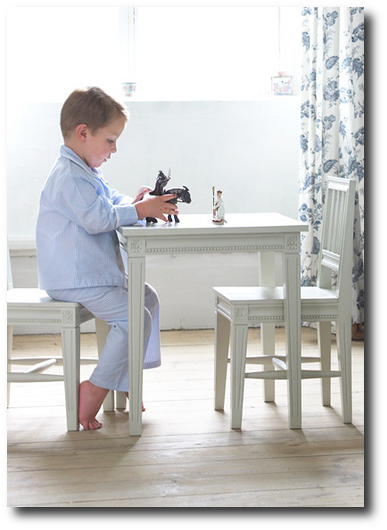
This boy is sitting by a lovely Gustavian childs table. The table has hand carved fleur medallions and a hand carved pearl bead border. The small Gustavian childs chair has the same hand carved pearl bead border. –blog.dnevnik.hr
Childrens Room With Swedish Bench
3D wallpaper from an installation by Swedish Deisgn Front Group
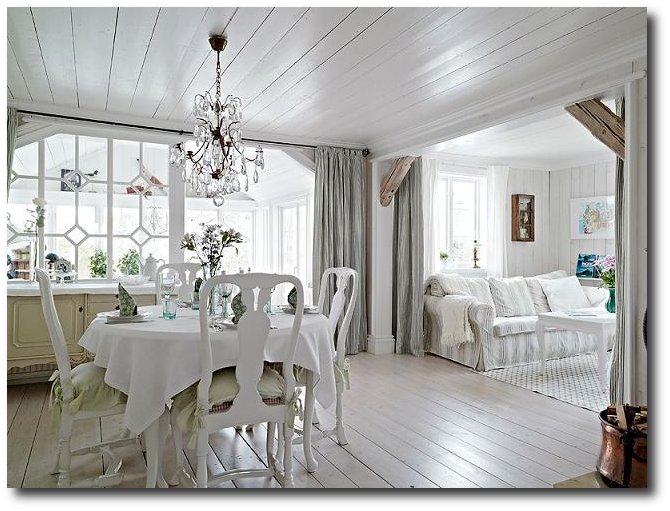
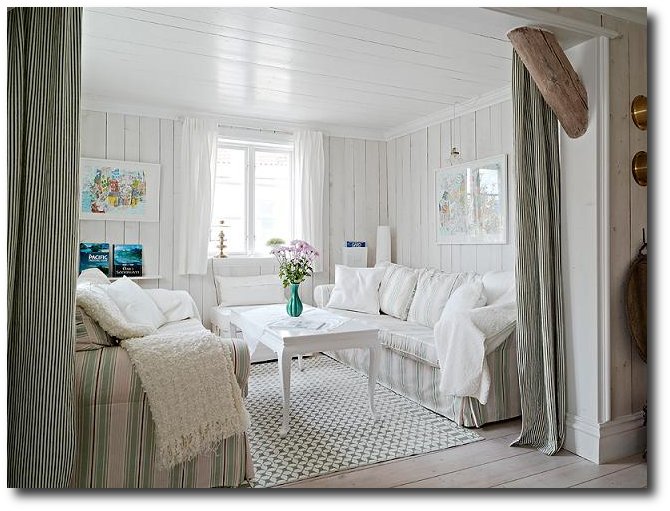
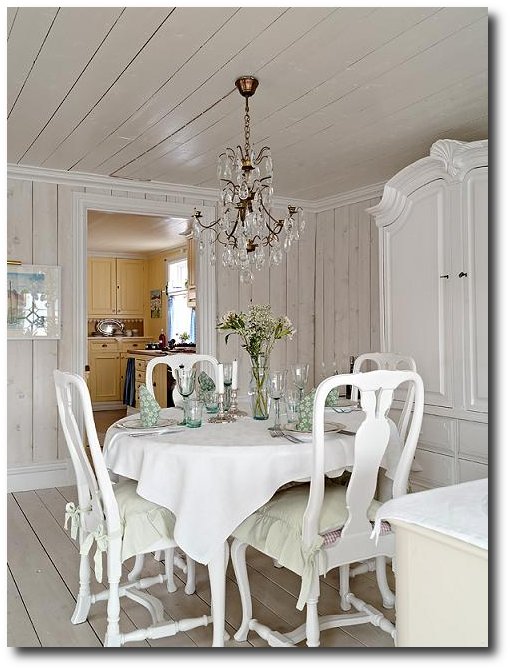
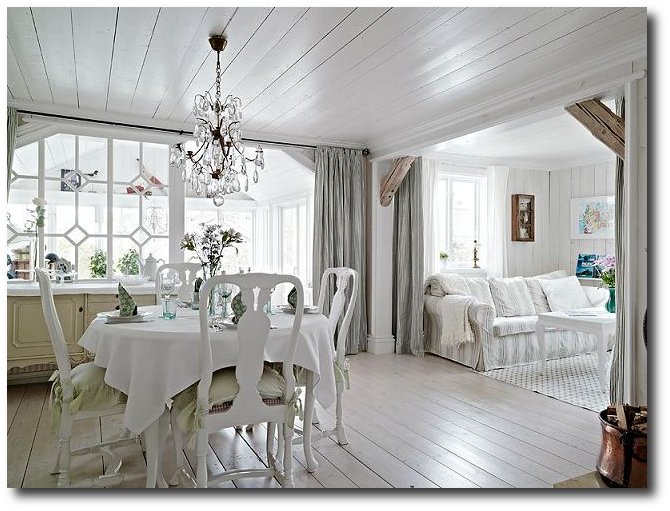
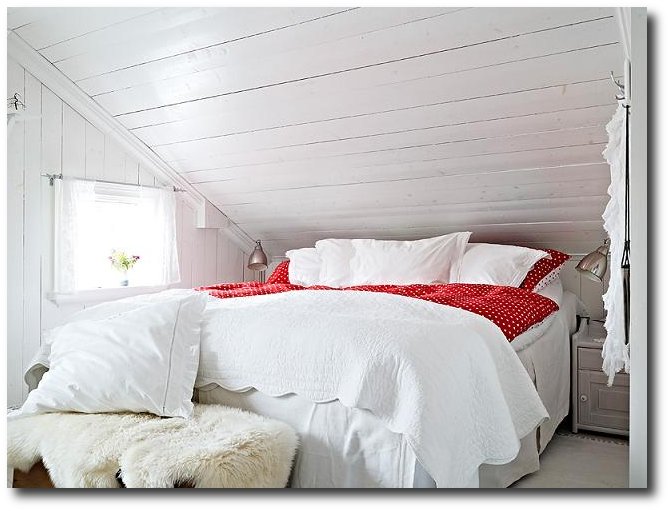
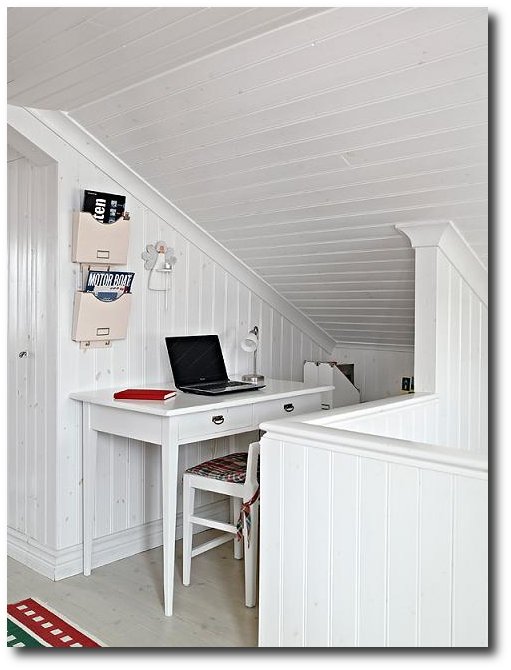
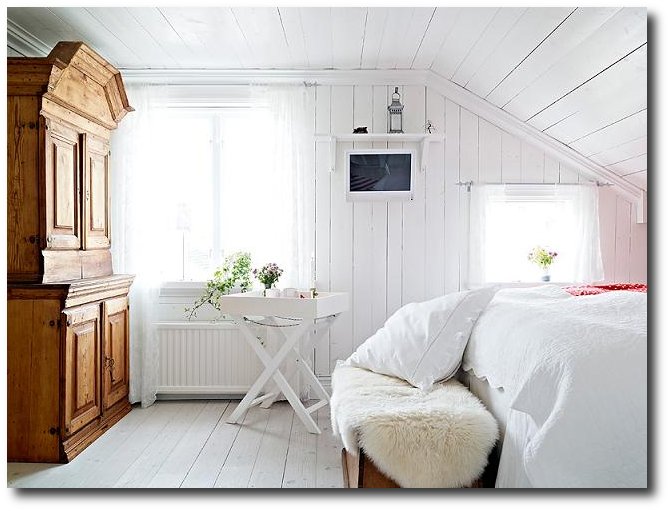
This beautiful old house was built in Sweden in 1972 and then renovated with elements of the Gustavian style. Shades of ivory and white make the interior look light and airy. Restored wooden floors, painted beams and old furniture in combination with white create a simple and elegant atmosphere. To see the rest of this renovated 1972 Swedish farmhouse, read the story on the Inspiring Interiors blog.
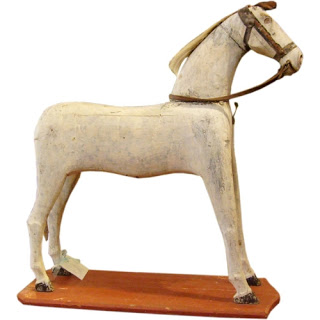
Wooden Antique Horse – patmonroeantiques.com
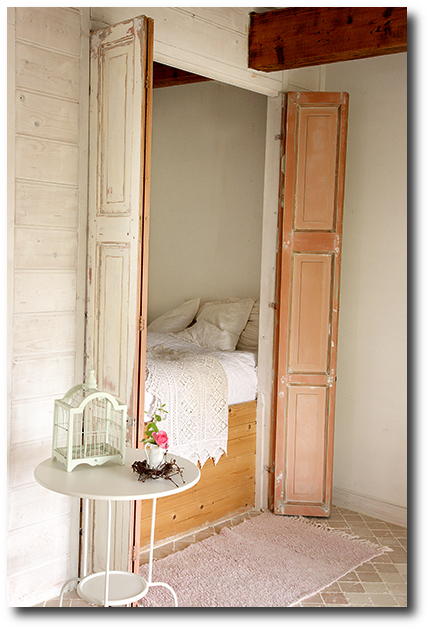
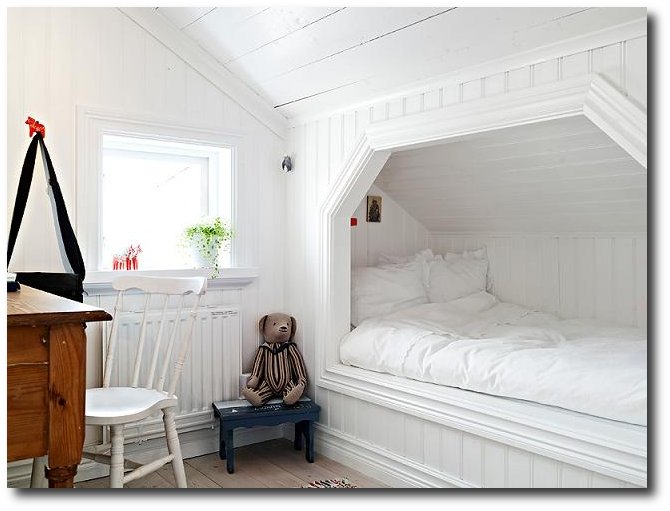
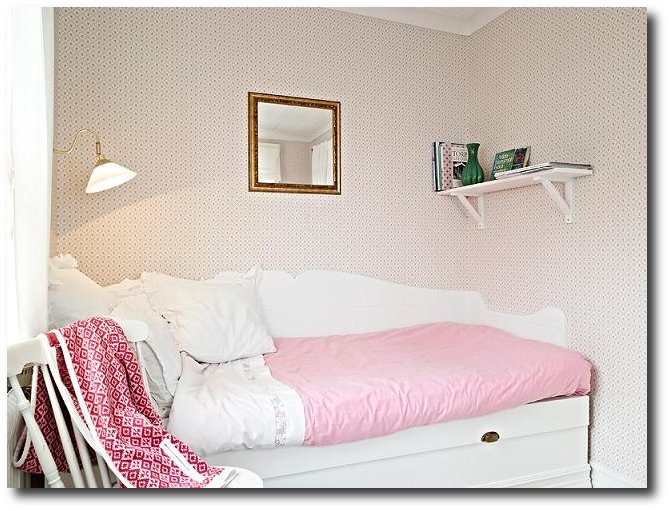
Bedsteads were up in the 19th century used a lot, especially in the rural areas in farms . One of the advantages of a bedstead was that through daytime use, the curtains or doors could be closed, making thius style of furniture open to being in the living room in smaller homes. Bedsteads also took on the appearance of a closet, where behind closed doors a bed would funtion through the night, while the day time, a working area with table and chairs, sofas could allow a person functional living. Another advantage was that a bedstead retained heat well. The small space, or closet locked in the body heat of the sleepers.
Kids Photography by Nina Say Cheese
Swedish Gustavian Louis XVI period painted chest of drawers with raised
reeded detail , three drawers and dental molding around the top.- Berkshire Home & Antiques
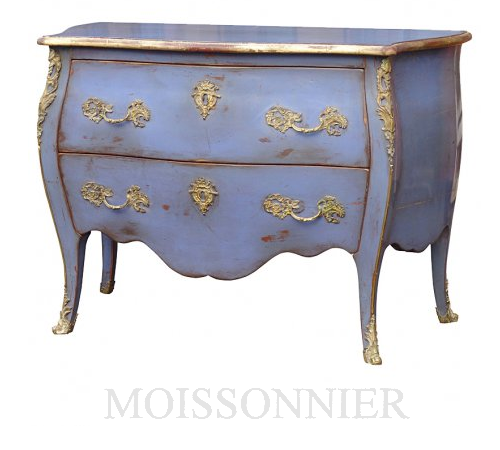
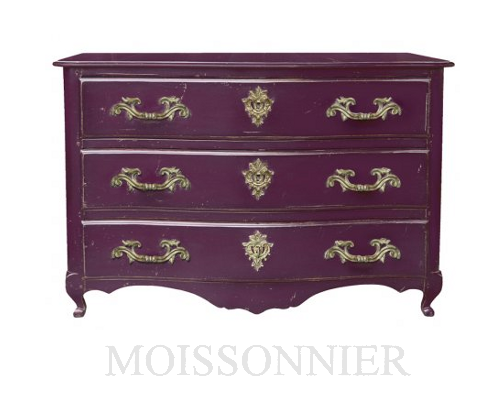
French Commodes – Available Through Cote France
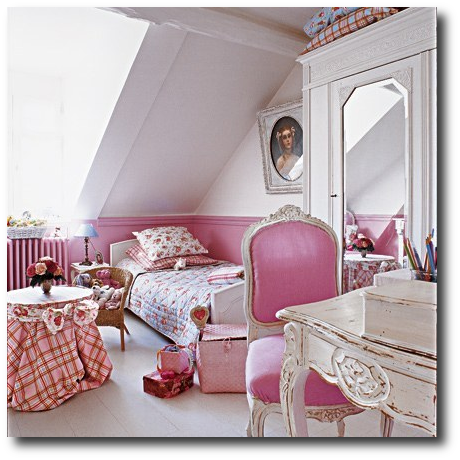
Photo credit: Marie Claire Maison
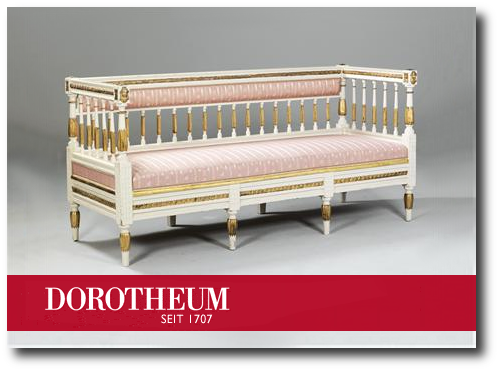
Gustavian period – Neo-Classical bench seat,Sweden, end of the 18th century.
A hard and softwood bench later partly painted in white, with openwork decoration in the form of acanthus leaves, painted with gold. Dorotheum
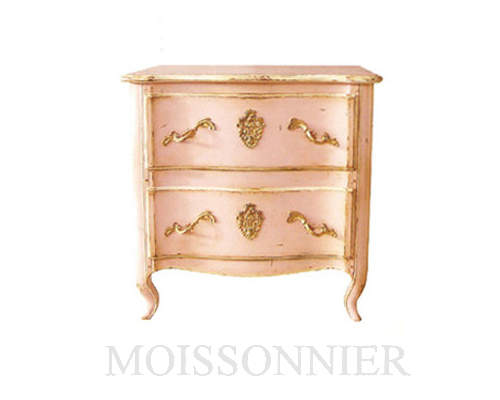
25 Ideas Of How To Incorporate Orange, Pink and Coral Into Your Home- French Provincial Furniture
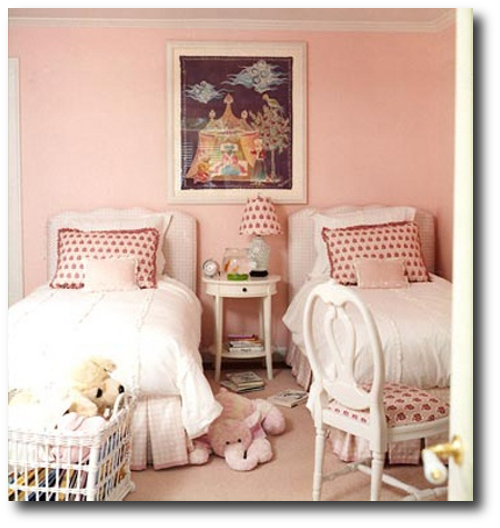
Domino Magazine
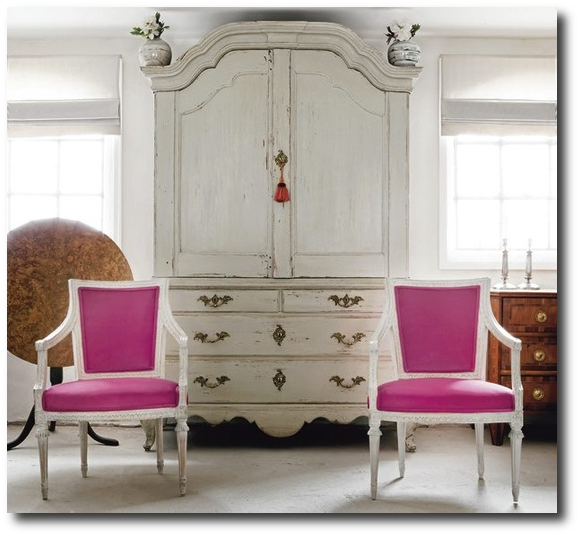
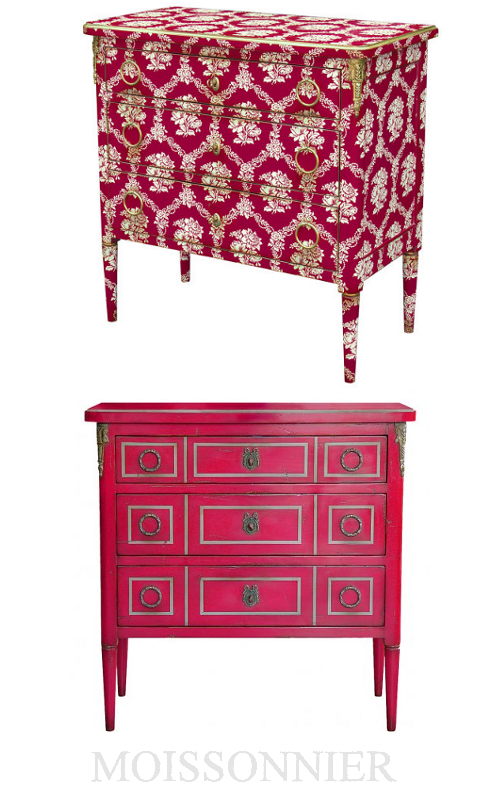
Commode Gabriel- Available Through Cote France
Get Some Ideas From These Colorful Gustavian Chairs sold through Brownrigg
A fine set of six, early 19th century, painted Gustavian dining chairs, retaining the original paint, and been recently reupholstered by us in a vintage linen hand dyed in pink, with a double piping contrast vintage linen, again hand dyed in yellow. Sweden Circa 1800
Karin Laserow Antiques –Gods & Gårdar
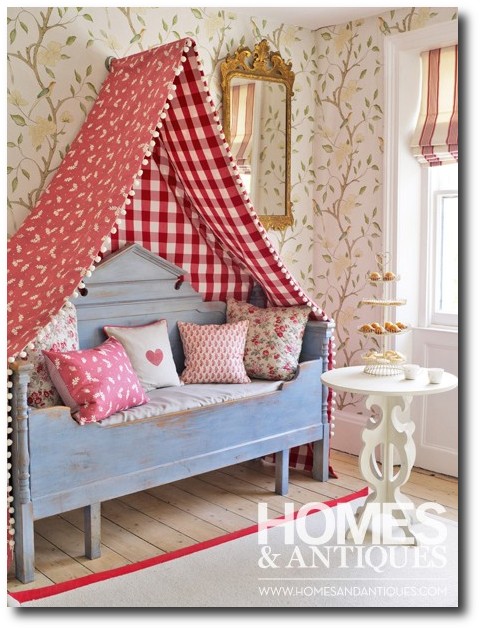
Sasha Waddell -Homes & Antiques September 2010
Katie Ridder Rooms Available through Amazon- Seen On Peak Of Chic Blog
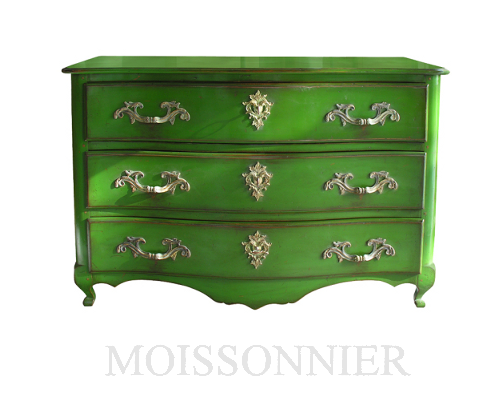
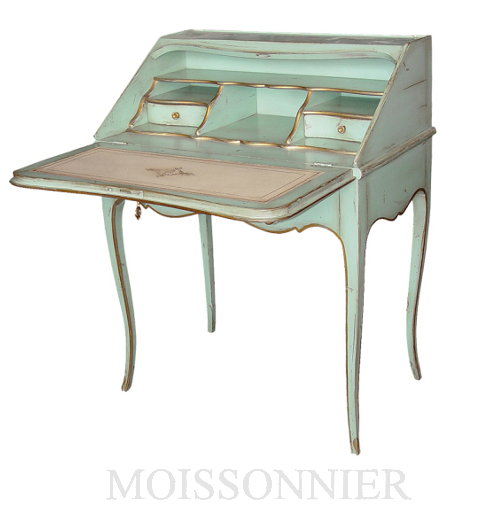
Swedish Folk Art hung on the wall can add whimsy to a room.
Consider hanging a colorful handmade quilt on the wall.
Photo Credit- Project Nursery
Swedish Slipcover Ideas From In My Carport Blog
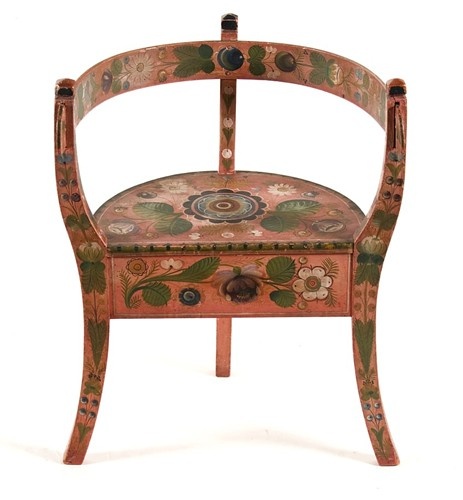
Norwegian Corner Chair With Salmon Background- Jeff R. Bridgman American Antiques
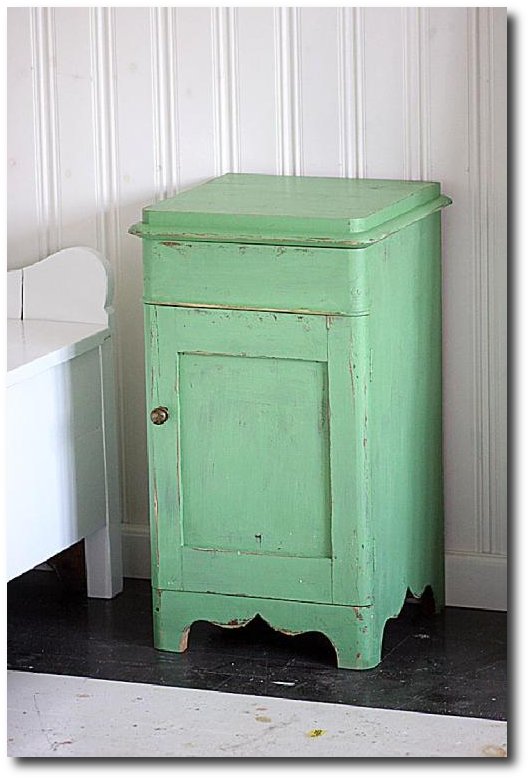
Nordic Style Bedside Cabinet – Nordin Farm Blog- Orginally Featured at Ville Kulla
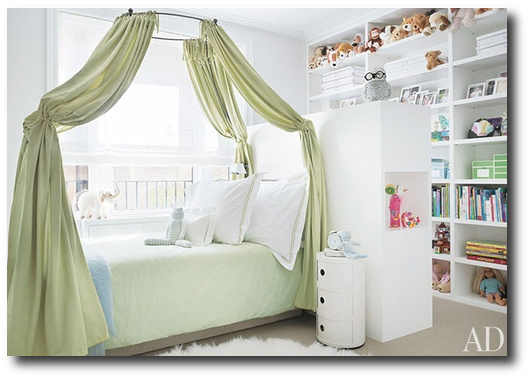
A canopy bed by Anthropologie is draped with a Pierre Frey cotton; the side table is by Kartell.
A Perfect Boys Bedroom With Classic Swedish Check By Bibelotte
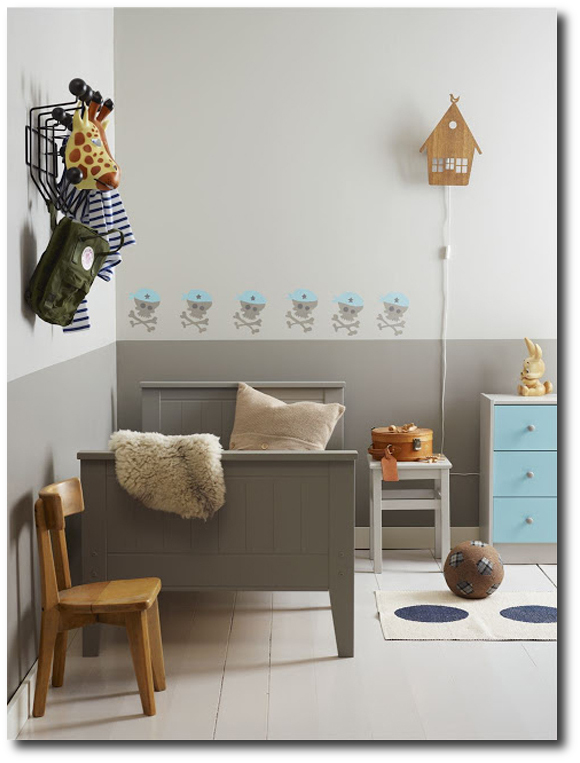
The Norwegian paint company Jotun has created a catalog of inspiring children’s environments to show exactly how best to use their paints
The Norwegian paint company Jotun
French Commodes – Available Through Cote France
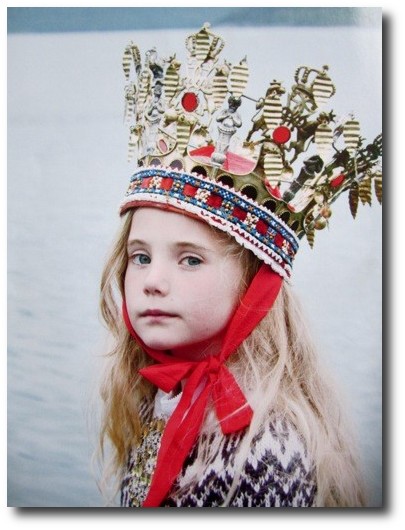
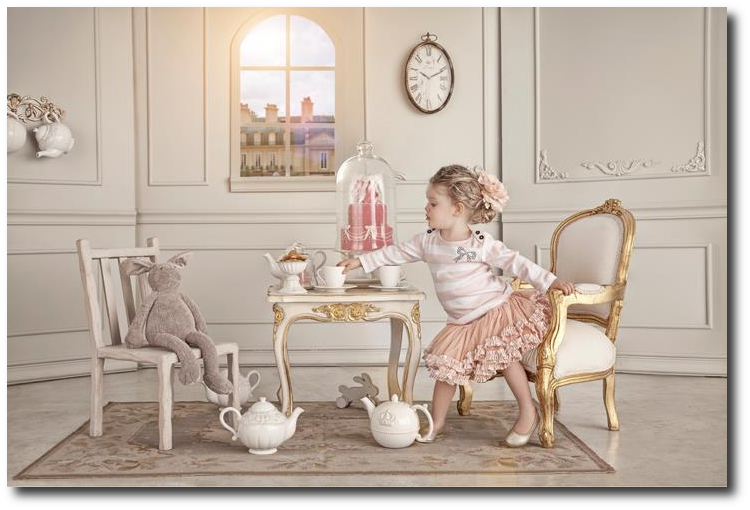
Milk Magazine -Norway Photographed by Sandie Carol Dougnac
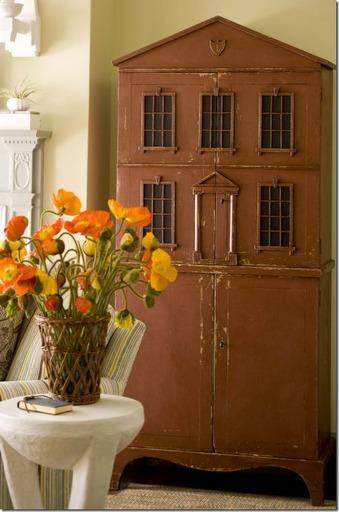
Use Vintage Cabinets and Dressers and Make Your Own Standing Dollhouse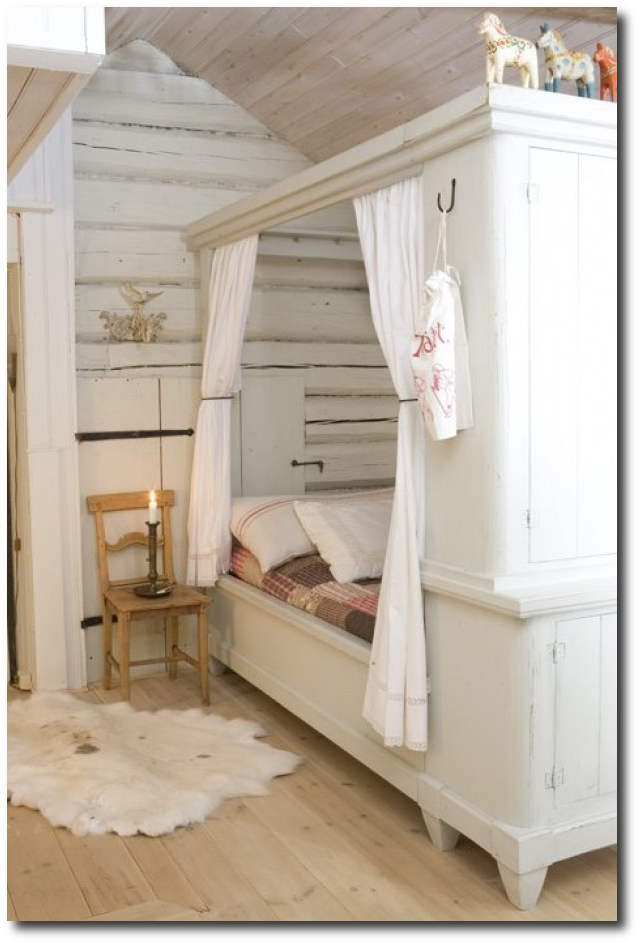
Ruby Beets Swedish Rustic Home
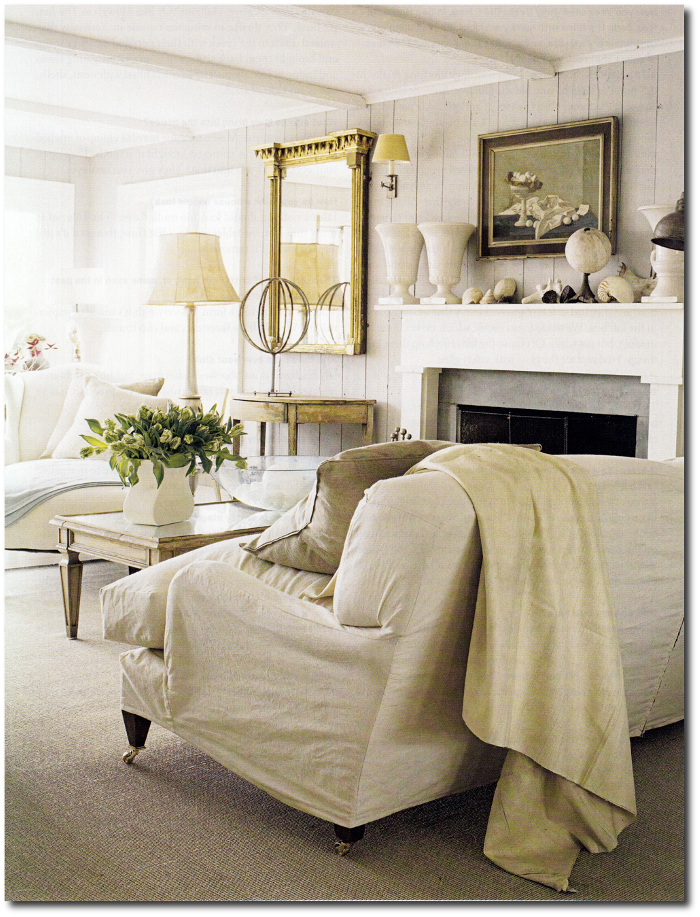
In a corner of the living room, a 1940s mercury glass lamp stands on a rough, round Empire-style table next to two 1920s Scandinavian painted chairs. The graceful wing-backed chaise dates from the 1930s and is upholstered in simple white canvas duck, with natural linen pillows from Ruby Beets.- House Beautiful Magazine
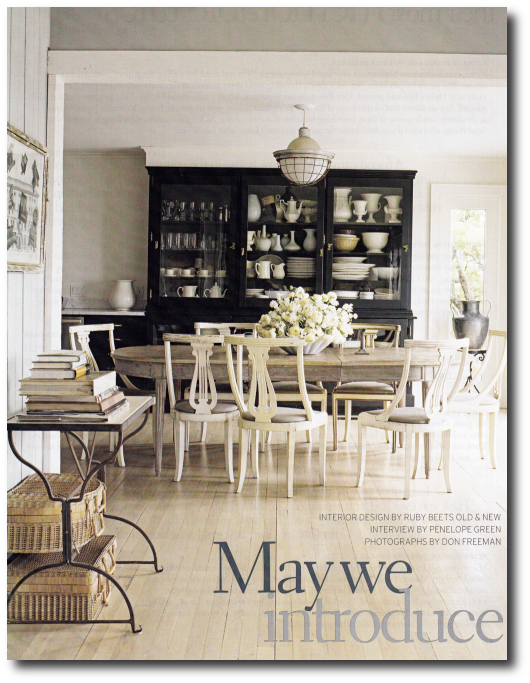
If you haven’t ever seen Ruby Beets home, you are in for a treat. Featured in House Beautiful Magazine back in July of ’06 , this house has the perfect mix of old world charm,and rustic surprises that make it very interesting to the eye. The raw painted furniture, iron decorative items, wood panels and paint color choices are particular elements of the interior styles found in Sweden.
If you enjoy the country cottage looks, but want something more upscale, borrow ideas from this home. Here are a couple suggestions from this interior.
1. Have Slipcovers Made- Spend the extra money and have tailored slipcovers made that will give you the comfortable feel like this home. Swedish textiles were mostly made from organic materials. Consider materials like muslin, duck, or canvas. Many people are taking drop cloths sold in hardware stores and bleaching them. Today you can buy pure white duck or canvas cloth in off white, and various shades of cream, and blue amongst other colors.
2. Invest in Great Antiques– I am not one of those people who are afraid of touching antiques. My best advice, is if you find a sensational chair, improve it and make it your own. Buy the upholstery fabric that makes you happy. Buy the hardware that you will enjoy looking at day after day. Make it YOU!
It is amazing what a strip job will do for your wood furniture. Taking off the varnish will allow the paint to sink into the wood, that when you do to distress the wood, the overall finish looks so much better than painting it alone. For years I have used a chemical stripper until I bought a heat gun, and I never knew that stripping furniture was soooooo easy and fast! If you want to get a rustic look for your furniture, working with the bare wood is the ticket to high quality Swedish looks.
3. Use Black Somewhere- Swedish interiors are usually based around light colors such as blue, light greens, gray and so forth. You would be amazed how nice black stands out against a lightly colored wall. I used to love black painted furniture, that everything was painted black until I fell in love with lighter painted furniture, and all of our furniture was repainted in white or gray. Our walls in our house are painted a light blue, and after debating what color to paint a hallway floor clock, I decided to plunge for black, and was it ever a great decision! Everyone comments on it, because it sure stands out against the lighter colored walls. Contrast can be a surprise! Black colored furniture looks exceptionally well in lighter interiors. Even if you have just one piece in black, it can look sensational!
Here are some of the comments from Ruby Beets featured in Home Beautiful that were particularly interesting
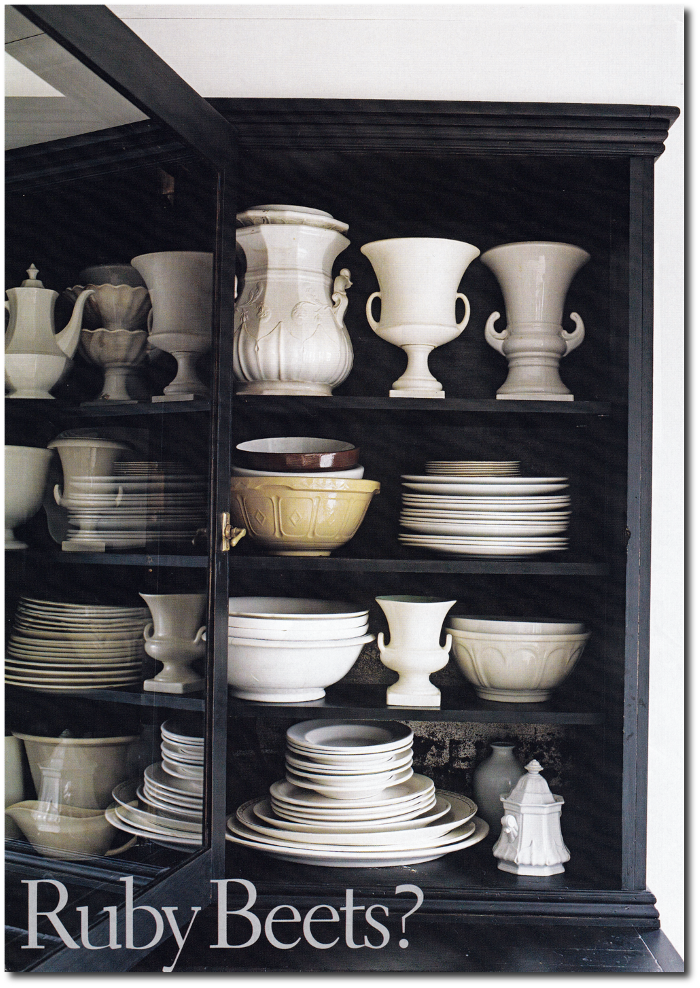
“I was a vintage clothing dealer in the’70s. I’ve been buying old stuff forever. Ruby Beets used to be about the found object school of antiques. My partner and I would buy a dresser and it would have peeling paint and we thought that was romantic. But now we want the drawers to work—enough with the drawer bottoms falling out! The new store is a cleaner, more modern and edited version of what we used to do. My house is too. Life is irritating enough at a certain age. Anyway, I like a lot of white, you can see that. All the furniture is slip-covered in muslin or cotton duck so I can remove it and wash it, which I do every six weeks. I guess, unless something horrible happens. I like big graphic shapes. Those white dishes and things in the kitchen cabinets, some are vintage and some are new ironstone, which we carry in the store. That cabinet we
bought from the local hardware store here. It went out of business, and they had 52 feet of glass cabinetry that we took and put in the kitchen. ”
“When you walk in, you don’t know what age the house is, but it feels like something old. I love it because it feels transparent inside. Hie boards are painted gray like the sea in winter, and because we have no near neighbors we have nothing on the windows—you can see from the front door all the way through to the water at the back. You can see a lighthouse in the distance. The girls used to say they lived in a lighthouse.”
“My husband is an obsessed fisherman, but he’s catch-and-release. He also collects taxidermy fish. He probably has 50 or 40 in his office.”
What is the significance of the name, Ruby Beets?-“Oh. I don’t know. I made it up years ago. But it’s catchy, right?”

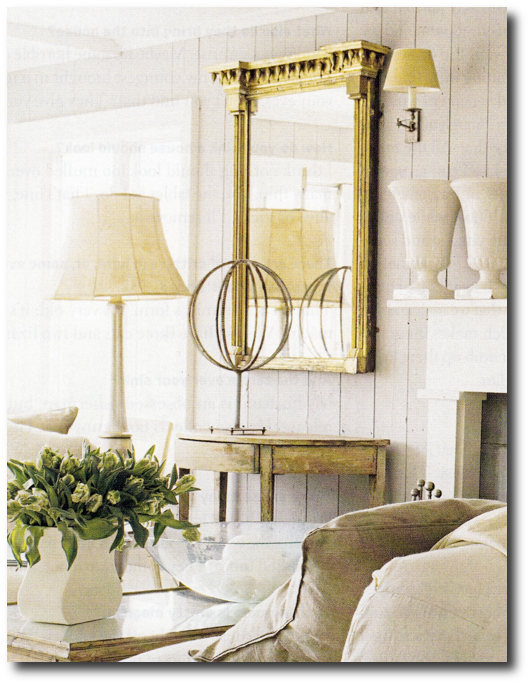
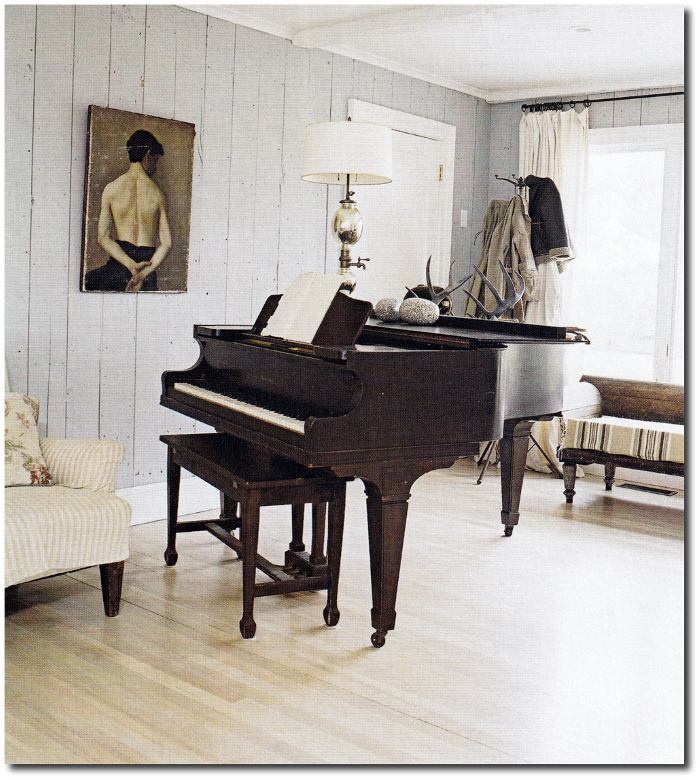
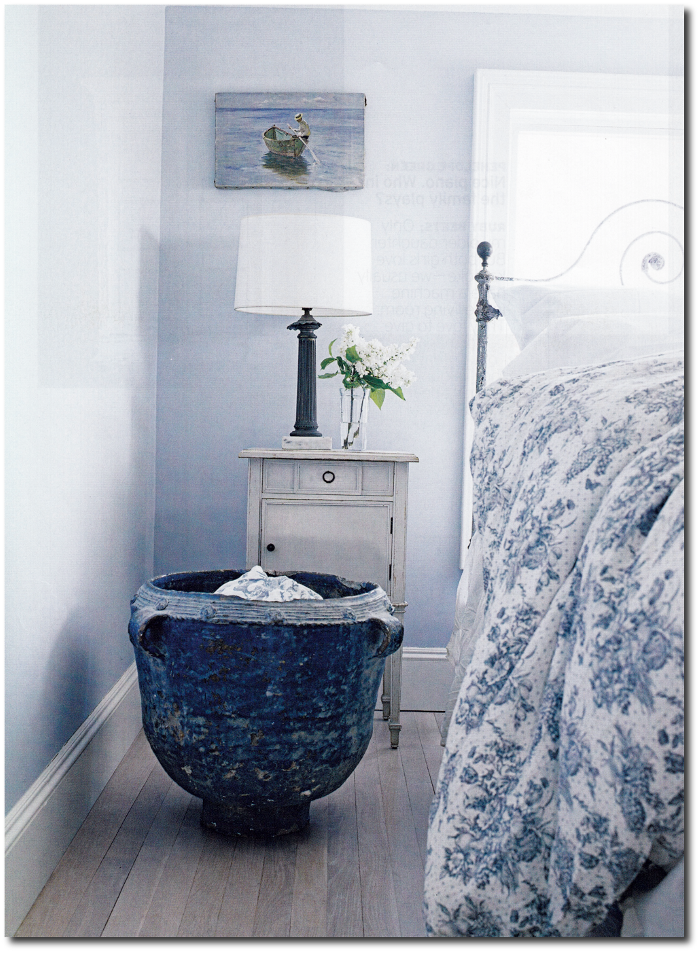
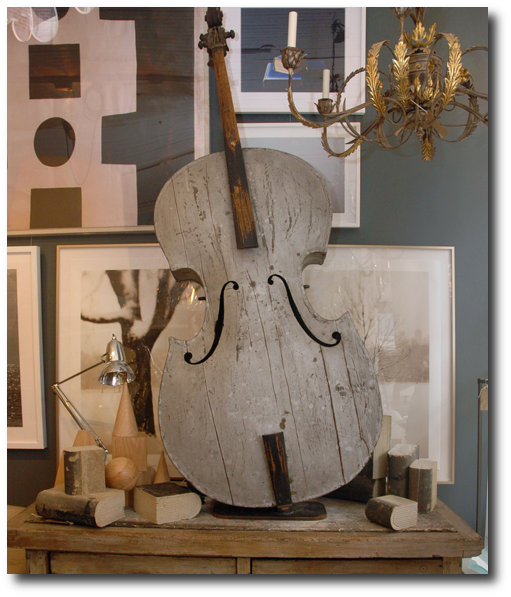
The Country Side Of Sweden- An All White Based Home
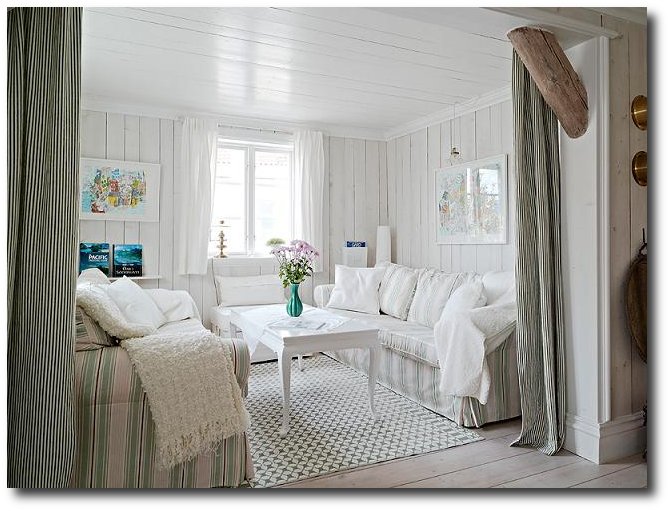
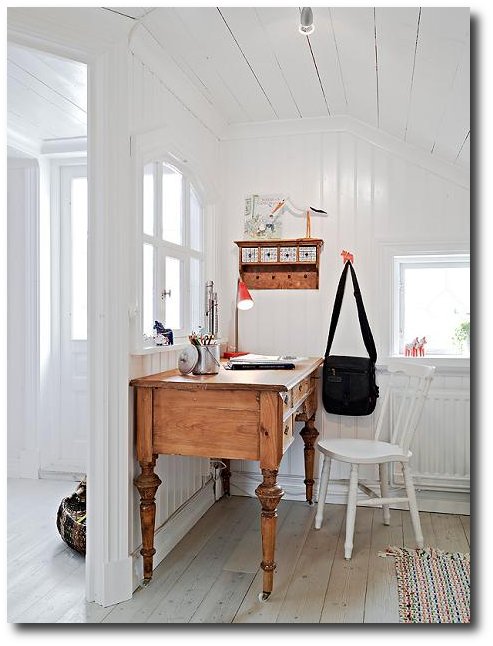
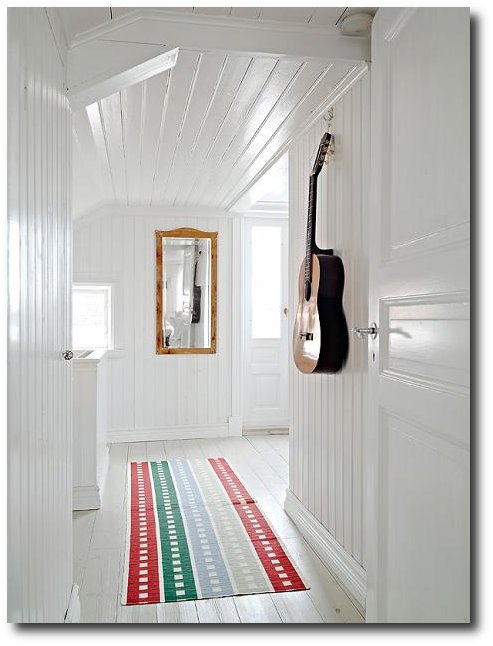
Wood has always played an integral part in the Swedish home life. Beech, birch and pine are the most popular woods in the Nordic region. Hardwoods such as mahogany were rarely used in Sweden as they would have to be imported, as well as the blonder woods were native to the land making it practical to make everything out of wood other than the kitchen sink. Swedish design is known for their use of pale wood, paneling, and solid wood furniture. Furniture was often elaborately painted, or left bare. In this country home we see this very design; shades of white, minimal design, and outstanding Swedish wood furniture.
Tips From This Interior To Your Home:
1. Add Interest- This Swedish interior is based around whites. They add an interesting floor mat to spice things up. A guitar hangs on the wall, which adds a stamp of personality into the home. Make your textiles count in a minimal home. Consider fabrics that have a Swedish styled patterns. Look for upholstery fabric, slipcovers, tablecloths with a distinct Swedish design.
2. Skip Painting Some Pieces. If you are hoping to decorate around white, add in plenty of untouched wood pieces to the overall scheme. Raw wood furniture can be very beautiful. This directoire style chest is washed with solid paint in a unique way that shows off the wood, but at the same time presents a very rustic edge to the style. Use the paint technique for your own wood pieces. Give a Swedish touch to these raw pieces by adding a oil rubbed hardware…. The rustic details won’t be overlooked.
3. Hang Swedish Styled Art- Look around for one of a kind art for your walls. Find a local artist who can create dimensional embroidery for your walls. Pick up 9 identical frames, and have the artist create a story or pattern that can be told through the embroidery. Add color into your home through the thread. Opt for brighter reds, yellow or blues.


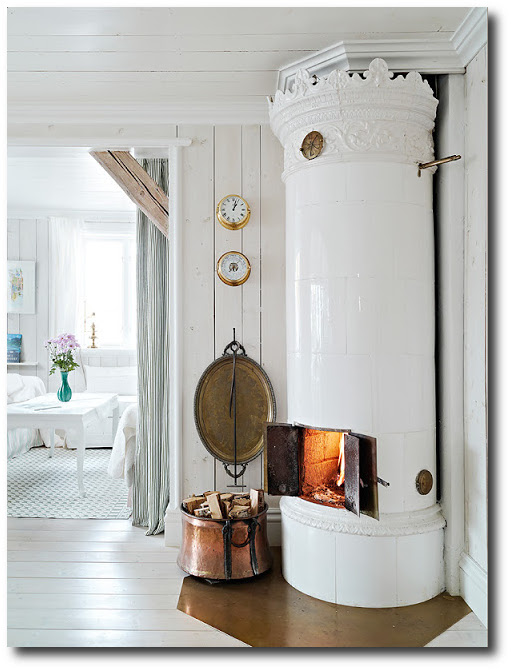
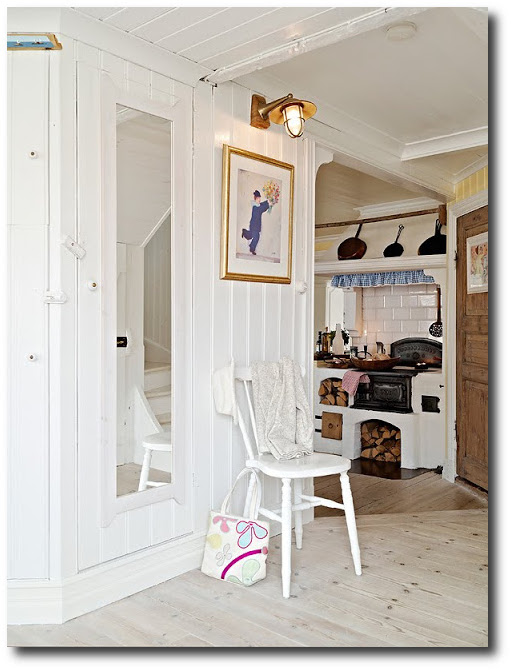

Akerö in Södermanland, Sweden
In the region of Bettna there are Manor houses abound, the most famous being Åkerö, beautifully positioned on the shores of lake Yngaren. The old mother tree to the famous Åkerö apple still stands in the gardens. The castle has its own apple variety. The parent tree was planted in 1759 and still stands in the park and gives fruit every year. Buildings have been on the property since the 1200s. Several of the farm’s owners have belonged to Sweden’s most distinguished noble families; Natt och Dag, Tott, Sture and Bielke.
In the mid 1500’s a castle was built with turrets and towers that are depicted in Dahlberg’s “Suecia Antiqua”. A part of the palace was burned a hundred years later and never refurbished.
The members of the Tessin family have been important in Swedish history. Nicodemus Tessin the Elder arrived there in 1636 and, alongside Jean de Vallée, became the country’s leading architect. His most famous work is Drottningholm Palace, which was completed by his son, Nicodemus Tessin the Younger, an even more significant architect whose major work is the Royal Palace in Stockholm. Nicodemus the Younger’s son, Carl Gustaf Tessin, was formally in charge of completing the Royal Palace, but was more noted as a diplomat and politician than as an architect. Carl Gustaf was one of the founders of the Hat Party and became one of the 1700s most important politicians with titles such as councilors, top Marshall and the Office of the President, the latter equal to the prime minister.
Carl-Gustaf Tessin purchased Åkerö in 1748. Carl-Gustaf Tessin was then superintendent of the Royal Palace . The architect Carl Harleman was good friends with Tessin, and when CG Tessin wanted to retire from political life, they settled on the land and hired Carl Harleman. Harleman then designed the main building and proposed two wings. The result was one of the most beautiful rococo seats were filled with art treasures of Europe’s leading artists. As ambassador in Paris and during trips to Italy and Vienna had CG Tessin acquired a sound knowledge of architecture and art.
Åkerö manor is beautifully surrounded by water from all sides. Beautiful maples, ash and linden trees are planted all around. Wall paintings, mirrors, door lintels, floors and countless antiques fill the space of the castle. . The National Museum has a large part of Tessin’s art collection at the Royal Library in Stockholm. Nowadays, concerts are put on at Åkerö Manor in cooperation with Södermanlands Music & Theater.
There are not many pictures of Akerö, just these three below
Akerö in Södermanland, Sweden- Picture 1
Akerö in Södermanland, Sweden- Picture 2
Akerö in Södermanland, Sweden- Picture 3

Books Available on Amazon:
Nicodemus Tessin the Elder: Architecture in Sweden in the Age of Greatness
Nicodemus Tessin the Elder was an architect, gentleman, and founder of the artistic dynasty that was immensely influential at the Swedish court in the seventeenth and eighteenth centuries. He was architect to the crown, to the nobility, and to the city of Stockholm, and he supplied buildings for a wide range of functions, from palaces to banks, courthouses, and fortifications. His unusually extensive travels in the Netherlands, Italy, France and Germany provided him with a comprehensive picture of contemporary European architecture, which he drew on as he synthesized a new group of buildings that would attract
international attention as models for princely architecture. His productivity required a new approach to architecture, and he was part of the first generation of architects in northern Europe to develop the architectural studio, distinguishing the design process from the business of building, and in the
process recreating himself as the modern architect.
Essays on Scandinavian History
This book examines important aspects of the history of Sweden and its Nordic neighbors between the later eighteenth and the beginning of the twenty-first century. Historian H. Arnold Barton has selected thirteen of the numerous essays he has published over the past forty years on the history of Scandinavia.
This is a companion volume to Barton’s The Old Country and the New, an essay collection on Swedish emigration and the Swedes in America. Included here are studies of the special significance of the eighteenth century in Sweden’s history and culture, the relationship of King Gustaf III to the eighteenth-century Enlightenment, the impact of the American Revolution in Sweden, and Gustaf III’s ambitions in the East Baltic region. Also detailed are the king’s early reaction to the French Revolution and his efforts to
organize a European coalition to crush it, a reassessment of the reign and internal reforms of Gustaf IV Adolf, and the Swedish succession crises of 1809 and 1810.
In addition, Barton examines the increasing tension between the Pan-Scandinavian movement and the rising Finnish national movement. He deals with the historians of the Danish Agrarian Reforms of 1784-1814, parallel developments in Finland and Norway between 1808 and 1917, the discovery of Norway abroad, Swedish national romanticism, and Sweden’s transition from a warfare state to a welfare
state, now exemplifying the rational and humane ideals of the twentieth century.
Essays on Scandinavian History highlights important topics in the history of the Scandinavian region, which has remained all too little known outside the Nordic lands themselves, while also offering broader perspectives on Europe since the mid-eighteenth century. Twelve keyed-to-text illustrations, a bibliography of Barton’s publications on Scandinavian history, essay endnotes, and an index augment this work.
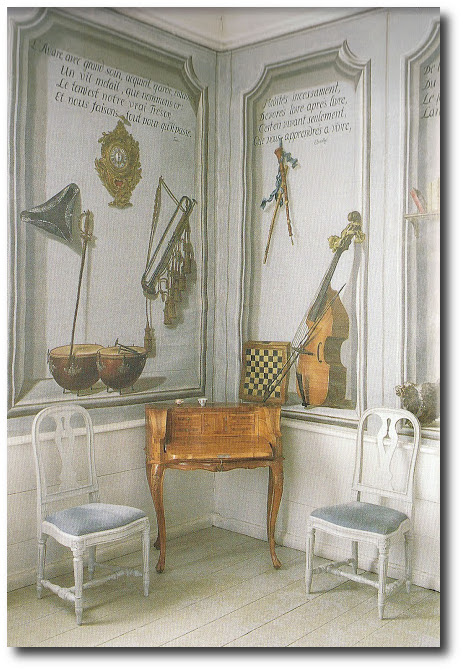
A ‘musical’ Trompe l’oeil in one of the rooms of Akerö in Södermanland,
Sweden with a Rococo “Bonheur du Jour” Picture Credit –La Pouyette Blog
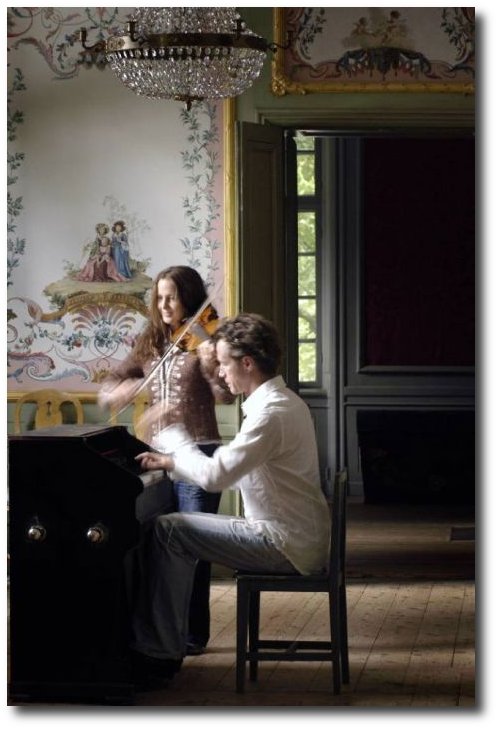
Akerö in Södermanland, Sweden –Credit
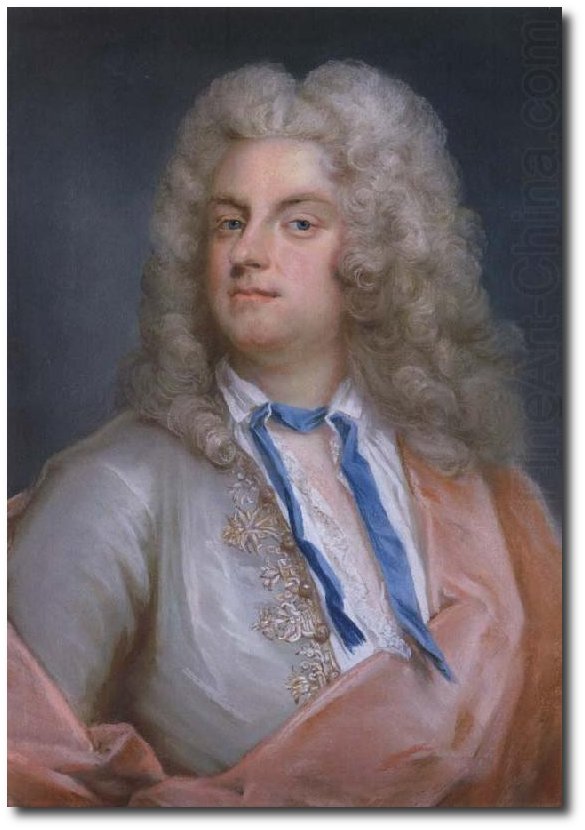
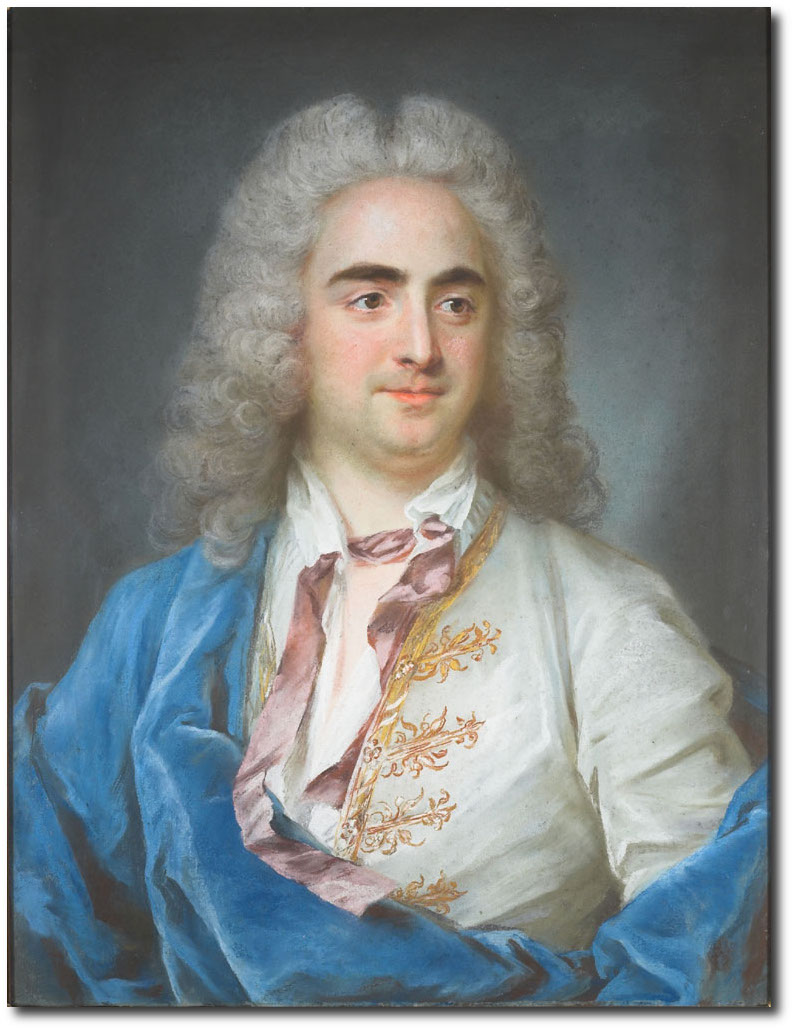
Reproduction Paintings From Fine Art China
Check out how they can take YOUR picture and paint your face in place of your favorite painting
About Gustaf Lundberg- The Painter.
Swedish, 1695-1786,Swedish painter and pastellist. He was orphaned early and brought up by his grandfather, the goldsmith Fredrik Richter (1636-1714). In 1710 he was briefly apprenticed to David von Krafft (1655-1724). Against von Krafft’s advice, and at his own expense, he travelled to Paris in 1717. He
studied first with Hyacinthe Rigaud, Nicolas de Largillierre. He also studied drawing under Pierre-Jacques Cazes at the Ecole des Beaux-Arts. In 1720 Rosalba Carriera came to Paris from Italy, bringing with her the fashionable technique of drawing in pastel chalks. Lundberg became her pupil and within a year had mastered the medium, charming the Parisians with his portraits. Until the arrival of Carriera, he had worked only in oils but then turned exclusively to pastels.
He received portrait commissions from Louis XV (reg 1715-74), notably for those of his young queen Maria Leszczynska and of her parents Stanislav I Leszczynski and Catherine Opalinska (both 1725; Upplands Vesby, priv. col.), who at that time were living at Chambord.
Krusenberg Herrgård: An 18th Century Swedish Luxury Hotel
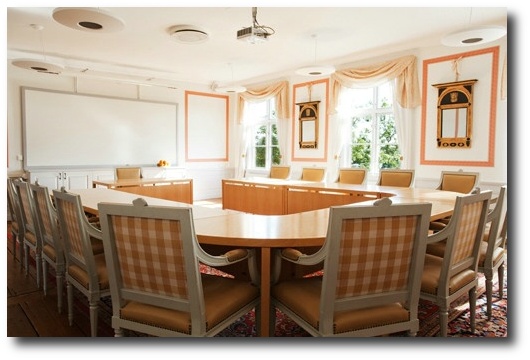
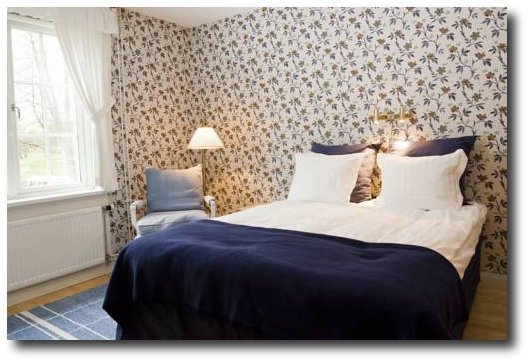
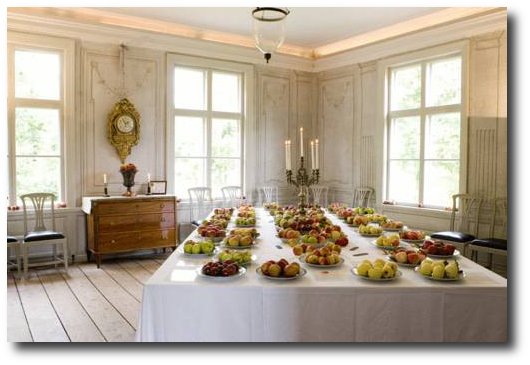
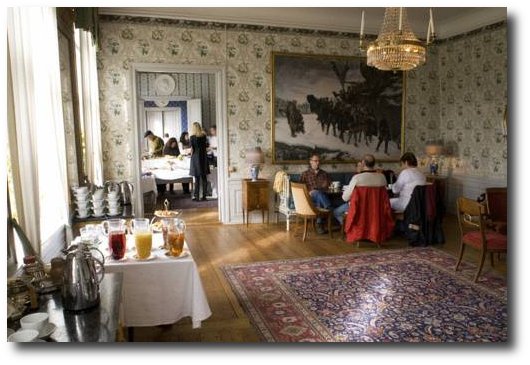
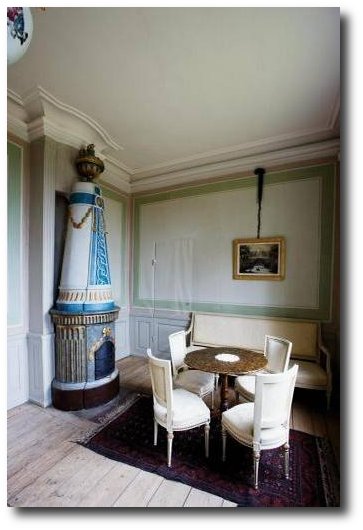
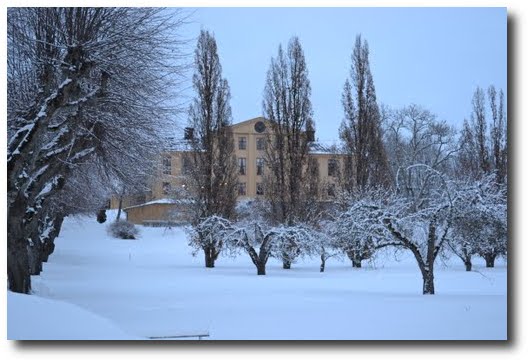
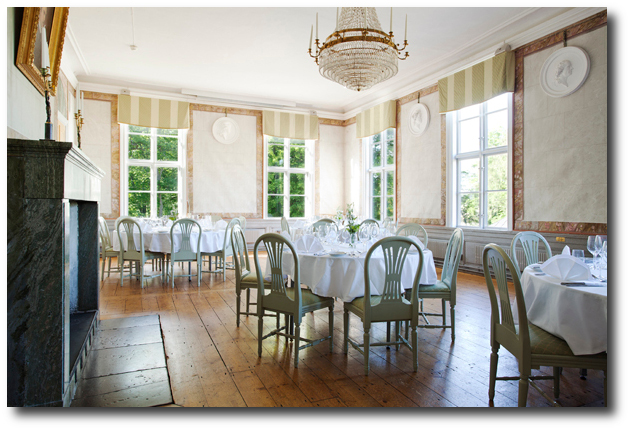
Krusenberg Herrgård is an extravagant hotel beautifully situated by Ekoln, a bay in Lake Mälaren. The estate dates back to the mid-15th century and is now a first-class hotel and conference facility that has retained its genuine style and old charm.
The manor house was built in 1802, and the wings date from the 18th century. Enjoy a walk through their large park and apple orchard with more than 100 old apple trees. The artist Gustaf Cederström, who grew up on the estate, painted his best-known work,”Karl XII´s likfärd”(The funeral transport of Charles XII) .
About the Hotel:
When staying at Krusenberg you can take the opportunity to take a tour with a canoe or rowboat which is supplied from the hotel. In winter, the situation is ideal for skating. The latest addition Sjöporten is a newly built house with exclusive sauna and spa. The building is right on the water’s edge and includes two wood-burning saunas with magnificent views of Lake Mälaren. Upstairs there is a spa area with treatment rooms and relaxdel. The house is built and furnished to suit those who appreciate “the good life”.
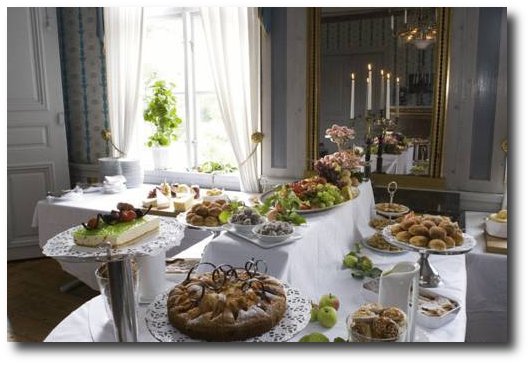
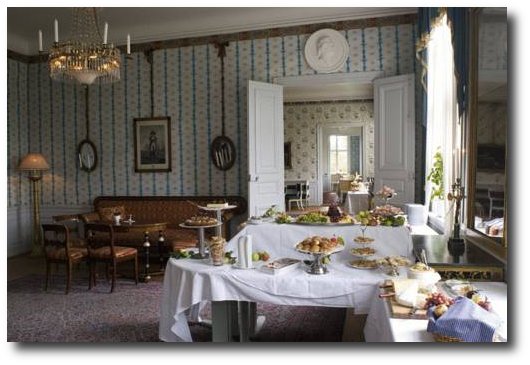
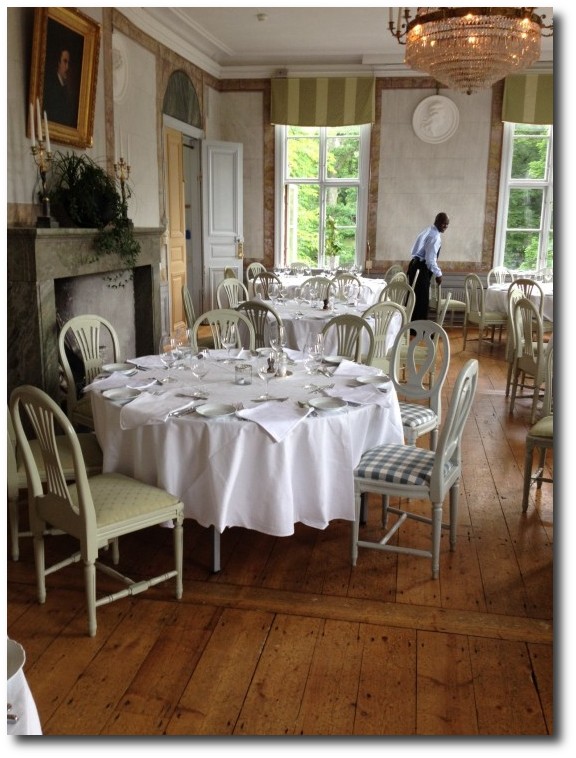
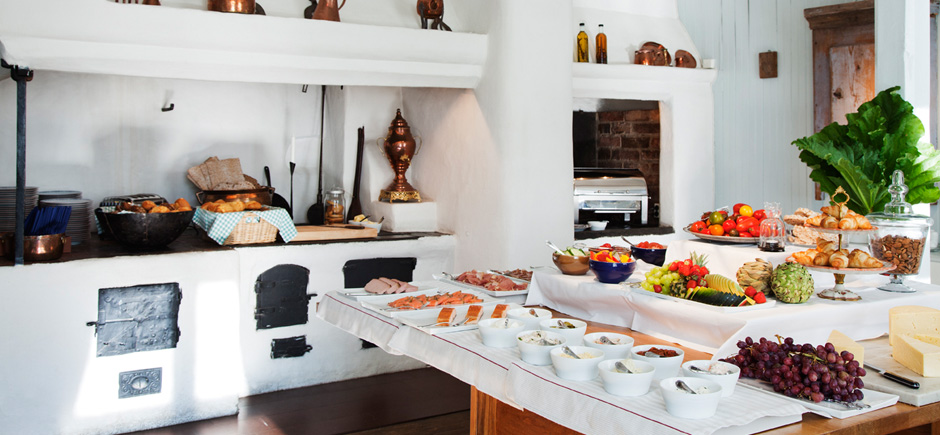
Manor house accommodates our renowned restaurant serving carefully prepared food in season. The kitchen is home not only cooks but also to their very own pastry chef who bakes fresh bread and pastries for every meal. Meals are served in the main building’s beautiful dining rooms. At this hotel you can also take the opportunity to relax in one of the most prestigious salons.
Manorhouse is 25 minutes from the airport and within easy reach of both the Stockholm and Uppsala. The hotel also offers a historical walking tour with a guide. Active guests will appreciate the petanque court and the tennis court. Meals are accompanied with wines from the manor’s wine cellar.
Krusenberg Herrgård is only 25 minutes from Stockholm’s Arlanda Airport and conveniently situated for both Stockholm and Uppsala. Uppsala city centre is 20 minute drive away. Sweden’s oldest town, Sigtuna, is 18 km from the Krusenberg Herrgård.
See the official website here