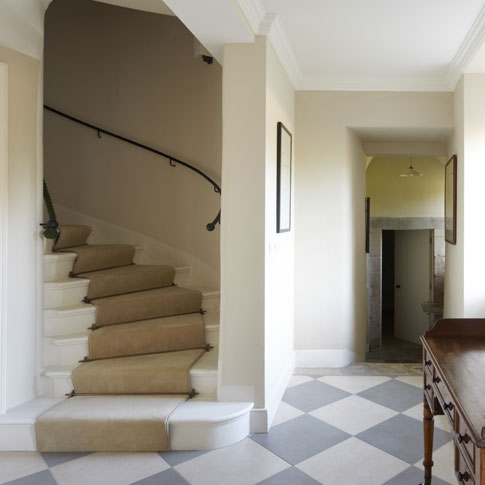
The Best Swedish Decorating Books
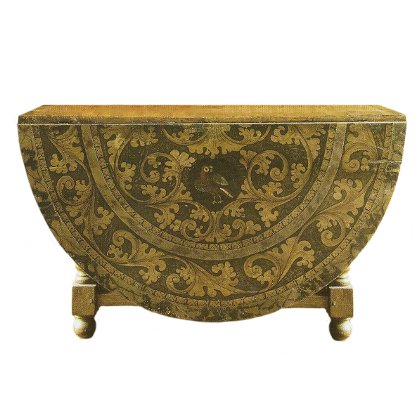 Book Review: Jocasta Innes Scandinavian Painted Furniture
Jocasta Innes is the internationally renowned author of over sixty books on paint finishes, interior design and decorating. She is the founder of Paint Magic, which is a franchise chain of decorating shops which brought forth premier finishes such as color-washing and wood-washing. Paint Magic by Jocasta Innes is still is one of the best paint technique books I own to date. Scandinavian Painted Furniture by Innes guides a reader through the background of Swedish painting. Swedish painting has never caught more attention than in the last several years as people are still loving the lighter colored furniture, but want furniture more sophisticated than Shabby Chic. Innes guides us through 5 countries which make up the Nordic Federation (Norway, Finland, Sweden,Denmark and Iceland) and have defined the classic Scandinavian Design through the 18th century.
Timber was widely available in the Nordic region which made it accessible to create new furniture, and common enough to transform with paint. Classical Greeks painted marble, the Medieval English painted stone, and the Swedes were blessed with wood which they painted. These few countries in the Nordic region left us a heritage of beautiful designs known world wide.
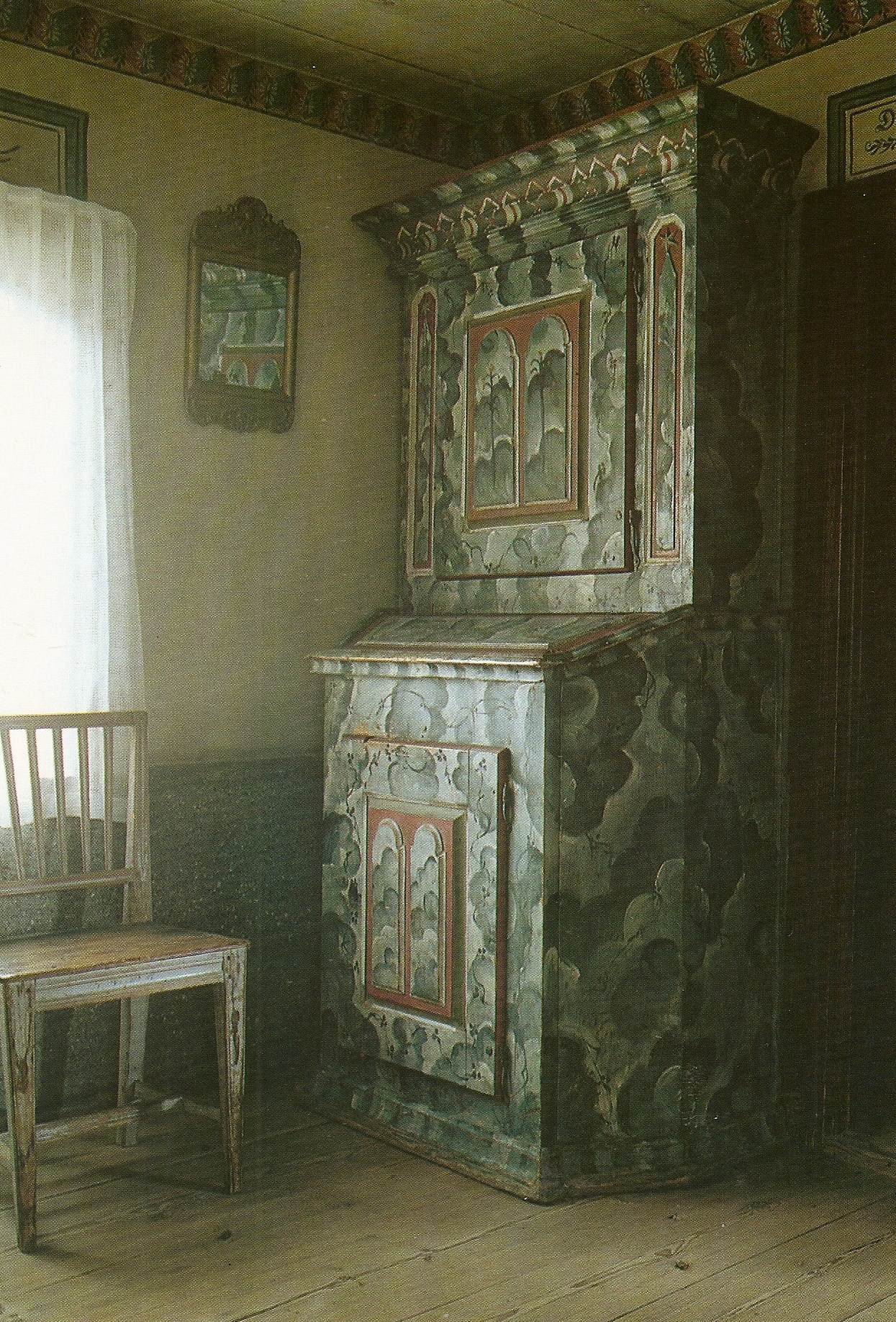
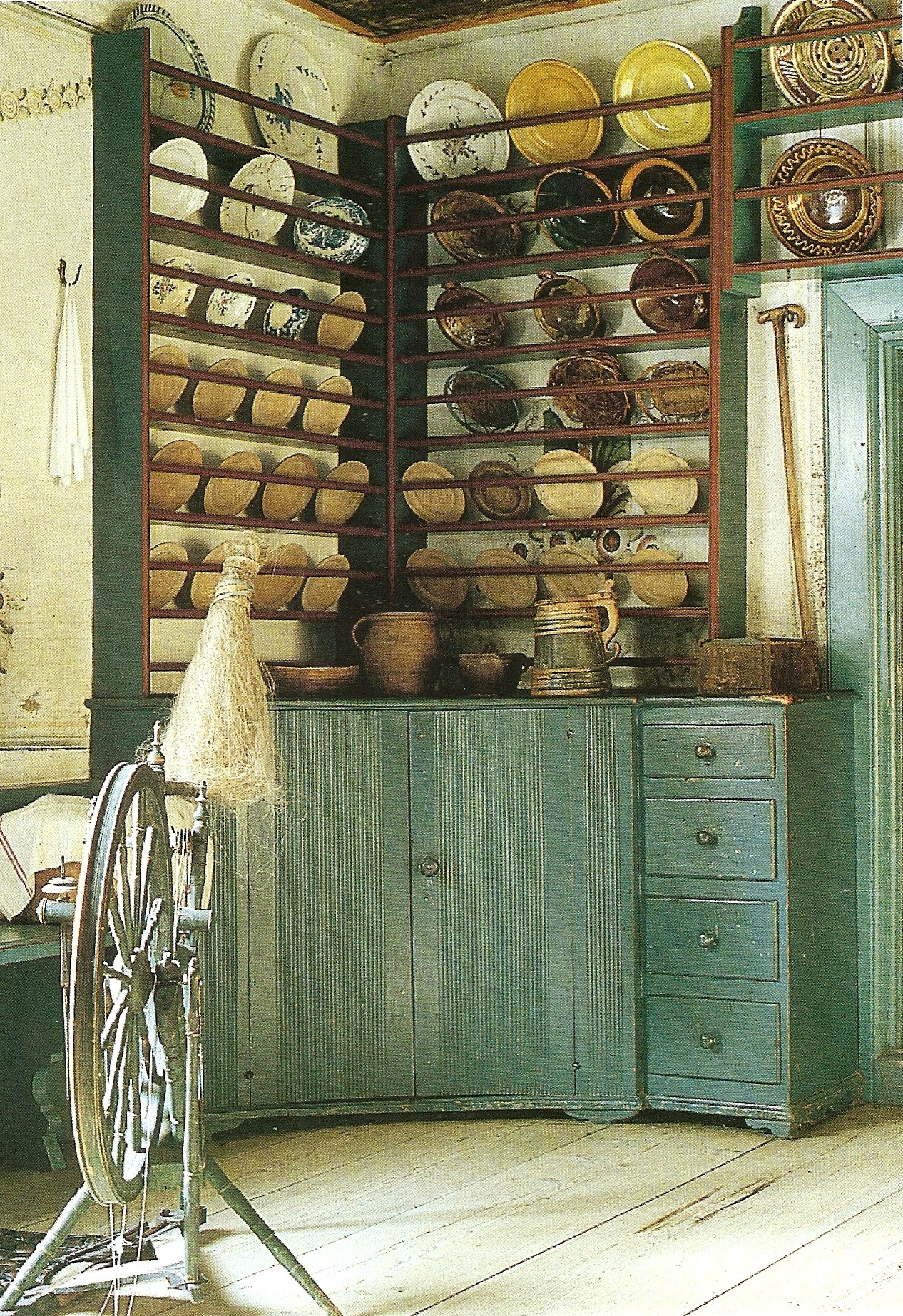
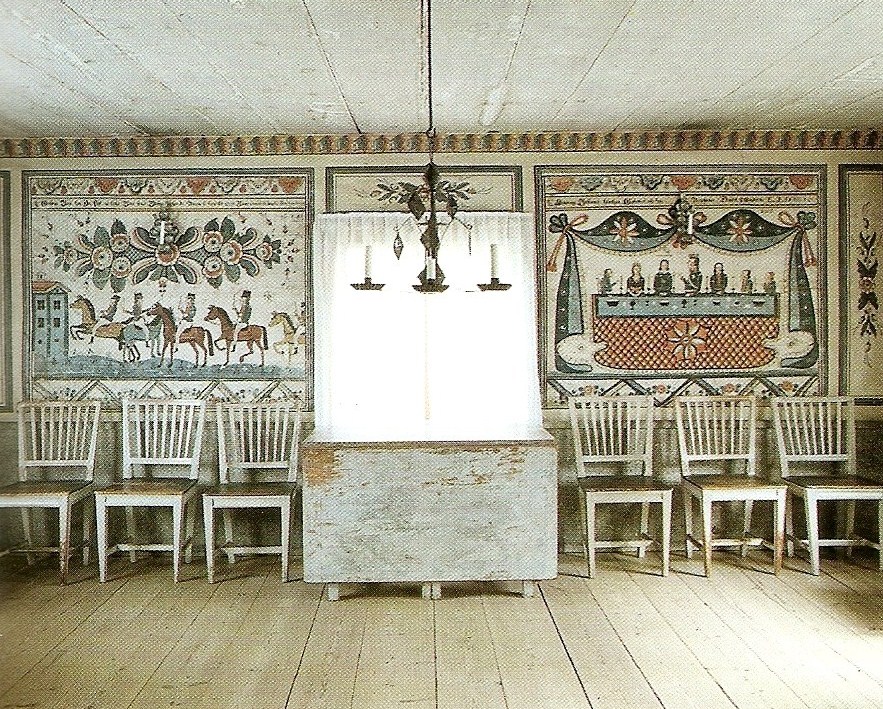
What makes pre-twentieth century scandianavian furniture so appealing is the detailed paint finishes that have lasted through generations. Scandinavian furniture painting added color and provided much needed light into dark homes. Swedes found themselves depressed by the notoriously long northern winters where daylight would last an hour or two. Many homes were dark through the long winters, and without electricity, candles provided the majority of the light. Homes remained so dark that extra measures over time such as paint used on furniture and on the walls was almost a necessity to bring in any extra available light.
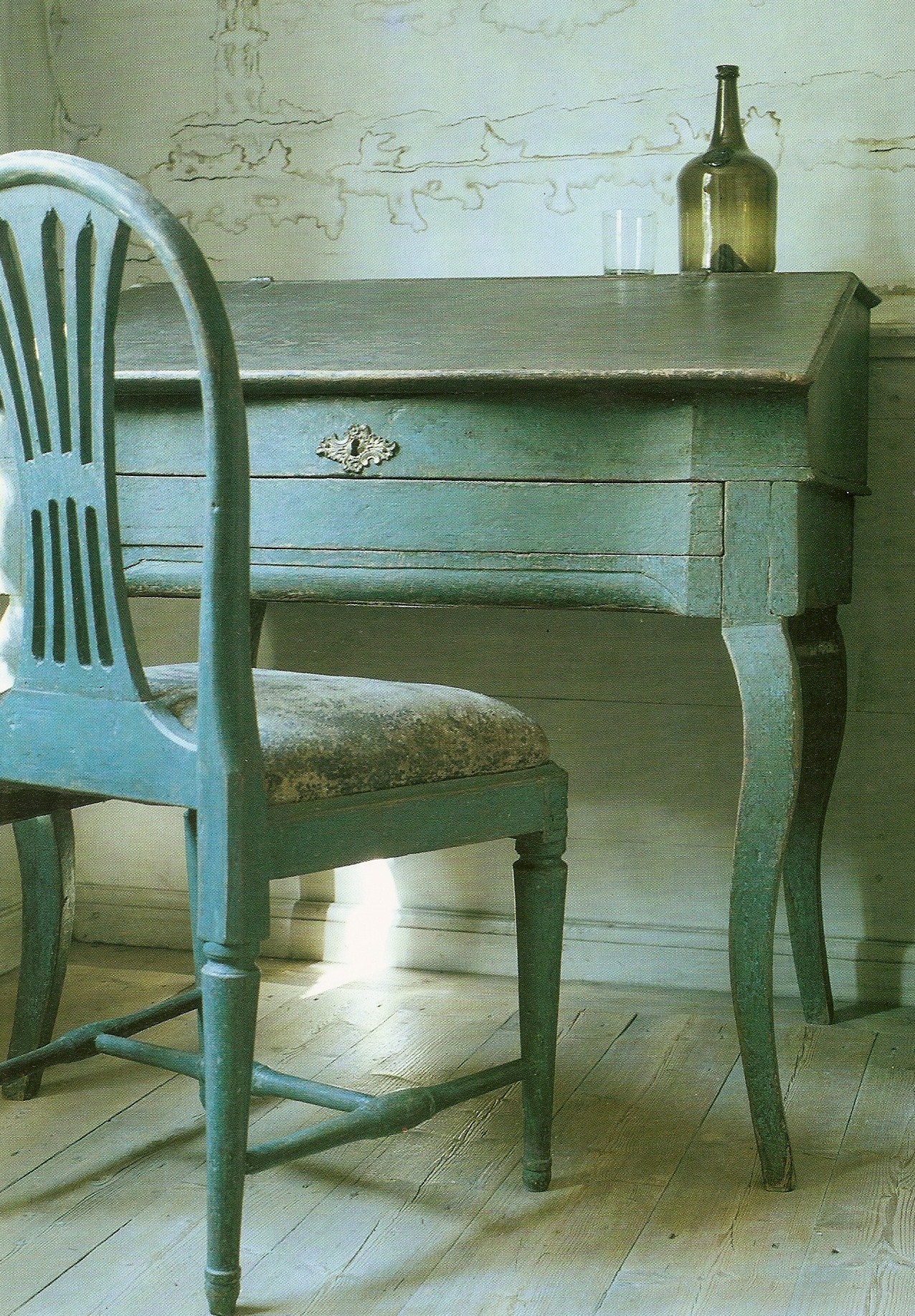
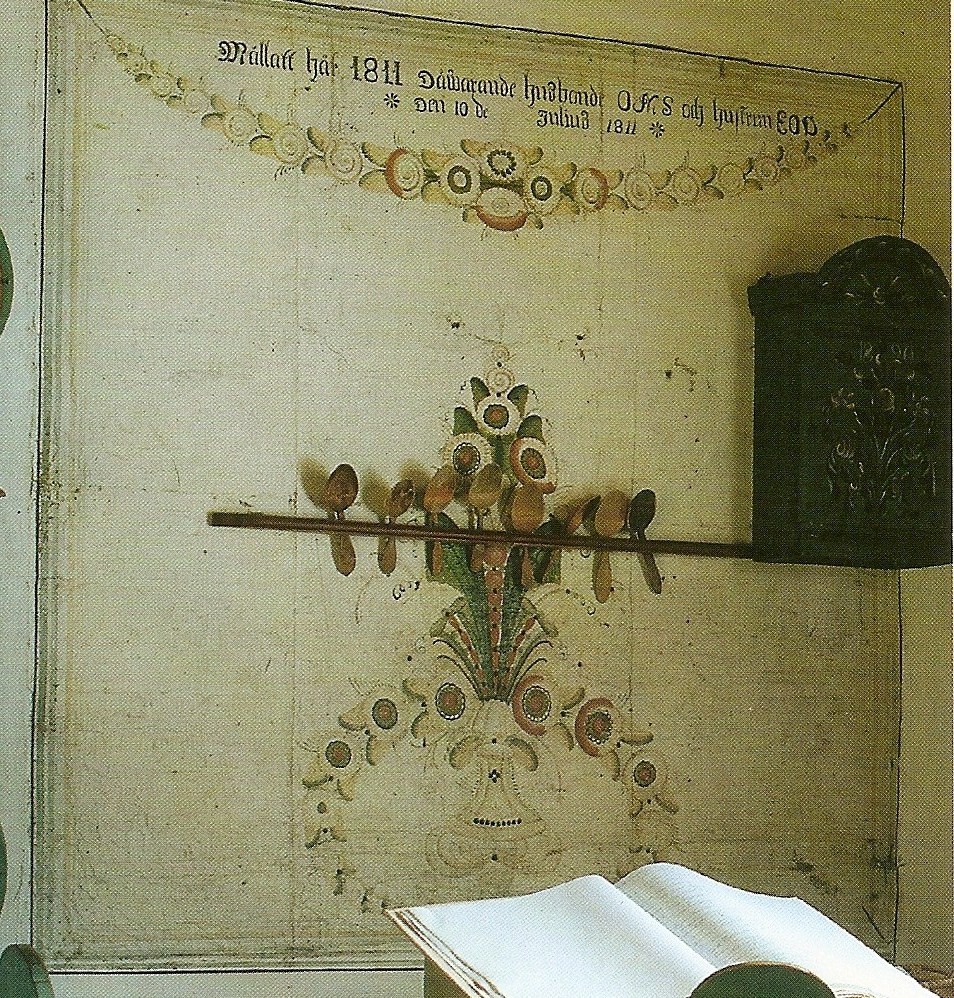
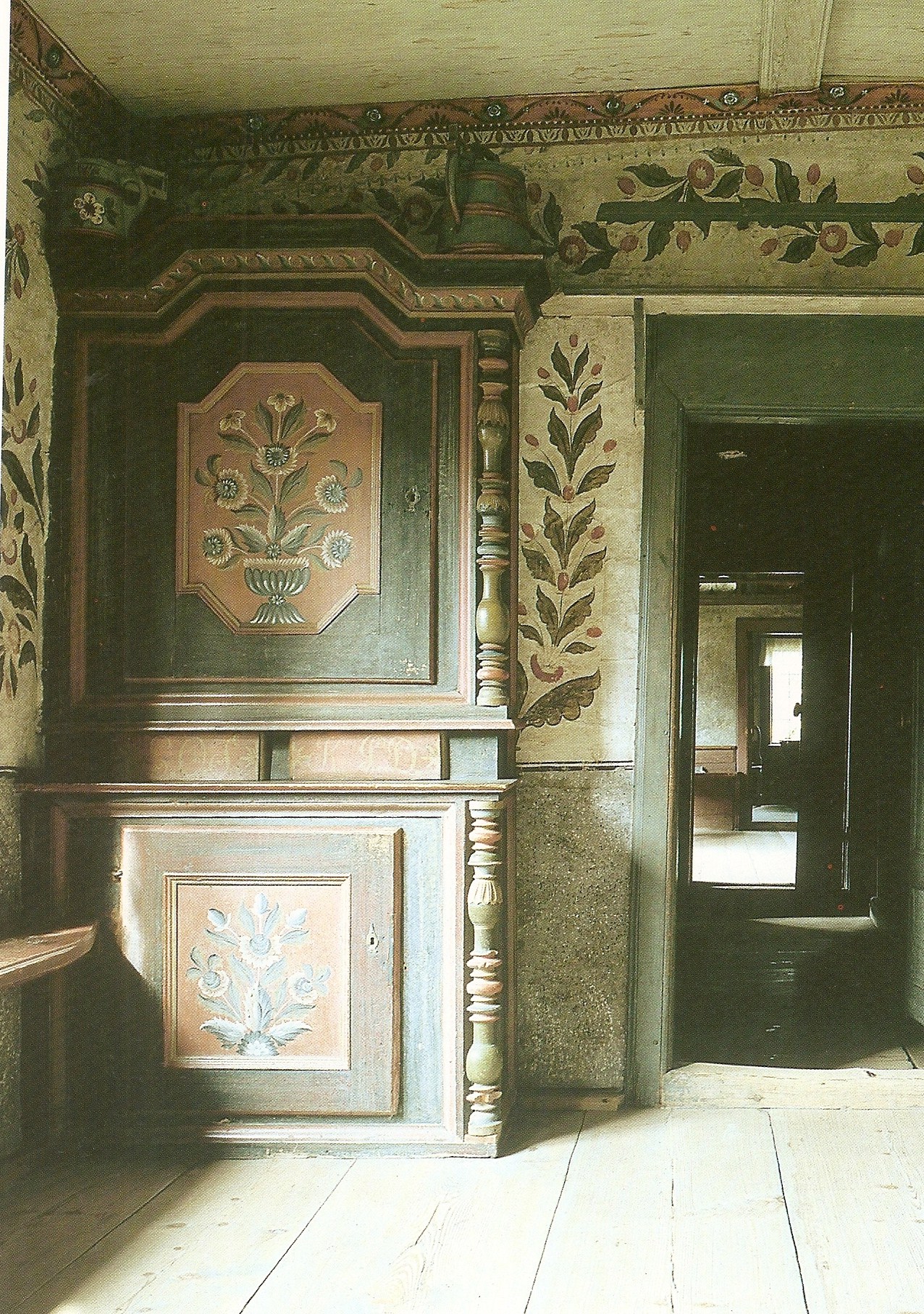
Painted pieces were not limited to just free standing furniture, but also included cupboards, built in shelving, dressers and lets not forget the walls. Painting furniture provided an appeal and allowed for variation than just wood furniture that decorated the home. They also believed that layers of paint would deter beetles, as well as guarded against dirt, grime and wear and tear. Old Scandinavian paint formulas contain vitriol and lime which did deter insect parasites which did eat tunnels through furniture, which overtime just fell apart.
There are two different styles of Antique Scandinavian Painted Furniture that developed in the Nordic countries. One style was a rural peasant type of decoration that flourished within the middle class, and another style referred to as “gentlemanly” which was often found in the higher class grand homes.
Scandinavian / Swedish Peasent Furniture:
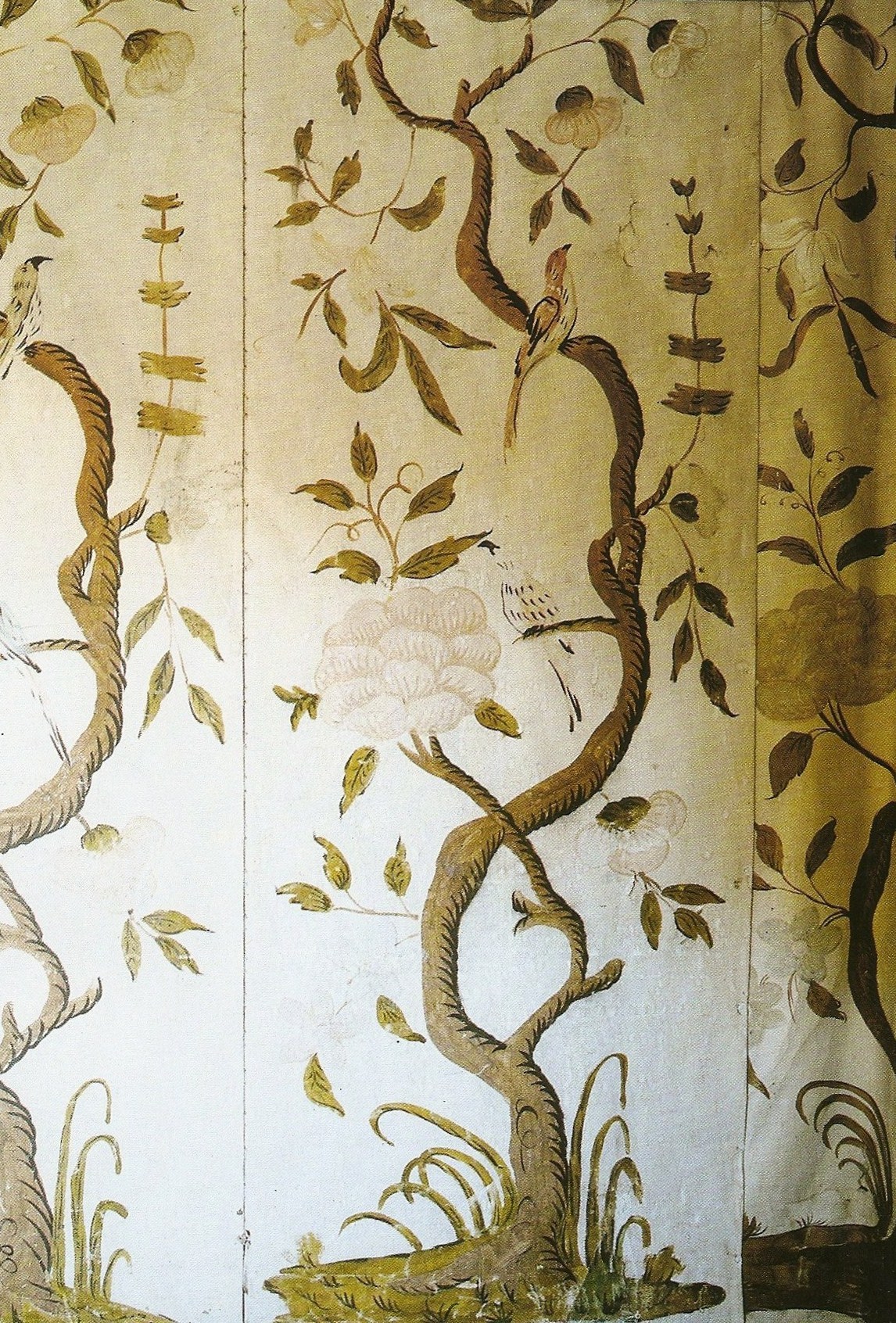
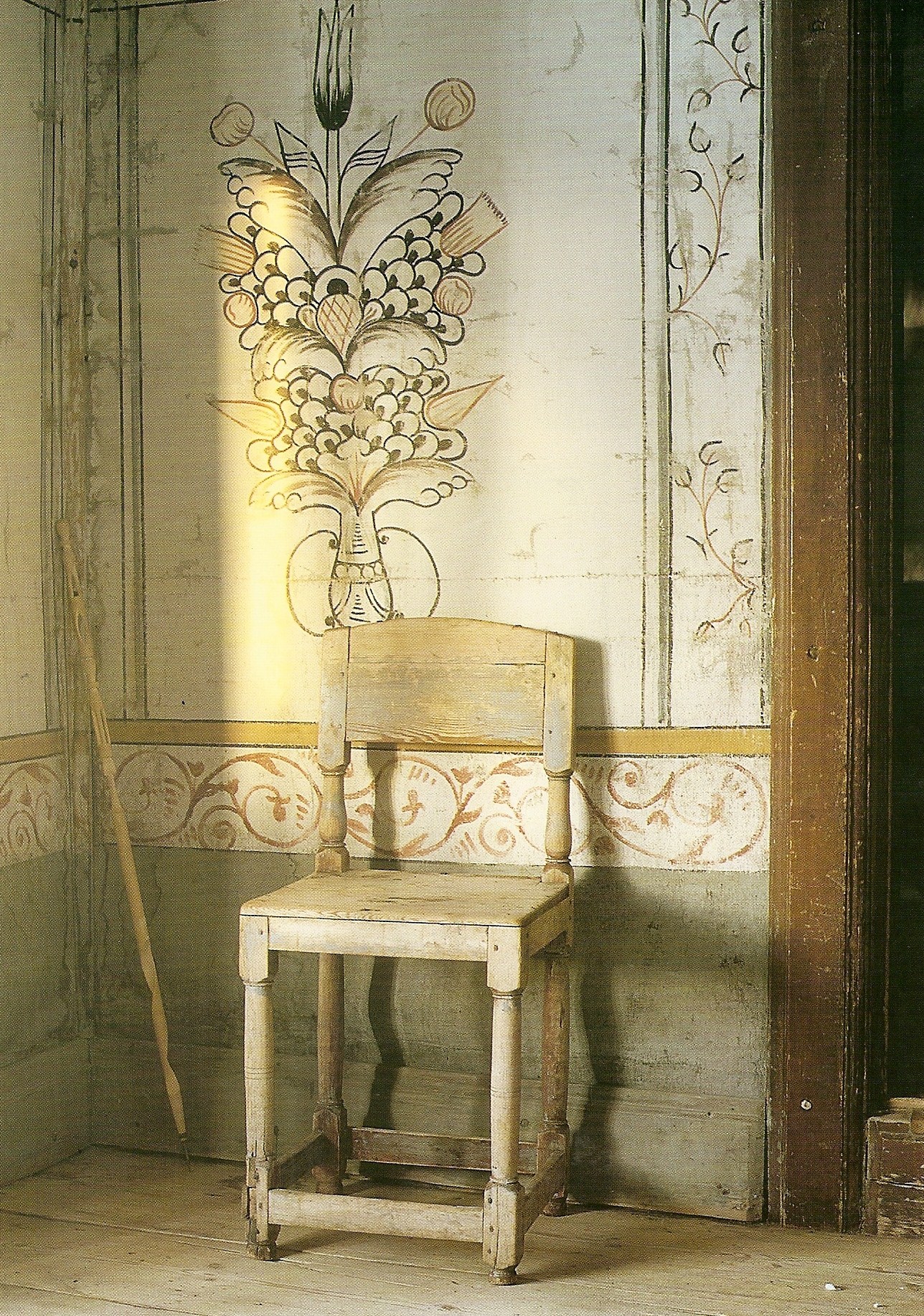
Rural country peasant furniture is often referred to as folk furniture which is often distinguished by strong colors and a wealth of decoration. Peasant art and painting was not notable for its originality or self expression. Each distinct area would have specific colors much like national sports teams. For example the NFL is made up of 30 teams started out of the major cities of the United States. The Seattle Sea-hawks wouldn’t wear the Washington Redskins uniforms, much like the Scandinavian regions wouldn’t paint anything but their own distinct motifs which were passed down through generations. Painters were content to work within an inherited regional collection of motifs and colors. Much of this resulted just from the inspiration in their local areas. They didn’t have the internet to compare different styles, but they did from time to time discover new techniques and embellishments which they would just adjust some changes on their basic themes. A regional style or a typical color scheme once laid down, was then faithfully copied in its essentials by the succeeding generations of painters and craftsman. Today, as they sift through different Swedish furniture which a name is accredited, is often individual artists which had an acknowledgement of local reputation.
Scandinavian / Swedish Gentlemanly Furniture:
The other renowned definitive painted furniture most people are acquainted with is referred to as “gentlemanly” furniture, thus making the distinction between the peasant farms and gentleman estates. This furniture was made for upper class grand homes, and castles than the wooden villas and urban middle class homes.
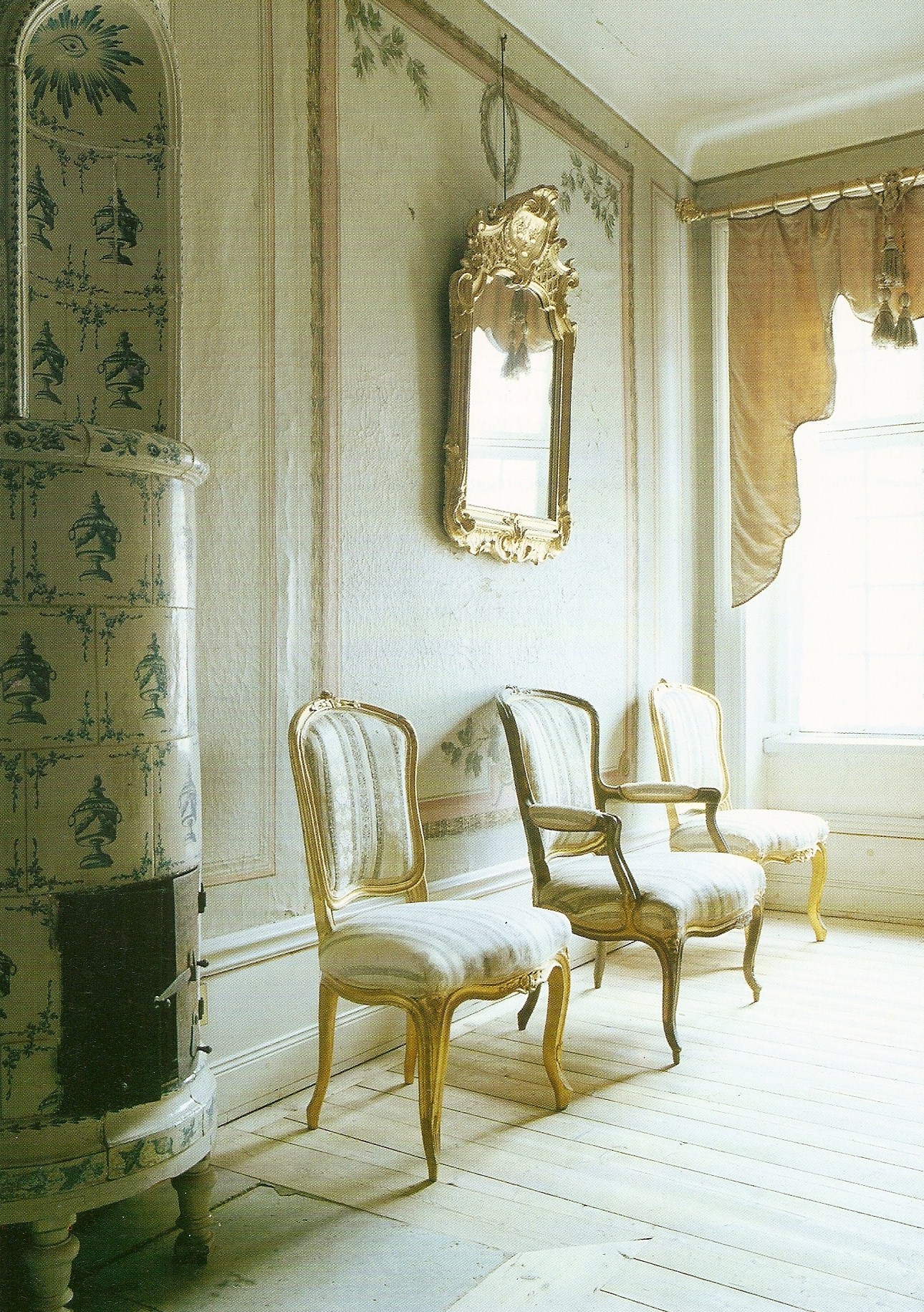
This type of Scandinavian furniture is all together different in its use of paint, color, shape and function. These classes of people were well educated and travelled and were familiar with areas of high influence such as Paris, London, Berlin and St Petersburg. The styles of Baroque, Rococo and Neoclassicism were then repeated in their Scandinavian homes with the aesthetic remaining the same, but the overall design distinctly Scandinavian.
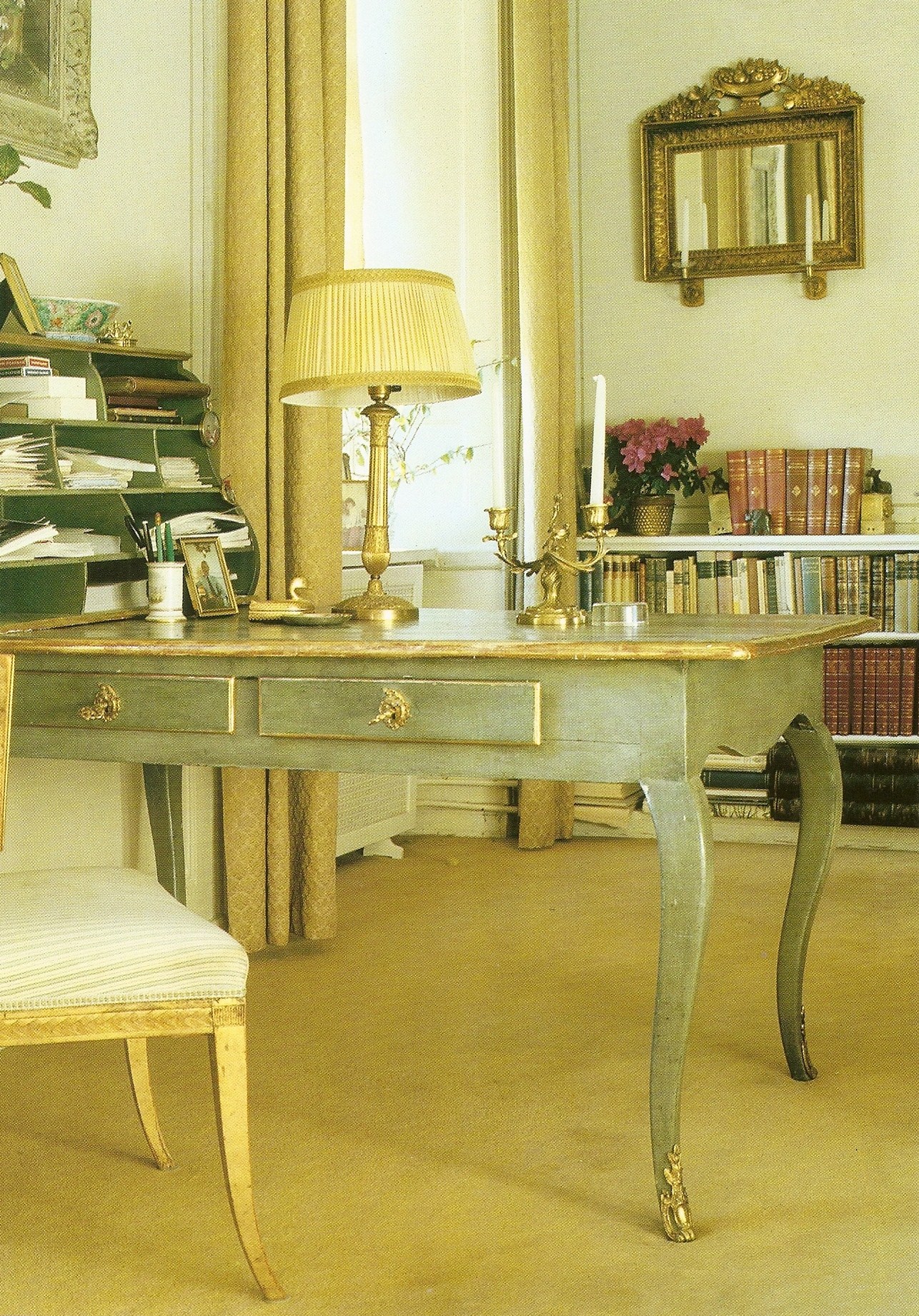
By the 18thcentury, soft colors became quite popular. Putty, straw yellow, blue and green were finished with layers of glazes and combined with gold leaf. Upper class furniture had a restrained sense of color, typically simple with limited decoration. The overall finish was sophisticated, formal and elegant, than fussy brightly painted country styles. Furniture was often made of softwood, and its shape, style and function imitated foreign models from other countries.
Scandinavian / Swedish Country Provincial Furniture:
As high society moved on to country estates, so did the furniture. Some of the most appealing Scandinavianfurniture comes from this style, as it is known as “provincial”, with local touches. Jocasta Innes’s step to step painting guides are some of the best painting books on the market. Scandinavian Painted Furniture details over 20 projects typical to Swedish painting and decoration.
How To Stain Fabrics With Tea To Get An Antique Appearance
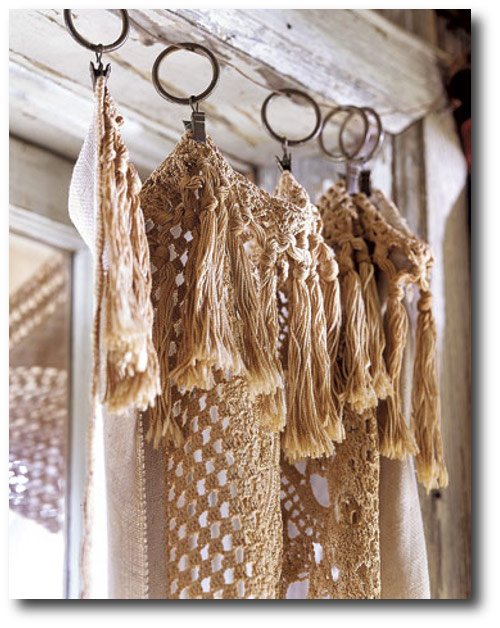
Tea Stained Fabric From Country Living Magazine
Tea Staining Fabric: A Simple Technique for an Aged, Timeless Look
Tea staining is one of those quiet tricks designers rely on to give upholstery fabrics a beautifully aged appearance. Often used when recovering antique chairs, softening new drapery, or toning down bright linens, tea staining allows fabric to take on the subtle character of time and use. With this simple technique, leftover fabric remnants can be transformed into naturally aged accents—perfect for throw pillows, vintage-inspired dolls, or decorative details that bring warmth and history into a space.
Tea-stained fabric is especially charming in children’s rooms, where a softly aged fabric doll or muted pillows can add character without feeling overly precious or staged.
How to Naturally Stain Fabric with Tea
Tea staining works best on natural fibers such as cotton, linen, muslin, and wool. Synthetic fabrics will not absorb the stain properly. Begin by washing the fabric to remove any sizing, starches, or chemicals left from manufacturing. This step is essential for even absorption.
After washing, the fabric should be damp—not dripping wet, but not dry either. If starting with dry fabric, soak it briefly in water and squeeze out the excess. Choose a pot large enough to allow the fabric to move freely in the water without bunching or folding tightly.
Bring the water to a boil and add the tea bags. Allow the tea to steep for about five minutes, then remove the bags. Leaving the tea bags in with the fabric can result in uneven or overly dark stains that appear dirty rather than naturally aged. Submerge the fabric and monitor the color closely, removing it once the desired shade is achieved.
Choosing the Right Tea
Tea originates from China, where leaves from the Camellia sinensis plant were first brewed centuries ago. There are six primary types of tea—white, yellow, green, black, oolong, and pu-erh—each processed differently. Black tea is the most commonly used for staining and produces soft cream to warm brown tones. Herbal teas, depending on their ingredients, can introduce subtle reddish or pink undertones.
Keep in mind that fabric will dry slightly lighter than it appears when wet.
Adjusting the Color
If the fabric turns out darker than intended, the color can be lightened using bleach. There are two methods:
-
Run the fabric through a washing machine cycle filled with water and a small amount of bleach, checking frequently.
-
Submerge the fabric in a bucket filled with water and diluted bleach, gently turning it until the color softens to your liking.
Important Safety Note:
If using the bucket method, work outdoors and wear a protective mask and towel over your face. Proceed carefully and at your own risk.
Why Tea-Stained Fabrics Never Go Out of Style
Dyeing and staining textiles can transform ordinary pieces into something with genuine antique character. Roman shades, vintage stuffed animals, children’s dresses, and even simple linens can take on a sense of history with this technique. Tea staining is timeless—it has been used for generations and continues to be a beautiful way to introduce softness and authenticity into a home.
A Simple Lampshade Project Using Linen
I don’t often have time for elaborate projects, but every so often I’m able to fit in a small creative endeavor. For me, the quicker and more efficient the project, the better.
I’ve always loved drum lampshades, though oversized versions can overwhelm thinner lamp bases. When I found smaller-scale drum shades at a thrift store, I decided to recover them using a beige linen fabric. I removed the existing fabric and hot-glued the linen only along the top and bottom metal frames. After measuring the interior, I sewed a lining and glued it into place, again securing it only at the frame edges. Finally, I finished the shade by sewing and attaching a fabric trim along the top and bottom for a clean, polished look.
If I were to repeat this project, I would choose a much lighter-weight linen. Thicker fabric limits light diffusion, and lighter materials allow the lamp to better illuminate the room. This project takes about a full day, or perhaps half a day for faster workers, and it’s one I would happily do again for the right lamp.
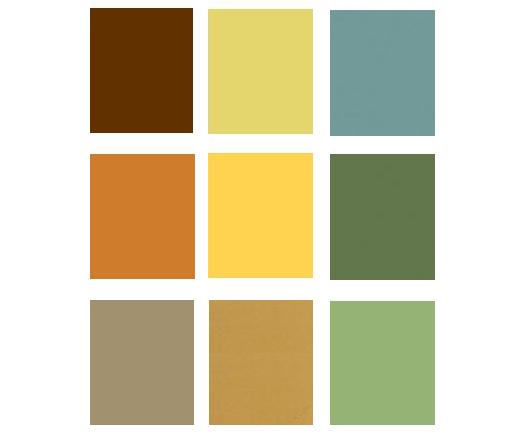
Rit Dye Taupe

Rit Dye Teal

Rit Dye Tan


Round Galvanized Tub

Designer Swedish Inspired Homes
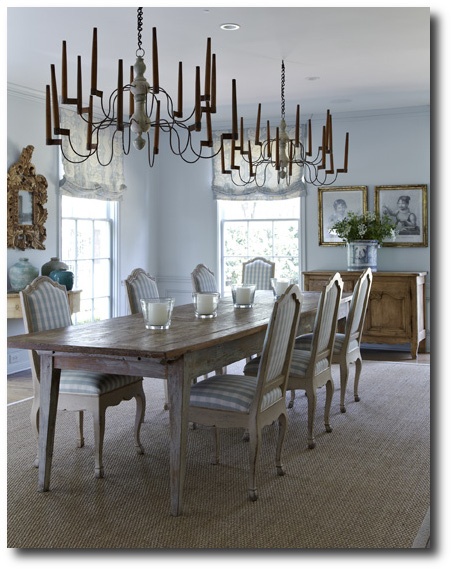
Carol Glasser; one of one of Houston’s finest interior designers immediately sought the insight of renown interior designer Katrin Cargill and author of Swedish Style: Creating the Look
Cargill tells us that room-to-room views are a hallmark of Swedish style, and that they created that look in the Huston home by taking out a number of the doors to create the open look of classic Swedish homes.
Enfilade the formal architectural term is actually a series of rooms aligned up with one other commonly seen in museums and art galleries. Ideally with this arrangement, a person can get an eye view into 2 or three rooms, as the entry doors are aligned perfectly with the the connecting rooms. This European architectural feature was a common design in the Baroque period.
Joni from Cote De Texas tells us the inside story on this home, being that it belonged to a personal friend of hers. Joni also holds the story of the same house which appeared in Country Living magazine a few years prior. She tells us that the owners sold everything from their former house and only kept everything they absolutely loved, which they then designed around. They wanted to design the home to be as authentic Swedish as possible.
It was pleasing to hear the owners spent years acquiring a house full of furniture – piece by piece. Buying authentic swedish furniture or reproductions could cost an arm and a leg if you didn’t collect over time. In addition, swedish furniture is very hard find in the United States. As you see in this Huston home, not everything is antique. The standard swedish cotton check gives an antique look to the modern sectional. Combining authentic textiles with antiques can give you the genuine look while making it affordable.
If a person has a draw to a particular style, over time your most priced pieces will fall into a category of design. She tells us that each purchase was deliberate and thoughtful, as she didn’t mind waiting years for just the “right” table or the “perfect” lamp to turn up as Joni tells it.
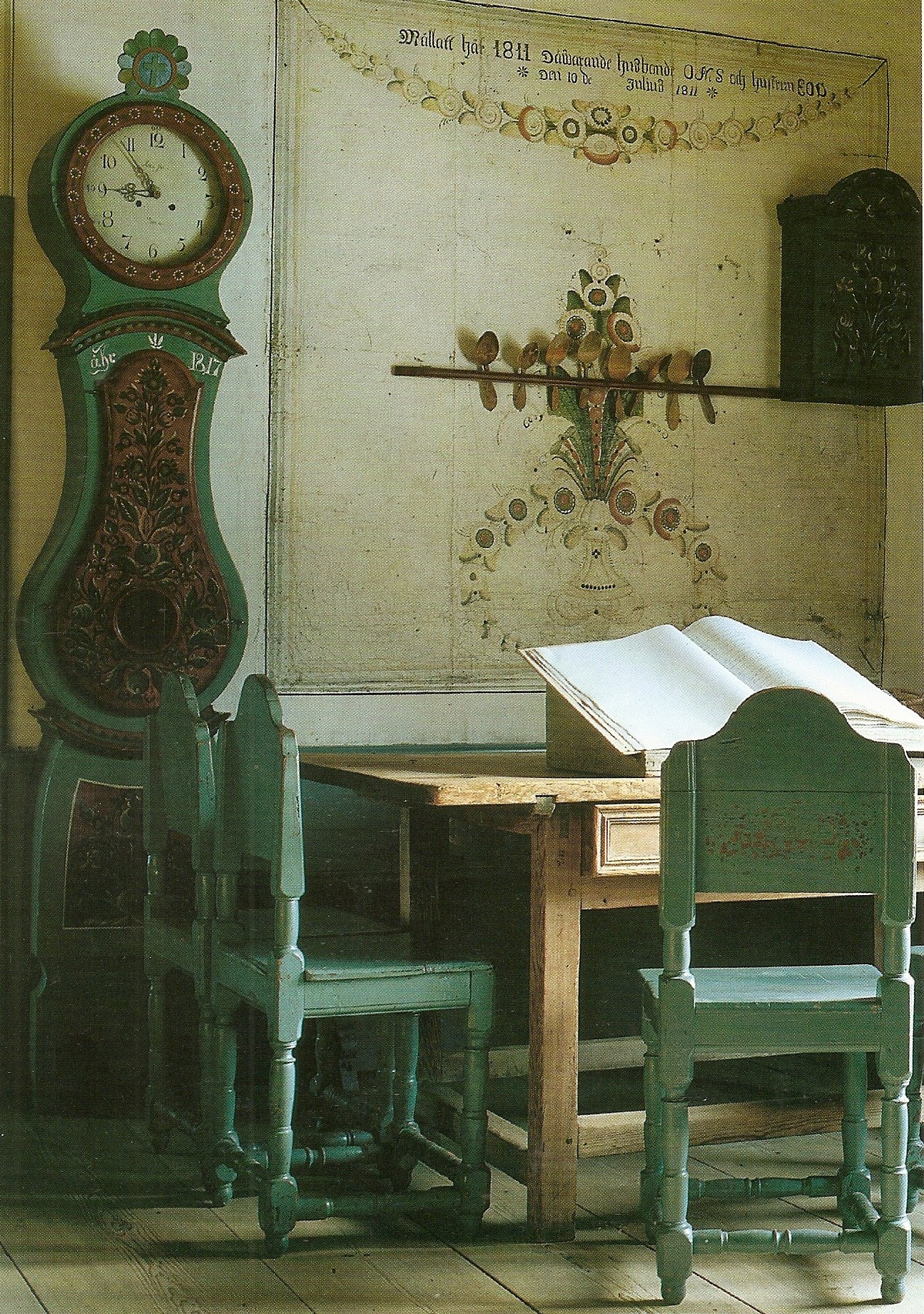
Cargill tells us the key to this design is not having any heavy upholstery, rather furniture that has graceful legs. The house was finished with wide Canadian pine-plank flooring were installed and finished in a chalky limed treatment typical of classic Swedish flooring. The family room featured a beautiful antique French fireplace that had a beautiful aged faux finish. The rustic paneling gives a feeling of a Swedish home that might have the wood walls painted. The walls were graced with Italian oil paintings, backed with light blue painted walls. Faux painted yellow and red walls, toile wallpapers lined bedrooms. The Swedish Mora clock was the first to inspire the entire house colors which were the classic pastels such as pale blues, pinks and reds.
The Townhouse Decorated in Swedish style and Furniture can be found on Katrin Cargill
View More of this home at Home Beautiful – here
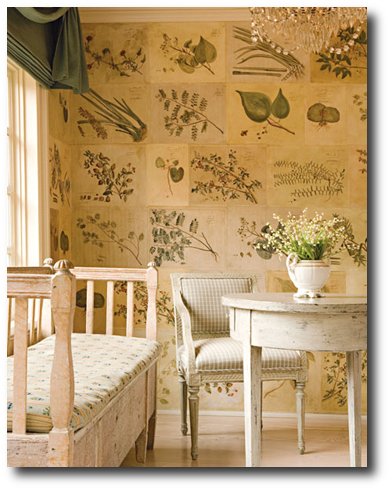
The designers had an artist hand-color and glaze 18th-century black-and-white Dutch engravings for the sunroom; eleven are originals, the balance photocopies that are all but indistinguishable from the real thing.
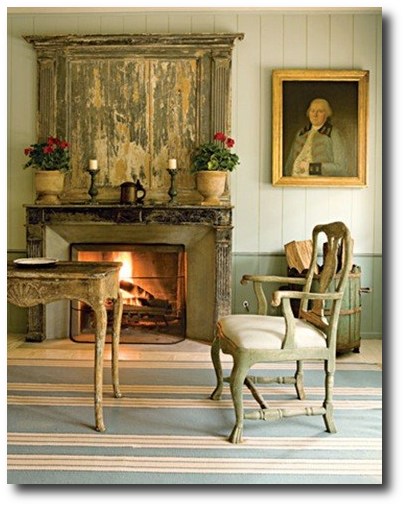 This room seems to have more of a shade of green than blue, in some of the pictures below
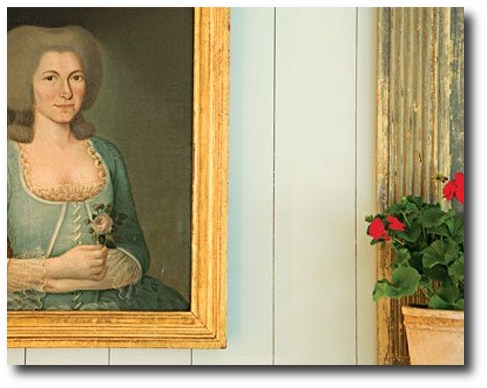 A Close Up Picture of a Portrait Painting
Katrin Cargill & Carol Glasser’s Swedish Interior
(Swedish painted sofa, the other with a sprawling Charles sectional from B&B Italia. Walls faced in rustic planks are painted Low Tide below the faux chair rail)
Carol Glasser Interiors Directoire Style Table From Cote De Texas Blog
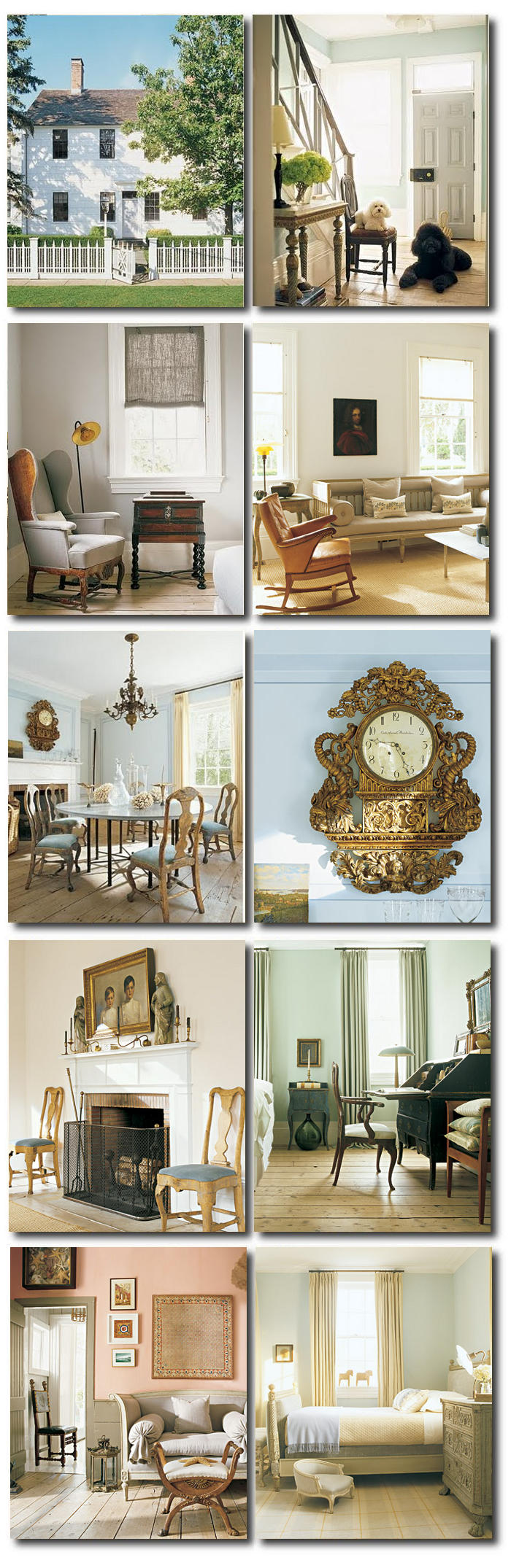
In the September -08 issue of Martha Stewart, Swedish antiques dealer Jill Dienst, and owner of Dienst & Dotter revealed marvelous Scandinavian Antiques and Furniture in her Sag Harbor home. Dienst started collecting Swedish furniture after working for the New York Metropolitan Museum of Art in the European paintings department. Dienst spent decades at some of the finest public and private institutions in the art, design and antiques. The Metropolitan Museum of Art gave her the trained eye to distinguish original century-old paint from modern paintings and Didier Aaron (a legendary dealer of European pieces) gave her the platform she needed in antiques which allowed her to gain a legitimate reputation that Dienst + Dotter needed to specialize in creditable objects from the 17th century to the mid-20th century.
Dienst + Dotter was launched in 2005, specializing in Scandinavian antiques, paintings and furniture.
“After selling French antiques, I found Scandinavian ones so refreshing,” she says. “They’re lighter, quirkier. They pare everything down to the simplest form.” She tells Martha Stewart Magazine
Jill and her husband Daniel tell Martha that they stumbled across their home after being drawn to the water that Sag Harbor’s small-town atmosphere provided. Only after a few hours, they found a home they loved and made an offer the same day.
Photos From Martha Stewart and Space For Inspiration Blog, See the additional photos at Martha Stewart Magazine.
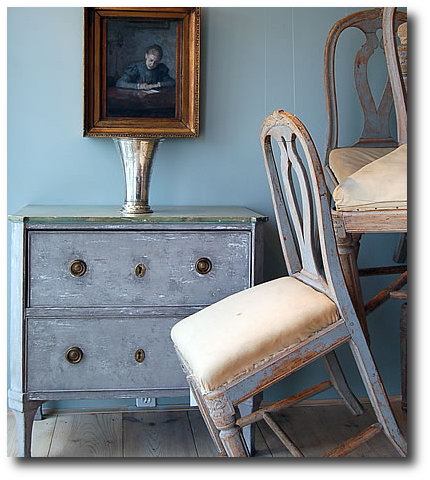
Scandinavian Furniture – From Dienst + Dotter
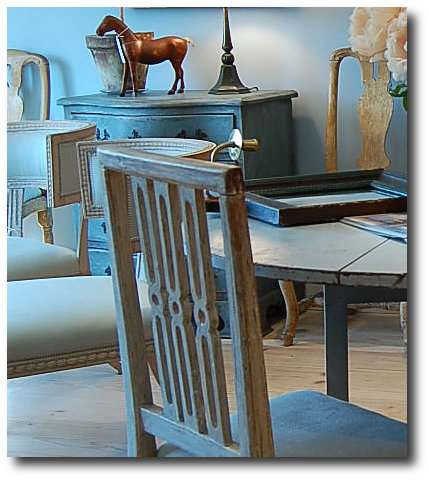 Scandinavian Furniture – From Dienst + Dotter
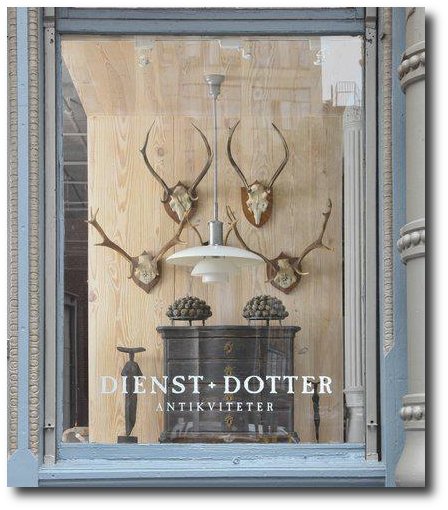
Dienst + Dotter Antikviteter… Gorgeous window display at Dienst + Dotter Antikviteter in NYC
Picture Credit –finderskeepersmarketinc.blogspot.com
Gustavian Swedish Decorating Shannon Bowers From Veranda
Shannon Bowers’s home is still one of the prettiest homes ever to be featured in a magazine showcasing Swedish styled decor. The house was filled with endless antiques all featuring stunning distressed paint finishes. Each room is enough for me to ramble on and on about the lovely choices she made for her home. Among all the rooms, the nursery was by far the prettiest of the rooms. One of her design secrets is obviously picking great pieces, as they speak for themselves in a room. As you will see, her home isn’t cluttered with endless antiques, rather well chosen pieces in keeping with the colors of the Swedish palette. The crib is painted a light blue, which brought forth a nice contrast against the creamy white walls. She layers in wood and natural linen in the upholstery to give it a very natural comfortable appeal.
The rug gives a distinct Swedish touch. The balloon chandelier gives a whimsical element that every babies room should have. Consider the Orb Chandelier by Currey & Co Wiggins, which features a spherical pendant wrapped in natural burlap and banded with wrought iron. This chandelier sells close to 1K, however if you are looking for something less expensive, consider a hanging a number of blue paper lanterns.
The antique tricycle really sets apart this room from other nurseries. If you keep your eye on ebay,many unique tricycles show up from month to month.
One of the more subtle elements in the room are the window shutters. They almost blend in to the wall paint in Bower’s room, but add a very antique feel when mounted to the walls. Color is everything when you are pulling together a Swedish Gustavian styled room. I am sure you will agree with me, there isn’t a prettier nursery than Shannon Bowers!
Rustic Swedish Baby Decor – $93 on Amazon
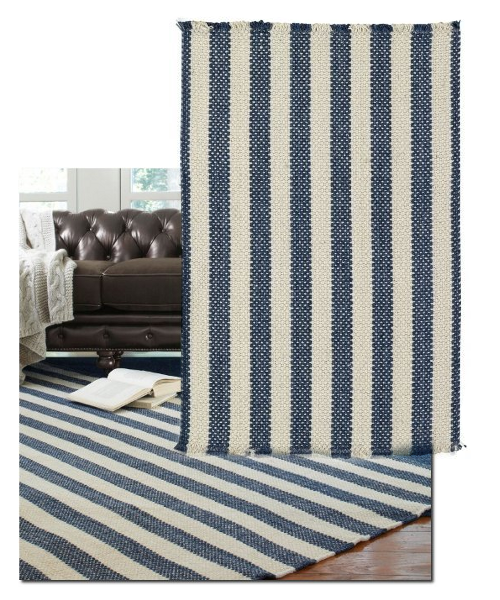 Inexpensive Striped Rugs $177.75 Amazon
Located in Water Mill, this c. 1910 estate was formally a retreat for nuns, but purchased by Nine West founder Vince Camuto for $35 million back in 2005. After putting six years of intensive renovation, the couple decided to put the house on the market once again. – See the rest on Home Bunch Blog
“An 18th-century Swedish corona from Dienst + Dotter Antikviteter complements the Ralph Lauren Home bed and linens. At the foot of the bed is a TV cabinet designed by Egan and covered in a Bergamo horsehair.“
Borrow some ideas from Todhunter Earle for your Swedish and Colonial decorating. Their company was founded in 1988 by Emily Todhunter and Kate Earle joining as her partner 1998. The firm has designed everything from English castles to well known restaurants, yachts and nightclubs throughout Great Britain, Europe, Russia, South America and the United States. Below are some pictures with Swedish Gustavian looks that you can replicate in your own home. They mix a modern contemporary looks such as graphic wallpaper with antique painted distressed furniture. Natural linen is mixed with contemporary glassware. White and cream and gray hues are used throughout the rooms to create a clean and natural appearance.
Beautiful paneled walls are painted in a muted blue, and accented in brass hardware. Look though Behrs vast color selection for great color inpirations.