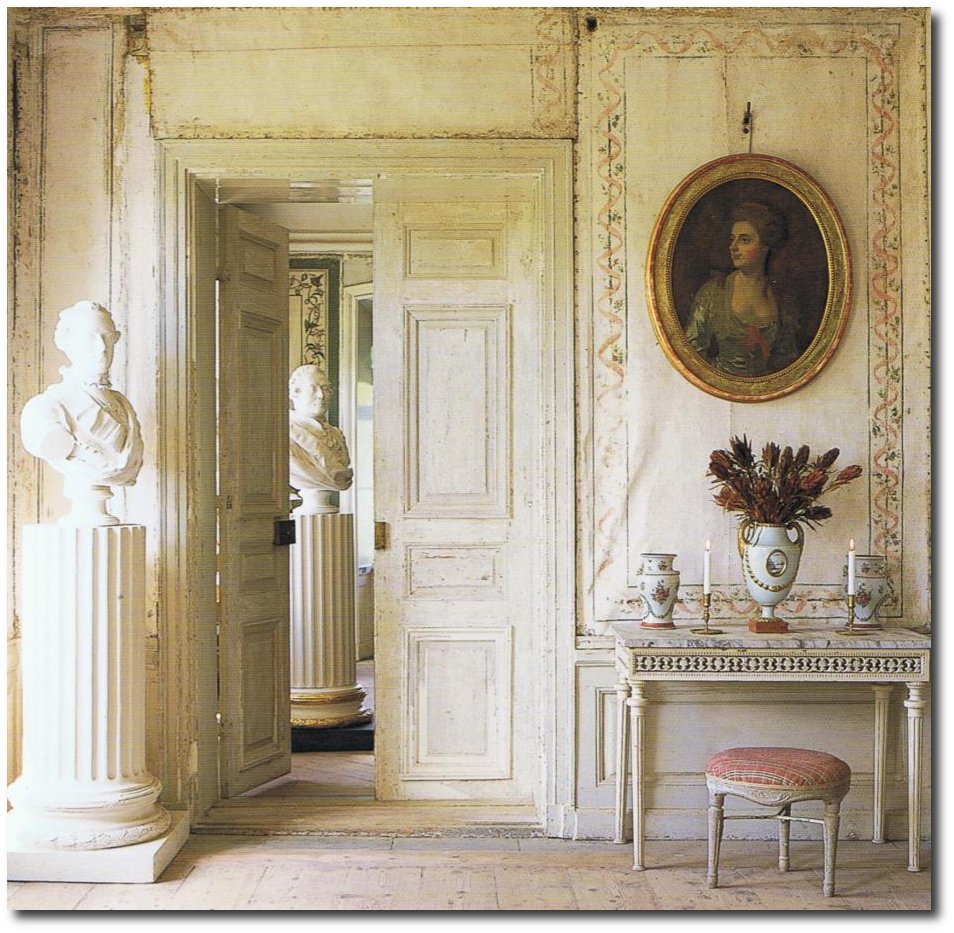
Life In 17th Century Norway & Sweden
In the 17th and 18th centuries, the Nordic people had various desires and aspirations influenced by the social, economic, and cultural context of the time. Here are some of the most sought-after things during those centuries:
Wealth and Land: Accumulating wealth and owning land were significant aspirations for many people in the Nordic region. Land ownership represented social status, economic power, and provided opportunities for agricultural production and resource exploitation.
Trade and Commerce: Nordic countries, such as Sweden and Denmark, were engaged in international trade during this period. Merchants and traders sought to establish profitable connections with other European countries and expand their commercial ventures.
Access to New Goods: The growing trade networks allowed for the introduction of new and exotic goods into the Nordic region. People sought after luxury items like spices, silks, ceramics, and other commodities that were not readily available locally.
Education and Knowledge: The Enlightenment period in the 18th century brought an increased emphasis on education and the pursuit of knowledge. People sought access to education, particularly in fields like philosophy, science, and the arts.
Social Status and Prestige: Nobility and social hierarchy played an important role in the Nordic societies of the time. Many individuals desired to attain or maintain their noble status, associating themselves with the upper echelons of society.
Cultural and Intellectual Trends: The Nordic region saw an influx of ideas and cultural movements from other European countries. People sought to be part of these intellectual trends, embracing new philosophies, literary works, and artistic movements.
Scientific Advancements: The 17th and 18th centuries witnessed significant scientific discoveries and advancements. People were eager to access and learn about the latest scientific theories, particularly in fields such as astronomy, physics, and medicine.
Political Influence: As in other parts of Europe, power and political influence were highly sought after. Many individuals aspired to hold positions of authority, whether in local governance, regional politics, or the national administration.
It’s important to note that the desires and aspirations of individuals varied depending on their social class, occupation, and personal circumstances. These general themes provide a glimpse into the aspirations of people during the 17th and 18th centuries in the Nordic region.

18th Century Antique Swedish Rococo Tragsoffa | Vinterior

‘Saddle Up’ wallpaper designed by Eleanor Walton for Graduate Collection
 decorativecollective.com
 Picture –thisivyhouse
Life In the 17th century Nordic countries
Daily Routine: People in the 17th century generally woke up early, as daylight was essential for most activities. They would begin their day with personal hygiene tasks like washing their face and hands, often using water from a basin. Due to limited sources of artificial lighting, the evening hours were typically dedicated to rest and sleep.
Work and Occupations: The majority of the population in the 17th century lived in rural areas and worked in agriculture. Farmers would tend to their crops and livestock, while women would engage in domestic tasks such as cooking, cleaning, and caring for children. In urban areas, people were involved in various trades and crafts. Merchants conducted business, artisans practiced their respective crafts, and apprentices learned skills from their masters.
Religion and Church: Religion played a significant role in daily life during the 17th century, particularly in Europe. Most people adhered to Christianity, and attending church services was a central part of their routine. Church buildings often served as community centers, where people gathered not only for religious activities but also for socializing and discussing local matters.
Education: Formal education was limited during this period, and literacy rates varied across regions. Wealthy families could afford tutors or send their children to private schools, while the lower classes often received basic education through informal means. Education focused on religious teachings, reading, writing, arithmetic, and vocational skills.
Entertainment and Recreation: In their leisure time, people in the 17th century engaged in various forms of entertainment. Popular recreational activities included playing games, such as cards, dice, and board games like chess or backgammon. Sports like archery, bowling, and tennis were also enjoyed. Social gatherings and events, such as dances, music performances, and theatrical plays, provided further amusement.
Art and Culture: The 17th century witnessed significant advancements in art and culture. Renowned artists like Rembrandt, Caravaggio, and Vermeer produced masterpieces during this period. Literature flourished with the works of influential writers like William Shakespeare, Miguel de Cervantes, and John Milton. Music, including compositions by composers like Johann Sebastian Bach and Antonio Vivaldi, also thrived.
Fashion and Dress: Clothing in the 17th century varied based on social class and occupation. Wealthy individuals wore garments made of fine fabrics and adorned with elaborate embellishments, while commoners dressed more simply. Fashion trends were influenced by the styles of the monarchy and the aristocracy, and clothing choices often reflected social status.
Food and Drink: The diet of people in the 17th century consisted of locally available food sources. Common staples included grains like wheat, barley, and oats, along with vegetables, legumes, and dairy products. Meat was primarily consumed by the wealthy, while the less affluent relied more on fish and poultry. Alcoholic beverages, such as beer and wine, were commonly consumed due to the limitations of safe water sources.
It’s important to note that the specifics of daily life in the 17th century varied greatly depending on the region and social circumstances.

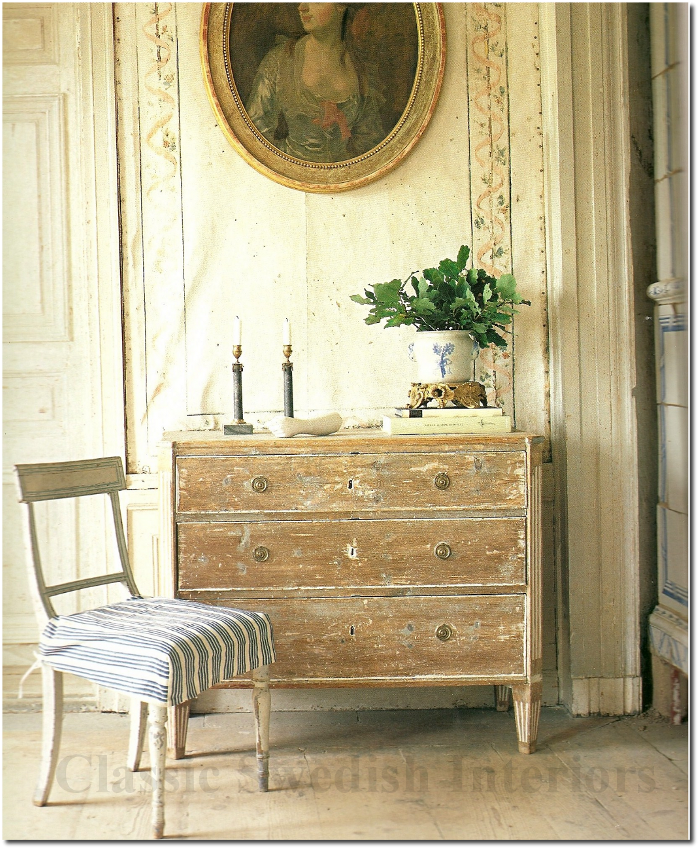
The painted detail of a 18th Century Swedish Gustavian Chest – 1st Dibs


Antique Swedish Furniture

Swedish 18th Century Gustavian Clock with Original Paint – averydash.com/
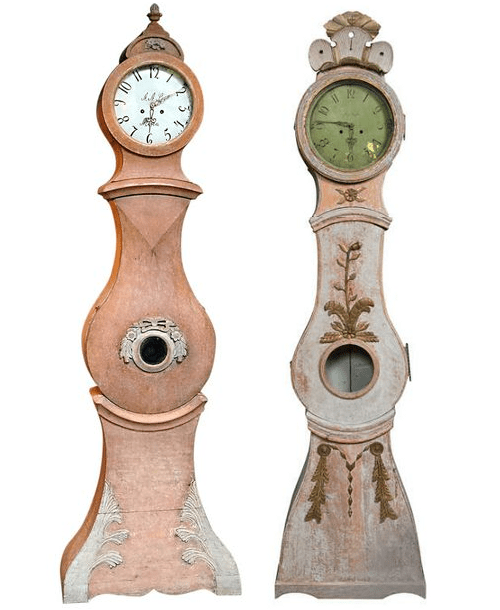
Mora Clock in Original Salmon Paint Found on 1stdibs.com
Swedish Tall Case Clock, ca.1780-1800 Found on 1stdibs.com
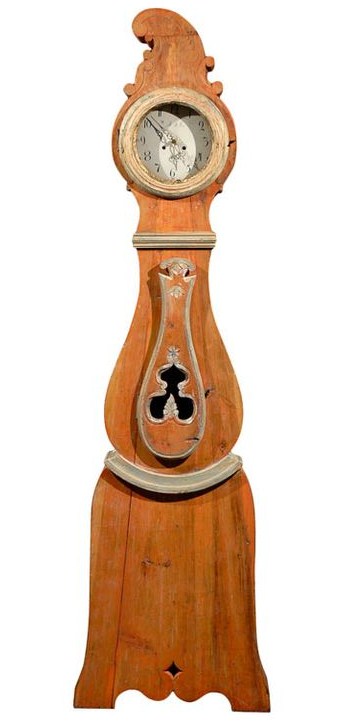
19th Century Swedish Orange Painted Wooden Clock Found on 1stdibs.com
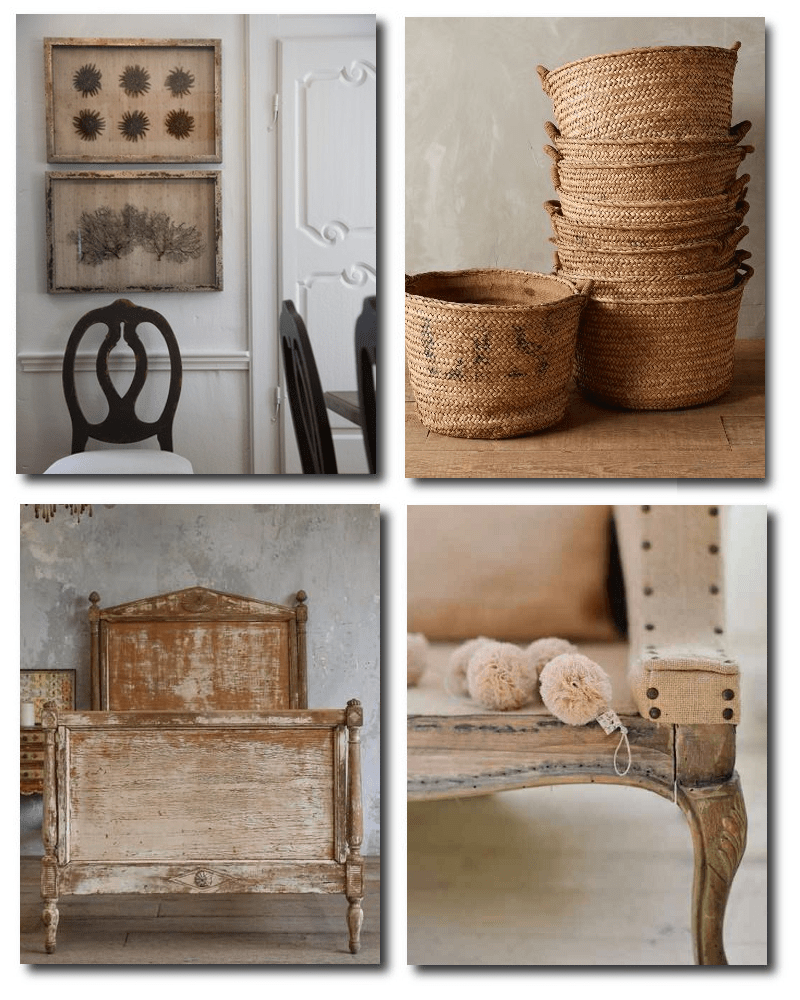
Gustavian Style Found on houzz.com
Harvest Basket, Found on anthropologie.com
Directoire Bed, Found on eloquenceinc.com
De-constructed Chair – Found on inspired-design.tumblr.com
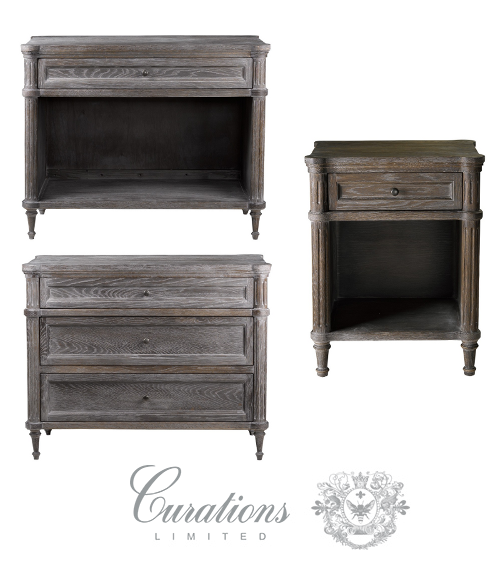 Alden Furniture Collections- Curations Limited
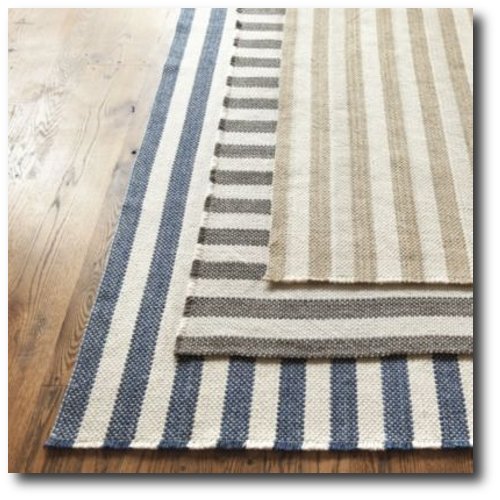
Vineyard Stripe Rug Ballard Designs
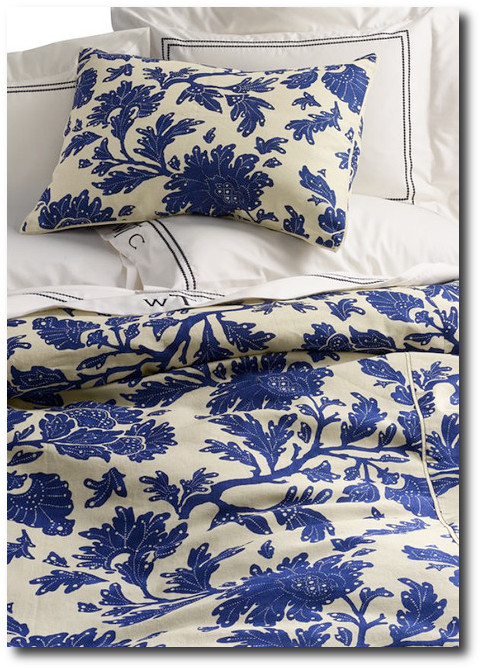
Harbor Springs Floral Duvet Cover, Lands End
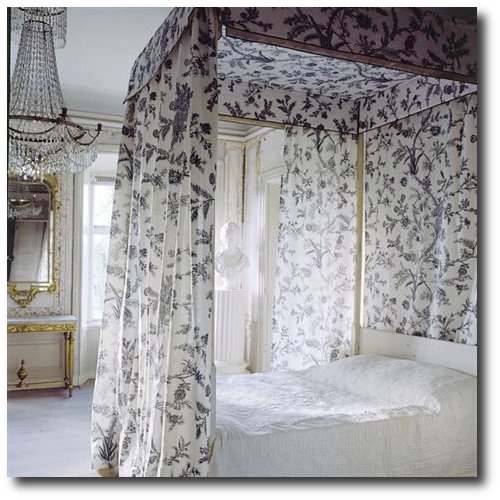
Buy Authentic Historical Textiles online at Ljungbergs Factory
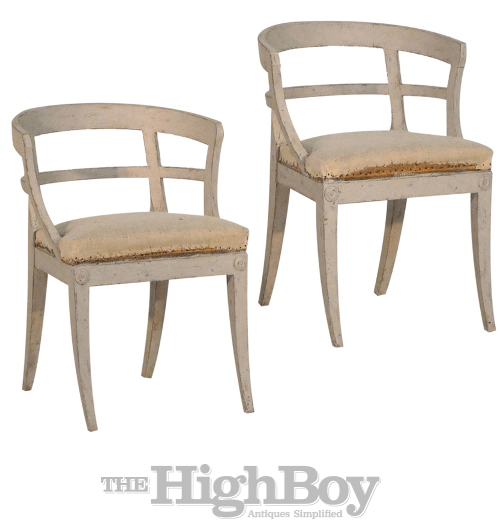 Pair of Swedish Sulla chairs with curved and open H-form backs, with original upholstery raised on splayed legs.- Highboy Antiques

An antique looking mailbox – Amazon

A mailbox with a blue distressed finish – Amazon


Mid 19th Century Painted Water Carrier – debenhamantiques
Nordic Style Kids Bedroom Decor Ideas
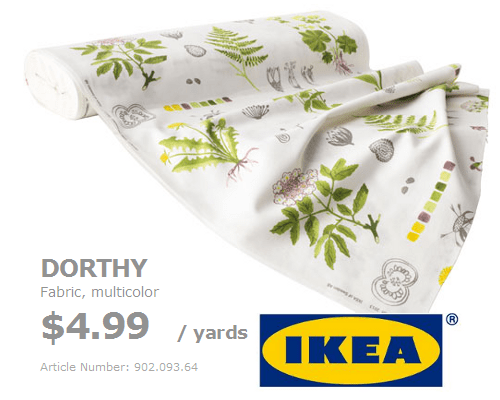
The design of your children’s rooms should feel like a natural extension of your home and your personal style. A playful space doesn’t require cartoon characters splashed across every wall to prove you’re a fun mom. Thoughtful design can feel youthful, imaginative, and beautiful all at once.
Below are a few simple tips for decorating a child’s room in a way that feels lively yet timeless.
Limit the Number of Pieces in the Room
Create breathing room. Choose just a few well-made, thoughtful pieces and leave open space for play. Many modern homes don’t offer large secondary bedrooms, so prioritize furniture that works hard for you—dressers with ample storage and beds with built-in drawers are invaluable.
Add Dedicated Storage for Toys
Teaching children to put their toys away in a designated space makes a world of difference. We updated all the closets in our home using simple bracket systems from Home Depot and lined the shelves with baskets. One row is reserved for clothing, while the remaining shelves house toys. A cleaner room means far less daily stress.
Use Wall Shelving to Elevate the Space
Everyday toys can live in the closet, while more decorative or antique toys can be displayed on wall shelves. If you love design, use vertical space to your advantage. Painted and lightly distressed wood shelves add charm, and floor-to-ceiling bookcases maximize storage while drawing the eye upward. Thrift stores often carry porcelain dolls for very little—I’ve found beautiful ones for as little as $5 that can be enjoyed now and played with later.
Invest in the Right Fabric
Fabric can set the tone of a room instantly. Printed textiles add warmth and personality, whether through bedding, curtains, or pillows. If sewing isn’t an option, look for comforters that achieve the look you love, then echo that fabric in smaller accents like throw pillows or an upholstered chair.
Choose One Standout Antique
A single antique—whether it’s a toy on a shelf or a beautifully crafted bed—can anchor the entire room. You don’t need excess furniture or décor. Nordic-inspired interiors thrive on restraint, so focus on a few functional, high-quality pieces paired with subtle accents.
Mix Old and New
The Swedish look is all about balance. Combine modern furniture with classic patterns like checks or stripes, and layer in color through textiles, ribbon details, or small accessories. New pieces can feel timeless when styled thoughtfully.
Enlarge a Vintage Print
Large artwork doesn’t need to be expensive. I’ve found frames at yard sales and replaced outdated prints with enlarged vintage images—one even came from an old calendar my grandmother gave me. Printing them at a local shop like Staples is an affordable way to fill large frames with beautiful, meaningful artwork.
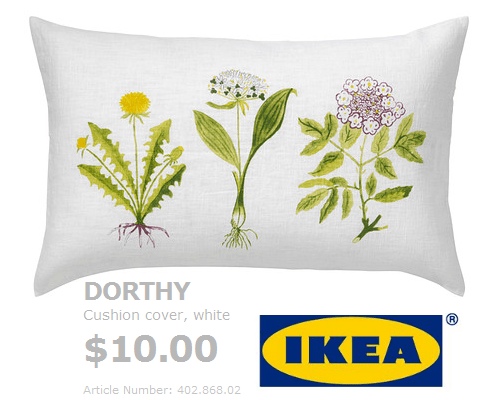
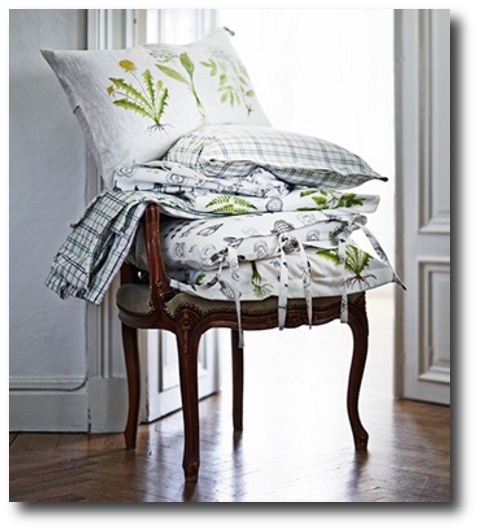
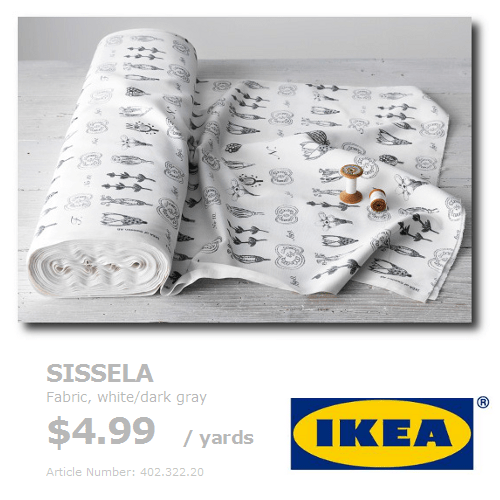

Melissa and Doug Plush Dogs – Amazon
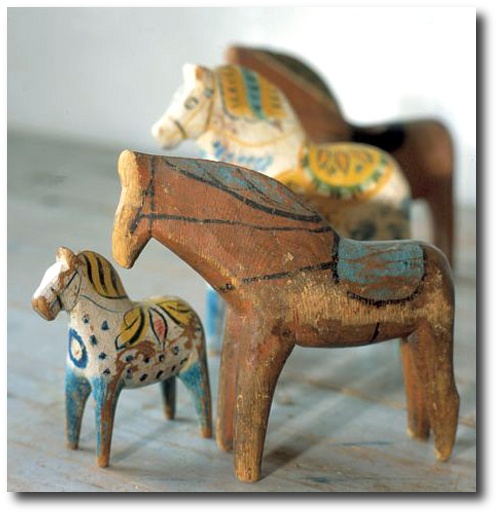
The tiny horses originated in Dalarna hundreds of years ago. They were made from scrap pieces of wood and used as toys and first mentioned in writing from 1624. In the 1800s, this horse became famous and internationally known as the dala horse. Add one of these into your children’s room for a Swedish flavor.
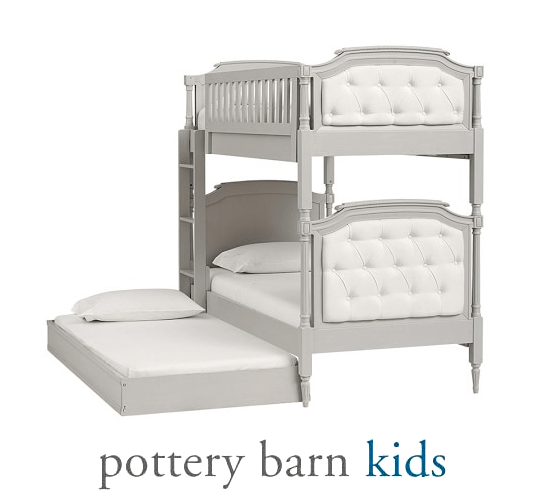 This grand bunk bed sleeps two children in comfort and style. They are quite expensive…. however don’t discount trundle beds which can house an extra bed quite nicely. Create your own beautiful bed by tufting the head board, or upholster your headboard for an updated look. Here you can see, gray always looks classy. From Pottery Barn
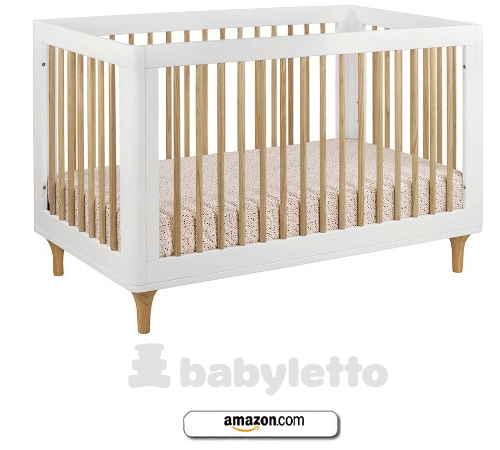 Modern can be fun! Look at this bed from Babyletto! Don’t you love it?
Babyletto Lolly 3-in-1 Convertible Crib with Toddler Rail, White/Natural – Amazon
babyletto Skip 3-in-1 Convertible Crib with Toddler Rail, Chestnut and White- Amazon
Babyletto Origami Mini Crib, Amazon
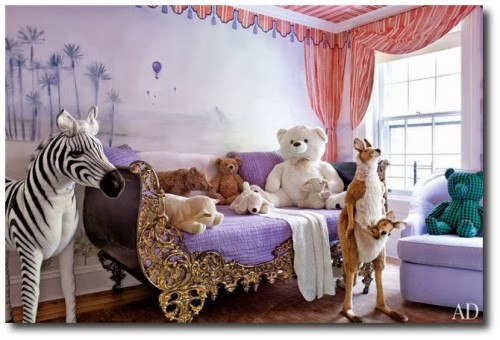
Found on architecturaldigest.com
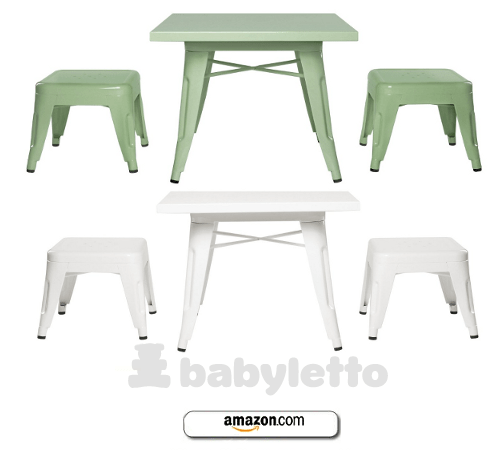
Babyletto Lemonade Playset- Amazon
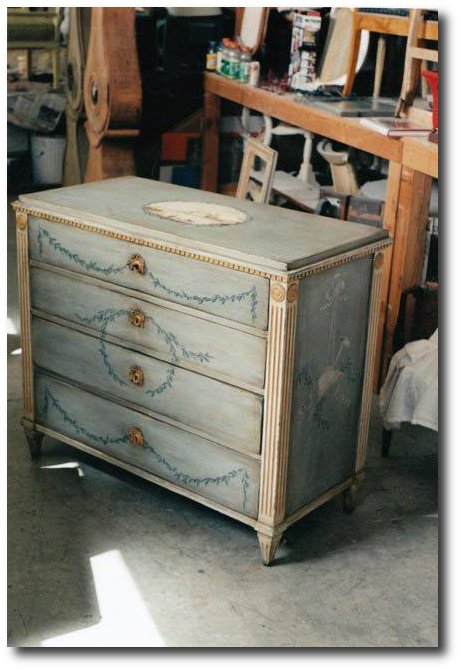
Painted garland is a classic Swedish look.
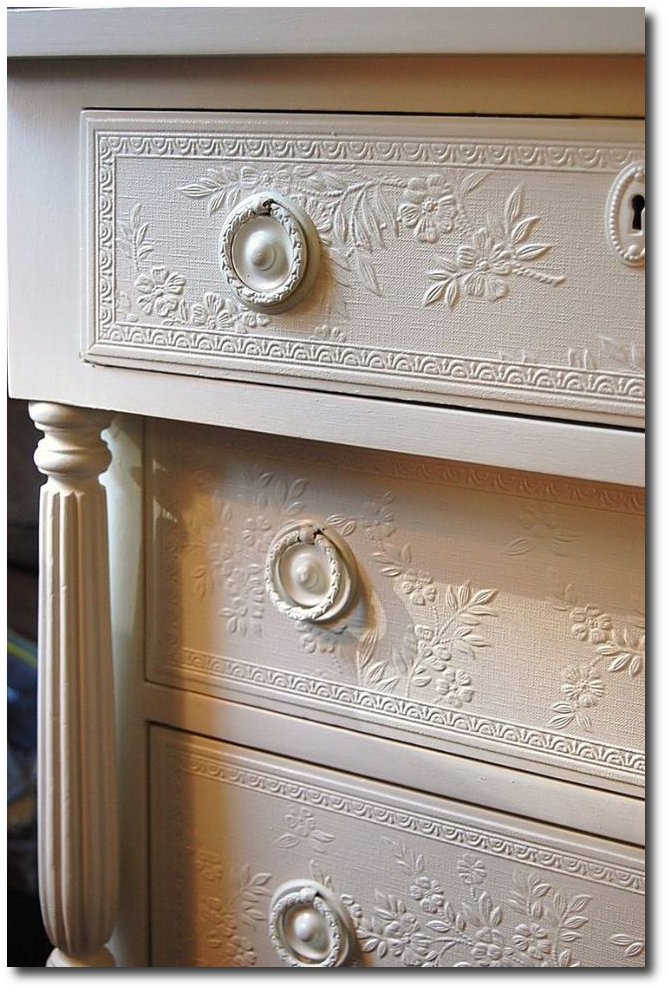
Get some ideas from this delicate and intricate design by using embossed wallpaper to decorate a chest. Seen on A Changing Nest Daniella Burnett , Found on etsy.com
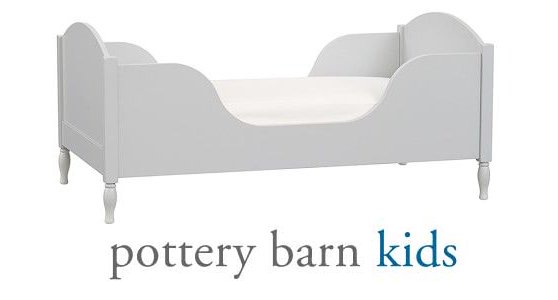 This bed from Pottery barn has the classic looks seen in Swedish kids antique beds
Shelter Toddler Bed, Found on potterybarnkids.com
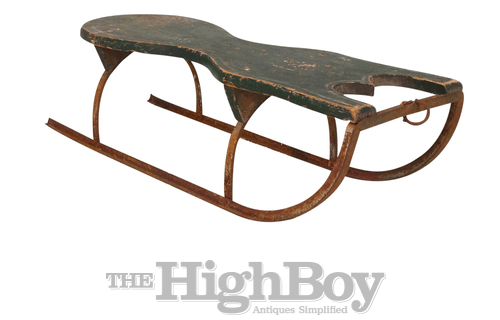
A very charming 19th century Swedish sled from Dalame, Sweden- Highboy Antiques
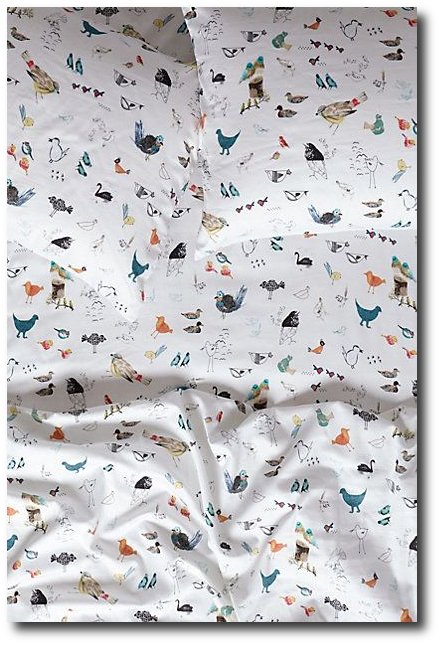
Paths Of Flight Sheet Set Found on anthropologie.com

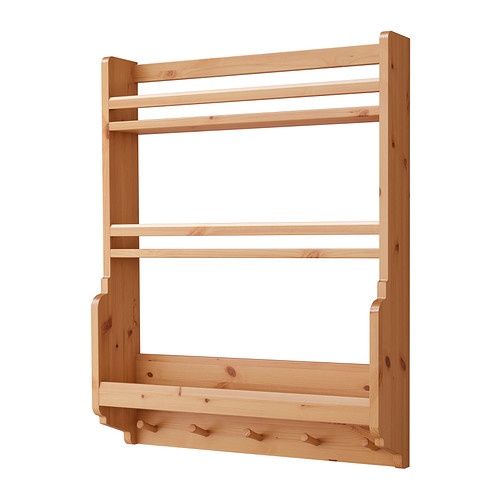
GAMLEBY Wall shelf IKEA, could double up as a book shelf
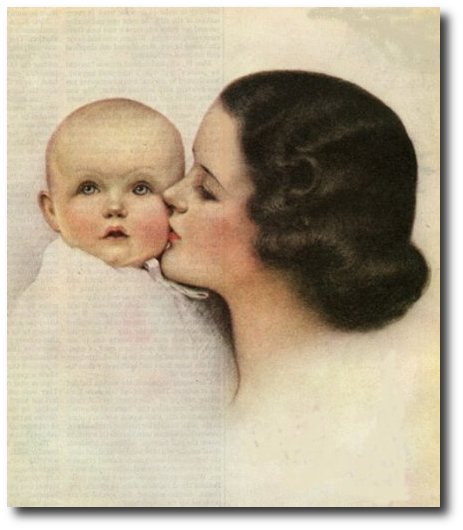
Counted Cross Stitch Pattern Chart Graph – Vintage Mother & Baby 1930s By Vintage Home Arts – $12 On Amazon
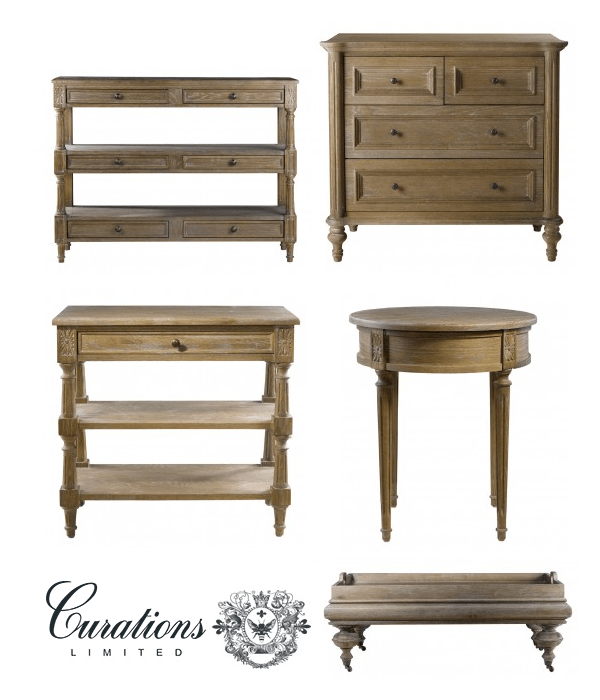
Furniture From Curations Limited.com
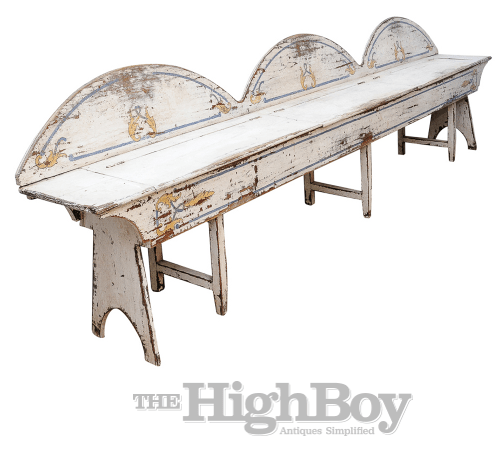
he Highboy Antiques

Swedish 19th century wooden soldier Found on bukowskis.com
Gustavian Officer, Kostymskisser | Atelje Alenhall
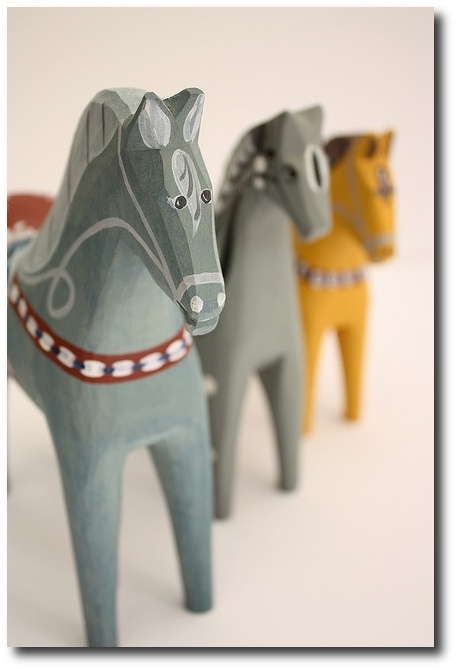
Dala Hast (swedish wooden horse) by Hart Interior photo on Flickr
Find similar images to this one on google images
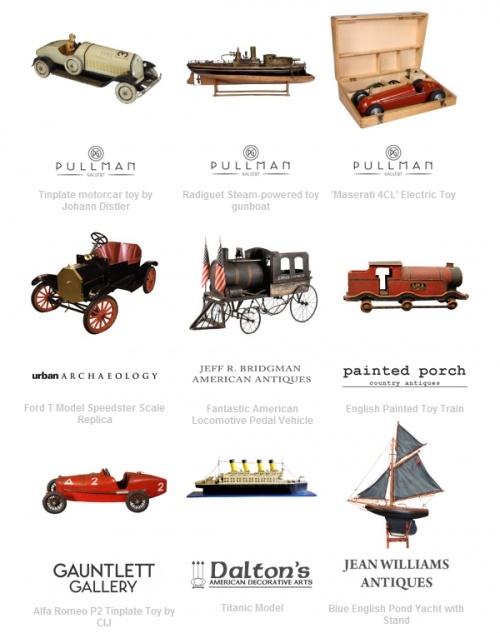 Decorate With Antique Toys- Ideas For Your Kids Room Decor
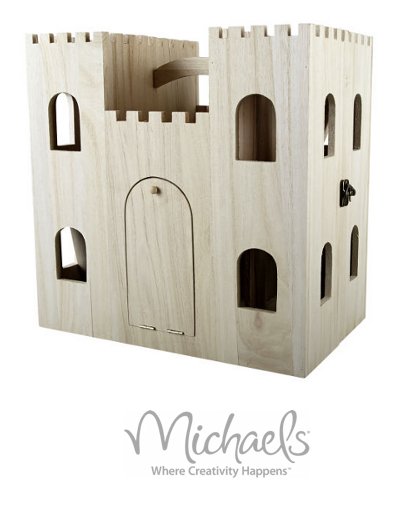 Art Minds ArtMinds™ Wood Castle Dollhouse – Michaels
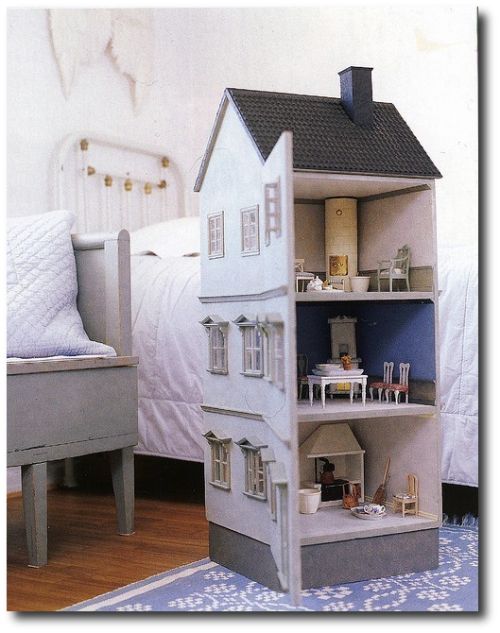
Decorate with old wood painted doll houses. As you can see this photo actually contains Swedish doll house furniture!
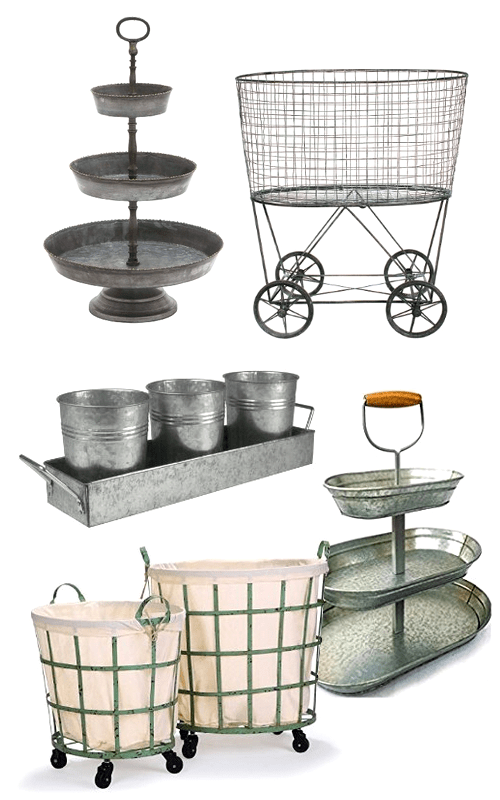 Deco 79 Metal Galvanized Tray, $81.84
Oasis Picnic Caddy & Planter Set, Galvanized Toy Buckets? $14
3 Tier Galvanized Metal Stand $52
Metal Vintage Laundry Basket with Wheels $124
Adeco Round Rolling Laundry and Storage Baskets $99+ $32 Shipping
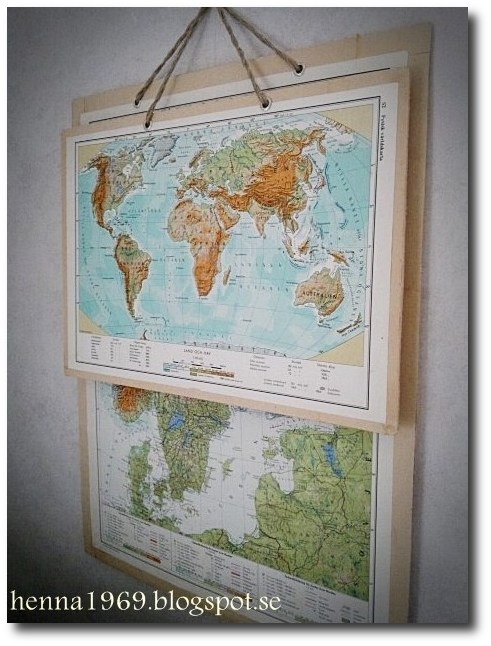
Consider layering maps on the wall by using thin plywood.
Read more on henna1969.blogspot.se
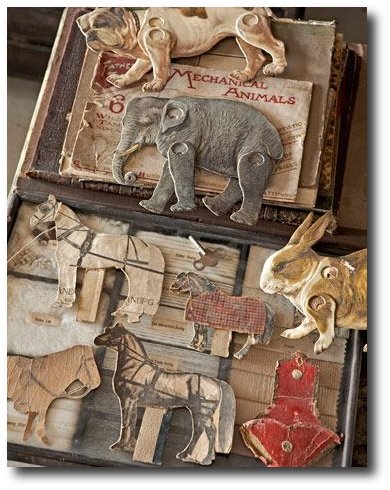
19th-century English paper animals-Found on countryliving.com
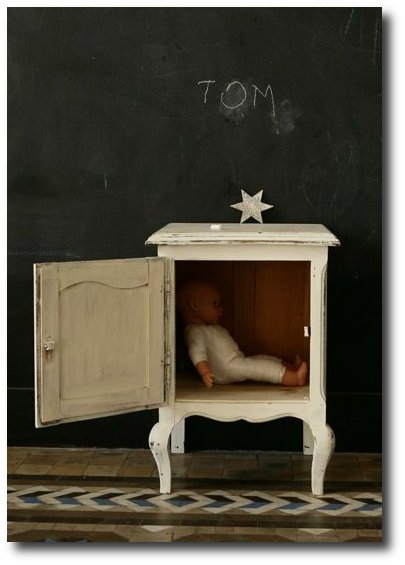
Based in Barcelona, is owned by Kathleen Boonen and Jan Dönhardt, a couple with Belgian, Dutch and German origins – Found on pirouetteblog.com
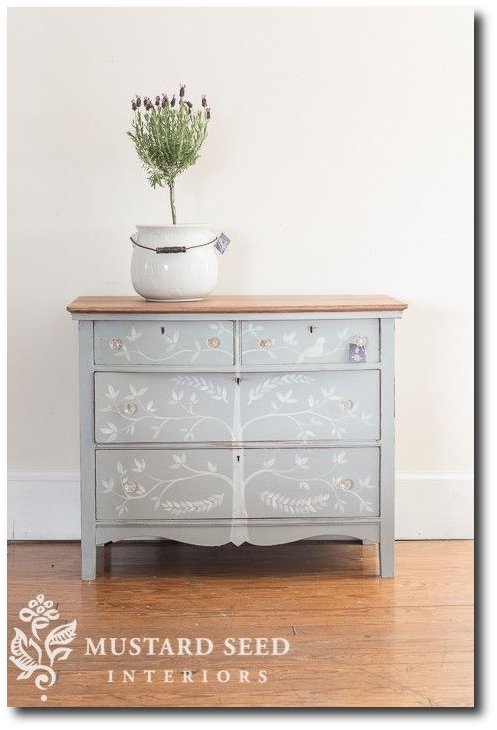
Dresser With A Tree – Found on missmustardseed.com
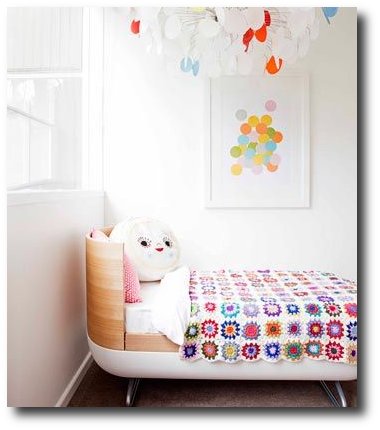 Real Living November 2010
Bring color into the room with a white based knitted blanket
All Things Beautiful Blog: Marburger Farms Antique Show
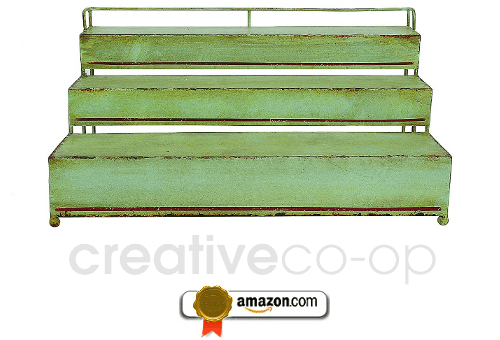 Creative Co-Op Metal Three-Tier Rack, Green $49
Perfect for displaying toys
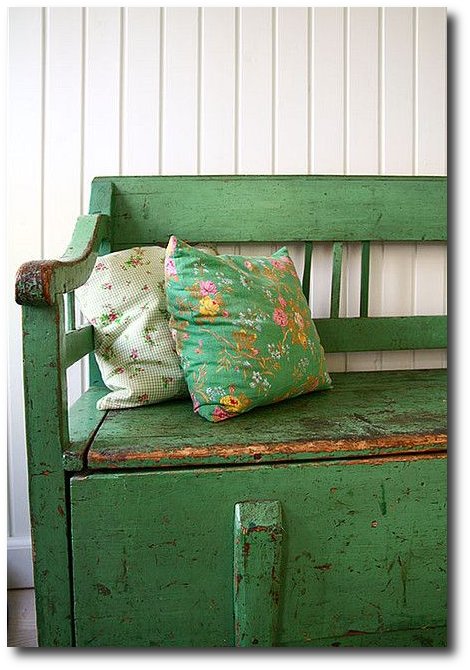
Swedish “slagbaenk” by Live Bohemian on Flickr
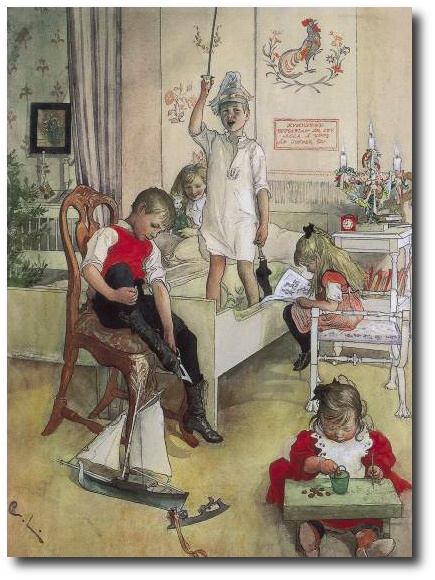
Carl Larsson 1894
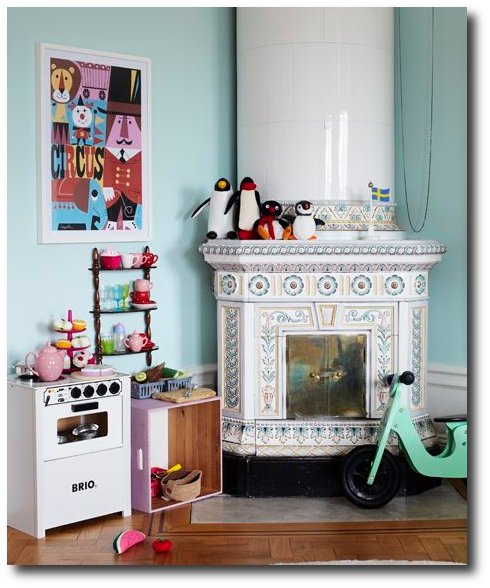
Children’s toys featured with a Kakelugn tiled stove- Found on familyliving.se
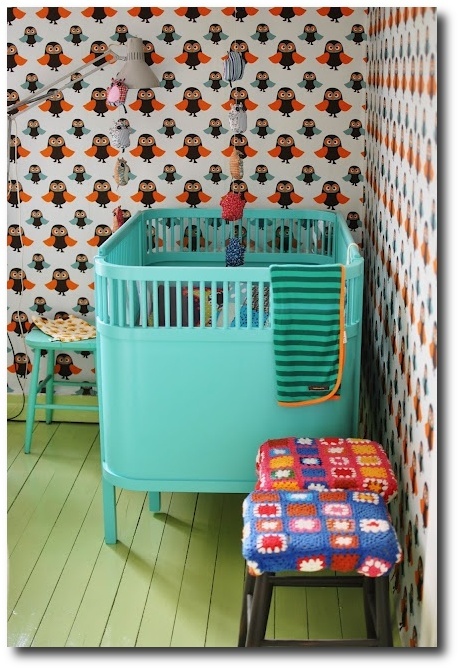
Turquoise crib – Found on in-myhouse.blogspot.se
Living In Norway- Norwegian Life In The 18th & 19th Centuries By Elisabeth Holte
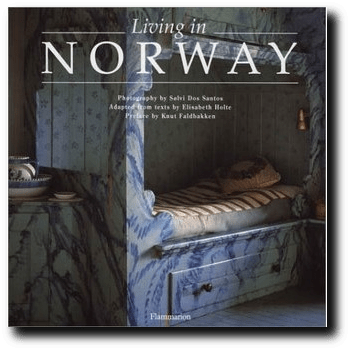 Living in Norway by Elisabeth Holte, is a book you need to look though. This book features 250 lovely photographs of Norwegian interiors which specialize on folk motifs, and countryside homes. The book is divided into the four seasons: fall, winter, spring and summer.
When it comes to antiques, this book shows them in their historical natural settings. View homes that look untouched from the 18th and 19th centuries. Many of the “hytta” or cabins found in Norway have been now turned into bed and breakfasts or museums which have kept much of the traditional interiors intact.
Look through many examples of traditional rosemaling on the walls and on the outside of the shadow box beds that show you the sheer talent of country people in the 19th century. In this book you will find a rich selection of Norwegian homes, interior and exteriors images, focusing on mostly historical homes, with the exception of one home set in the modern style.
214 pages show a variety of pictures, with a special section at the back featuring a visitors guide. While this book was published in 1999, this book is breathtaking, and be a classic example of the interiors found a long ago that we never get tired of.
Quotes I found most interesting:
On The Style Of Houses In Scandinavia “As Far back as ancient times, the Swedes usually constructed lightweight buildings with wooden facades, while the Danes, who claim practically no forests, built their (hatched cottages in stone and clay: the Norwegians built their solid valley farms of logs, one farm often made up of twenty buildings for different uses”
On Dragon Viking Style In Norway – “It was only in 1005 that Norway became a monarchy again with the coronation of the Danish prince Charles (the grandfather of the present King Harald), who came to the throne under the name Haakon VII. A renewed national consciousness was expressed in architecture and furnishings by the adoption of the Dragon style, inspired by a pseudo-Viking nationalism. As a people, therefore, we are both old and young, which explains the dominant rural trait in Norwegian culture”
On The Popularity Of Dragon Style “Dragon chairs that had been banished to the attic are now being brought down for a fresh look. The style originated in Sweden at the beginning of the 19th century and spread to Norway. The Swedes and the Danes tired of it in the 1880’s but Norwegians maintained the Dragon style and used it as a symbol of their ongoing struggle to leave the threadbare union with Sweden, which ended in 1905. Considered a pure Scandinavian tradition, totally independent of what was happening on the continent, the Dragon style was an expression of the pride of the Viking age”
On The North Summer Nights “As the days get longer, nobody wants to go to bed. In the south, it is possible to read outside in the garden until eleven o’clock at night and the sun is already up again by four in the morning. North of the Arctic Circle, the sun doesn’t set at all, creating an almost unreal atmosphere. During those ‘white’ nights of the midnight sun. time seems to stand still. In enjoy the beauty of the midnight sun at its most breathtaking”
On Rose Painting Artists “Rose Painting was distinguished as any of the country’s more widely known cultural representatives. Rose-painting was a rustic art made by local masters who traveled from farm to farm, often spending months in one place carving and painting the most magnificent interiors. The tradition of rose-painting started at the beginning of the 18th century and reached a peak towards the beginning of the l9th, surviving until the middle of the 19th century. For the owners of the houses, rose-painting was a way of expressing new-found prosperity, and farmers and peasants wanted to show off their wealth and their improved social status, much as the prosperous merchants and civil servants in the towns displayed theirs”
Norway’s Coastlines “Along Norway’s southeastern coast the climate is sometimes so mild that even herbs like thyme, cultivated on the terrace to flavour summer meals, survive the winter . One of summer’s highlights on the Sorlandet is the Trebatfestivalen (Wooden Boat Festival)
which takes place in August in the fine little sailboat town of Ris0r, whose harbour is lined with white wooden houses. Timber trade with Holland led to the creation of Risor in the 17th century, and it grew to become an important trade and ship-building port in the 18th century without ever losing its charming small-town atmosphere.”
On Rose Painting Art “Rose-painting was an amalgam of local tradition and personal style. Artists generally knew of the major artistic trends and skilfully incorporated this knowledge into their designs. Although rose-painting lagged behind stylistically in relation to the major artistic trends that were evolving on the continent, you can nonetheless find elements drawn from all the major styles—Renaissance, baroque, rococo and Empire. The leitmotif of rose-painting, the elegant, sweeping baroque tendril, could play different roles within a design, in conjunction with flowers, in elaborate geometric patterns or as a structure for other motifs;. Popular motifs included human figures (the artist might paint the farmers wife if he found her pretty enough), flowers, trees, religious scenes, and soldiers on horseback with little dogs running at their feet. Artists chose pure, bright hues to produce vivid but harmonious effects”
On Popular Antique Furniture “For two or three generations, there has been a craze for antique farm furniture and objects in Norways towns, ranging from fine and costly 18th-century tables and dressers to a more basic lyed farm table or the antique wooden bowl. It is only recently that urban antiques have started to attract attention. Mainly of these come from Sweden, Denmark and Norways southern coast, and are made From birch or old English mahogany in the Empire style. However, bondemobler, or old farm furniture, remains the most sought after type of antique”
On Artist Peder Aadnes “One of the most renowned 18th-century painters in the lowlands to the east was Peder Aadnes. He created delicate, baroque, floral designs in soft blues, but his style tended to be more urban than that of his fellow masters. When rose-painted furniture attributed to Peder Aadnes or his fellow masters appears on the antique dealer’s circuit in Norway today, you have to be prepared to pay enormous sums for a major item such as a sideboard. The colors and forms are so beautiful that you could put that sideboard in an empty room and need little else”
On Antiques In The Countryside “Even in the most modern Norwegian homes, it is unusual not to find at least one small remnant of the countries rural heritage —a bowl, a table, a rose-painted chest of drawers, or a painted dresser. (It would also be unusual not to find an example of Norway’s innovative contemporary handblown glass or pottery.) Up until the middle of this century, there was little appreciation of antique farm furniture in the rural areas and much of it was bought up cheaply by city dwellers dealers. These days, most farmers value their heirlooms—their painted beds, massive tables, rose-painted or stenciled walls—and take good care of them. On some farms, whole interiors can be works of art. Because craftsmen not only made furniture but also carved and painted entire rooms, including the bonded timber walls and the ceilings. Baroque tendrils and rococo shells adorn the massive wooden walls and beamed ceilings, while carvings of soldiers or king- with sabres drawn, brings doors to life. Many of these 18th century rooms still survive intact in farmhouses in the valleys and on the lowlands of southern and eastern Norway. Some are still used by the descendants of their original owners. Often, though, the present-day owners have made themselves modern houses next to the old ones, with luxuries such as electricity and plumbing”
Rugs Made From Scraps Of Cloth “Yli farm in Telemark is one of Norway’s finest folk art interiors, with 1797-1807 richly carved box beds and exquisite rose-painting. The lush, colourful rose-painting, rosemaling, by renowned local masters, involved far more than mere flower decorations and usually did not include any roses at all. In many valley’s dialects, rosut (rosy) simply meant decorated; rose-painting was the general name for the luxuriant rural decorative art in the 18th and 19th centuries. In the old days, weaving cotton rag rugs (left) was a way to make use of worn household textiles and clothes.”
Get the book Living In Norway, By Elizabeth Holte, Photography by Solvi Dos Santos from $12 dollars on Amazon


5 Homes Decorated Around The Nordic Style
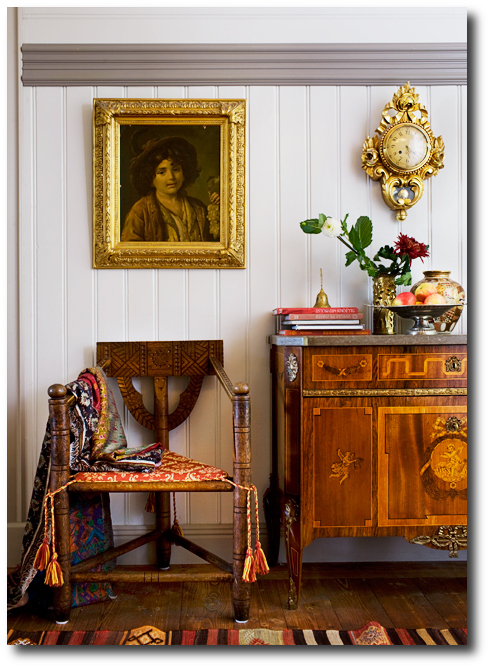
New Orleans invid Mälaren- Skona Hem
Country House Inspired After New Orleans -One hundred and fifty meters from Lake Mälaren is 1800-century house whose decor is inspired after the famous city of New Orleans. Kristina Spur found the house 11 years ago in deplorable condition. It leaked, had no electricity, water or heat. The building had been abandoned since the 1950s, and the roof was almost completely destroyed as the home had it’s original roof timbers from 1887 when the house was first built. In February 2001, she moved in with her two sons Oscar and Gustav, then 3 and 5 years old. Read more about this transformation at Skona Hem
A Swedish Seaside Home Decorated Around The Nordic Style- This Scandinavian home is surrounded by rocks and sea. The owner, Jacob is an architect followed in his forefathers steps, as his ancestor designed the the library in 1760, at the Royal Palace in Stockholm. His home boasts huge windows, which can be seen from the ocean, and lets in a terrific amount of light, and provides an open concept with the vaulted ceilings. Interior wood paneling on the walls brightens things up. The interior decor mingles the new with the old. One of the oldest pieces in the house is a rococo sofa from 1760, which was completely refurbished. Originally featured at werandacountry.pl
Granholms Estate has been named the the Manor of the year in 2014 in the Great Gods & Farms Gala. Gransholm is also Mary and Jan Åke of Trampes private homes. Granholm’s mansion, built in 1812, has regained its original beauty. With great passion and respect for the history, the family has managed to create a modern functional home while preserving the cultural history behind the home. The mansion also serves as showroom for antiques. See the rest of the pictures in godsochgardar.se
Gotland House- When Asa Hallin and Håkan Jacobsson finally got to buy the house of Hemsedal municipality 20 years ago, it was run down and in poor condition. Håkan is a carpenter by profession, and through the process of renovating the house, they enlisted the help of another carpenter, a mason and a painter. Over a year and a half, they completely restored it back to the style resembling its original condition. Read more at lantliv.com/
Restored Home Built In 1792- There isn’t a lot of information about this last Swedish home on the internet. The home is decorated with classic Swedish distressed furniture. It is unclear how many rooms are in this house, but an obvious kitchen/ dining room has a large center table, with two rectangular side tables pushed together. Off this room, is another bedroom with a twin bed, and rustic wood chair. A children’s room is the highlight of the tour, with a painted blue doll house situated on a table, with a country style Swedish bed with draperies. A stenciled floor make this room memorable. Photography Solvie dos Santos
View the pretty pictures below:


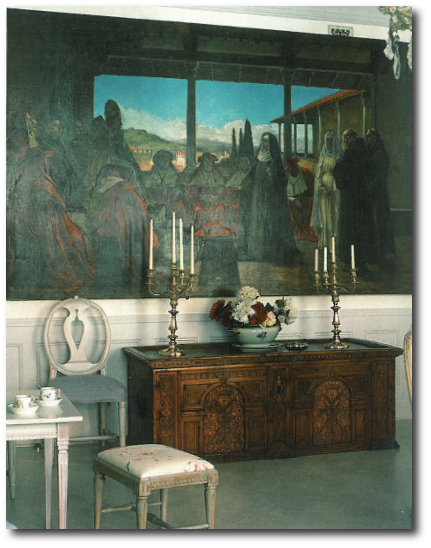


Nordic Style Historical Interior Decorating Books – Living Museums in Scandinavia
Living Museums in Scandinavia By Per Nagel- On Amazon From $89
An inspiring, interesting and useful insight into Swedish life and interior decoration of the past. This is a lavish photographic guide to 13 historic houses in Scandinavia that have been preserved exactly as their original owners left them. They have now been opened to the public as museums.
The houses featured represent a wide range of types, from the sophisticated Jugend style to simple country dwellings, city houses and studios, and belonged to artists, architects and scientists, as well as ordinary folk. Painstakingly reconstructed and preserved with authenticity, these homes offer the reader a rare opportunity to travel back in time to experience the best in Scandinavian style, characterized by simplicity and by clarity of light and color.
From The Amazon Preview:
The museums chosen for this book are all authentic Scandinavian homes. Their distinctive common Scandinavian origin is evident in the wonderful clarity of light and colour and in the beautiful, simple living style for which Scandinavia is so well
known.
These museums also have in common that they seem especialry alive because they are still intensely reflecting the life that was once lived in them. They are all real, in
the sense that they were created by those who originally lived there. It is as though the residents have just stepped out for a moment! These homes represent a wide variety of types ranging from a sophisticated Jugend style to simple country style, and from urban houses to farms and artist’s studios. The residents have represented many social levels from famous citizens and farmers to well-known artists, architects and scientists.Because of the strong authenticity of these places, they offer us a rare opportunity of going back in time and experiencing different ways of living, and perhaps
finding inspiration for our own lives.
Photographer Per Nagel has collaborated with architect Vibe Udsen for many years in publishing the world-wide distributed architectural annual, LIVING ARCHITECTURE, which is based on his exceptional photographs of Scandinavian architecture.
In LIVING MUSEUMS IN SCANDINAVIA, Per Nagel’s evocative photographs convey the atmosphere of these old residences in such a magnificent way that the reader almost has the feeling of having been there.
Table Of Contents:
8 Melstedgard Farm House on Bornholm, Oenmark
16 Erichsens Gard Townhouse on Bornholm. Denmark
24 Hjorth’s Pottery on Bornholm. Denmark
26 Michael and Anna Ancher’s House The Artists’ Home In Skagen. Denmark
42 Holger Drachmann’s Villa Pax The Artist’s Home in Skagen. Denmark
58 Kauppila Farm House in Finland
68 Qwensel House Chemist’s Shop ana* Home in Turku. Finland
82 Hvittrask Architects Saarinen, Gesellius and Lindgren s Home in Finland
96 Carl Larsson-Garden Karin and Carl Larsson’s Home in Sundborn. Sweden
124 Zorngarden Artist Anders Zorn’s Home in Mora. Sweden
138 Carl von Linne Carl Linnaeus’ Town House and Summerplace in Uppsala. Sweden
163 Siggebohyttan Mine Owner’s House in Nora, Sweden
182 Husantunet Farm House in Alvdal. Norway


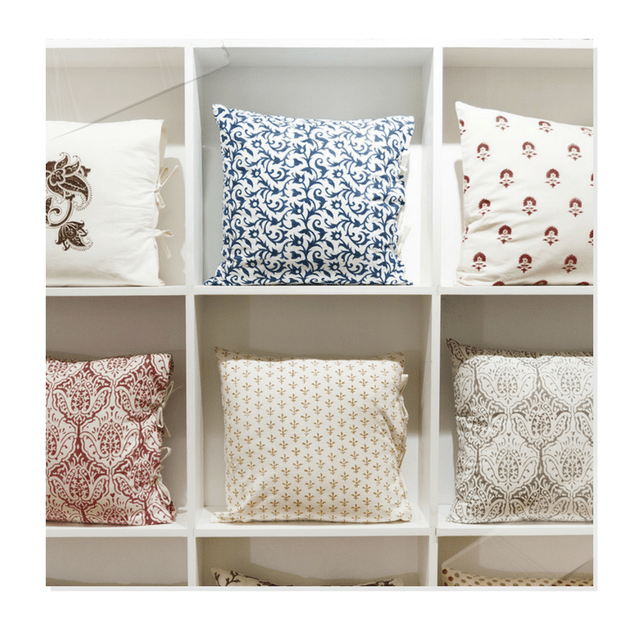
Les Indiennes Fabrics

Mary Mulcahy’s designs, first developed for her block-printed textiles, now grace the wall with the Les Indiennes collection by IVM Prints. The 12 hand-screened wallpapers include Rayure, left, and Veronique, both in indigo; additional colors are offered, Seen in Elle Decor April 2011
The company Les Indiennes is known for their beautiful hand-blocked textiles. Founder, Mary Mulcahy had a desire to find naturally dyed cotton, with large scale single colored motifs, but was unable to locate fabrics close to what she had in mind, so she created her own. Her concept started to take form after running into a craftsman in southern India, who knew exactly what she was after. In fact, the craftsman was one of the very few artists who still practiced the ancient art of kalamkari, which was an extremely complex and rare method of printing on fabric.
The Kalamkari Process:
1. Fabric Preparation- Cotton fabric is initially softened and bleached. This process needs to be done before any printing takes place. The process involves bales of organic cotton which are repeatedly rinsed and beaten against large rocks, then laid out on the grass to bleach in the sun. These steps ensure that the fabric will feel soft and luxurious, and so that the color application remains bright and vibrant.
2. Block Printing- After the fabric has been softened and lightened, printing begins. Craftsmen dip hand-carved wood blocks in dyes and presses them into the cotton. The dyes are derived from plants, roots, earth, and rock. One can only imagine the great care, and measurements taken to ensure the patterns are straight and line up with one another. Today we take for granted large printing machinery, when at one time, much of this work was done by hand. At Les Indiennes, the fabric is printed by hand, and hours go into each fabric panel. After the patterns are applied, the printed fabric is air dried for at least two days.
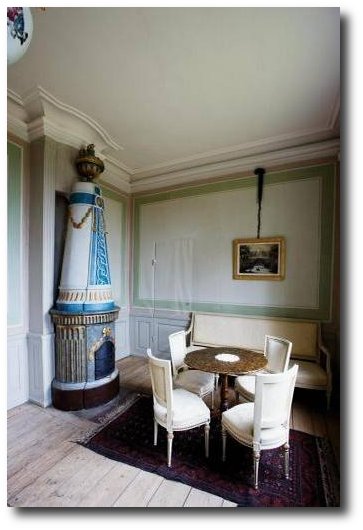
Swedish Kakelugn Stoves
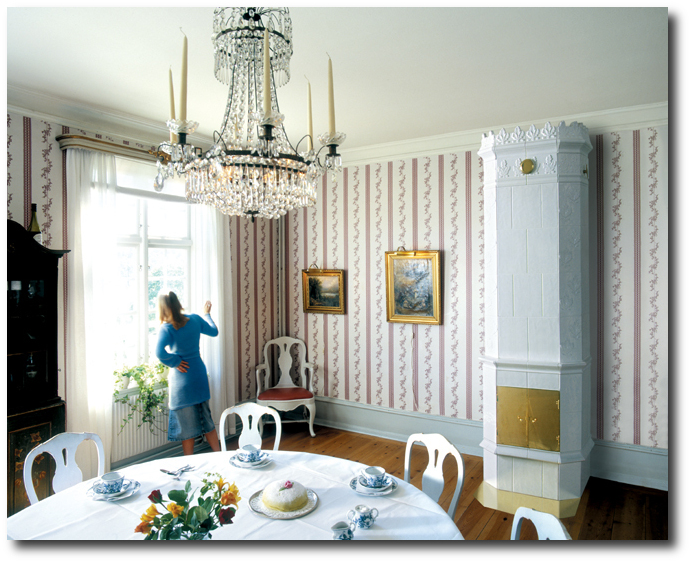
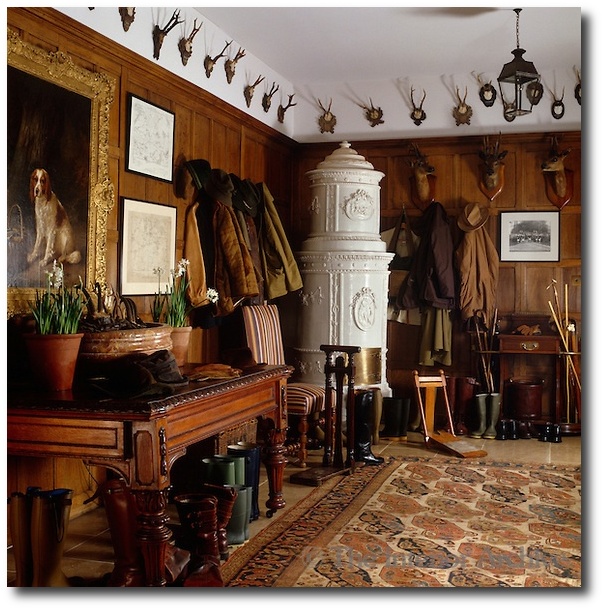
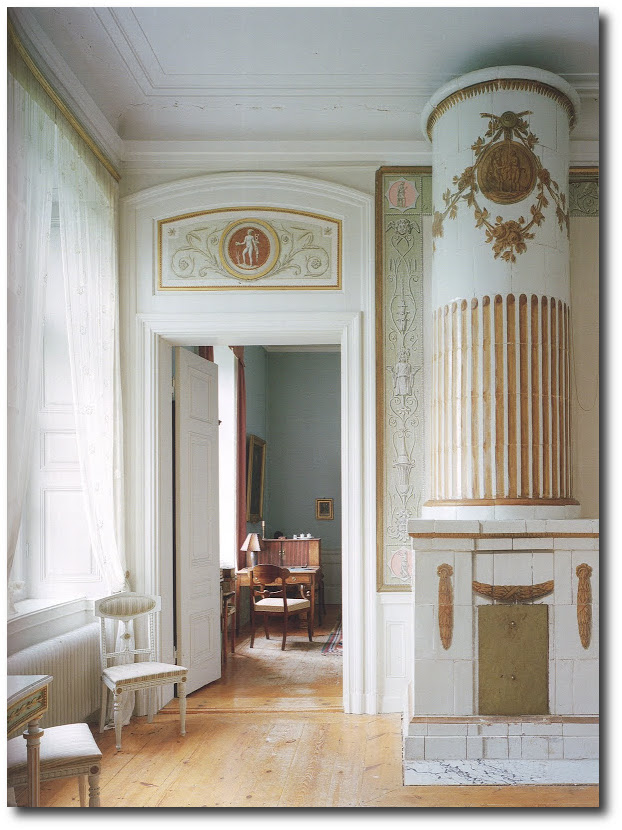
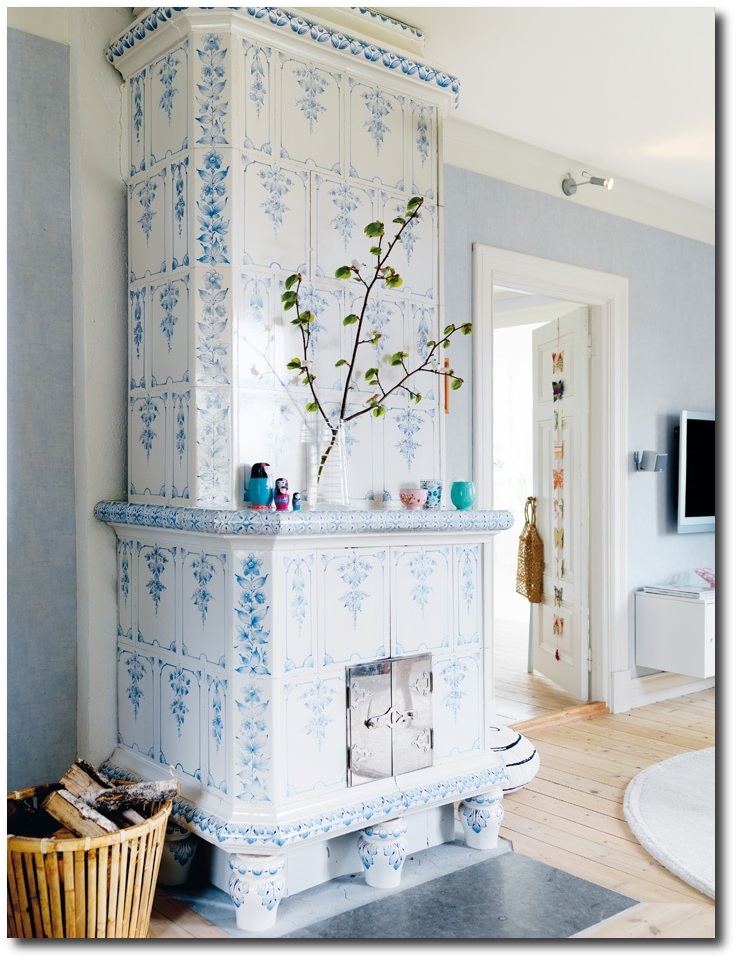
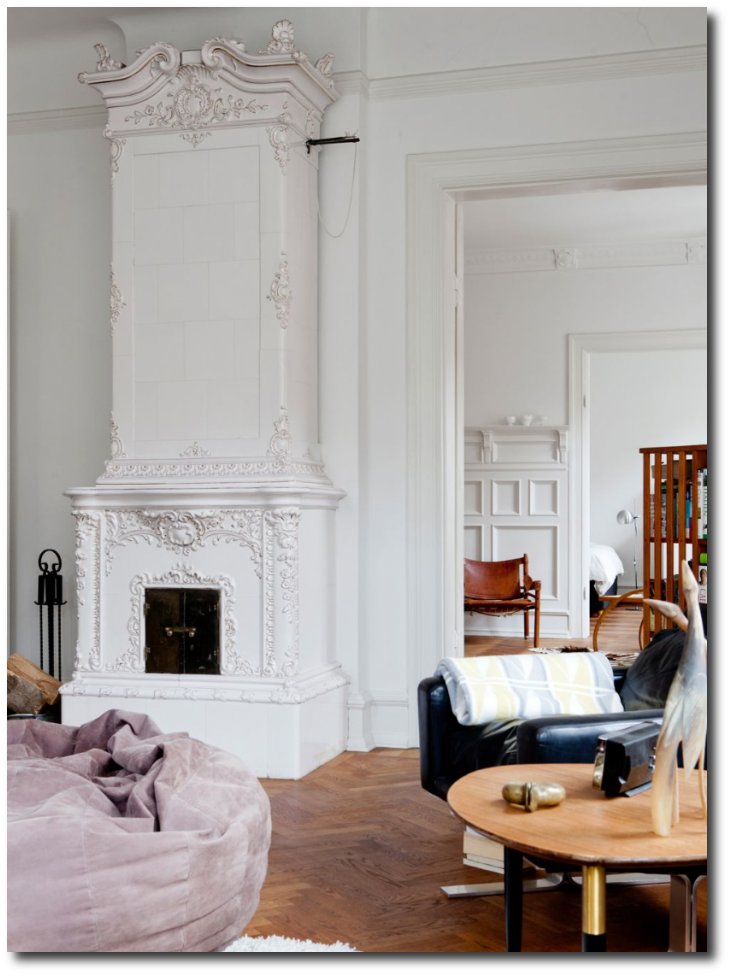
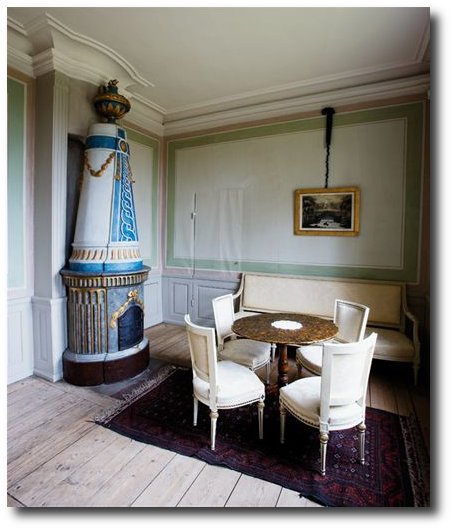
The “Kakelugnar” stove is a Swedish tiled stove whose design is still in use today. This classic stove dates back to the eighteenth century, and adds a historical element to a Scandinavian room. These tile fireplaces usually resemble a column, while the shape is generally very simple. The most popular designs tend to be round or rectangular, and are generally white, and are placed either in corners or against a straight wall. The heights of the stoves range everywhere from six to ten feet or more. The stoves often feature two small folding doors where the wood is placed, and the top of the fireplace forms a crown.
Fire was essential for warmth and food in the Nordic region a century ago. Over time, we have lost some of survival techniques that were passed down through generations. Houses were smaller, and fires were first and foremost placed in the kitchen areas, where the cooking was done. The very first buildings were designed as one large room. An entire family lived in one room, than having many rooms to heat. Today it is fashionable to have vaulted ceilings, and large rooms, but the very opposite was true in throughout history where smaller rooms retained their heat better. Families often slept in the same room to conserve t the warmth, and be near the fire to keep warm through the nights where the temperatures dropped. The earliest homes had no windows, but rather a modest opening to let any smoke out. It wasn’t until the 1600’s when the chimney was invented, and the fireplace was designed to let smoke out of a chimney through the roof.
Above Picture Credit Gullesen Masonry Stoves
The Kakelugn stove’s design first came about when a shortage of wood became a crisis. In an article written by Stone Mason, they describe what prompted the stove design: “The period between 1500 and 1800 was known as ‘Europe’s little ice age’. In Sweden, where it was even colder than it is nowadays, it was clear that the constant use of fireplaces from morning till night would eventually lead to the total depletion of the nation’s forests. It was most fortunate, then, that in 1776 Adolf Frederik, the King of Sweden, commissioned Carl Johan Cronstedt to develop a stove that would make better usage of the country’s timber resources.”
The winters were colder than normal, and the people at this time needed to get as much heat out of the wood as possible. The problem was, too much wood was being consumed, that the government needed to intervene before the forestry was used up. Carl Johan Cronstedt and Fabian Wrede, had received a government mandate to try to find more fuel efficient solutions, and ended up inventing a fuel efficient tiled stove which burned the wood slower, and retained the heat for hours.
The Swedish Kakelugn stoves are a distinguished piece found in the Nordic countries. You won’t find these stoves in Canada, where the winter temperatures are just as cold. During the latter part of the 1800s, the stove found a prominent place in rich mansions and palaces. Beginning around 1830-1840, large farms were being equipped with stoves which soon lead to the countryside and middle class.
Swedish Kakelugnar stoves produced by Swedish Camina, are one of market leaders in Sweden who make stoves. Lindholm Kakelugnar also sells stoves in their original design. Lindolm Kakelugnar, based in Sweden, has been selling and building antique tiled stoves for the past 45 years. The company stocks a range of pieces, including a selection of stoves manufactured from the 1860s to the 1920s, or buy a modernized version from Contura.
The beauty of these classic stoves is that they retain the heat for long periods of time. New modern stoves often heat up fast, but once the flames die out, the stove cools off quickly. The “Kakelugnar” stove burns wood for a period of 1-3 hours, and then provides even heat for several hours after the fire has gone out. In fact, these classic stoves have a better design than the modern day stoves that are produced today.
Read more about the tiled stove visit alltomkakelugnar.se
- Antique Kakelugn
- Fritz von der Schulenburg, Interior Archive
- The Swedish Country House By Susanna Scherman- Buy It On Amazon
- Svindersvik Featured On Wikipedia
- Kakelugn Stove- Vía: Hus & HemA Swedish apartment for sale through Bolaget.
How To Decorate A Child’s Room In The Swedish Style
Children dream in vivid color, and anything is possible to them, so why not create a room fit just for their personalities? When it comes to decorating your child’s room, you simply cannot go wrong, because almost anything is pleasing to them. Even if you try to create something special, they are overjoyed at your choices! Children love rooms where they can express themselves, and be creative. Imagination and playtime, – think of those two concepts while you are gathering ideas for their room, and you will do well with an overall theme…..
Most parents feel they can go a bit more daring in a child’s bedroom than what they would do for the rest of the house, which is why it is so darn fun to design kids rooms- you can be a bit crazy and get away with it.
Here are a couple tips to getting a great look for your kids room decor……
1. Invest In A Few Key Pieces- Don’t be afraid of buying an expensive piece of furniture for your kids room. A great chest, or genuine chair can stay in their room for years, and stay in the guest room when they move out and get married.
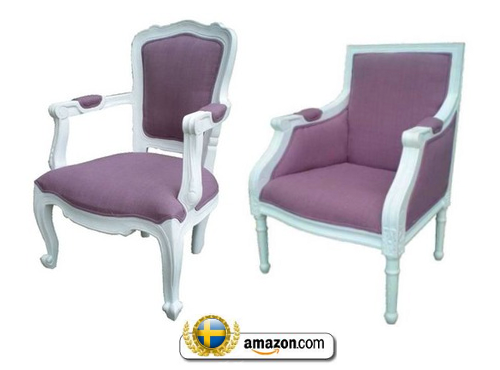
A great vintage reproduction play table would be a great focal point in a child’s room. Functional pieces that are also visually attractive should be the goal. This Louis XVI Child’s chair would match the Swedish styles quite well. Consider upholstering it with material that matches your child’s drapes and bedspread. This play-table would be great in a little boys room where red, and dark blue would say “I am a Boy“.
Get the general look of the Swedish style, by re-purposeing furniture. Change the hardware, paint furniture, and use a lot of distressing techniques to get the old appeal into the overall look. Buy transfer-ware tea sets for your little girl, and use a vintage french provincial end table, and re-purpose it with child’s chairs. Add wheels to the bottom of the end table to lift the table higher to give your children’s legs room to stretch out. French style play tables aren’t so common, so get the look using a vintage french end table.
Decorating doesn’t have to be expensive. Look out for vintage toys at your local flea markets, antique stores and thrift stores for great looking toys to decorate with. Wood has always been a signature style of the Swedish look. Melissa & Doug have great faux food which will make you want to join in for “tea time”
2. Decorate With Vintage Toys- Antique wood furniture can be painted, and roughed up unlike plastic. Greenleaf Doll Houses come in kits which you can set up, and paint. A vintage nightstand from ebay or craigslist might be a perfect match for a dollhouse. Customize the table to match the dollhouse.
Buy a wood rocking horse, and paint it yourself. You CAN get these horses for less than $1800! On ebay some of the vintage horses sell for $150 or so, which would allow you to customize it yourself. Kids are pretty rough on furniture, so putting genuine antiques in their room, isn’t the best of ideas. Buy something that looks great, but also something that if it gets damaged, you won’t be bent out of shape over. Invest in a few key pieces for their room, such as a bed, or a chest. The bigger pieces will set the theme, rather than the smaller items.
3. Invest In Storage Furniture– Kids have a heck of a lot of toys, and spending money on decorating a kids room does no good if there is no place to house their endless play toys. Ikea has a number of shelving which can be stacked and customized. The Expedit series has worked well for organizing kids toy collections. Organize your kids toy collections with shoe boxes. Buy matching bookshelves which you can devote an entire wall to. Back your child’s bed up to the bookshelves, which costs you only a couple of inches of space, but also save you from walking all over their toys.
For more ideas check out my pinterest page devoted to Children’s rooms……
Children Looking Into A Swedish Antique Shop- Credit
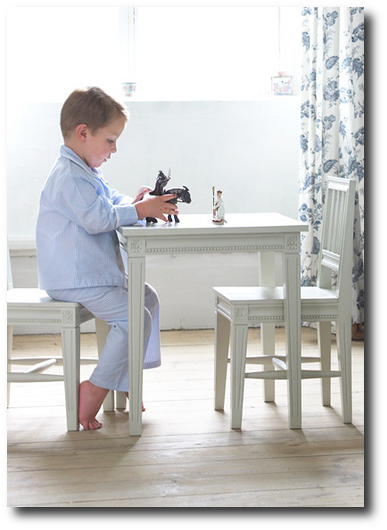
This boy is sitting by a lovely Gustavian childs table. The table has hand carved fleur medallions and a hand carved pearl bead border. The small Gustavian childs chair has the same hand carved pearl bead border. –blog.dnevnik.hr
Childrens Room With Swedish Bench
3D wallpaper from an installation by Swedish Deisgn Front Group
This beautiful old house was built in Sweden in 1972 and then renovated with elements of the Gustavian style. Shades of ivory and white make the interior look light and airy. Restored wooden floors, painted beams and old furniture in combination with white create a simple and elegant atmosphere. To see the rest of this renovated 1972 Swedish farmhouse, read the story on the Inspiring Interiors blog.
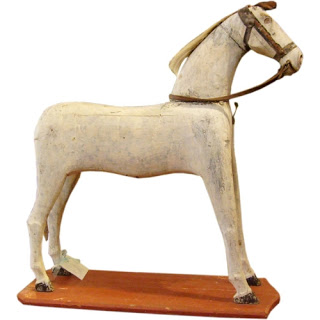
Wooden Antique Horse – patmonroeantiques.com
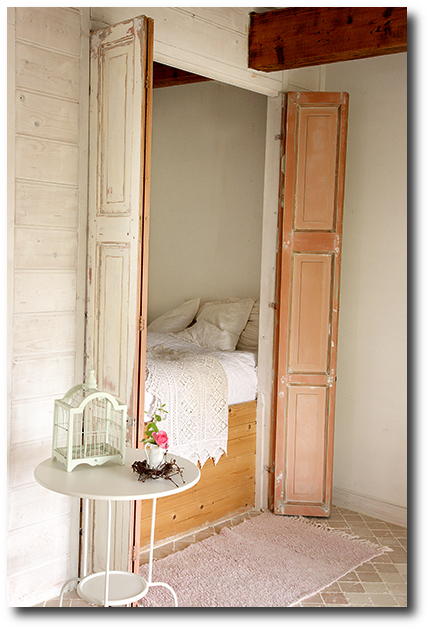
Bedsteads were up in the 19th century used a lot, especially in the rural areas in farms . One of the advantages of a bedstead was that through daytime use, the curtains or doors could be closed, making thius style of furniture open to being in the living room in smaller homes. Bedsteads also took on the appearance of a closet, where behind closed doors a bed would funtion through the night, while the day time, a working area with table and chairs, sofas could allow a person functional living. Another advantage was that a bedstead retained heat well. The small space, or closet locked in the body heat of the sleepers.
Kids Photography by Nina Say Cheese
Swedish Gustavian Louis XVI period painted chest of drawers with raised
reeded detail , three drawers and dental molding around the top.- Berkshire Home & Antiques
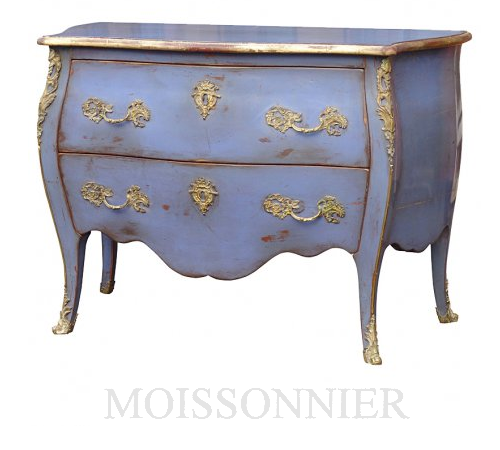
French Commodes – Available Through Cote France
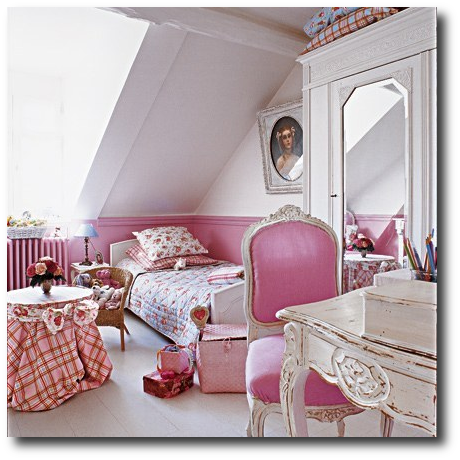
Photo credit: Marie Claire Maison
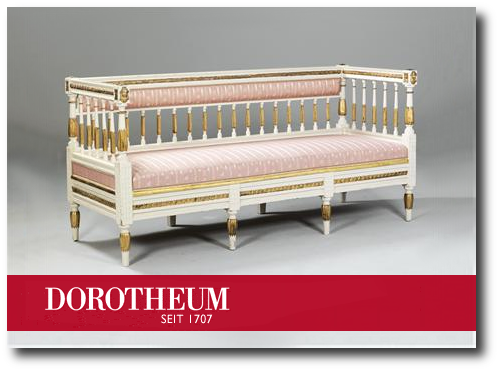
Gustavian period – Neo-Classical bench seat,Sweden, end of the 18th century.
A hard and softwood bench later partly painted in white, with openwork decoration in the form of acanthus leaves, painted with gold. Dorotheum
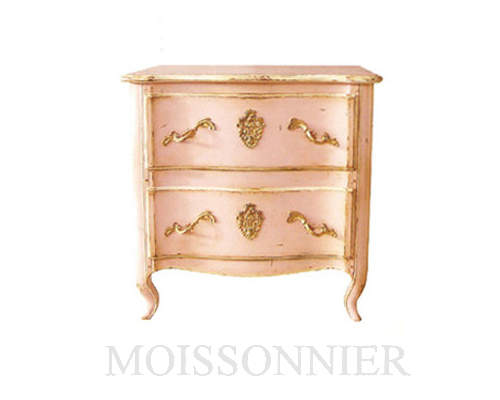
25 Ideas Of How To Incorporate Orange, Pink and Coral Into Your Home- French Provincial Furniture
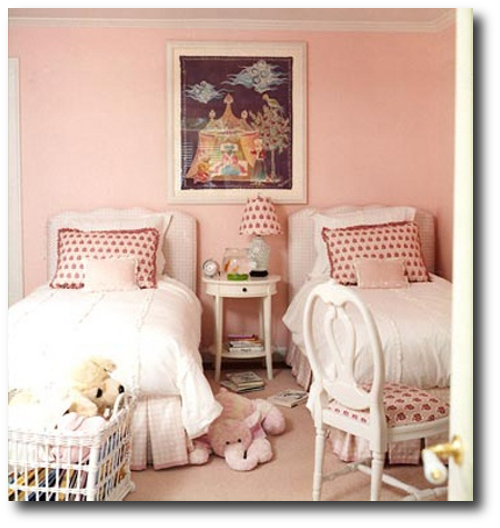
Domino Magazine
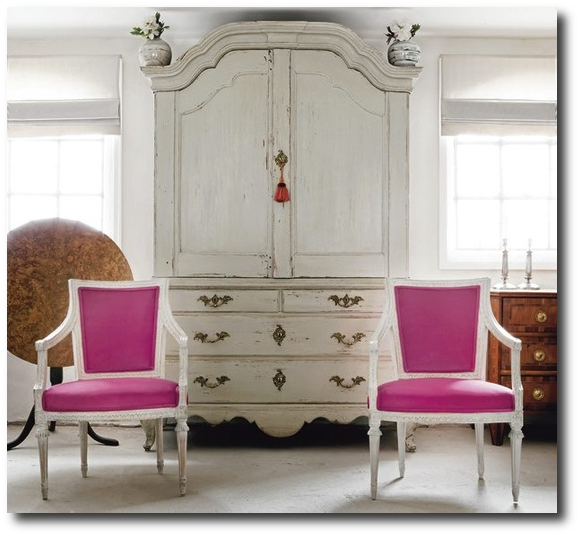
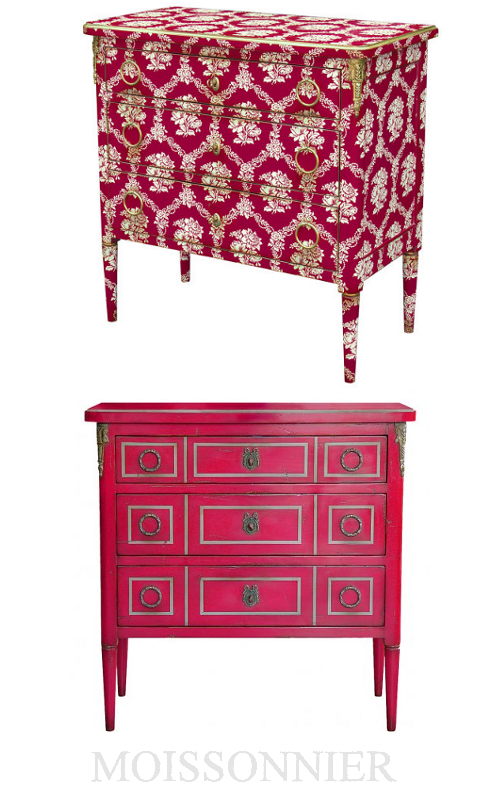
Commode Gabriel- Available Through Cote France
Get Some Ideas From These Colorful Gustavian Chairs sold through Brownrigg
A fine set of six, early 19th century, painted Gustavian dining chairs, retaining the original paint, and been recently reupholstered by us in a vintage linen hand dyed in pink, with a double piping contrast vintage linen, again hand dyed in yellow. Sweden Circa 1800
Karin Laserow Antiques –Gods & Gårdar
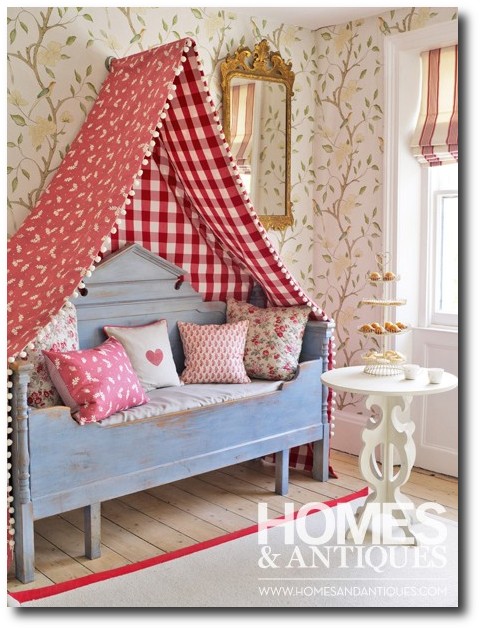
Sasha Waddell -Homes & Antiques September 2010
Katie Ridder Rooms Available through Amazon- Seen On Peak Of Chic Blog
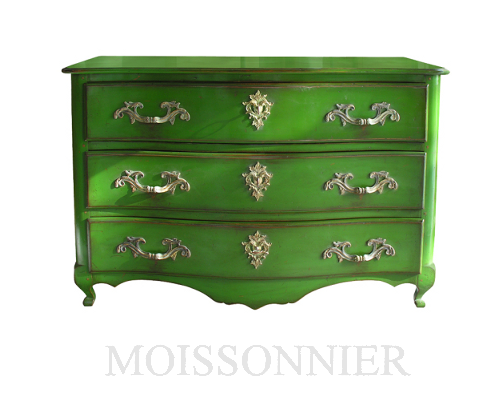
Swedish Folk Art hung on the wall can add whimsy to a room.
Consider hanging a colorful handmade quilt on the wall.
Photo Credit- Project Nursery
Swedish Slipcover Ideas From In My Carport Blog
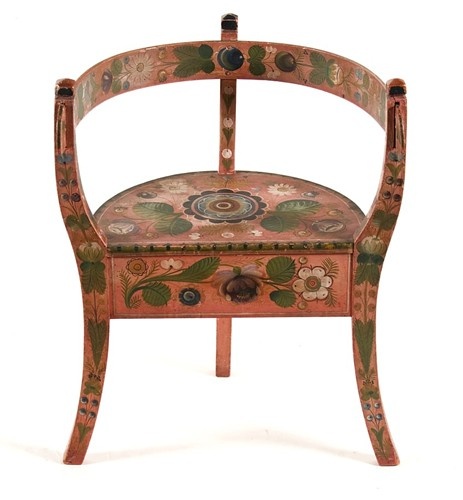
Norwegian Corner Chair With Salmon Background- Jeff R. Bridgman American Antiques
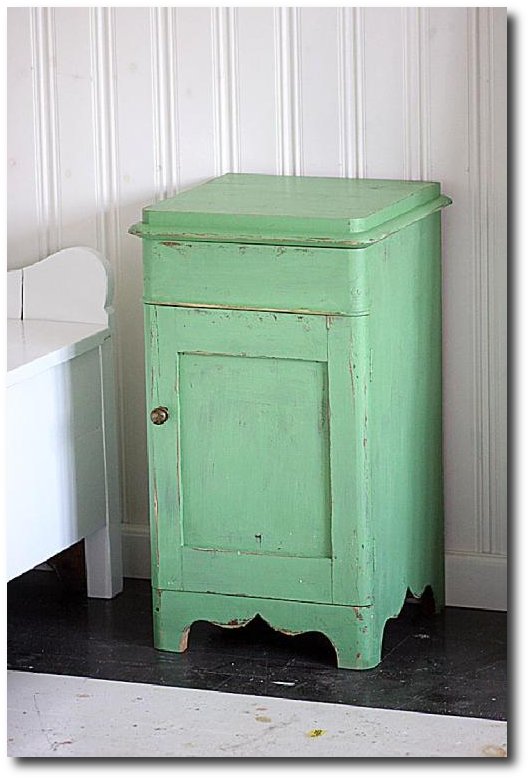
Nordic Style Bedside Cabinet – Nordin Farm Blog- Orginally Featured at Ville Kulla
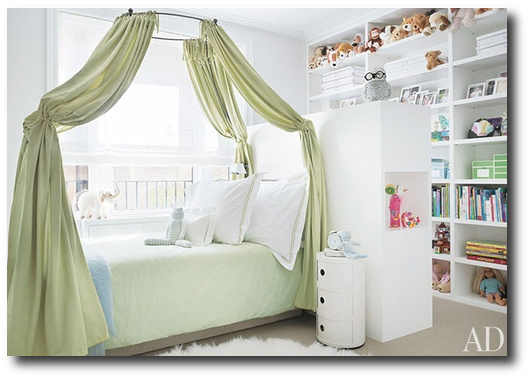
A canopy bed by Anthropologie is draped with a Pierre Frey cotton; the side table is by Kartell.
A Perfect Boys Bedroom With Classic Swedish Check By Bibelotte
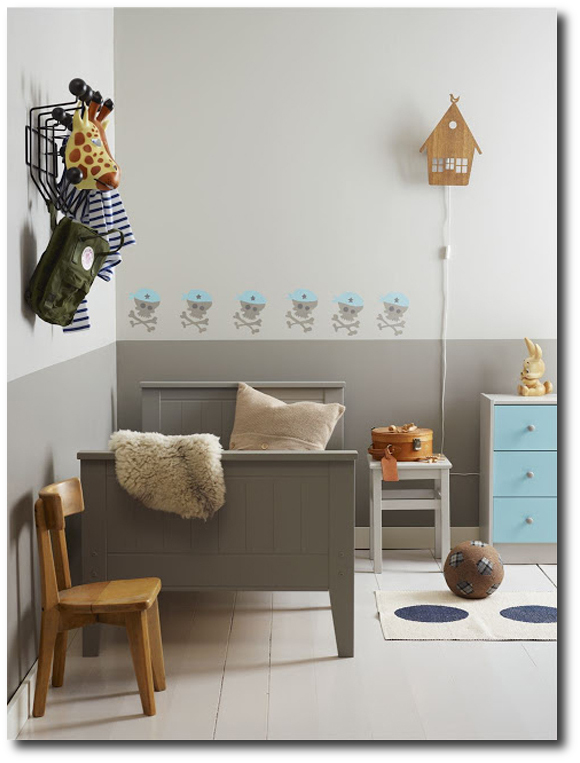
The Norwegian paint company Jotun has created a catalog of inspiring children’s environments to show exactly how best to use their paints
The Norwegian paint company Jotun
French Commodes – Available Through Cote France
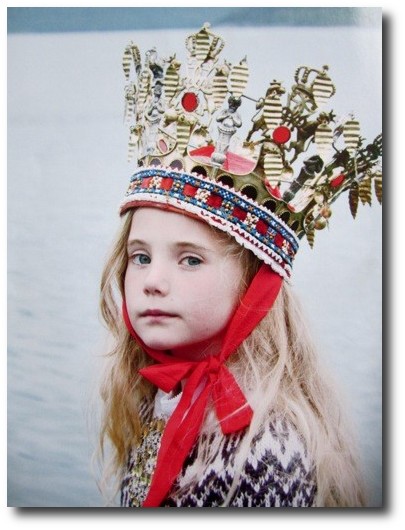
Milk Magazine -Norway Photographed by Sandie Carol Dougnac
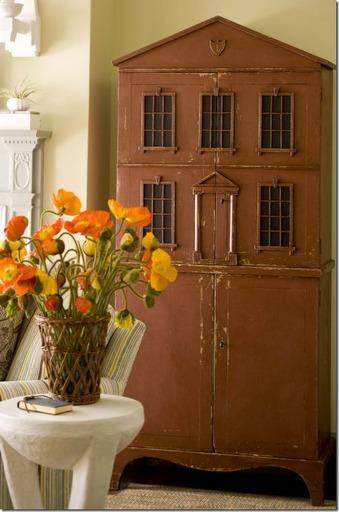
Use Vintage Cabinets and Dressers and Make Your Own Standing Dollhouse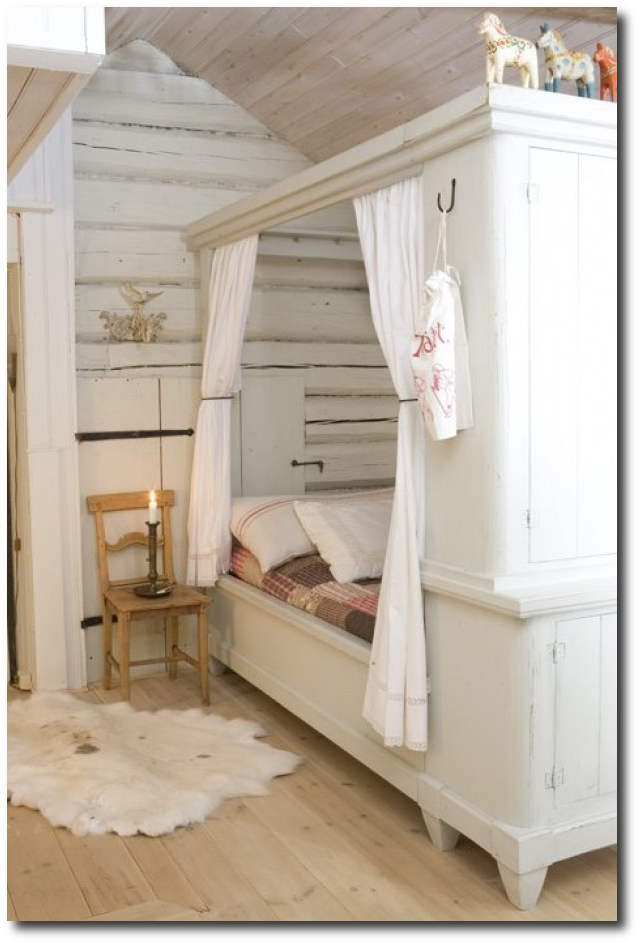
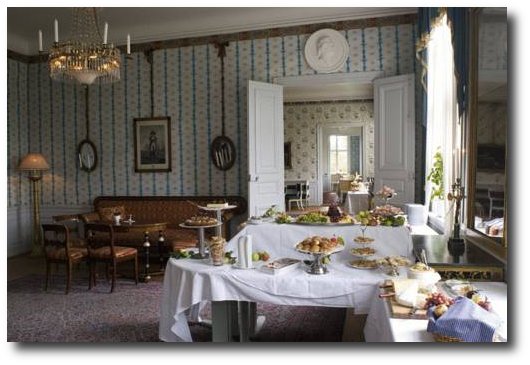
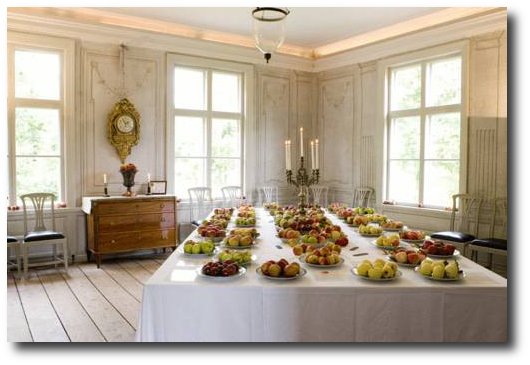
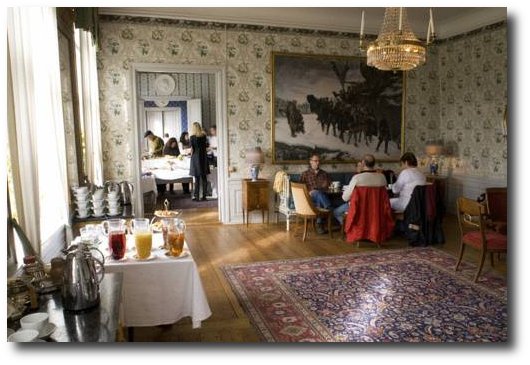
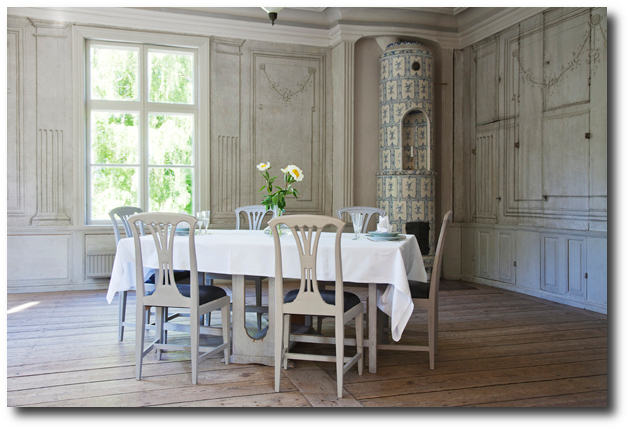
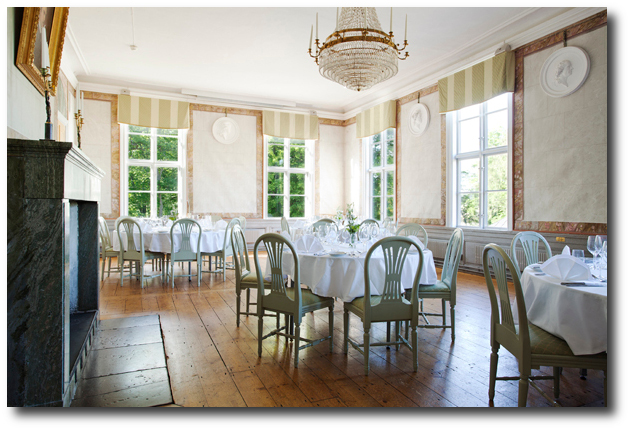
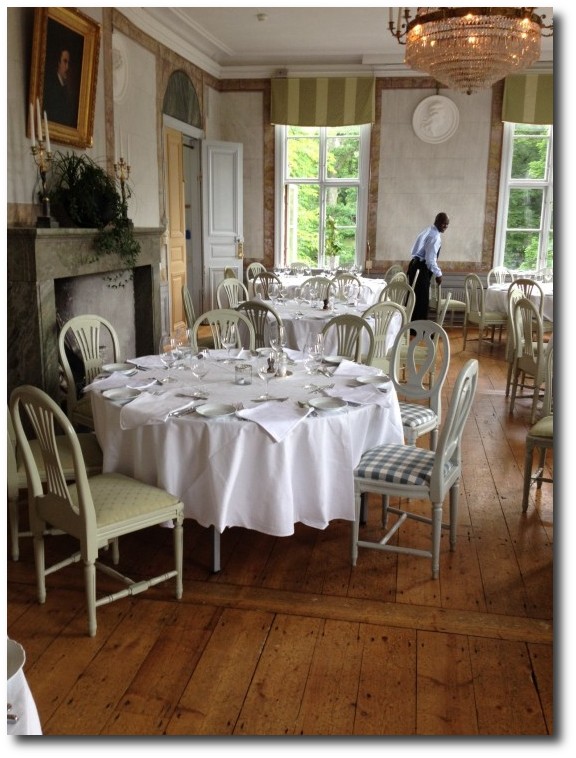
Krusenberg Herrgård: An 18th Century Swedish Luxury Hotel
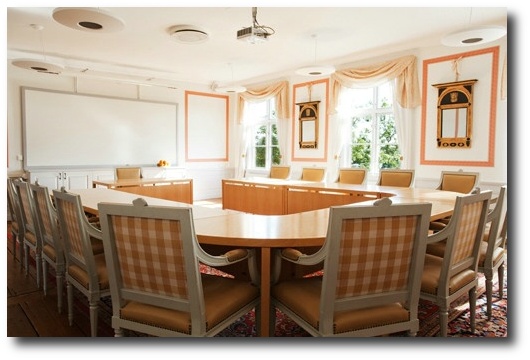
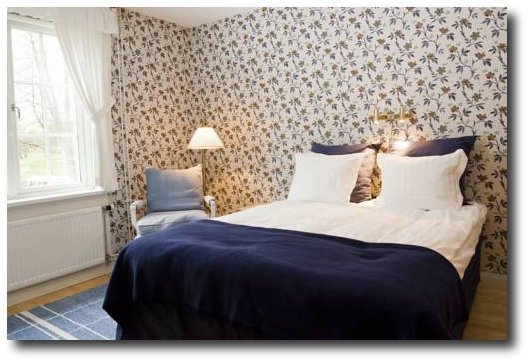
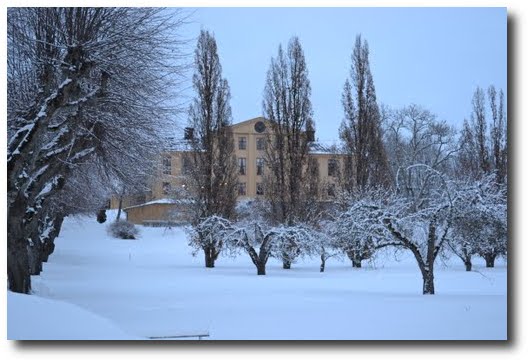
Krusenberg Herrgård is an extravagant hotel beautifully situated by Ekoln, a bay in Lake Mälaren. The estate dates back to the mid-15th century and is now a first-class hotel and conference facility that has retained its genuine style and old charm.
The manor house was built in 1802, and the wings date from the 18th century. Enjoy a walk through their large park and apple orchard with more than 100 old apple trees. The artist Gustaf Cederström, who grew up on the estate, painted his best-known work,”Karl XII´s likfärd”(The funeral transport of Charles XII) .
About the Hotel:
When staying at Krusenberg you can take the opportunity to take a tour with a canoe or rowboat which is supplied from the hotel. In winter, the situation is ideal for skating. The latest addition Sjöporten is a newly built house with exclusive sauna and spa. The building is right on the water’s edge and includes two wood-burning saunas with magnificent views of Lake Mälaren. Upstairs there is a spa area with treatment rooms and relaxdel. The house is built and furnished to suit those who appreciate “the good life”.
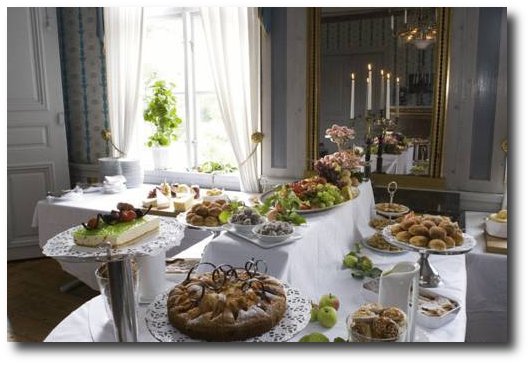
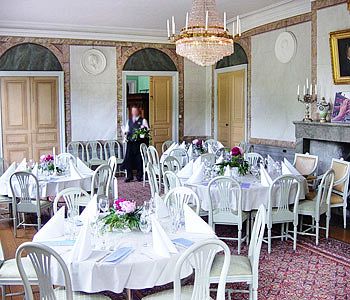
Manor house accommodates our renowned restaurant serving carefully prepared food in season. The kitchen is home not only cooks but also to their very own pastry chef who bakes fresh bread and pastries for every meal. Meals are served in the main building’s beautiful dining rooms. At this hotel you can also take the opportunity to relax in one of the most prestigious salons.
Manorhouse is 25 minutes from the airport and within easy reach of both the Stockholm and Uppsala. The hotel also offers a historical walking tour with a guide. Active guests will appreciate the petanque court and the tennis court. Meals are accompanied with wines from the manor’s wine cellar.
Krusenberg Herrgård is only 25 minutes from Stockholm’s Arlanda Airport and conveniently situated for both Stockholm and Uppsala. Uppsala city centre is 20 minute drive away. Sweden’s oldest town, Sigtuna, is 18 km from the Krusenberg Herrgård.
See the official website here



4 Resources For Swedish Decorating
Swedish furniture has been sensationally popular the last 10 years as a style that is fresh for decorating the upscale home. Gustavian style has appeared in some of the more prominent decorating magazines in the US such as Veranda, Architectural Digest, World of Interiors and even more frequent in European magazines such as Campagne Decoration.
The casual appearance of lighter colored painted furniture has been popular for centuries. France was credited with the influence of the Swedish furniture in the 17th and 18th century. Many of the formal pieces found in the palace of Versailles were made over in the same shape and form, but painted instead of stained wood. The decadence of the French furniture couldn’t be copied because it was too costly for Sweden at the time, as well as Sweden has their own taste in mind.
In France, side tables were constructed from the most costliest woods, with decoration that took hours if not weeks to complete. French cabinet makers through the 17th century used techniques such as inlay, (pictures cut from ivory or wood, and set into wood), or marquetry, ( veneer composed of numerous woods, and stained which produced a pictorial mosaic), lacquering and japanning, (the application of numerous layers of varnish) were all costly, and time consuming.
While France had the best of the best, some say Sweden did a better job of re-interpreting the design elements seen in France such as the furniture by scaling down the formality. Linen was used instead of silk, paint was used instead of the stained wood, and faux painting replaced marble walls.
Borrow Interior Design Elements From Sweden For Your Own Home
Marks Of The Swedish Style
1. The Use of Paneled Walls (But In A Different Way)
The French were known for their paneled walls. Paneled walls are well known to be the most expensive and rich form of all wall treatments. Originally they were hand carved out of wood, as labor was inexpensive in the 1700′s. Today much of the decorative baroque looking ornaments are made from plaster. Wood panels once served to insulate a room from the cold stone frame of a building. It is also quite apparent that paneling was installed for decorative purposes as well.
Boiserie is the term used to define ornate and intricately carved wood panelling seen in some of the well-to-do French estates. The earliest known examples of boiseries were unpainted, but later the raised mouldings were often painted or gilded. For a great example of painted paneled walls, look at Charles Spada’s Country Home, which gives some great examples of 18th century color combinations. Martha Stewart shows a wonderful example in a green palette. A very formal dining room is done up in blue, and arches painted in oranges and pastel blush tones.
Boiseries were popular in seventeenth and eighteenth century French interior design and the Palace of Versailles. The panels not only appeared on the walls, but were also used to decorate doors, frames, cupboards and armoires as well. Often pictures would be set into the boiseries, the carving framing the picture rather like a conventional frame.
Decorating With Paint -Get This Look For Less….
Many of the wealthier Swedish people borrowed this look for their estate homes. Costly wood paneled walls were a far stretch for many of the Swedish people in that day, as it is for many people today. Paneled walls can cost thousands, and be tremendously time consuming.
Why not fake it with paint?
The Belvedere in the park of the Petit Trianon shows a fine example of what a person could do with paint to simulate the heavy ornamented look of the French style.
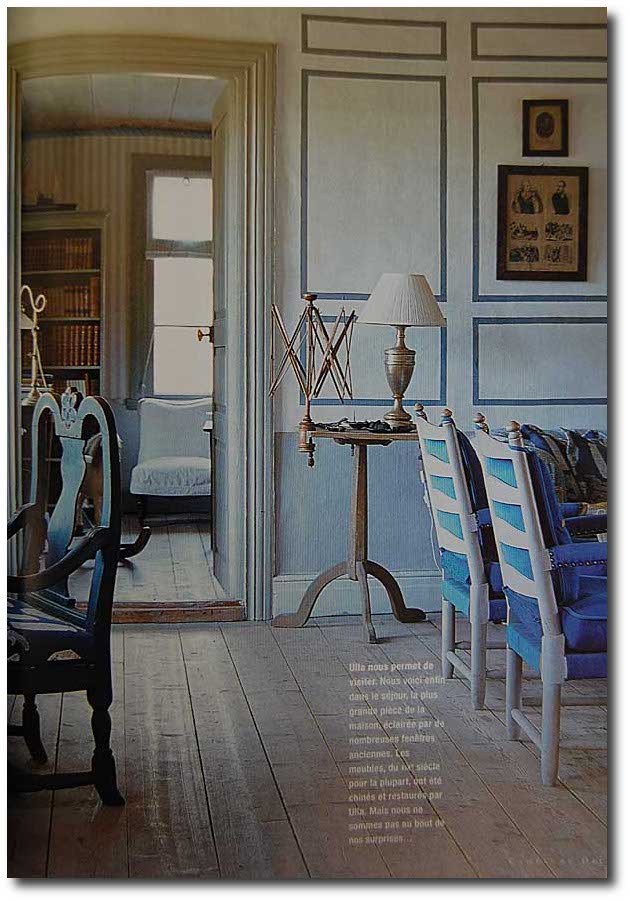
In Lars Sjoberg’s house featured in Country Style by Judith and Martin Miller featured walls with blue frames around them. Using two painted frames simulates the look of framed walls. Further in the post, you can see many more frames painted on the wall which do a beautiful job of showcasing furniture placed in front of it.
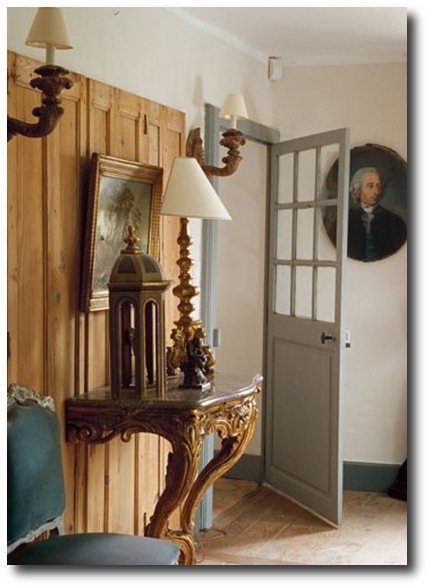
Picture Featured in Campagne Décoration
In the USA we have a chain of stores called Habitat For Humanity – Re-stores which carry all sorts of architectural elements from wood screens, to paint, sinks, and so forth, which are heavily discounted.
Here we see the paneled wall idea made from doors which are positioned side buy side. Consider purchasing similar styled doors in sets of 3, 5, or 7 which can be linked together using door hinges. As you can see here, it works!
Picture Credits– A Special Thanks to Aged And Gilded Blog, TweedlandThe Gentlemans Club, And
Lars Sjoberg’s Book- Classic Swedish Interiors
Here are some companies to keep in mind:
1. Decorators Supply– They have over 13,000 designs in their carving library. For over 100 years they have specialized in creating finely detailed composite replicas of the hand carved wood ornaments found in the most extravagant homes.
2. Bailey Interiors.com – Decorative Plaster Ornaments and Claws
3. Beaux-Artes offer decorative wall panels which can be used on walls and ceilings. Their products are cast from historic ornamentation and are available in over 20 different Finishes.
4. Victoria Larsen offers a number of ornamental frame molds which allow you to make dozens of your own molds in the privacy of your home. She also offers raised plaster stencils for the wall in a variety of patterns.
Consider a yearly subscription to Veranda, Architectural Digest, World of Interiors and Campagne Decoration.
We will be discussing accent furniture in Part 2, and Swedish painting techniques in Part 3
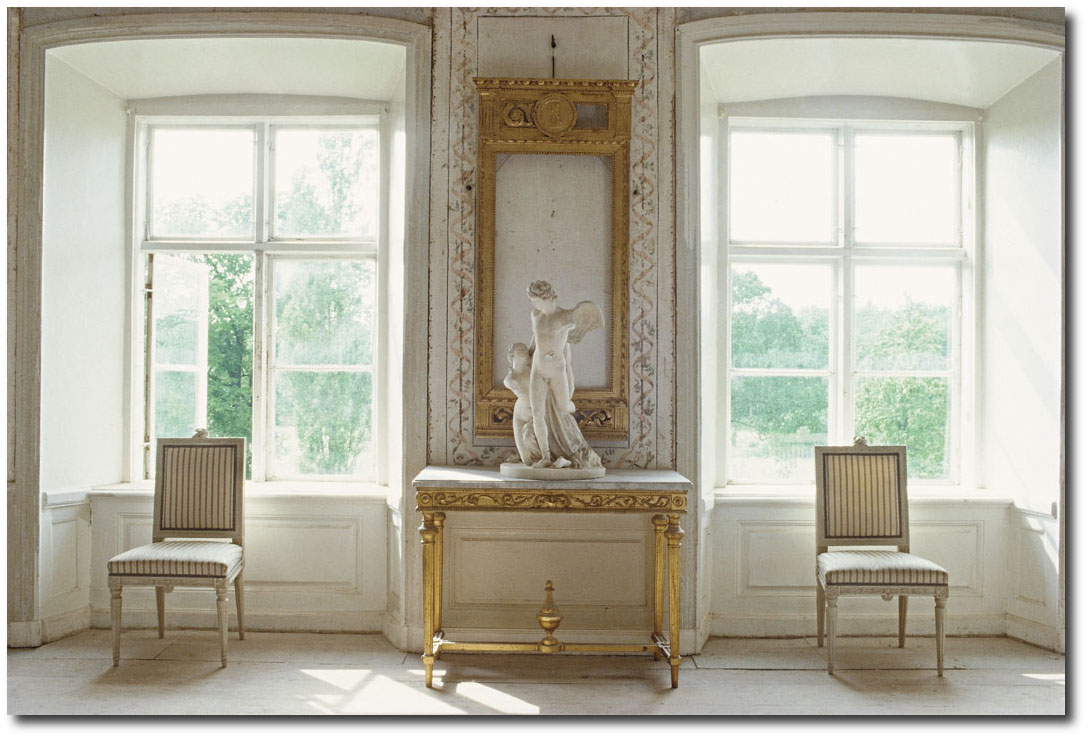
Check out Classic Swedish Interiors for more photos to get a better view of the far room