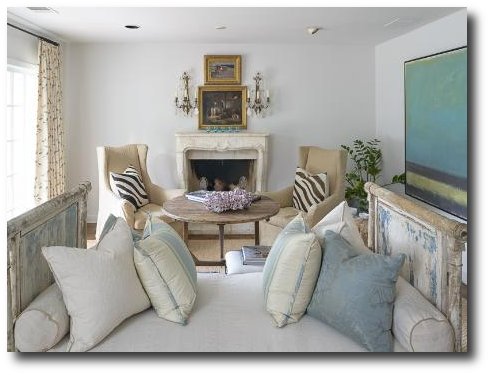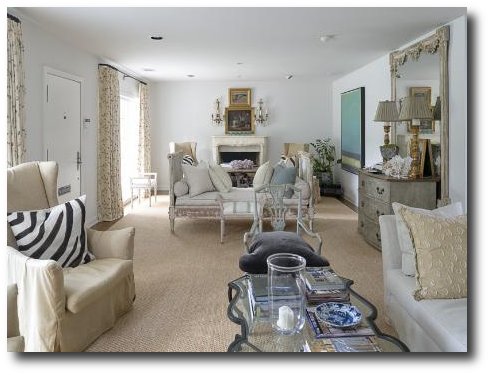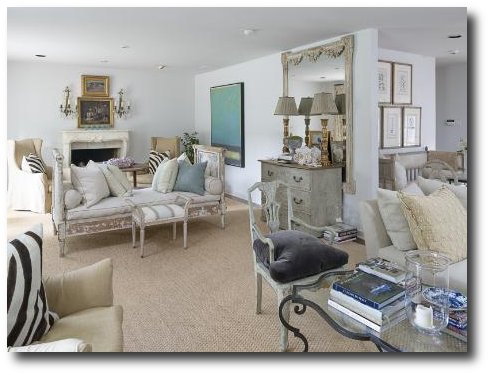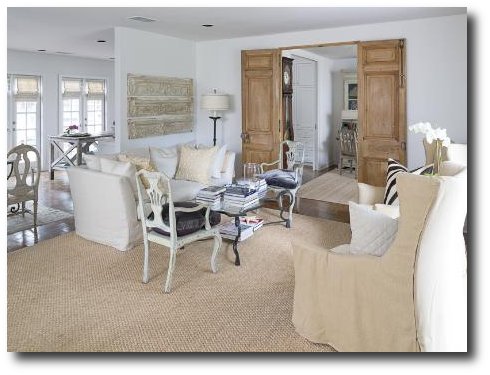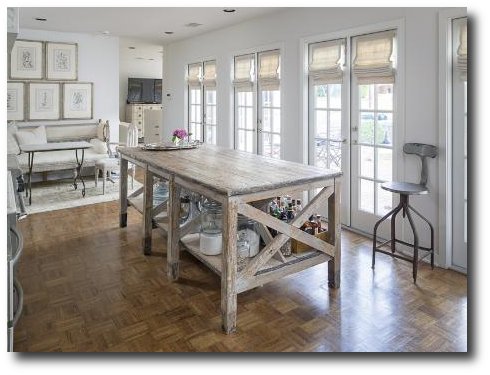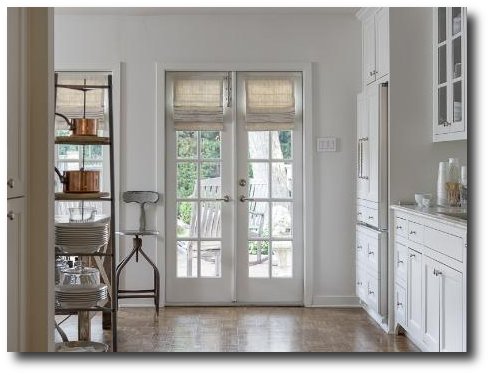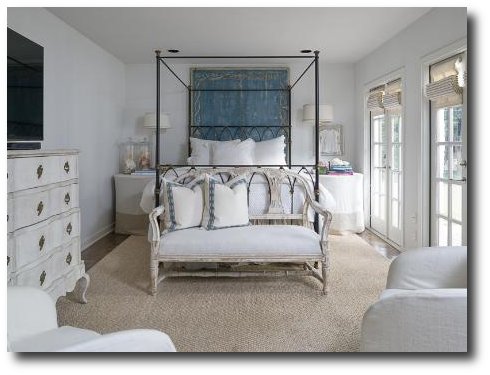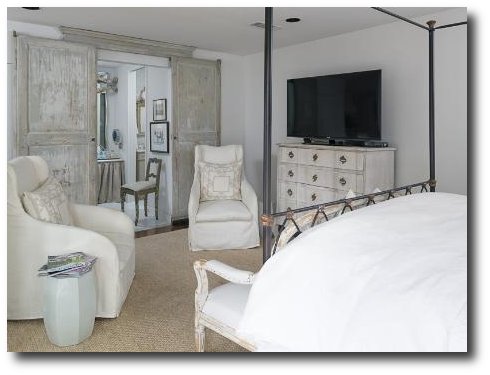
For The Love Of Collecting Antiques – A Swedish Interior
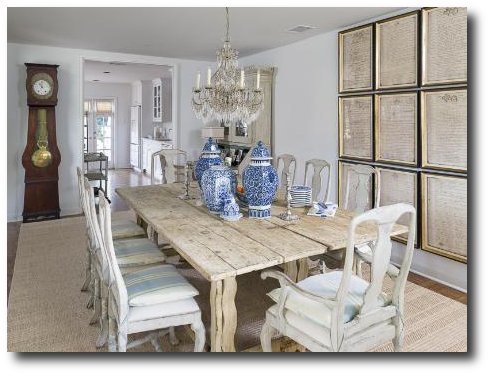
“After about seven years, I could buy a really nice piece of furniture once a year,” she says. “I was reading Architectural Digest, World of Interiors and every shelter magazine and design book I could get my hands on. I was just enthralled with design. The spectrum of collecting was appealing to me.”
She began what she calls “guerrilla hunting” for antiques to furnish her own living space. In New Orleans, she found a European ambience in step with her affinity for European antiques, renovated the first of two Victorian cottages and turned her collecting pastime into a wholesale business that immediately had legs via word of mouth. She sold her first container of antiques in front of a mini storage space in 10 minutes and quickly became a valued resource to well-known interior designers.
Along the way, she opened a warehouse on Camp Street, started her own line of European antique reproductions — Tara Shaw Maison — designed homes for a list of clients that includes celebrities, and inked a lucrative licensing deal with Restoration Hardware that allowed her to cut back on her travel schedule.
Read more at nola.com
3 Swedish Must Haves – Decorating A Home Around Swedish Antiques
You love Swedish style but don’t know exactly where to start. Here are a few ideas for you to get going.
Swedish style is about simplicity, but it is anything but boring.
The look is centered around minimalism, but the furnishings can be very detailed. Have you ever considered working with rub on transfers? Use them on any sort of wooden item. Think of a stackable set of boxes, or a tray for your ottoman. Do up a showcase dresser. Add in hand painted details to blend the transfers into the distressed painted look.

Rub on Butterflies – Do it yourself “painted looks” – Amazon
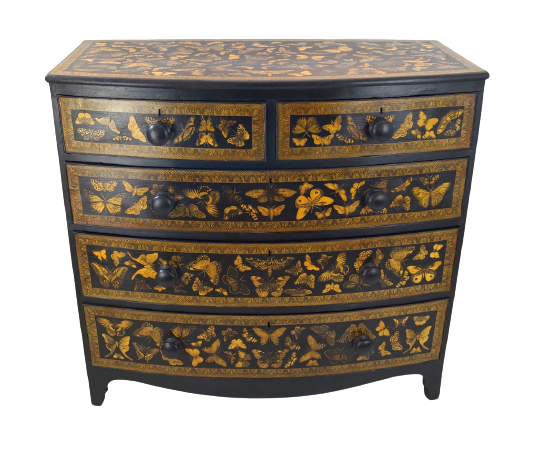 Butterfly Chest – antiques-atlas.com/
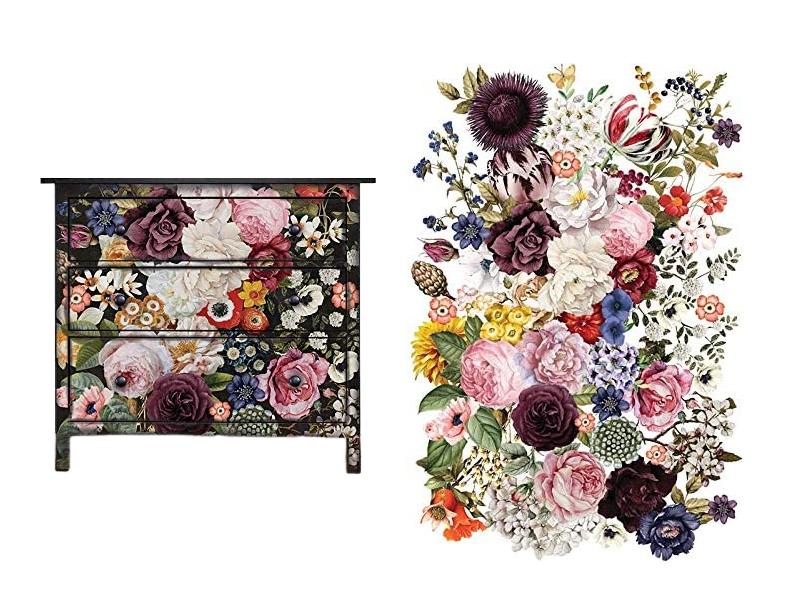
Floral Rub On Transfer – Amazon
1. Swedish Must Have’s – Wall Lights
Mirrors, gilt brass and crystal chandeliers have also been used for centuries in the northern countries to capture light as the winter nights were long. The reflections created light which extended the days. Here is an exceptional light that looks like an antique, but doesn’t use candles, but real lights!
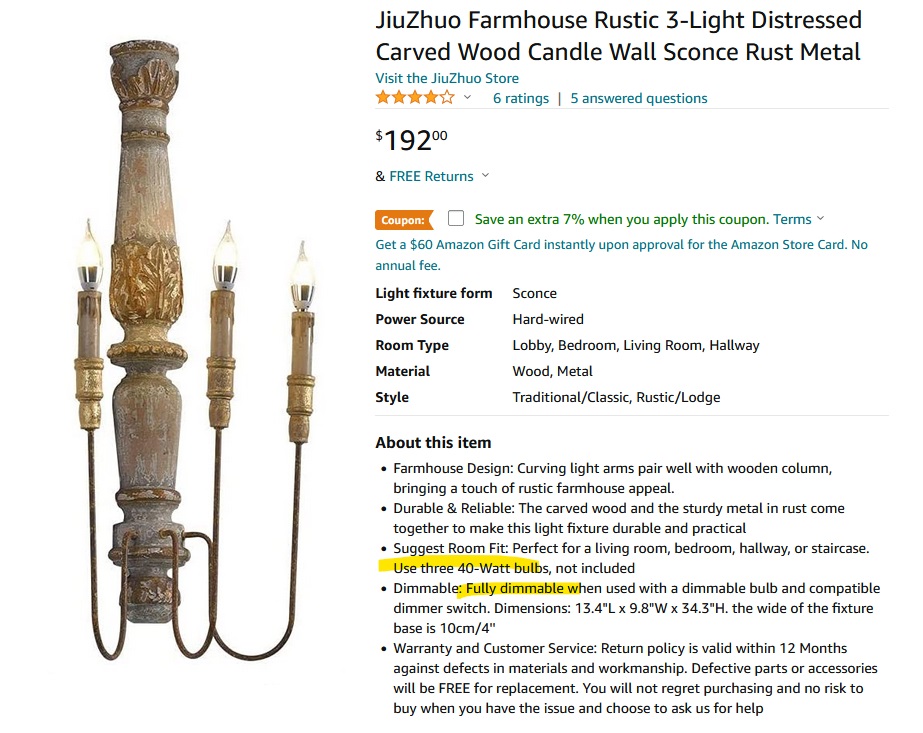
Distressed Wood 3-Light Candle Sconce – forget about candles. $192 Amazon
2. Swedish Must Have’s – Interesting And Detailed
Captivating Swedish interiors have their emphasis on texture. A few detailed, distressed or hand painted pieces can go a long way in creating this look. Think about really worn wood looks. How to do this yourself? Beat up your wood, and paint over the wood, and wipe it away. The painted glaze will settle into the worn and distressed areas giving you the look of a worn antique.
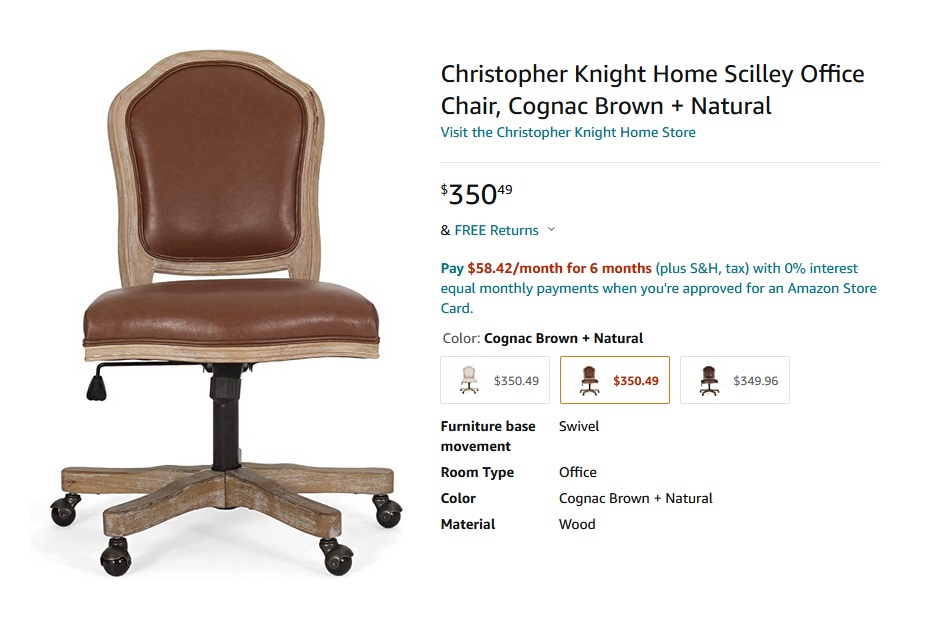
Cognac Brown Wood Office Chair – Amazon
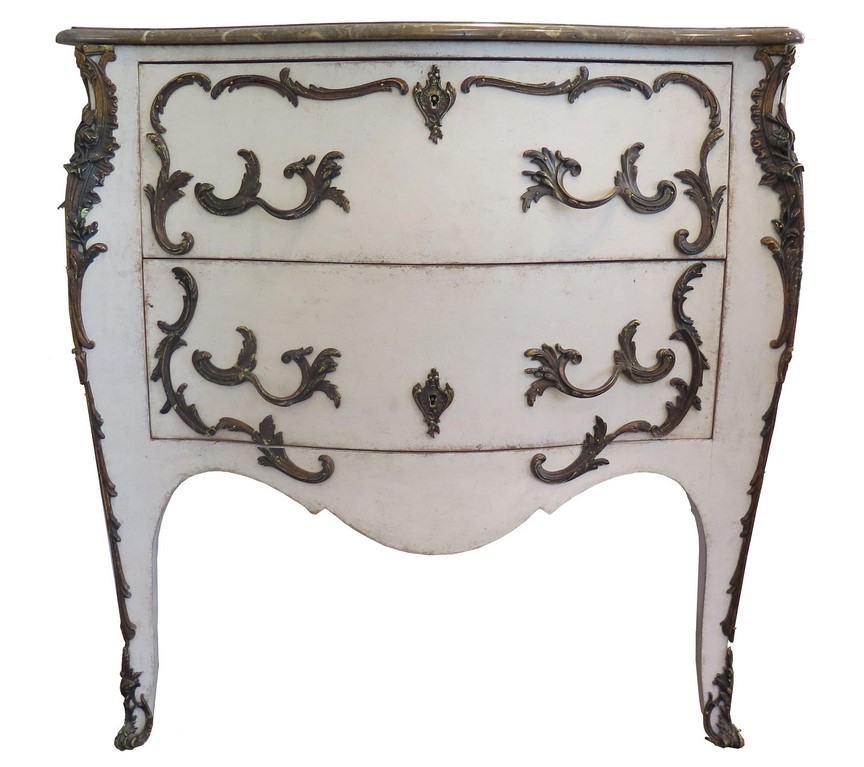
19th century Rococo Painted Commode – 1st Dibs
3. Swedish Must Have’s – Natural Fabrics
One really easy way of adding in color is doing it through pillow throws, or blankets. If you are wanting a particular color in your house, – get bedding, add some throws on your sofa.
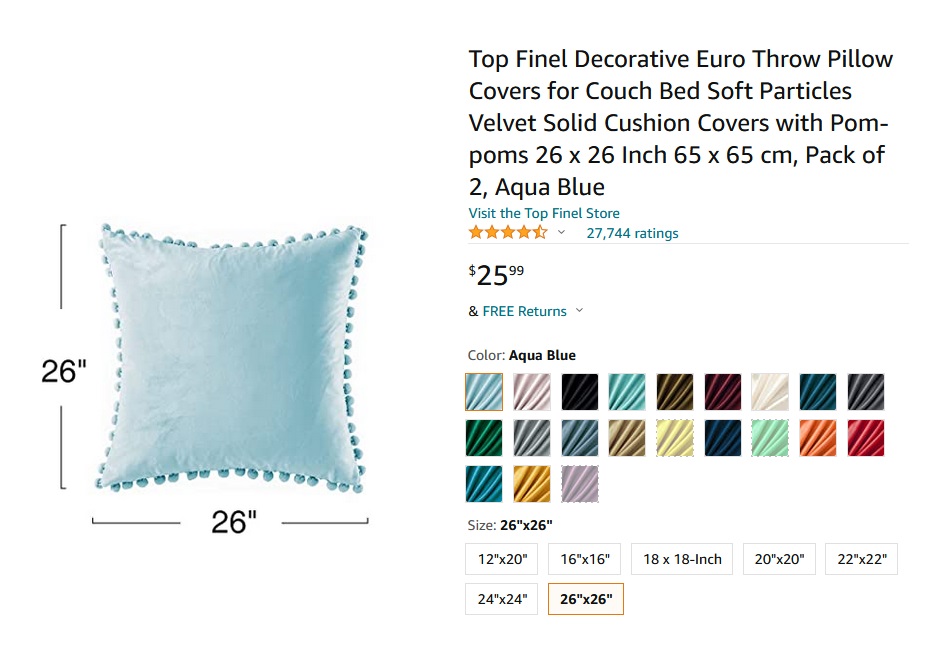
Velvet Cushion Covers In Sets Of 2 – Amazon
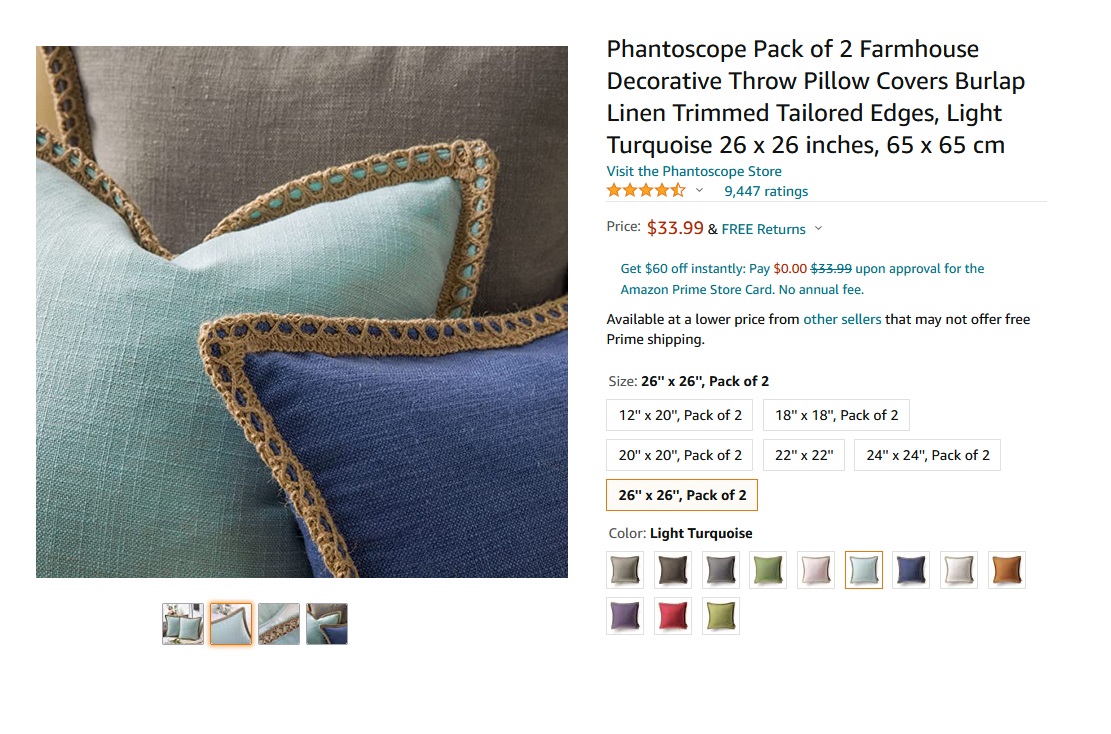
Linen Trimmed Tailored Edged Pillows Set Of 2 – Amazon
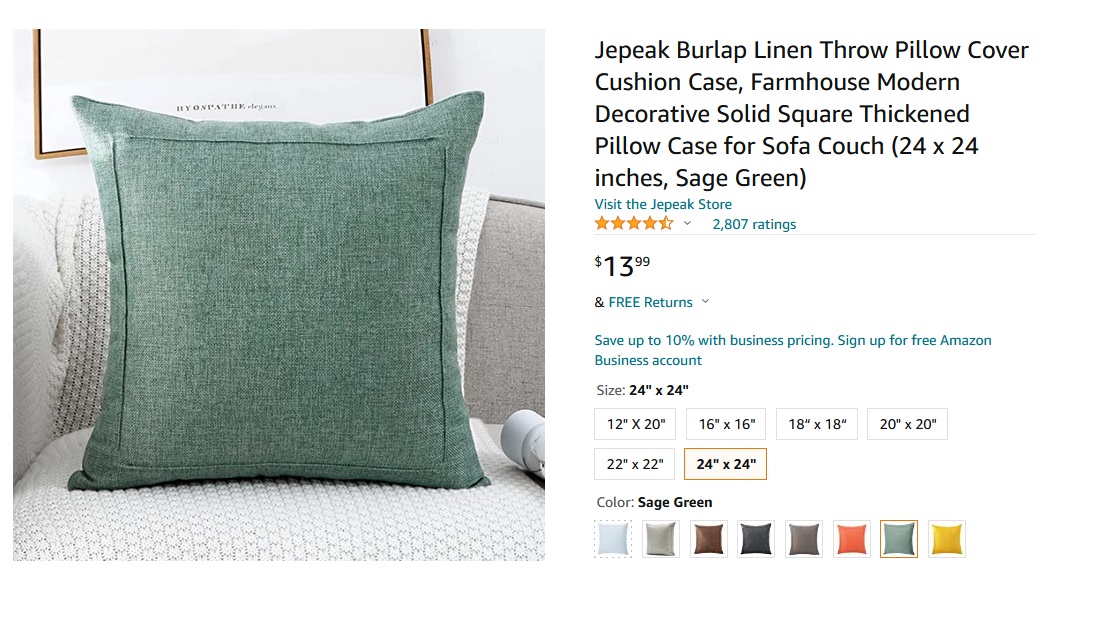
Jepeak Burlap Linen Throw – Amazon
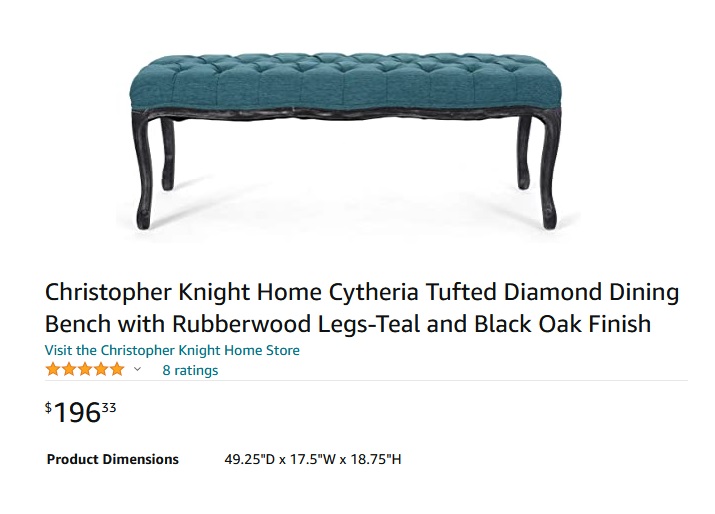
Teal and Black French Bench – Amazon
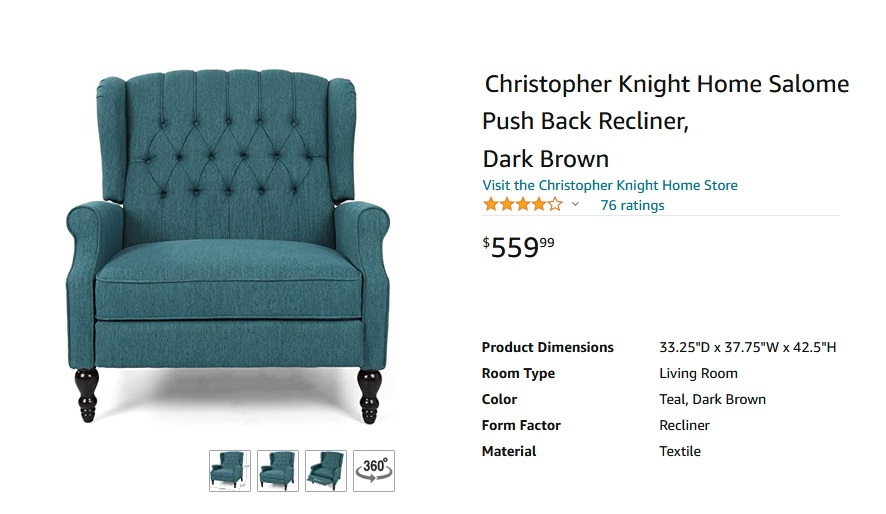 Spectacular Teal Recliner – Amazon
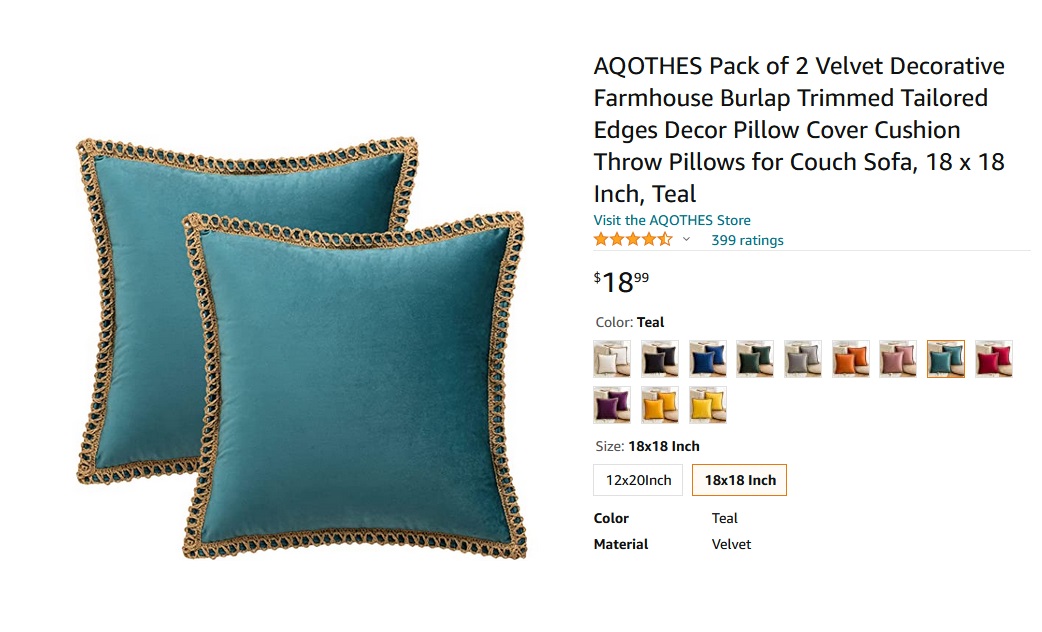 Velvet Trimmed Pillows – Set Of 2 – Amazon
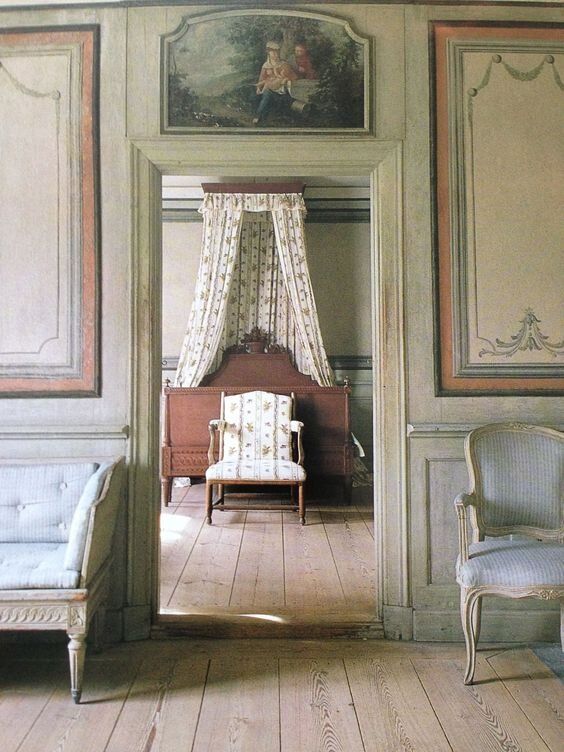
 Notice the French pink upholstered bed above? It wouldn’t look the same without the gold painted details.
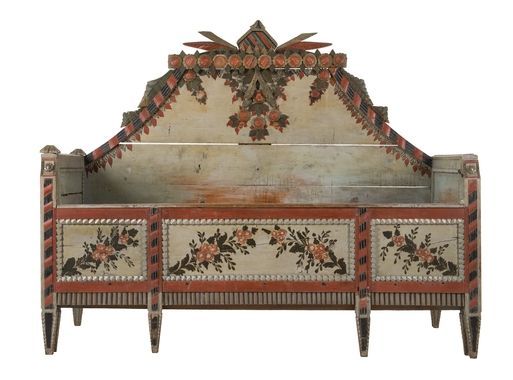 What a grand daybed – seen at digitaltmuseum.se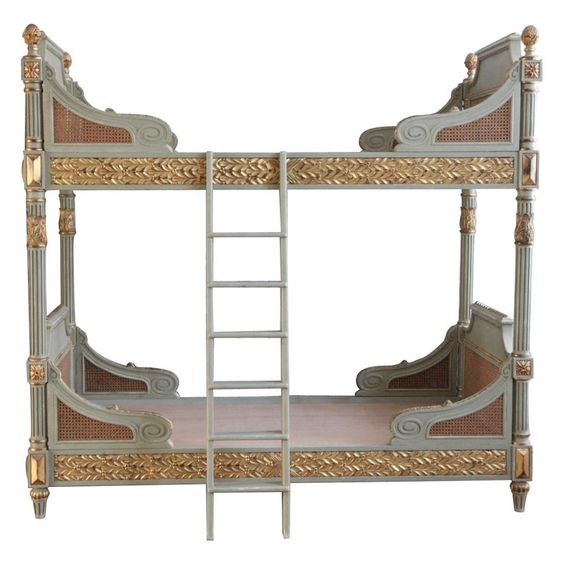
$12,057.62 Louis Xvi Style Bunk Beds/matching Pair Of Single Beds Made By La Maison London
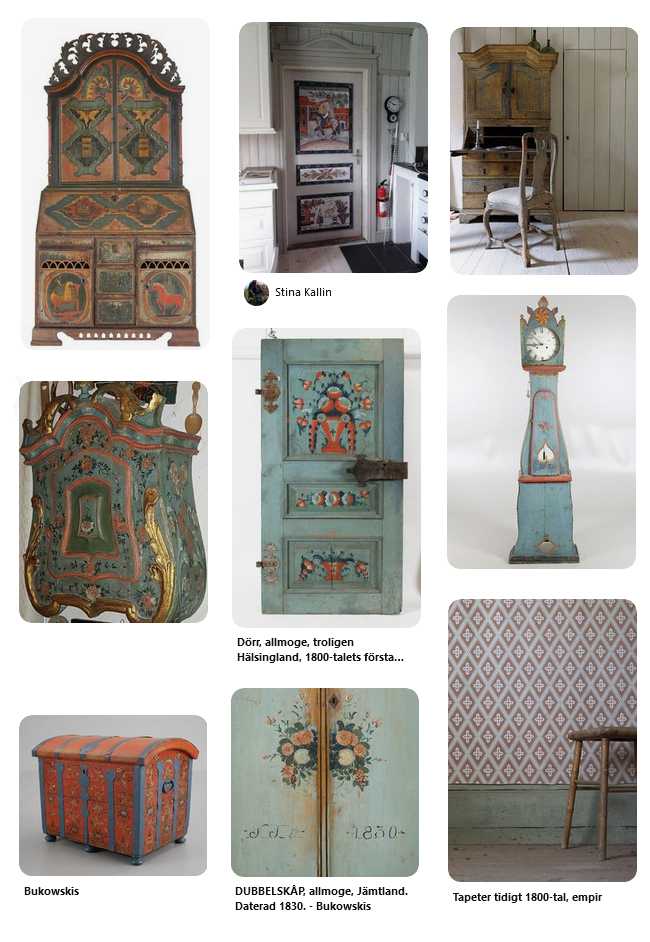
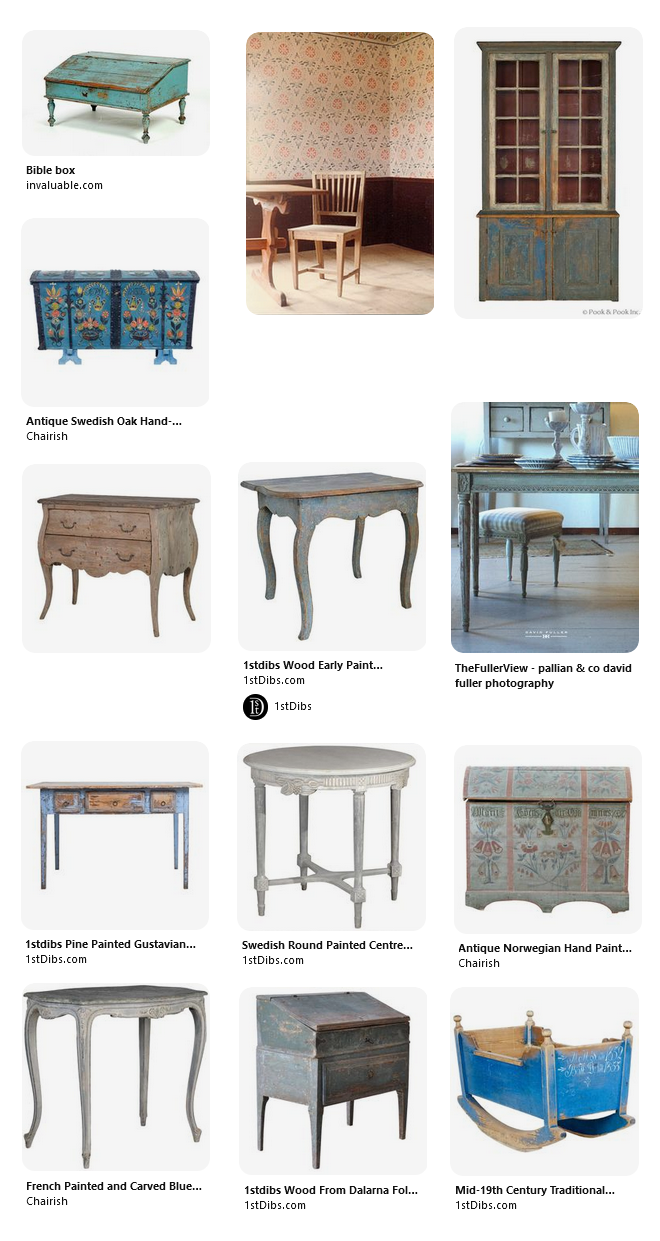
Intricate wallpaper often is a classic Swedish look.
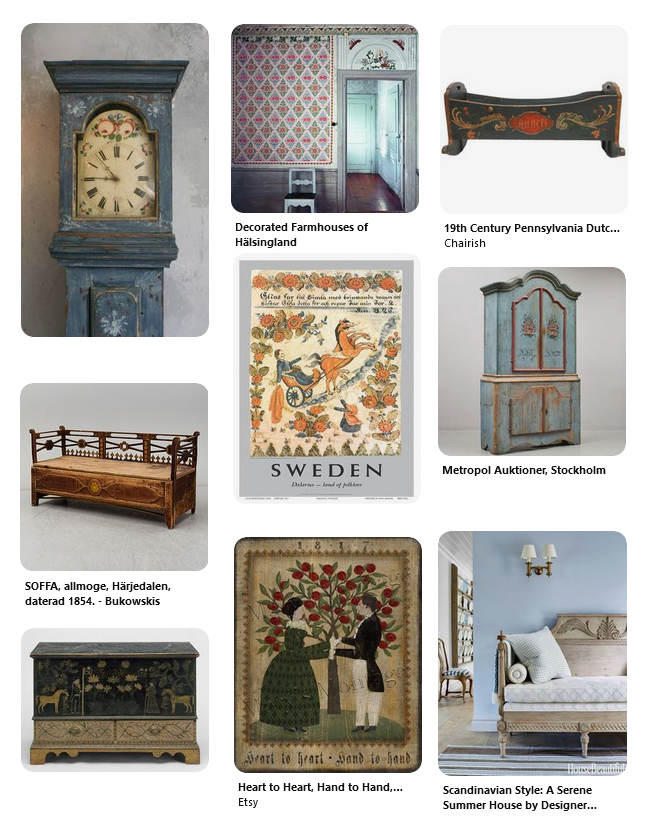
Stunning Folk art styled antiques. Burnt Red is a color seen amongst Swedish antiques
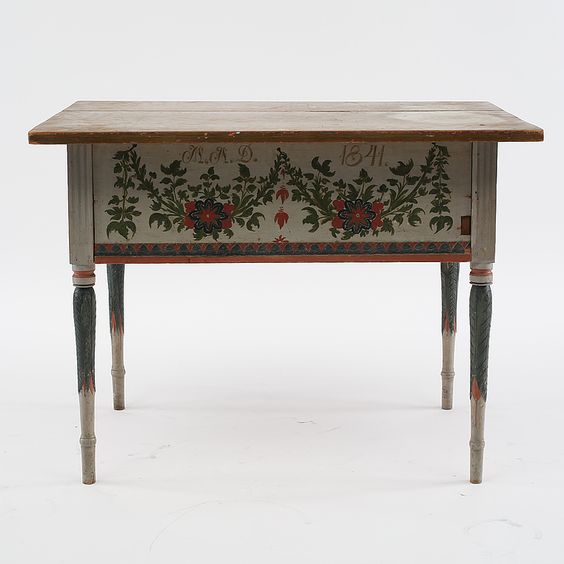
MÖSSBORD, Jämtland, daterat 1841. – Bukowskis
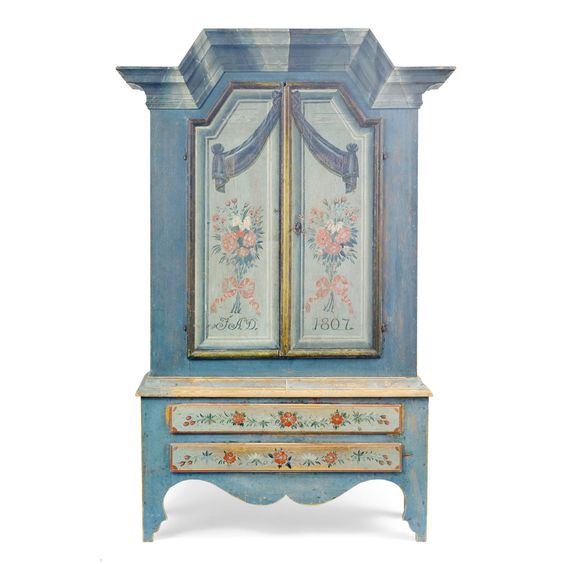
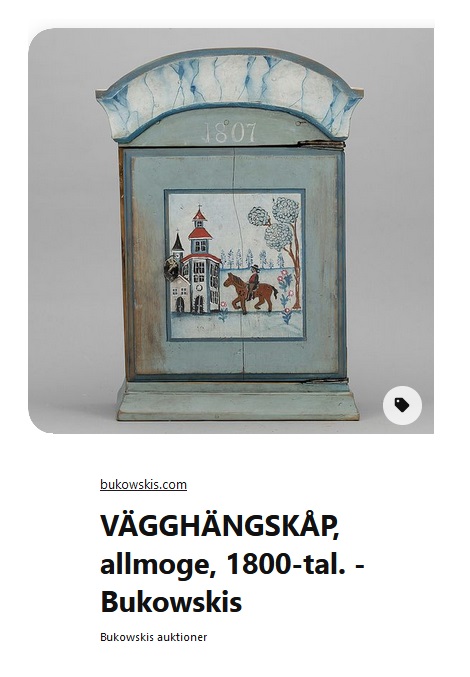
A Swedish cupboard dated 1807
Hand painted floral details stand out on this painted cupboard
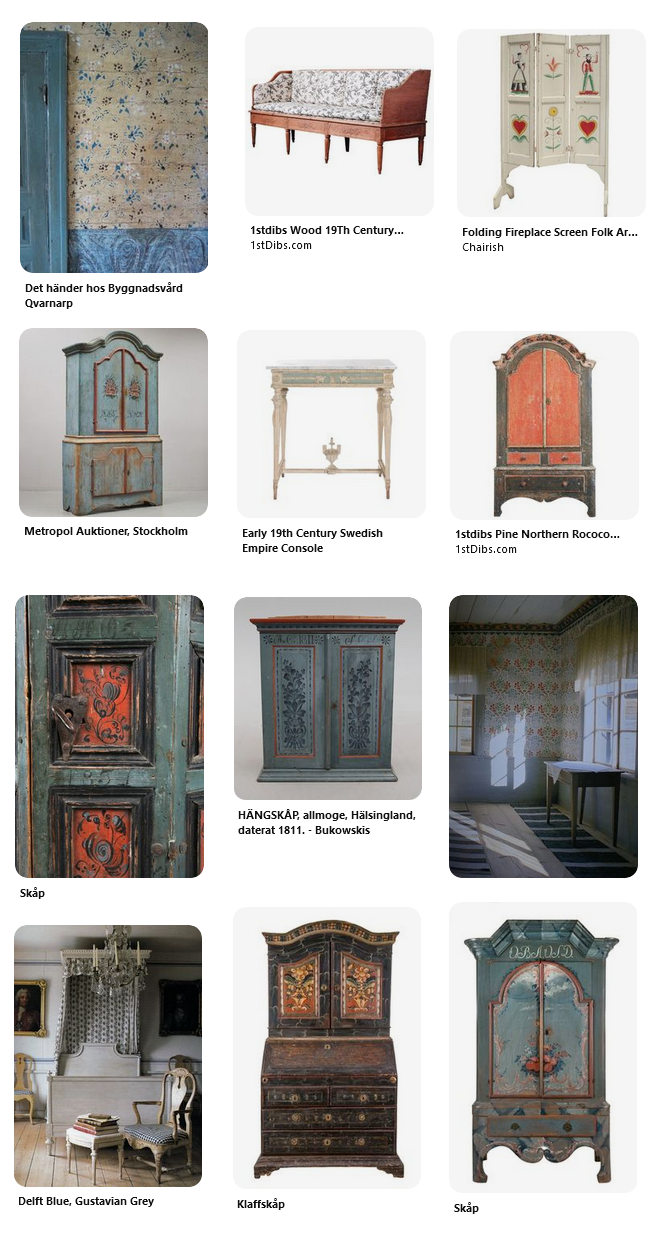 What colors do you like the best? If you were to invest in one piece today, what would it be?
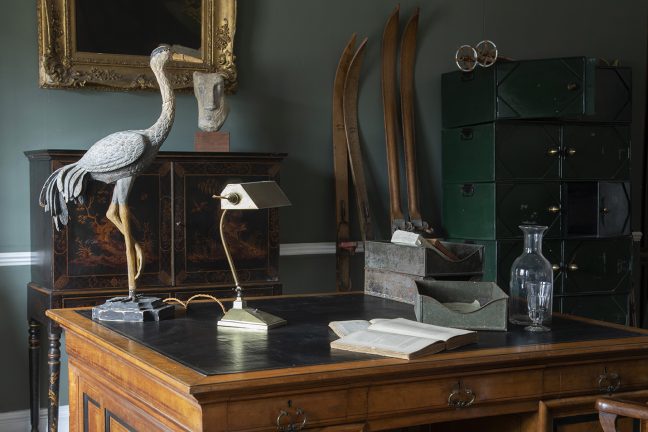
The Home Office – Why Not Make Yours Unique ?
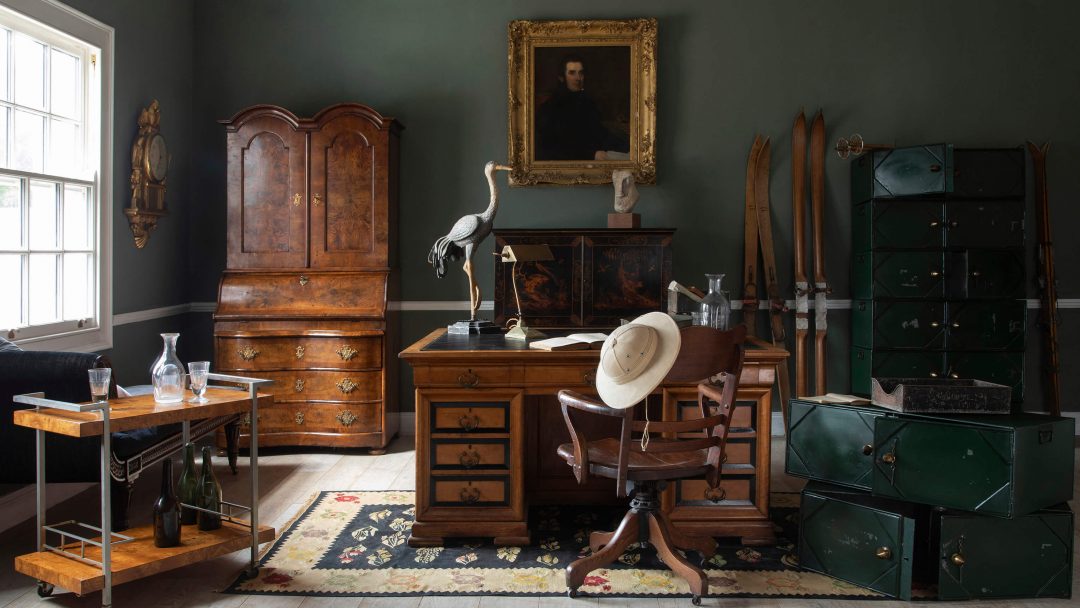
The Home Office
When the country was instructed to work from home if possible, there were some happy novelties- namely endless cups of tea and waking up ten minutes before your first meeting of the day. But then Zoom calls became exhausting, interrupted by children or pets, and the home WiFi cracked under the pressure. The line between working life and free time became increasingly blurred.
Love it or loathe it, working from home for lots of professions is going to remain prominent. Creating the perfect home office space is vital for the most productive and aesthetic work environment. A study ought to provide an oasis of calm amidst the chaos. Technical equipment is the interior designer’s worst nightmare and the key to reconciling cables and screens with attractive furnishings is storage and clever use of space.
Read more at lorfordsantiques.com
The Couple Behind D. Larsson Interior and Antikhandel – Swedish Antiques
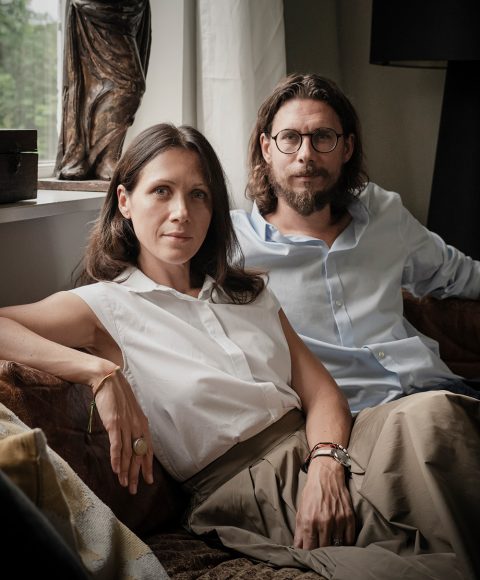
In the nine years since they founded D. Larsson Interior and Antikhandel, Daniel and Cristina Larsson have become among the world’s leading purveyors of 18th- and 19th-century painted Swedish antiques. Yet just 12 years ago, they were both on very different paths.
D. Larsson Cristina and Daniel Larsson
Married couple Cristina and Daniel Larsson, of D. Larsson Interior and Antikhandel, specialize in 18th- and 19th-century Swedish antiques, which they mix with vintage and modern pieces in their own home. Top: Their living room features an 18th-century Swedish Baroque table, a 1970s coffee table and a ca. 1775 Gripsholm armchair. All photos by Francisco Caires
Swedish-born Daniel was in Amsterdam working in customer relations for KLM airlines and dealing in vintage modern furnishings on the side. This was a hobby he picked up while living in Stockholm. Finding inexpensive pieces at Swedish flea markets, he would finish them himself — “Woodshop was my best subject at school,” he says with a laugh — and then drive to England to sell them at the country’s open-air antiques markets to British and American dealers.
Read more 1stdibs.com
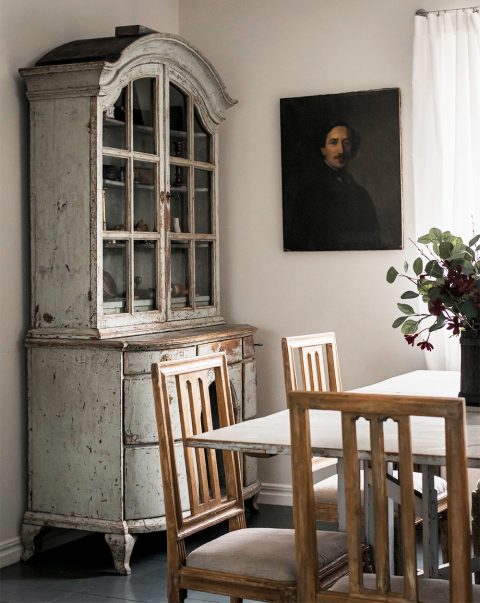
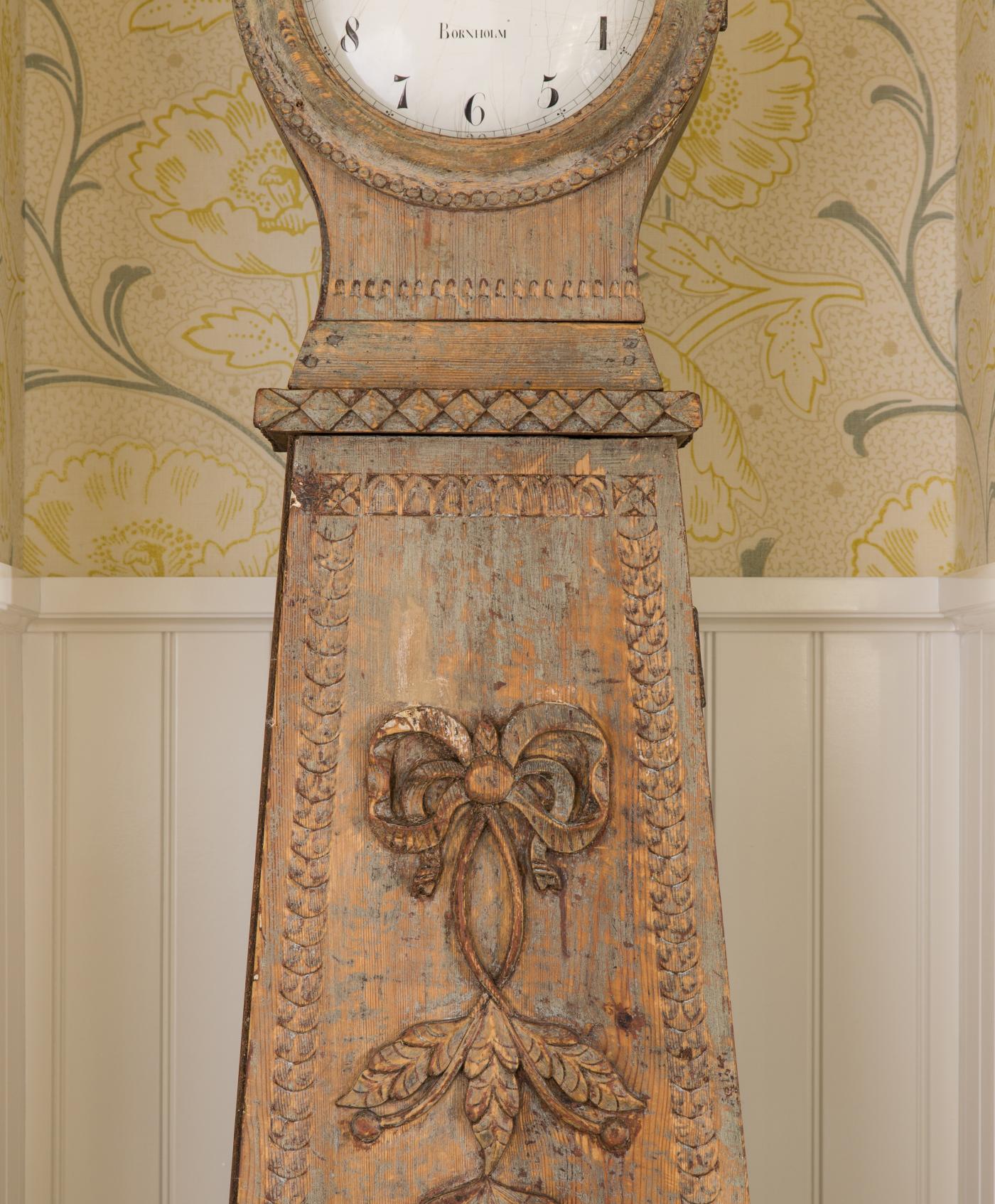
Designer Marshall Watson’s Scandinavian Newport Beach Home
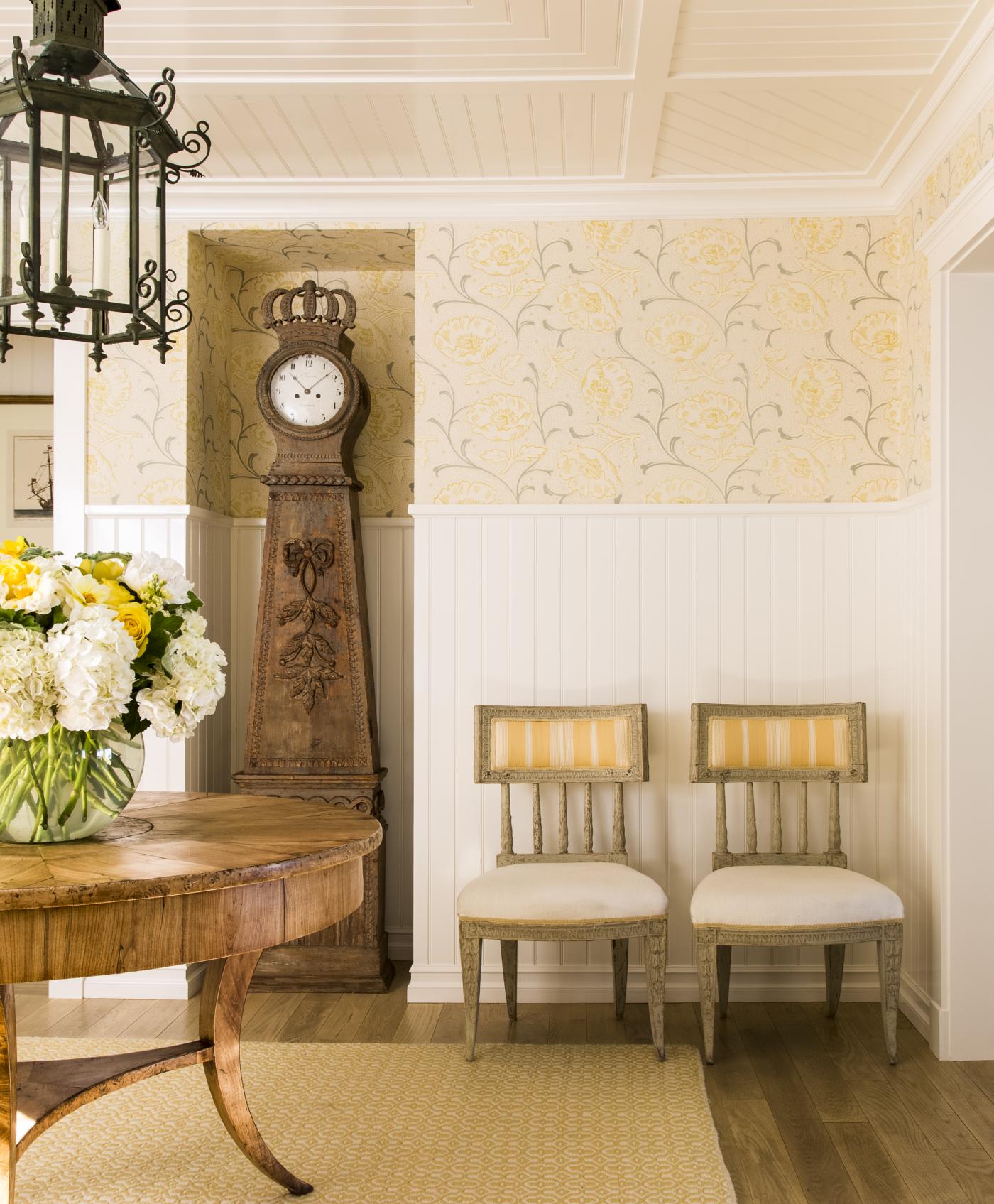
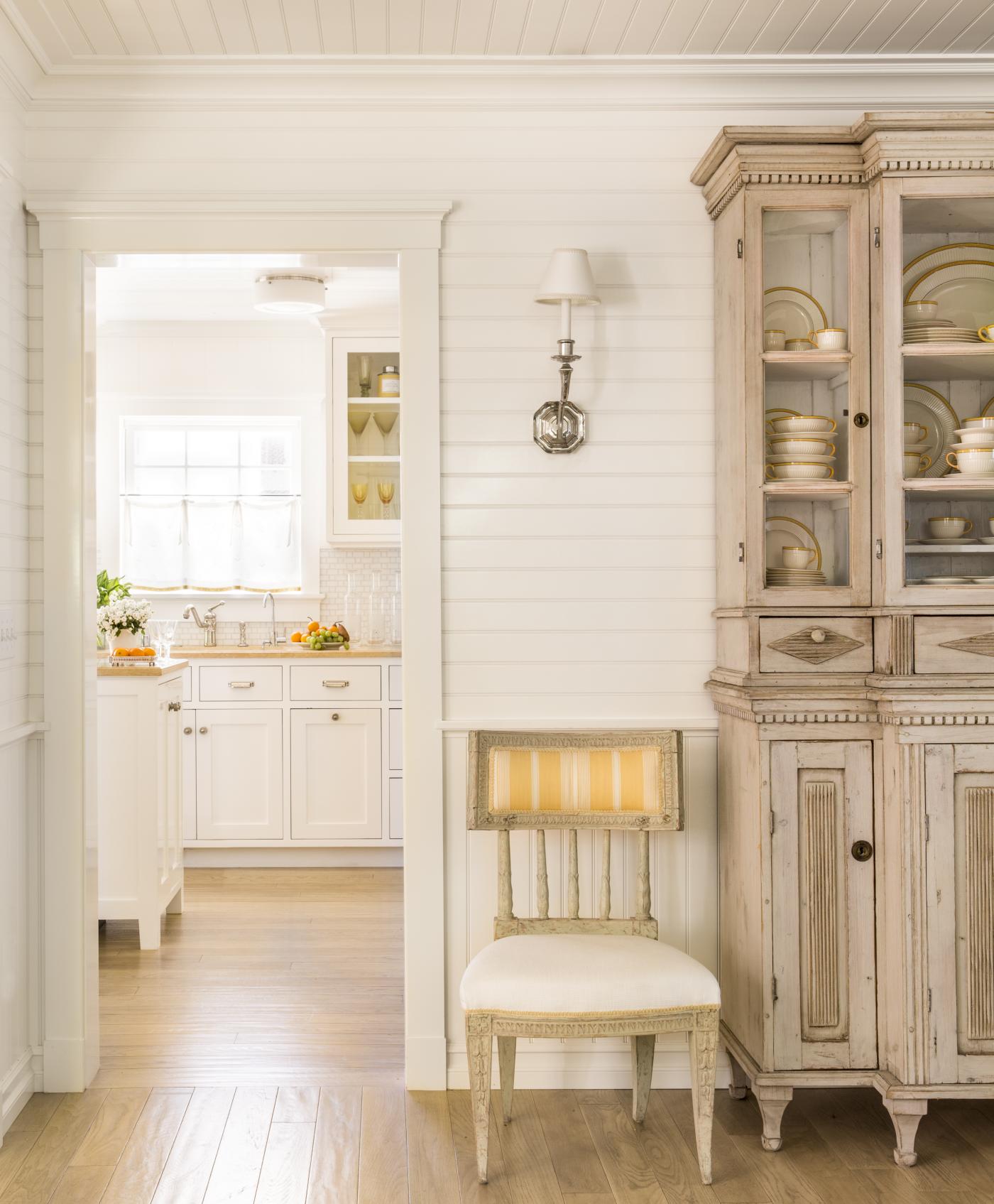
This beautiful home is decorated around pops of lemon yellow. Swedish antiques can be seen through out this home, with the classic creamy, distressed finishes. This look is pulled together with checked fabrics, stripes and delicate prints. Photographs were taken by Lisa Romerin. Find designer Marshall Watson here
See more of this project at incollect.com
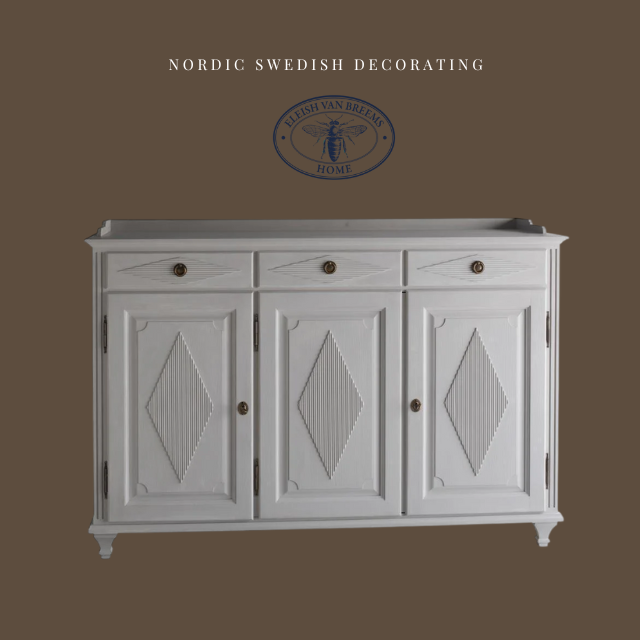
Q&A With Swedish Designers Edie Van Breems and Rhonda Eleish
Q: Clearly, you are scholars on Scandinavian style. For you, what is the essence of it?
A: Recognition of the importance of nature and the impact it has on interiors and overall lifestyles. Light, colors, and the functionality of daily living also play a huge role. In Sweden there is a wordbruskonst, which loosely translates to “useful art.” This respect for economy and intimacy with nature is an integral part of Scandinavia’s design psyche.
Q: Scandinavian antiques are usually made of humble materials, but painted to look like marbles, gilt, and fine woods. How do you make them work in modern spaces?
A: Antique pieces, by virtue of their patina and imperfections, add a depth and soulfulness to rooms that could otherwise be one-note and cold. A rough-hewn, rustic, painted farm table, for example, is going to look amazing with contemporary metal chairs or formal, tailored, upholstered dining chairs by sheer virtue of the contrast. An 18th-century Gustavian chandelier in a barn room or a rustic, painted farm chair in a severe, all-glass or marble contemporary bathroom becomes almost sculptural.
Read more at deringhall.com
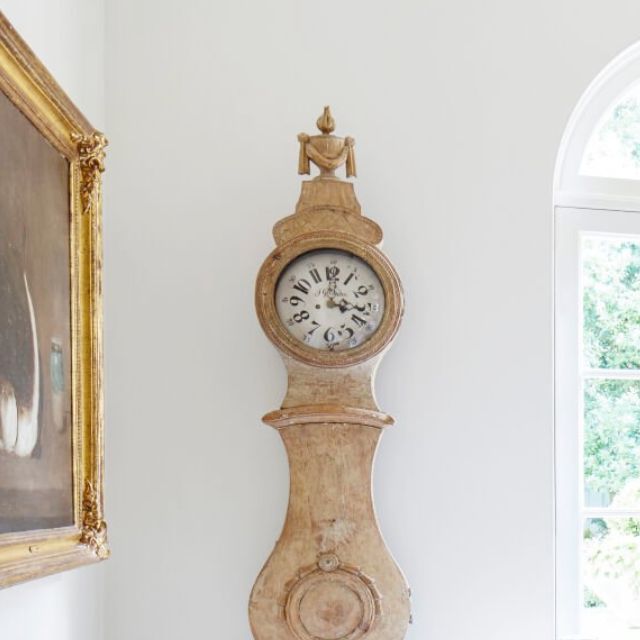
Investing In Mora Clocks – Expert Advice From Jo From Swedish Interior Design
Swedishinteriordesign.co.uk specializes in Swedish Antique Gustavian, Biedermeier, Rococo and Country Painted, Veneer and Natural Wood Furniture.
In the Homes and Antiques April 2014 Issue, Swedish Interior Design was asked to spill about Mora Clocks. Here is what they had to say:
A grandfather clock by another name?
A Mora clock is specifically a longcase clock made in the town of Mora in central Sweden during the l8th and 19th centuries.
Why there and and why then?
Bad harvests in the 1700s meant that the farmers of Mora, which was a largely rural community,
had to come up with a way to supplement their income. The pendulum clock had been invented by Dutch scientist Christian Muygens in 1656 using the sketches of Galileo so there was already something of a tradition for making clocks of this sort in Scandinavia and the cottage industry quickly developed. Each family in Mora look responsibility for making a certain part: the pendulums, the faces, the brass mechanics and so on.
Tell us about the clock’s defining features…
They are known (or their curvaceous hourglass shapes and are more often than not painted in pale greys, whites or blues as these colours reflected candlelight better on long dark evenings. Sometimes they will have ‘kurbits’ folk art designs – a form of bold, painterly decoration most
recognizable from wooden Dala horses that originate from Dalarnia, the same region that
Mora clocks come from.
How easy are they to come by?
Oddly the largest collection of Mora clocks is here in the UK. It is owned by Jo and Madeleine
Lee who run Swedish Intorior Design and have just moved their business to an old granary near Shoreham where you can find over 50 of the clocks in stock. Look out for ones marked ‘AAS’. They may well be made by the first Mora clockmaker Krang Anders Andersson whose oldest known clock dates to 1792. Be wary though, the moniker has been copied onto later clocks so check for documentary evidence of his craftsmanship.
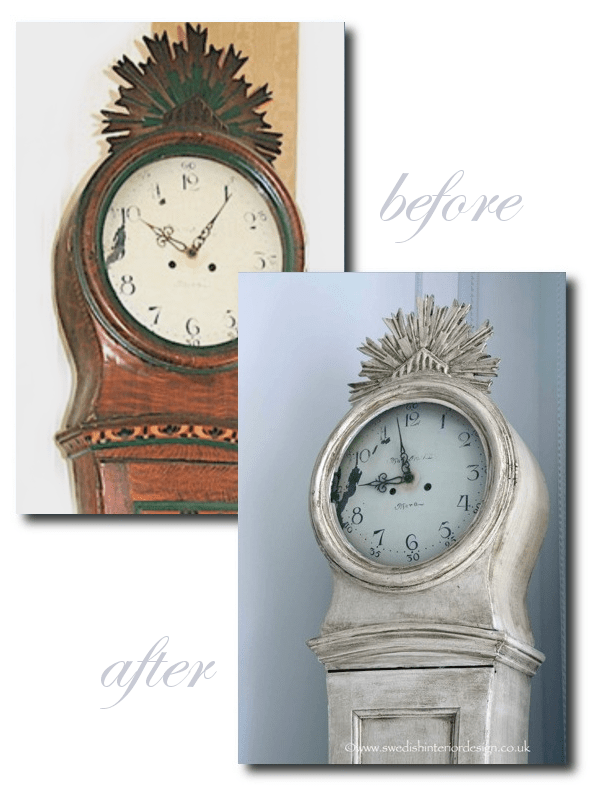
Jo spills some of his secrets of how he goes about refreshing Swedish antiques that need a facelift.
He discovered this Mora clock about many years ago, and it was one of the first pieces he found in Sweden. He loved the clock but wanted the overall look to fit into their 1886 apartment which was decorated around whites and greys.
The clock was found painted in a “Kirbits Folk Art Style…..
“It was statuesque, superbly proportioned, elegant and painted in reproduction Kurbits Folk Art style. The repaint was probably done in the early 1900s and the colours they had used and the painting style were rather garish. The original Kurbits Folk Art Style was prominent in Sweden in the early part of the 1800s and was a freehand style using feather shapes, swirls and subtle earth tome colors (reds, ochres, yellows, oranges) to create a visually sumptuous but definitely country style. You can see examples of the kurbits painting from the early 1800s by looking at the 360 degree view of the Swedish Interior Design Kitchen where we have freestanding cabinets from 1799, 1803 and so on with the original Kurbits paint.”
Jo tells us how he made this clock look antique with paint:
Step 1 – “Key the entire clock with medium sandpaper (180 grit) to allow the paint to grip and look it over to decide whether there were any bits that needed gluing or fixing. Generally I prefer to leave pieces ‘as is’ if possible rather than fix them up to much as the life they have undergone is part of their character and makes them real”
Step 2 – “Prepare The Tools In this case a variety of brushes of different sizes to allow me to get a fine coat on to the clock without filling up the wonderful crenulations and shapes on the body with excess paint. You can get very carried away with special brushes but actually we generally use pretty standard ones – my brush heads don’t have to include virgin yak tails from Mongolia! In this case I used a Craig and Rose acrylic paint (I used Regency White in the Chalky Emulsion finish), which dries nice and quick and that goes on very smoothly with a nice chalky texture. I didn’t use a primer in this case but you can if you want. Alternatively, any chalk-like paint such as Farrow and Ball’s Estate Emulsion, Chalk or Milk Paint could be used. With Chalk and Milk Paint, you would have to wax the piece and not glaze it as I did, which I will talk about a bit later.”
Step 3 – Base Coat “A nice smooth stroke with a larger headed brush to keep an even spread and smaller headed brushes or ones where I’ve cut them to an angle for getting in and under things! Always be careful not to let the paint pool or drip and consider it from several angles to make sure the coverage is good. Once I’d built up the base coat, I added 2 further coats at a slightly watered down consistency until I liked the visual texture“
Step 4 Sand “Light sand to matte the paint down a bit with 320 sandpaper and then some judicious distressing either in the right places where you would naturally get a lot of use (like the handle in the pendulum door) or for effect (to highlight a special feature). I also use a razor blade too sometimes for a different look”
Step 5 Antiquing. “Now that I like the basic color and the level of distress, I decide how and if I should antique it. When well done, antiquing really adds to the feel of a piece and can highlight its decorative mouldings, giving them a 3D effect. But if overdone or clumsily applied..awful! Many people like to use wax but I prefer to make up my own antiquing fluid using an acrylic glaze as a base. I mix the acrylic glaze with a dark brown, grey, red or yellow paint so I can create an antiquing color that matches the color tones I want to effect and it still looks like the real ‘dirt of ages’. So sometimes it’s greyer, browner, more yellow, ochre or red – whatever you need for a special job. The key is “think” where naturally dirt would accumulate and build it up in layers and once that’s done to see if you want to use it as a special effect to highlight any feature. Another light dusting with 320 sandpaper in places and then stand back and admire the handiwork”
You can see their unique collection of antique mora clocks, and other Swedish furniture by viewing by private appointment 7 days a week.
Call +44 1273734371 or visit the website at www.swedishinteriordesign.co.uk
Also, look up at Swedish Interior Design blog for more tips of how to decorate with Swedish furniture.
Follow Jo on Facebook, follow his wife’s blog Madeleine Lee.com
- Madeleine In their Swedish Home
- Picture Credit- Swedish Interior Design
- Beautiful creamy whites and golds seen in their home
- Pictures taken in their home for a fashion editorial in Coco Indie Magazine, see more at bellakotakphotography.com
- Swedish Interior Design
- Clock 1: Unique Early 1800s antique Swedish mora clock with an incredible original trompe l’oieil wreath motif and a very unusual larger head with stunning roman numeral clock face
- Clock 2: Early 1800s antique Swedish mora clock in original white paint.The mora clock is in good condition and features the makers name ‘Roth of Norkoping’ and elaborate beautiful handpanted gold curlicue designs.
- Clock 3: Very early 1800s Swedish mora clock in original paint. Incredible ribbed crown motif on the hood and very distressed but structurally sound.
- Mora Clocks From Swedish Interior Design


7 Of The Most Famous Swedish Furniture Designers And Decorators
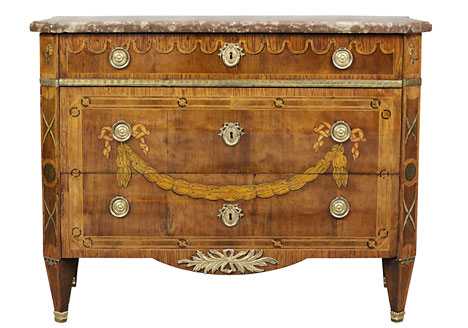 Bureau of Jonas Hultsten, champion in Stockholm 1773-1794. Veneered with rosewood, mahogany, maple and stained hardwood and slice of red limestone.
Jonas Hultsten
Jonas Hultsten was born in 1742 and was known in Sweden as a famous furniture maker. Hultsten completed his apprenticeship with Kristian Waistband in Stockholm, and earned the title of champion in his trade. He began working within the Rococo style, but was influenced by Georg Haupt who designed around the Gustavian style. Haupt influenced his choice of motifs in wood inlays, but after his death, he developed an eye which was all his own. He is best known for creating a design with a grid pattern featuring a small flower in each box. An example can be seen in the Princess’s bedchamber at Gripsholm Castle with a chest of drawers made around 1780.
Jonas Hultsten, Seen At Bukowskis.com
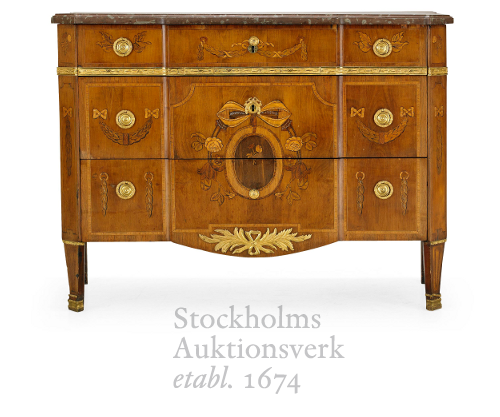 Jonas Hultsten, Seen At Auktionsverket.se
Johan Åkerblad
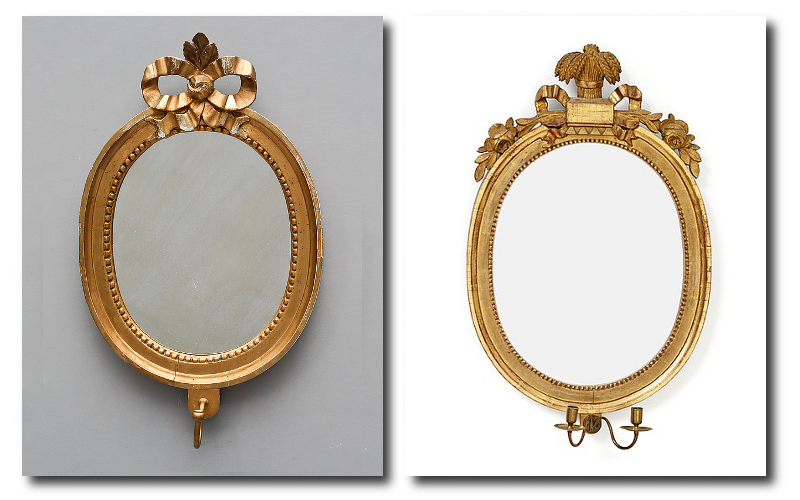
Åkerblad was one of Sweden’s most prominent and prolific mirror maker, working mainly in the Rococo and Gustavian styles. Johan Åkerblad’s mirrors were decorated with beading around the glass and classic decorations seen in the Gustavian styles such as the bow. Johan Åkerblad’s mirrors can be found today, and demand premium prices for their craftsmanship.
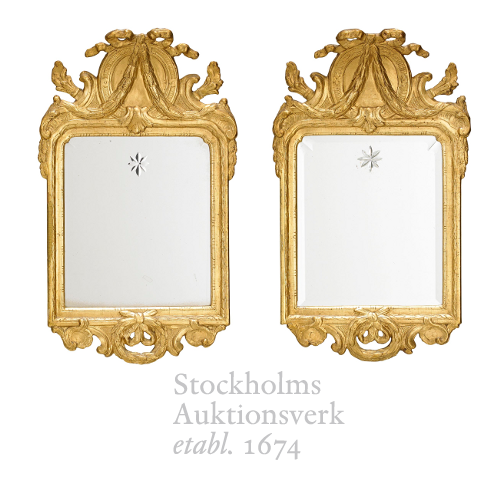 Johan Åkerblad, Seen At Auktionsverket.se
Johan Åkerblad Seen At Bukowskis Market
Gustav III’s collapsible bed by Georg Haupt, located at Drottningholm Palace-
Picture Credit- godsochgardar.se
Georg Haupt
Georg Haupt, born in 1741 in Stockholm , died September 18 1784 , was a Swedish craftsman and one of the most famous designers of Gustavian furniture. He became a cabinetmaker to King Adolphus Frederick in 1769, and was known as a master carpenter and burgess in Stockholm in 1770 and 1771.
Haupt was the son of a Nuremberg carpenter, and learnt his trade as an apprentice of Johan Conrad Eckstein in Stockholm. His grandfather was an art maker Jurgen Haupt who in the 1660s immigrated to Stockholm from Nuremberg. He travelled as a journeyman to Amsterdam, Paris and London, and learned the trade during a period when the French rococo had been quite fashionable in Swedish furniture design. When he arrived in Paris in 1764, the neoclassical style, under the name Louis XVI was gaining popularity. Many speculate he was employed in the workshop of Simon Oeben, the brother of the better-known Jean-François Oeben.
One of his most famous piece of furniture was Gustav IV Adolf’s cradle. It was King Adolf Fredrik’s gift to his wife, Louisa. It got its place in the marble cabinet at Drottningholm Palace. His first royal commission was to be a desk intended as a gift for the Queen. After some pressure from the King, the Stockholm carpentry guild allowed him to use the completed piece to qualify as a master, even though journeymen older than him waiting for their turn. When he was allowed into the Guild in 1770, he became a burgess in Stockholm the following year. He establishing a workshop in rented premises at Trumpetarbacken, Norrmalm, which allowed him to employ four journeymen and a few apprentices to produce furniture for the royal court and the Swedish social and economic elite.
A signed Haupt agency was sold in 1989 to Bukowski to 12.2 million kroner at the Smaland financial man Roy Gustafsson, making it Sweden’s second most expensive antique.
Article Credit – Wikipedia
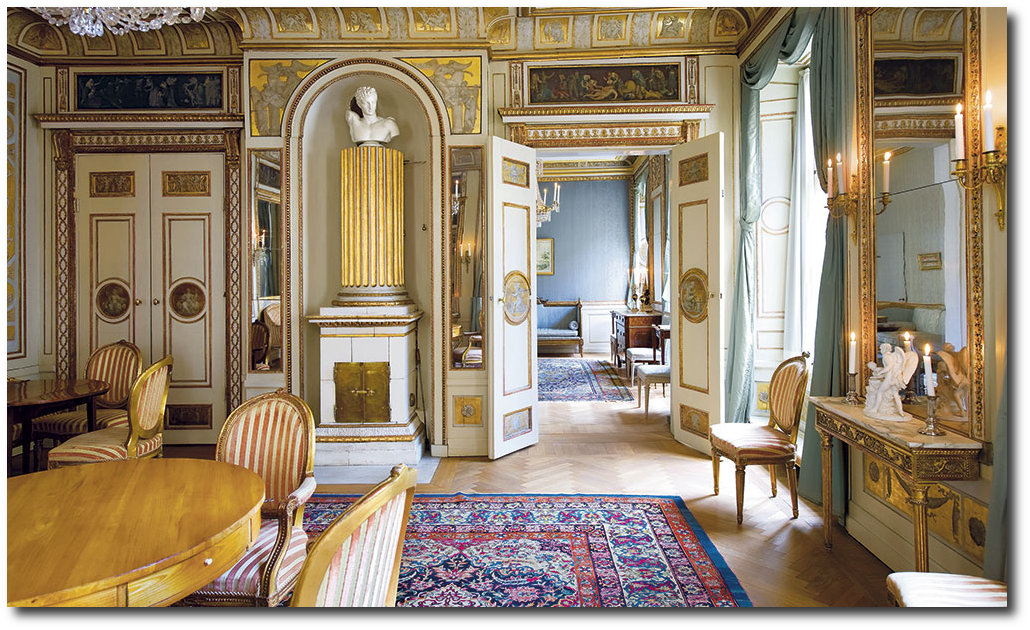
Sophisticated neoclassical interior of the Old Town in Stockholm by Louis Masreliez.- Picture Credit- Godsochgardar.se
Louis Masreliez
Louis Masreliez (Adnen Louis Masreliez) born in 1748 in Pans, died March 19 in 1810 , was a Swedish painter, graphic artist and interior designer.
He was the older brother of ornament sculptor Jean Baptiste Masreliez and son of Jacques Adrien Masreliez, also an ornamental sculptor, invited to Sweden from France to assist in the construction of the Royal Palace .
Louis Masreliez came to Sweden in 1753, and began his education at Scribbles Academy at age 10. When the drawing academy was no training in painting , Masreliez began his studies at Lorens Gott’s workshop. In 1769 he was awarded a government scholarship, which he used for a study trip to Paris and Bologna. He returned to Sweden in 1782, where he became a member of the Academy of Art and the following year professor of history painting . His breakthrough work included Gustav Ill’s Pavilion at Haga Park.
Source- Wikipedia
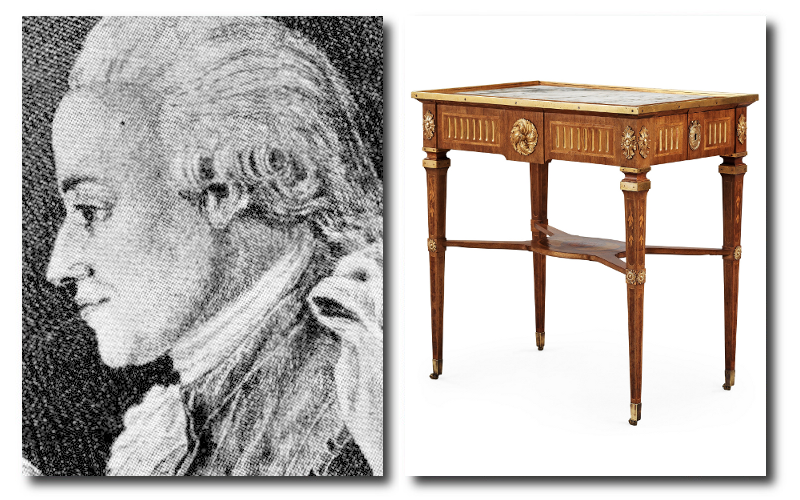 Gottlieb Iwerson
Gottlieb Iwersson
Gottlieb Iwersson, born 1750. died 1813, and was known to be a famous Swedish furniture maker. He was born in Malmo , the second son of alderman in Malmo carpenters office Olof Iwersson and began his career in 1766 by an apprenticeship to his father.
In 1769, he moved to Stockholm, and became a master in 1778. Mastarprovet was a desk that was manufactured for Gustav III’s behalf, a magnificent piece of furniture with vertical facade, decorated with the Swedish national coat of arms in marquetry and extensive decorations in
gilt bronze. He worked with Louis Masreliez , and designed a desk for Gustav IV Adolf. He also worked with interior Arvfurstens palace.
He opened his own workshop in the neighborhood Ox in Stockholm in 1779, he was forced to close in 1812 due to increasing health problems. Iwerssons more famous works originated at the end of his career when he designed in the late Gustavian style, which saw veneer with dark woods like mahogany and simple brass fittings that incorporated both English and French influences.
Source- Wikipedia
Gustavus Ditzinger
Gustavus Ditzinger, was born in 1760, and died 1800. He was known as a famous Swedish furniture-maker. Ditzinger studied under Georg Haupt from 1776 and became a journeyman in 1782. He worked for Haupts widow Sara from 1784 and married her in 1789.
Ditzinger received a title of master carpenter in Stockholm in 1788. He is known for the rich inlaid furniture seen in Haga Palace and interior Arvfurstens palace. He collaborated with Louis Masreliez, and after 1790 his style changed to include furniture with mahogany veneer and simpler hardware in brass.
Source: Wikipedia

Carl Hårleman (1700-1753) was one of Sweden’s best-known and influential architects ever.
He was a central figure during the 1700s, and pushed for the influence of French Rococo on Swedish architecture and decor.
Carl was the son of a landscape architect, and trained to be an architect under the tutelage of Nicodemus Tessin Jr., one of Sweden’s great Baroque architects. Hårleman spent 1721-1725 in Paris, improving his craft, and then went to Italy to to study church architecture.
After coming home, Tessin Jr. had died, and his son Carl Gustaf had taken over as the country’s Head Architect or Superintendent. Hårleman was still a young man, around the age of 30 years old, yet he was accomplished in his talents. He had the finest architectural education of any Swede, which landed him the job of building the Swedish royal palace in Stockholm.
Tessin Jr. had planned around the Baroque style, however, France was seeing the trends steer towards the Rococo style movement. Regardless that Hårleman’s style was Rococo, he stayed faithful to Tessin Jr’s plans for the exterior, and created some of the most spectacular Rococo interiors that remain to this day.
After returning to France, to hire competent artists to finish off his various projects, they would then teach a new generation of Swedish artists and artisans,which influenced the style in Sweden for decades.
Hårleman succeeded Tessin as Superintendent, and would mold the Swedish tastes in architecture and interior decorating for a century. He also designed a number of palaces and villas, both new ones and renovation objects.
Carl Hårleman was one of the most important Swedes of the 1700s, and even though he died young at 52 years old. He was known for his architecture and interior decor, but also had his hand in landscape architecture, and created an education system to ensure that Sweden would continue secure skilled artists and artisans to continue on in the work of design, architecture and decorating royal palaces and administrative buildings when he was gone.



Decorating Around The Color Green – Swedish Style
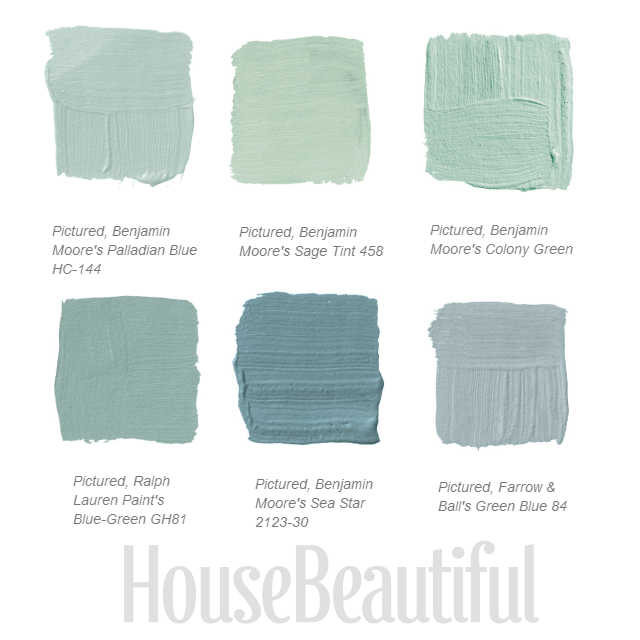 House Beautiful- 26 Designers Share Their Favorite Grays
House Beautiful Designer Grays 3: Top Row, 1-Pratt Lamberts Argent 1322, 2-Farrow Balls Light Blue 22, 3- Farrow Balls Green Blue 84 Middle Row, 1- Benjamin Moores Cedar Grove 444, 2-Ralph Lauren Paints Blue-Green GH81, 3-Benjamin Moores Colony Green Bottom Row, 1-Benjamin Moores Heavenly Blue, 2-Benjamin Moores Palladian Blue HC-144, 3-Benjamin Moores Sage Tint
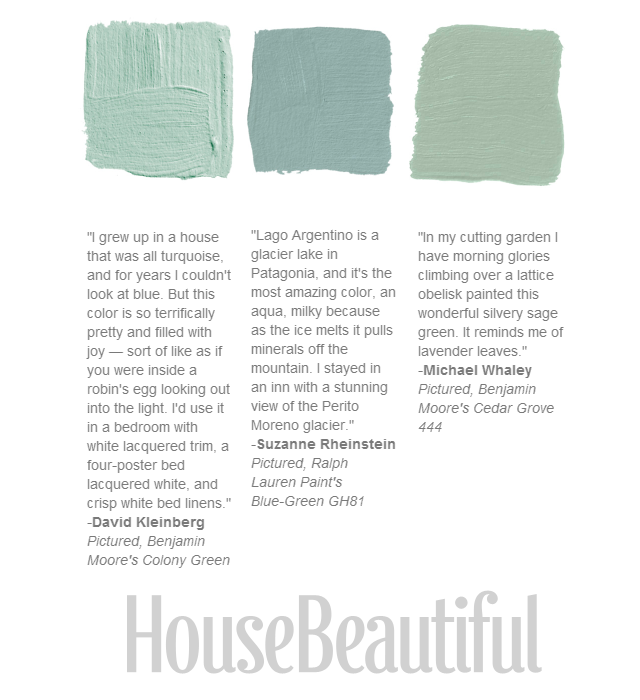 House Beautiful- 26 Designers Share Their Favorite Grays
Benjamin Moore’s Colony Green, Ralph Lauren’s Blue-Green GH81, Benjamin Moore’s Cedar Grove 444
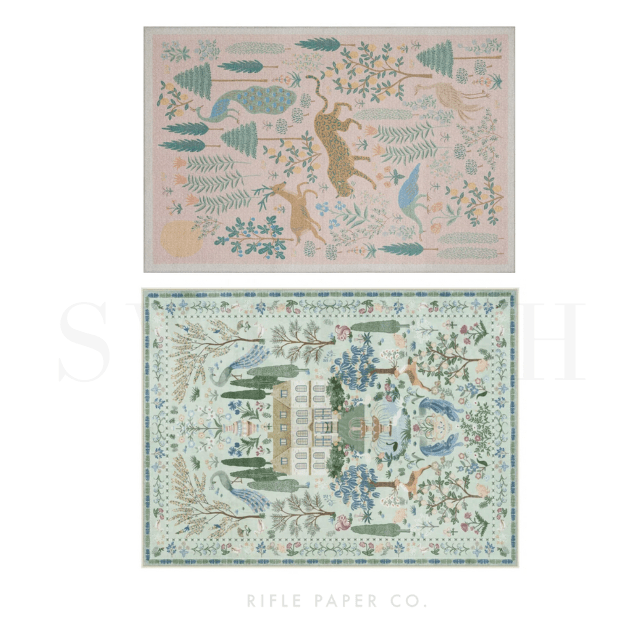
Rifle Paper Co On Wayfair
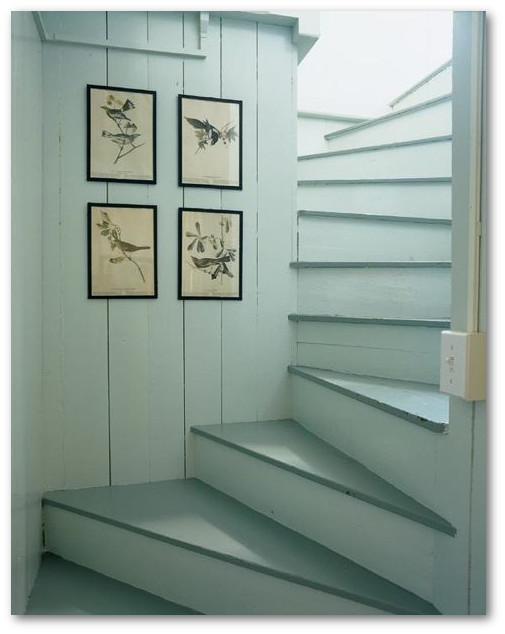
Tricia Foley {staircase} by recent settlers on Flickr
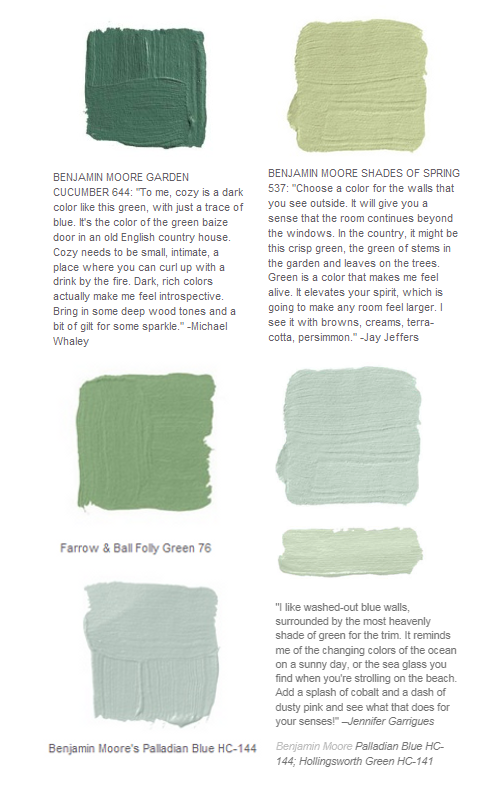 Designer Paint Color Picks Seen At House Beautiful
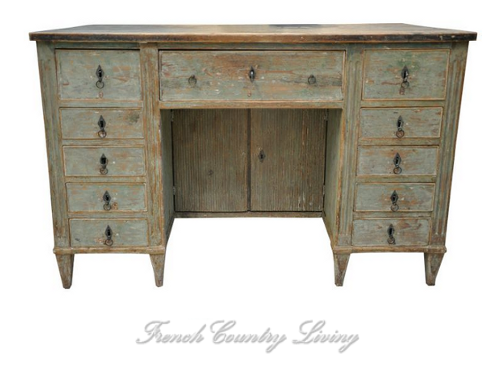
A Swedish 18th Century Writing Desk From French Country Living Antiques, UK,
A Swedish campaign secretary filled with white pottery- Henhurst Blog
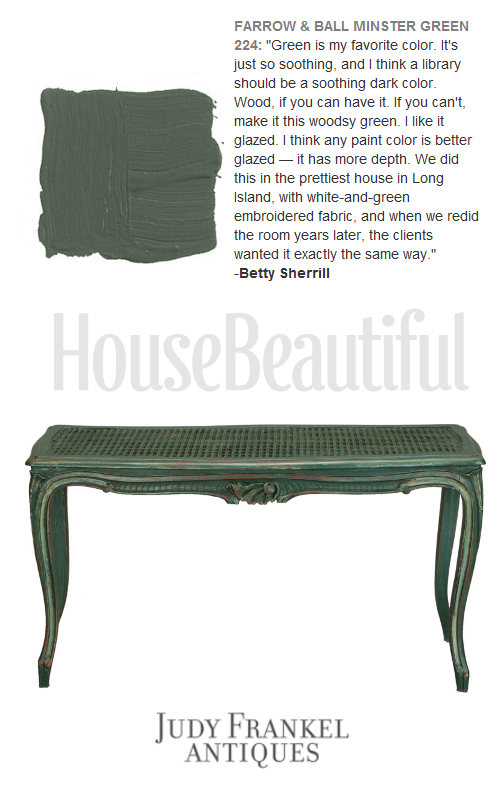 Judy Frankel Antiques, House Beautiful Paint Colors
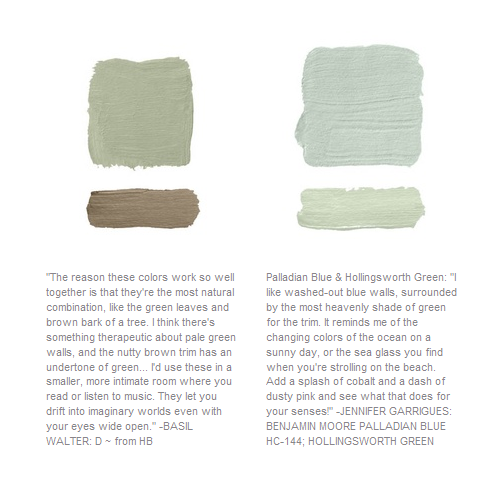 Designer Paint Color Picks Seen At House Beautiful
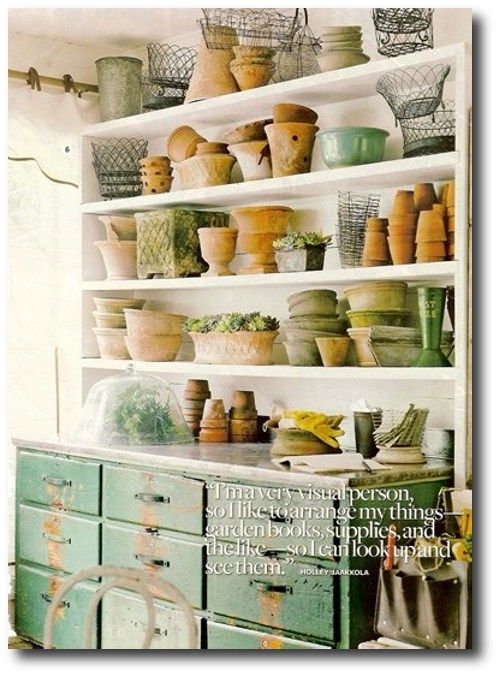
Better Homes and Gardens – Painted Potting Bench
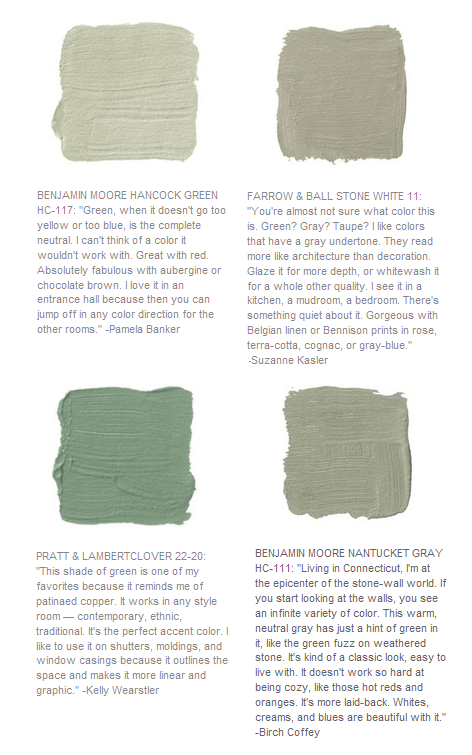
Designer Paint Color Picks Seen At House Beautiful
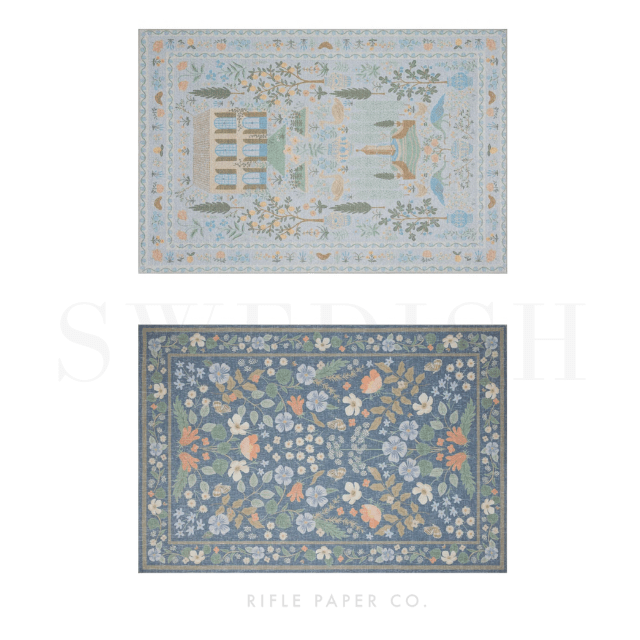
Rifle Paper Co On Wayfair
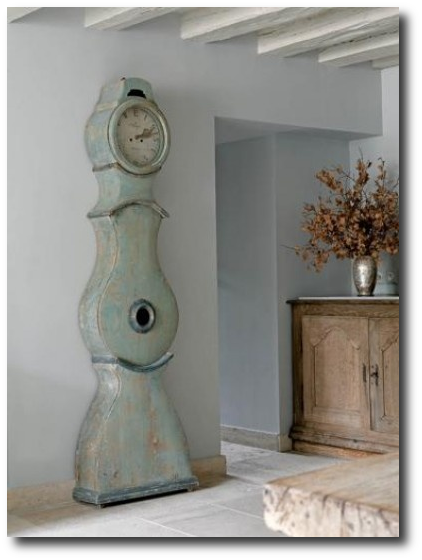
Swedish Mora Seen At Weranda.pl

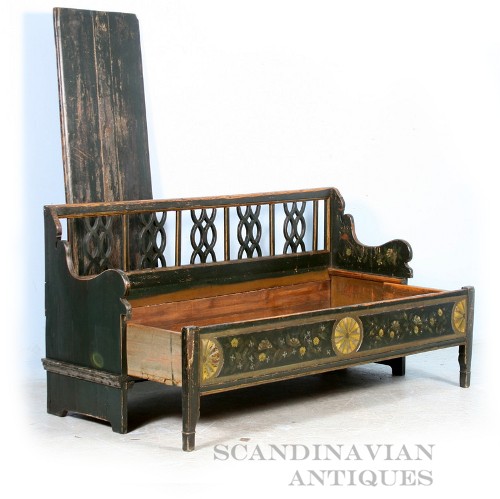 Antique Original Green Painted Swedish Bench, circa 1840-60 – Scandinavian Antiques
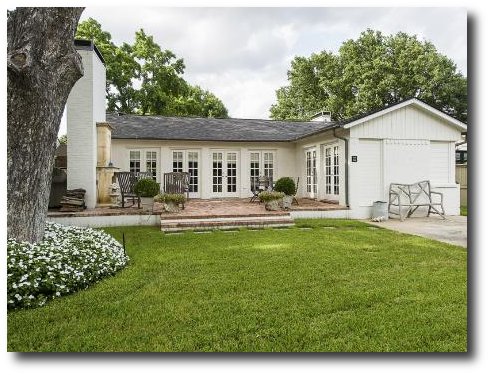
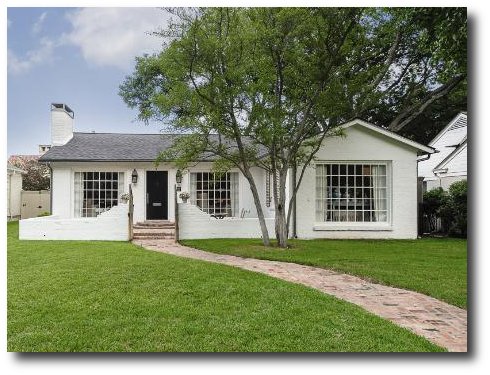
A Dallas, Texas Home Decorated Around The Swedish Style
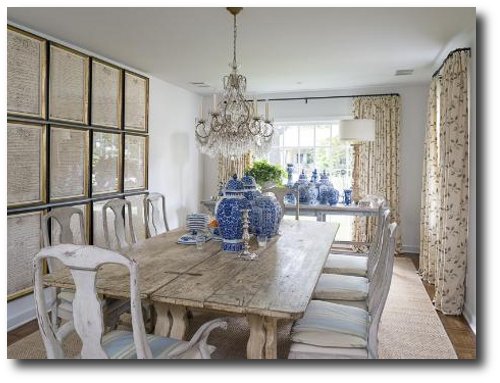
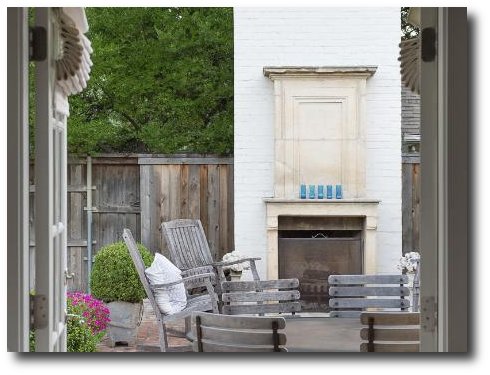
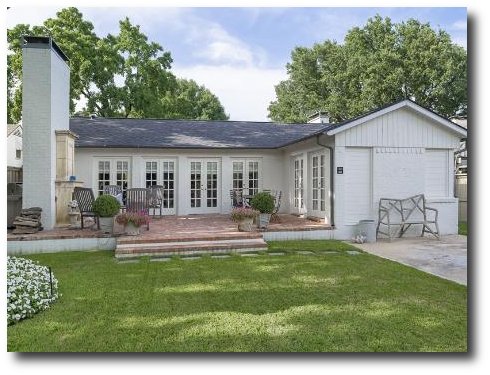
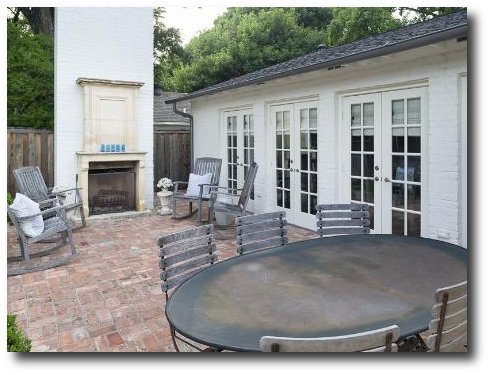
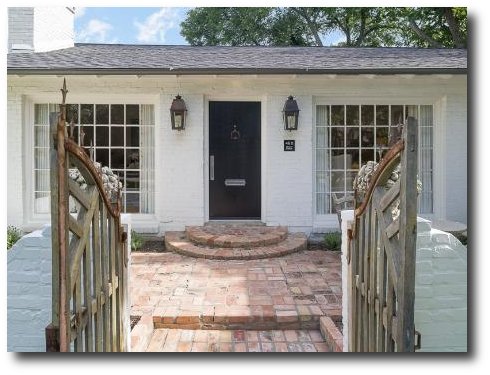
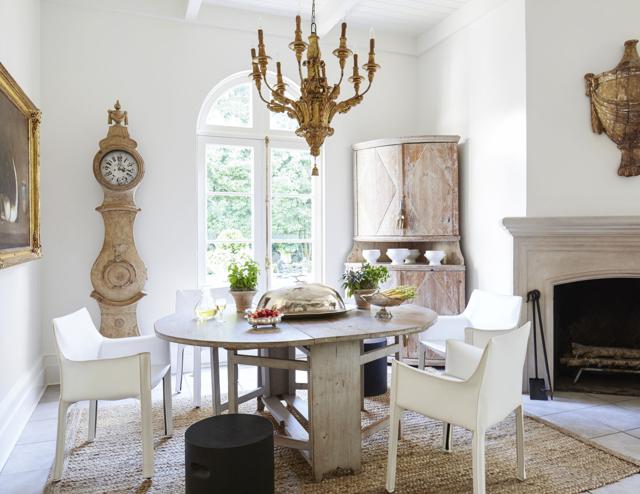
Featured twice in Veranda, this utterly unique home contains 1610 square feet, decorated in the Swedish, Nordic decorating style. The current owner transformed this cottage into a Swedish oasis in the heart of West Highland Park, Dallas, featuring fabulous finishes and extraordinary workmanship.
Calcutta marble adorns the open kitchen and bathroom, while antique French stone mantles create a warm ambiance. Large French doors with double-paned glass add to a light and bright interior. Several interior doors were specifically picked out in European antique markets and imported. The kitchen was designed for serious cooking and includes top appliances with room to entertain guests. The brick patio was built on pier and beam foundation for future expansion, or to be enjoyed exactly as it is.
This property is listed under 4611 Arcady Avenue, for $879,000, MLS #12170512 at Briggsfreeman.com