Florence De Dampierre Comments On Nordic Furniture In Sweden And Denmark
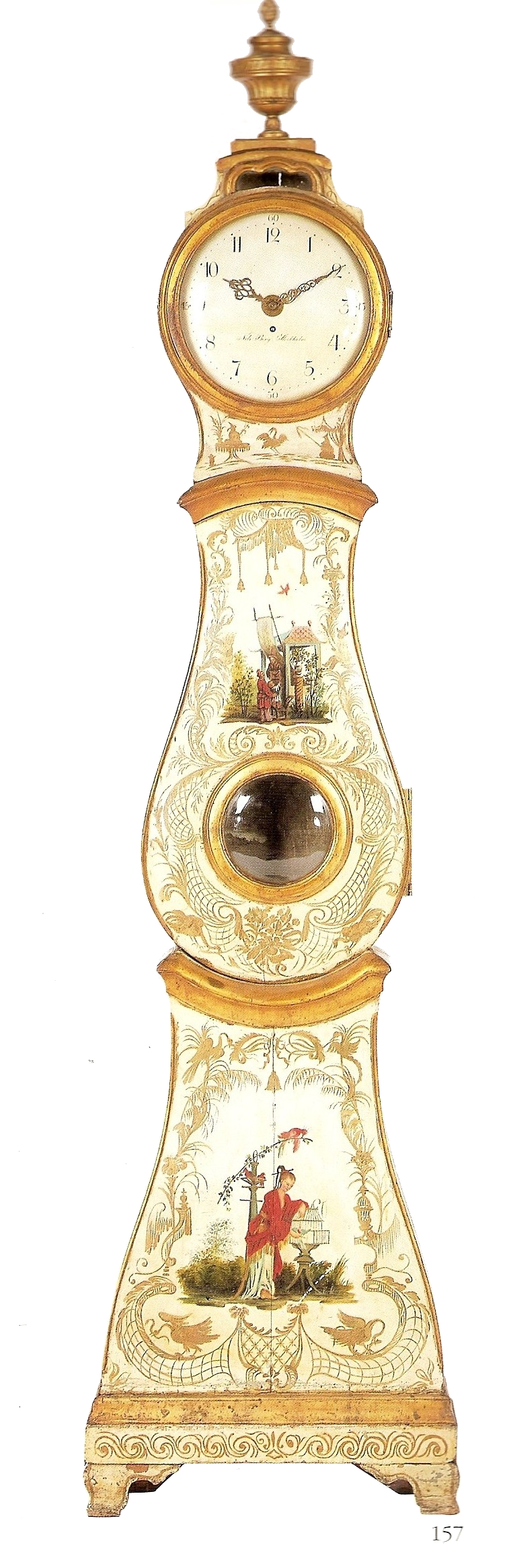
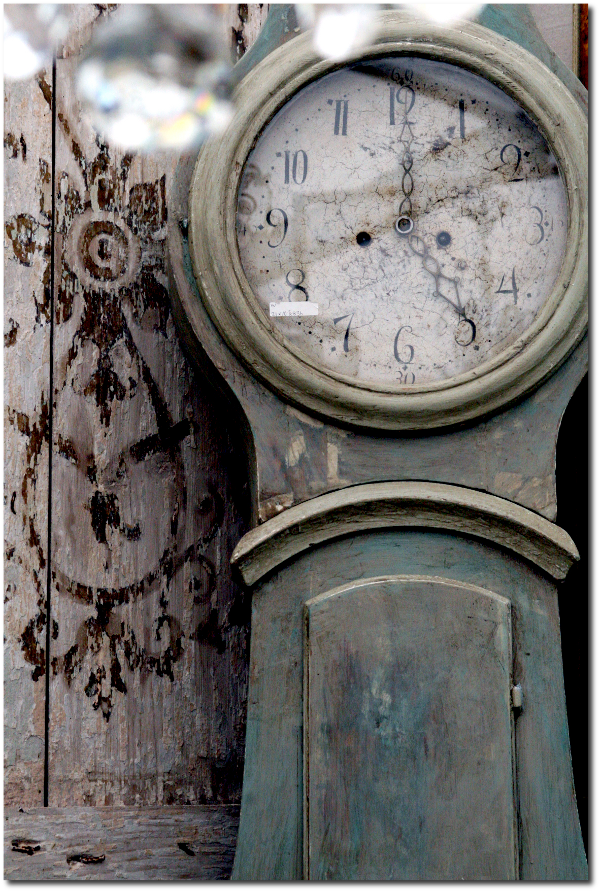
Chinoiserie found another outlet in the rare longcase clock at the right, made about 1765 by
Nils Berg, whose signature appears on the case.
The Best Of Painted Furniture By Florence De Dampierre, presents the tradition of painted furniture as it developed in Europe and the United States.
Dampierre, owns a New York gallery which features painted furniture, and specializes in tracing the art form in Italy, Spain, Portugal, England, Germany, Austria, Switzerland, Sweden, Denmark and America. She features French and Italian examples to simpler, more provincial American and northern European folk-art pieces. She talks about how art influenced furniture across Europe, as craftsmen adapted ideas and techniques. Various chapters discuss furniture embellishments and treatments from high art elegance to folk art simplicity.
Here are her comments on Sweden and Denmark:
Two important traditions of painted furniture developed in Sweden: the high-style aristocratic furniture that evolved from the international taste for oriental lacquer beginning in the seventeenth century- and the rural folk tradition, which grew up both in the manors of landowners (where it attempted to imitate its elegant counterpart) and in humble peasant dwellings. As late as the seventeenth century the great houses of Sweden were still closed fortresses—large rectangular structures furnished with imposing, simple chairs and tables. Tastes began to change by the end of the century when the architects Nicodemus Tessin and his son Nicodemus traveled to Italy, where they eagerly embraced the refined luxury of Italian and French styles. As the designers of Drottningholm Castle and the grand castle at Stockholm, the Tessins did much to spread the appreciation of sumptuous high Baroque decoration among the Swedish nobility.
Skane, the southern region of Sweden had painted furniture traditions of it own. Largely
derived from those of Denmark, since it was a Danish province until 1658. Southern pieces, primarily blanket chests and armoires, featured Rococo and Baroque decoration with rose bushes heavily laden with bloom. The Erik Eliasson style of painting spread from Dalecarlia to Skane at the end of the eighteenth century, intermingling with the
southern style.
Other regions invented their own designs. Painters from Delsbo or Jarvsd, in the Dellen Lake district, notably Gustavus Reuter, originated a version of Baroque style painting that was free of influence from other areas. In Jamtlancl (bordering Norway), the armoires, in typically Rococo style, were particularly interesting. In some areas along the seacoast, such as Blekinge, painted furniture was a rarity.
Florence de Dampierre | Facebook
Buy this book from Amazon for as little as $3.99
Picture Credits:
- Sköna hem Magazine
- Holiday Decorating in a Swedish Home Country Living Magazine
- Van Breems joins sons Lars and Martin in the kitchen for an afternoon of cookie-baking.
- Svindersvik, Stockholm, Sweden- Wikimedia.org
- Anders Zorn’s Studio in Mora
- Swedish Painted Trunk Seen At Country Gallery.com
- Country Painted Chest At Milord Antiques.com
- Överkalix Painting, See More At kurbits.nu
- Egeskov Castle In Denmark- www.skyscrapercity.com
- Swedish Painted Mora Clock- Swedish Decorating
- Close up faux painted detail of the clock
- Swedish Hand painted Cabinet Sold through Umbrella Home Decor
- The Best Of Painted Furniture By Florence De Dampierre
- A Swedish, Rococo Chest of Drawers Seller Dawn Hill Antiques
- This table-Liselund castle- made in 1795
- Stool in the neoclassical style seen at Liselund Castle
- The Best Of Painted Furniture By Florence De Dampierre
- Swedish Gustavian Console Table, C. 1810 , D.Larsson Swedish Antiques
- Gård & Torp Photo Karin Foberg
- “Story Time” (portrait of the artist’s father and daughter) by Knut Ekwall (1843 – 1912, Swedish)
- “Hårnäver” a headdress from Norra Ny in Värmland! (Sweden)Her hair is tied up in a red ribbon and she is wearing a hårnäver. This is a kind of diadem that is used as a hair band to keep the hair high up on the fore head. A hårnäver is made from two pieces of birch-bark that are sewn together with long stitches on the back. They are decoratively painted in red or reddish-brown. Matte paint is used to cover the hårnäver and patterns are painted on free-hand. Bark is collected from the birch trees – Found on folkthings.tumblr.com
- Furniture From Nordic Style
- Home of Lisa Larsson- Seen On jessimfine.se
- Svindersvik –Stockholms läns Museum
- Folk art trunk made by Stenström, from the south of Sweden, 1819. Bukowskis Market.com
- Swedish wedding chest with domed top dated 1809 Liveauctioneers
- Blue and White Porcelain Room
- Swedish Door Detail – KML Design.dk
- Mora clock – this is the rare Ångermanland Bride! The cases were made by local carpenters around 1820-1840. – Found on epokantik.com
- Egeskov Castle In Denmark- www.skyscrapercity.com
- Quenselska gården, Åbo, Finland. At that time Finland still was a part of the kingdom of Sweden. Found on sphotos-e.ak.fbcdn.net
- Ornak, A Folk Art Style Villa – See more of this property at Archdeco.org
- Original Painted Swedish Trunk, Dated 1843 Scandinavian Antiques
- Mora Grandfather Clock, circa 1842 Scandinavian Antiques
- Louis XVI Style Carved & Painted Cane Fauteuils Seen On Quality Is Key On Ebay


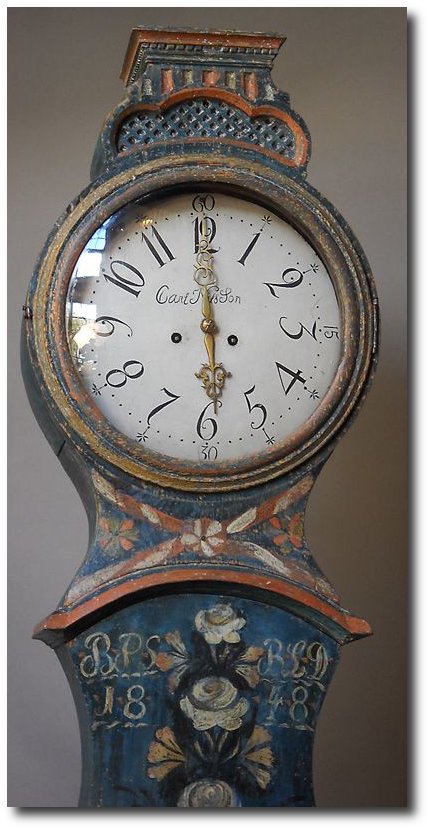
Swedish Mora Clock From Cupboards And Roses
Found on cupboardsandroses.com
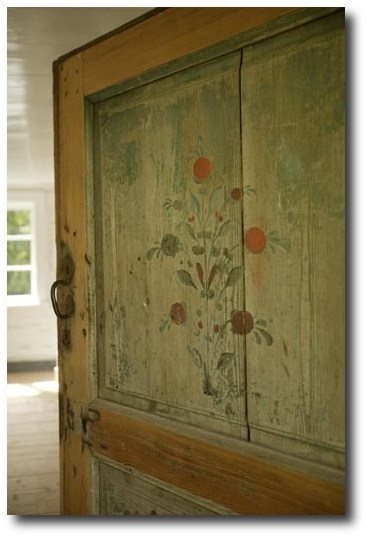
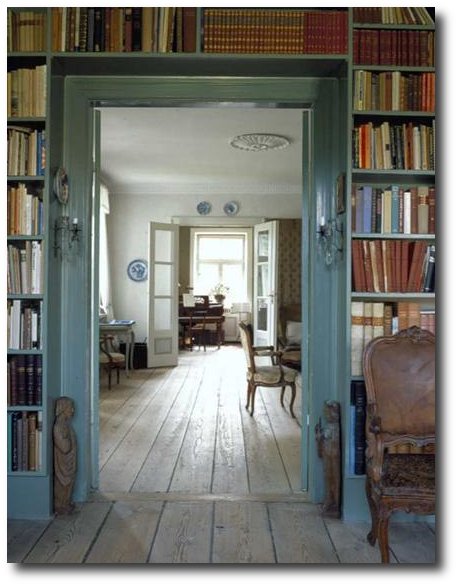
Sköna hem Magazine
Light Green Painted Swedish Mora Clock Cote Jardin Antiques
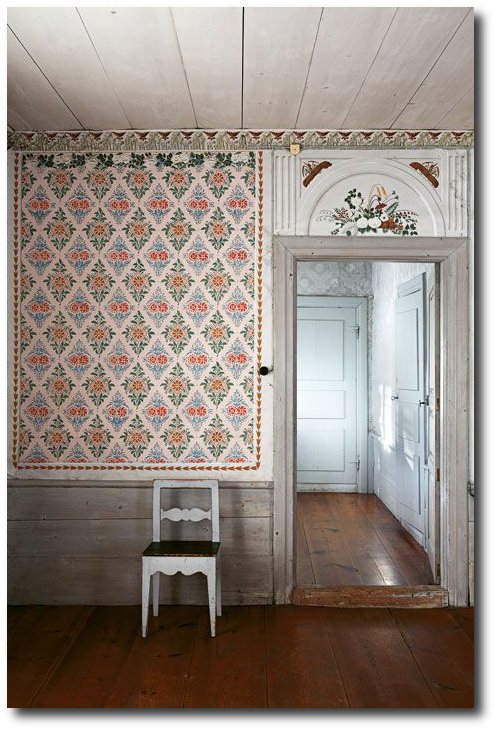
Decorated Farmhouses of Hälsingland – Life Beyond Tourism
Fjällbacka, Sweden


7 Of The Most Famous Swedish Furniture Designers And Decorators
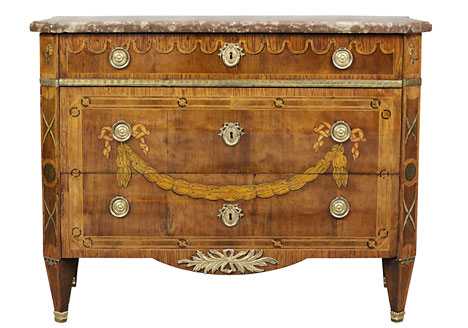 Bureau of Jonas Hultsten, champion in Stockholm 1773-1794. Veneered with rosewood, mahogany, maple and stained hardwood and slice of red limestone.
Jonas Hultsten
Jonas Hultsten was born in 1742 and was known in Sweden as a famous furniture maker. Hultsten completed his apprenticeship with Kristian Waistband in Stockholm, and earned the title of champion in his trade. He began working within the Rococo style, but was influenced by Georg Haupt who designed around the Gustavian style. Haupt influenced his choice of motifs in wood inlays, but after his death, he developed an eye which was all his own. He is best known for creating a design with a grid pattern featuring a small flower in each box. An example can be seen in the Princess’s bedchamber at Gripsholm Castle with a chest of drawers made around 1780.
Jonas Hultsten, Seen At Bukowskis.com
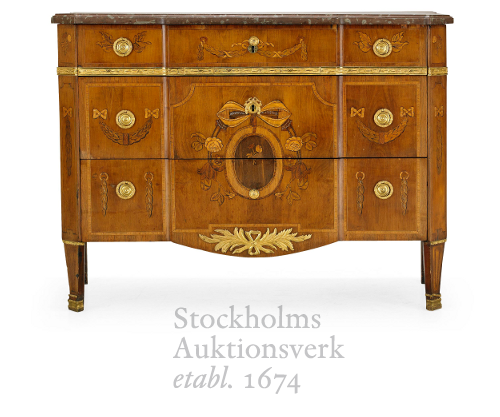 Jonas Hultsten, Seen At Auktionsverket.se
Johan Åkerblad
Åkerblad was one of Sweden’s most prominent and prolific mirror maker, working mainly in the Rococo and Gustavian styles. Johan Åkerblad’s mirrors were decorated with beading around the glass and classic decorations seen in the Gustavian styles such as the bow. Johan Åkerblad’s mirrors can be found today, and demand premium prices for their craftsmanship.
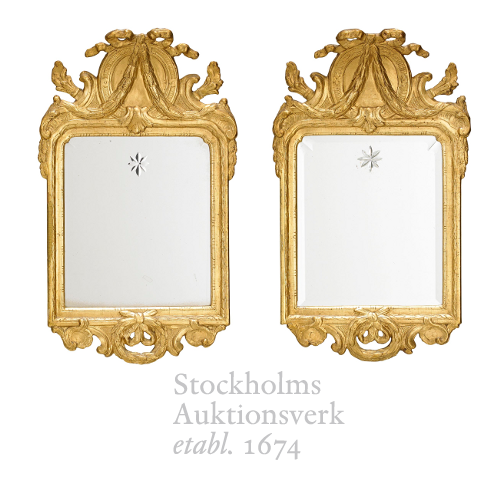 Johan Åkerblad, Seen At Auktionsverket.se
Johan Åkerblad Seen At Bukowskis Market
Gustav III’s collapsible bed by Georg Haupt, located at Drottningholm Palace-
Picture Credit- godsochgardar.se
Georg Haupt
Georg Haupt, born in 1741 in Stockholm , died September 18 1784 , was a Swedish craftsman and one of the most famous designers of Gustavian furniture. He became a cabinetmaker to King Adolphus Frederick in 1769, and was known as a master carpenter and burgess in Stockholm in 1770 and 1771.
Haupt was the son of a Nuremberg carpenter, and learnt his trade as an apprentice of Johan Conrad Eckstein in Stockholm. His grandfather was an art maker Jurgen Haupt who in the 1660s immigrated to Stockholm from Nuremberg. He travelled as a journeyman to Amsterdam, Paris and London, and learned the trade during a period when the French rococo had been quite fashionable in Swedish furniture design. When he arrived in Paris in 1764, the neoclassical style, under the name Louis XVI was gaining popularity. Many speculate he was employed in the workshop of Simon Oeben, the brother of the better-known Jean-François Oeben.
One of his most famous piece of furniture was Gustav IV Adolf’s cradle. It was King Adolf Fredrik’s gift to his wife, Louisa. It got its place in the marble cabinet at Drottningholm Palace. His first royal commission was to be a desk intended as a gift for the Queen. After some pressure from the King, the Stockholm carpentry guild allowed him to use the completed piece to qualify as a master, even though journeymen older than him waiting for their turn. When he was allowed into the Guild in 1770, he became a burgess in Stockholm the following year. He establishing a workshop in rented premises at Trumpetarbacken, Norrmalm, which allowed him to employ four journeymen and a few apprentices to produce furniture for the royal court and the Swedish social and economic elite.
A signed Haupt agency was sold in 1989 to Bukowski to 12.2 million kroner at the Smaland financial man Roy Gustafsson, making it Sweden’s second most expensive antique.
Article Credit – Wikipedia
Sophisticated neoclassical interior of the Old Town in Stockholm by Louis Masreliez.- Picture Credit- Godsochgardar.se
Louis Masreliez
Louis Masreliez (Adnen Louis Masreliez) born in 1748 in Pans, died March 19 in 1810 , was a Swedish painter, graphic artist and interior designer.
He was the older brother of ornament sculptor Jean Baptiste Masreliez and son of Jacques Adrien Masreliez, also an ornamental sculptor, invited to Sweden from France to assist in the construction of the Royal Palace .
Louis Masreliez came to Sweden in 1753, and began his education at Scribbles Academy at age 10. When the drawing academy was no training in painting , Masreliez began his studies at Lorens Gott’s workshop. In 1769 he was awarded a government scholarship, which he used for a study trip to Paris and Bologna. He returned to Sweden in 1782, where he became a member of the Academy of Art and the following year professor of history painting . His breakthrough work included Gustav Ill’s Pavilion at Haga Park.
Source- Wikipedia
 Gottlieb Iwerson
Gottlieb Iwersson
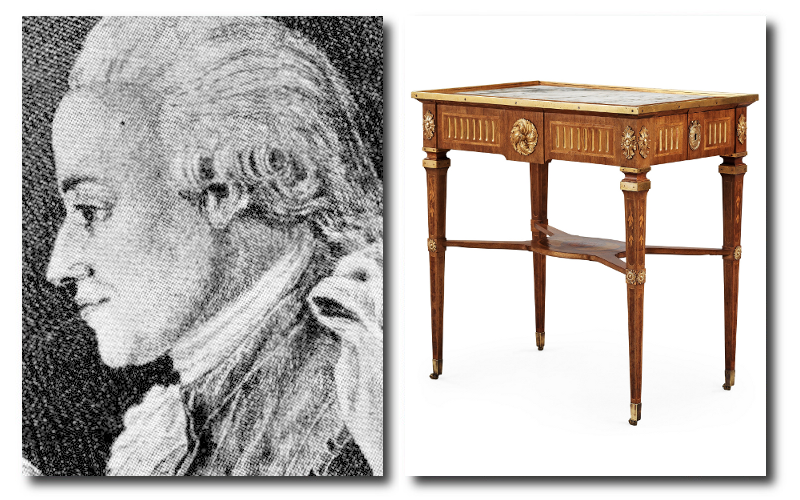
Gottlieb Iwersson, born 1750. died 1813, and was known to be a famous Swedish furniture maker. He was born in Malmo , the second son of alderman in Malmo carpenters office Olof Iwersson and began his career in 1766 by an apprenticeship to his father.
In 1769, he moved to Stockholm, and became a master in 1778. Mastarprovet was a desk that was manufactured for Gustav III’s behalf, a magnificent piece of furniture with vertical facade, decorated with the Swedish national coat of arms in marquetry and extensive decorations in
gilt bronze. He worked with Louis Masreliez , and designed a desk for Gustav IV Adolf. He also worked with interior Arvfurstens palace.
He opened his own workshop in the neighborhood Ox in Stockholm in 1779, he was forced to close in 1812 due to increasing health problems. Iwerssons more famous works originated at the end of his career when he designed in the late Gustavian style, which saw veneer with dark woods like mahogany and simple brass fittings that incorporated both English and French influences.
Source- Wikipedia
Gustavus Ditzinger
Gustavus Ditzinger, was born in 1760, and died 1800. He was known as a famous Swedish furniture-maker. Ditzinger studied under Georg Haupt from 1776 and became a journeyman in 1782. He worked for Haupts widow Sara from 1784 and married her in 1789.
Ditzinger received a title of master carpenter in Stockholm in 1788. He is known for the rich inlaid furniture seen in Haga Palace and interior Arvfurstens palace. He collaborated with Louis Masreliez, and after 1790 his style changed to include furniture with mahogany veneer and simpler hardware in brass.
Source: Wikipedia

Carl Hårleman (1700-1753) was one of Sweden’s best-known and influential architects ever.
He was a central figure during the 1700s, and pushed for the influence of French Rococo on Swedish architecture and decor.
Carl was the son of a landscape architect, and trained to be an architect under the tutelage of Nicodemus Tessin Jr., one of Sweden’s great Baroque architects. Hårleman spent 1721-1725 in Paris, improving his craft, and then went to Italy to to study church architecture.
After coming home, Tessin Jr. had died, and his son Carl Gustaf had taken over as the country’s Head Architect or Superintendent. Hårleman was still a young man, around the age of 30 years old, yet he was accomplished in his talents. He had the finest architectural education of any Swede, which landed him the job of building the Swedish royal palace in Stockholm.
Tessin Jr. had planned around the Baroque style, however, France was seeing the trends steer towards the Rococo style movement. Regardless that Hårleman’s style was Rococo, he stayed faithful to Tessin Jr’s plans for the exterior, and created some of the most spectacular Rococo interiors that remain to this day.
After returning to France, to hire competent artists to finish off his various projects, they would then teach a new generation of Swedish artists and artisans,which influenced the style in Sweden for decades.
Hårleman succeeded Tessin as Superintendent, and would mold the Swedish tastes in architecture and interior decorating for a century. He also designed a number of palaces and villas, both new ones and renovation objects.
Carl Hårleman was one of the most important Swedes of the 1700s, and even though he died young at 52 years old. He was known for his architecture and interior decor, but also had his hand in landscape architecture, and created an education system to ensure that Sweden would continue secure skilled artists and artisans to continue on in the work of design, architecture and decorating royal palaces and administrative buildings when he was gone.

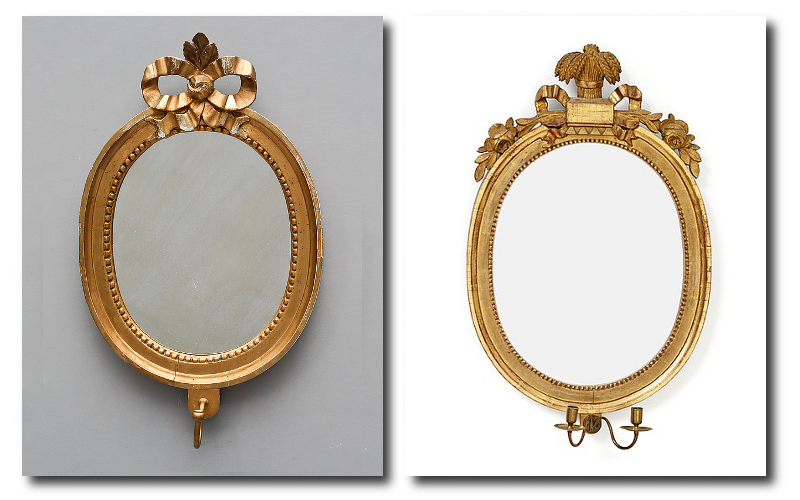


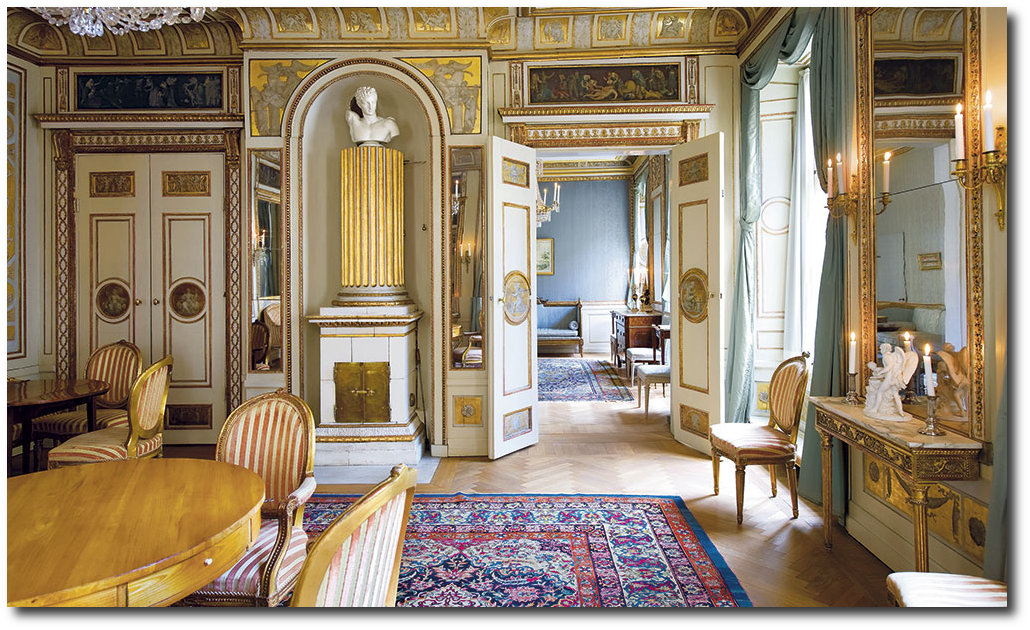
Decorators Who Have Embraced The Nordic Style – 30+ Pictures
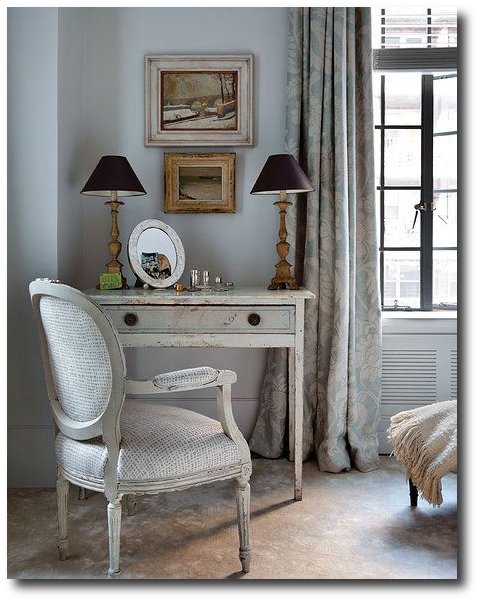
Here are a couple modern day interiors which incorporate many of the elements found in the Swedish style. While we all enjoy looking at historical manor homes, modern day homes can give us a better feel of how we can bring this style into our own homes. Whether it is rooms based around white, or Swedish antiques used, see how the top designers around the country have used this style in every day residences.
Picture Credits:
- Jocie Sinauer’s Home Of Red Chair Antiques
- Designer Shannon Bowers, featured in the Spring 2014 issue of Milieu-mag.com
- Buffalo Check Twin Beds Seen On Harry Norman
- Michael J Siller Interiors
- Alexander Doherty Design
- Timothy Corrigan
- Cathy Kincaid
- Shannon Bowers Designs
- Jeffrey Bilhuber- His Book The Way Home– Seen At Quintessence Blog
- Designer Susan Anthony
- Lucas Allen Designs
- Taarbæk Strandvej 24, 2930 Klampenborg, lutzau.dk
- Jeannette Whitson
- A New Nashville House With an Old Soul – House Beautiful
- Julie Nightingale Design
- Jeannette Whitson, Architect Bethany Puopolo
- Frank Babb Randolph
- CarolEgan Interiors
- Seaside-style dining room – House to Home
- At Home with May and Axel Vervoordt- Buy The Book On Amazon
- Ornate Wall Shelves – Featured In Nicky Haslam Design
- Featured on Katherines Blog Auction Decorating
- Designer Julia Alvarez de Toledo Seen On Zoë Design
- Designer Brian J. McCarthy
- Designer Leta Austin Foster
- Home Of Jewelry Designer Mish Tworkowski- Elle Decor
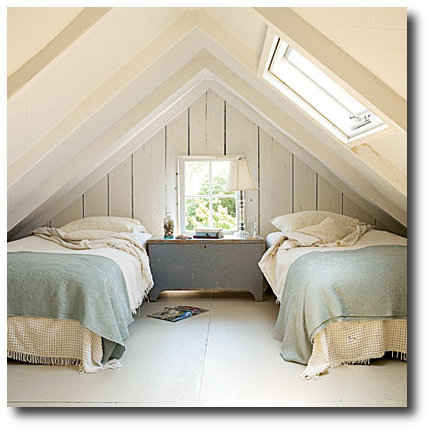
Attic Bedroom Seen on Coastal Living.com
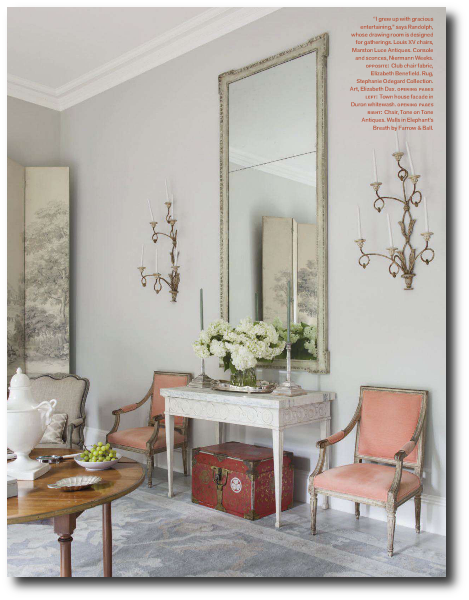
Frank Babb Randolph
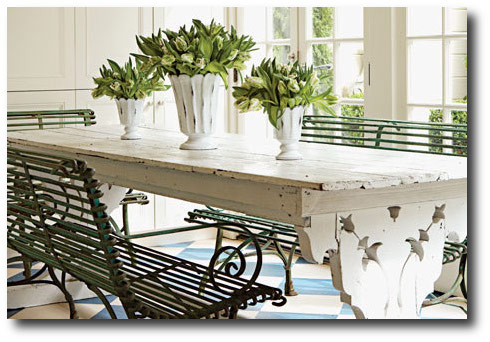
Designer Ken Fulk, Seen In House Beautiful
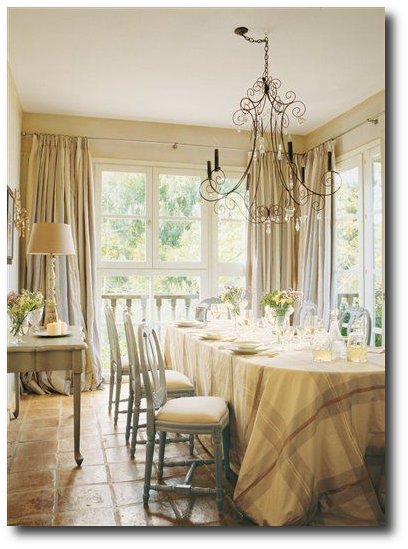
Interior Designer Candida Taylor
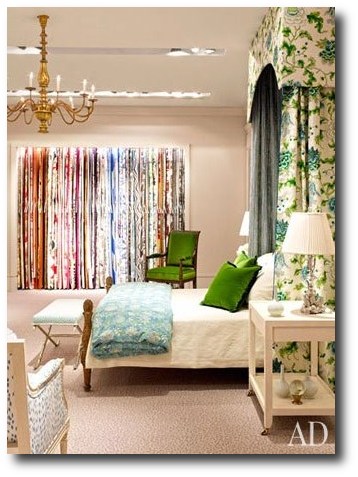
Brunschwig & Fils New York Showroom The tented café at the revamped Brunschwig & Fils showroom in Manhattan, Seen In Architectural Digest, Designer Michael S. Smith



An Interview With Daniel Larsson- The Go-To Guy For Swedish Antiques
D.Larsson Interiör & Antikhandel
I recently was able to interview Daniel Larsson, owner of D.Larsson Interiör & Antikhandel, one of Sweden’s top sources for authentic antique furniture and decor. Daniel opened his store in July 2012 and has quickly become recognized in the industry as the go-to guy for Swedish Antiques – He not only locates the goods you’re looking for but also educates you when buying your first slice of Swedish history or adding to your ever growing collection of rare Scandinavian finds.
Unlike other dealers who wouldn’t dream of sharing their sources, Daniel is a guide with The Antiques Diva® & Co European Tours which means he takes clients hand in hand to wholesale warehouses and secret sources.
Daniel has traveled around the world, and has lived in the USA, England, India, Norway, Spain and Holland, but has returned back to his roots in Helsingborg, Sweden where his main antique store is located.
He and his better half, life partner and wife- Cristina, work together to run D.Larsson Interiör & Antikhandel, a busy antique store, which offers Swedish furniture ranging from 18th to late 19th century. They specialize in presenting Gustavian painted furniture and Swedish country styled pieces. They supply directly to private or trade customers worldwide, and network with easy and reliable shipping companies. Daniel is one of six dealers in Decorative Collectives; a new Antiques Center in Petworth, Uk, where he currently features the majority of his stock.
Here are my questions for Daniel:
Q- What had you interested in antiques? Where did that passion come from?
A: I have always been interested in Interior Design and it came rather naturally to me. In my early 20s I got hooked on the modern retro Scandinavian style when I decorated my first apartment. After taking several years to tour the world I settled down with my wife in Helsingborg, Sweden and together we began to make my house a home. A friend recognizing my talent in design approached me and asked if I wanted to start a business selling antiques together. After a couple of years together we eventually decided to each go our own way – but I was hooked! I had been bitten by the antiques bug and I was committed to staying in the trade. I began to concentrate on higher quality Swedish pieces and expand my repertoire in to Baroque, Empire, Rococo and Gustavian pieces.
Q: Was there one antique that you let go, and wish you hadn’t?
A: Sigh… the one that got away. I’m dreaming of a stunning Rococo mirror (see attached pic) that I wished I would have kept for myself. I try not to get too attached to the pieces in my store – but must confess sometimes I sell items to quickly and find I don’t have enough time to enjoy them properly.
Q:Tell us a few keys to look for when determining if a piece of furniture is an authentic antique?
A: The authenticity of antiques is a complex matter, there are great books about the subject but for an untrained eye it can be very hard to spot a fake. A good way to start is by looking at the wood to check if it’s old and has a nice patina. The best thing you can do is to buy from a trustworthy dealer which will be able to give you all the information about the piece so you are sure of what you have bought. And you can always ask for a certificate of authenticity. Another tip is to always check the price, if it is to good to be true… it probably is!
Q:What are the most sought after styles right now? What are people asking you for?
A: The Gustavian style with it’s pale colors is always popular and people are also asking for good Swedish country pieces because they fit perfectly in a modern setting as well. People are looking to mix things up nowadays, it gives more caracter to a home.
Q:Like many of us who are fond of one thing over another when shopping for furniture and decor, is there a particular style or antique that your wife Cristina buys over and over? Tell us her secret antique fetish?
A: Cabinets, She always need to have at least one big cabinet in the showroom. She likes big and impressive things 🙂
Q: For New Buyers, ….what would you suggest to invest in first?
A: Always buy something that you love, follow your heart. If you want something really Swedish go for a tall case painted clock or a Gustavian sofa. Both are very decorative. Another great choice is a Rococo or Gustavian mirror as they are easy to place making a fabulous statement peace.
Q: Many Swedish dealers shun the thought of re-painting antiques. I find many dealers re-painting furniture in the most popular colors such as gray, or white, and others cringe at the thought of disturbing a finish. What are your thoughts on this?
A: The majority of Swedish painted furniture has been painted several times thru the centuries and to find one in original color is extremely difficult nowadays and when you do find them they sell for extraordinary sums. What happens sometimes is that the latest layers of paint are dry scraped to reveal traces of the original color but the majority of times this is not possible because the paint has suffered to much damage thru the years and needs to be repainted. This way the tradition continues. Don’t be mistaken; repainted pieces, if done properly are still highly valued.
Q:From a Small Business point of view, here are some pooled questions that have been asked from small furniture collectors who represent smaller markets:
How would you suggest going about determining the price for an item? Do you recommend reproduction pieces and if so what determines a good piece? How do you go about restoring pieces that are not in tip-top condition?
A: When I determine the price I look at the originality, rarity and quality of a piece. It’s also important to know the market value.
I certainly do recommend reproduction pieces especially when clients are looking for more than one-of-a-kind pieces. What often happens in the hospitality market is that they need many arm chairs of the same model and that is an impossible to find in the antique market.
I always use a specialized furniture carpenter to restore my pieces if they are not in tip – top condition. It’s important that the restoration work is done the traditional way sympathetic to the past.
Q: Finally, what should clients who wish to participate on the hardcore antiquing tours be prepared for?
A: At The Antiques Diva® & Co we’re known for giving clients access to the best little black book of antiquing address on the continent – in Sweden as well as all over Europe. On my tours I really try to educate my clients. All our tours are private and customized – and thus, when a client books a tour we inquire what they’re looking for and then we plan a route that gets them to down the back roads to the places they need to know about. On tour we translate, negotiate and then we liaise with a shipper to help get the goods home sweet home across the pond. While you can book at 1 day tour – real dealers want to delve deep into the countryside – and our trade tours can run 3 or 4 days of hard core antiquing.
Visit Daniel and Cristina’s website dlarssoninterior.com
Follow Daniel on Twitter- here
D.Larsson Interiör & Antikhandel
Wrangelsgatan 13 254 39 Helsingborg, Sweden
+46 73 438 18 43 info@dlarssoninterior.com

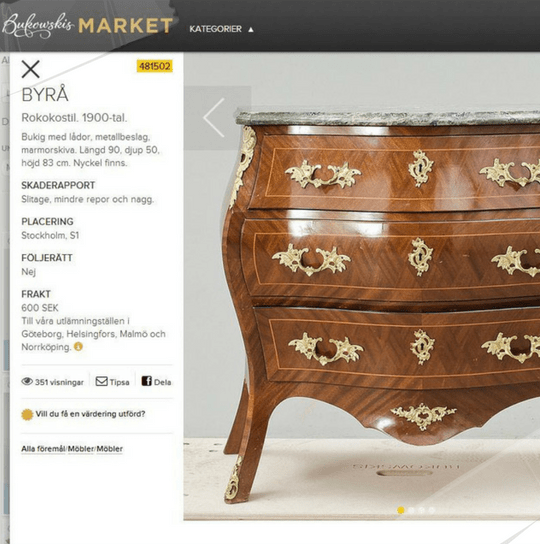
Swedish Furniture From Bukowski Market
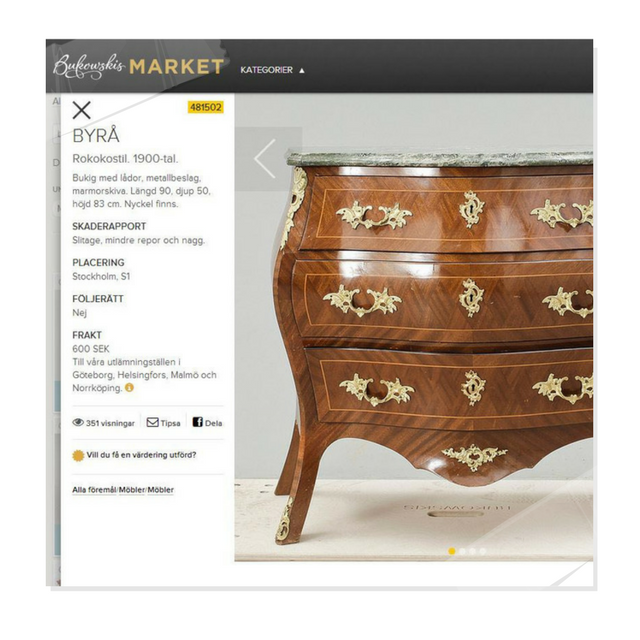
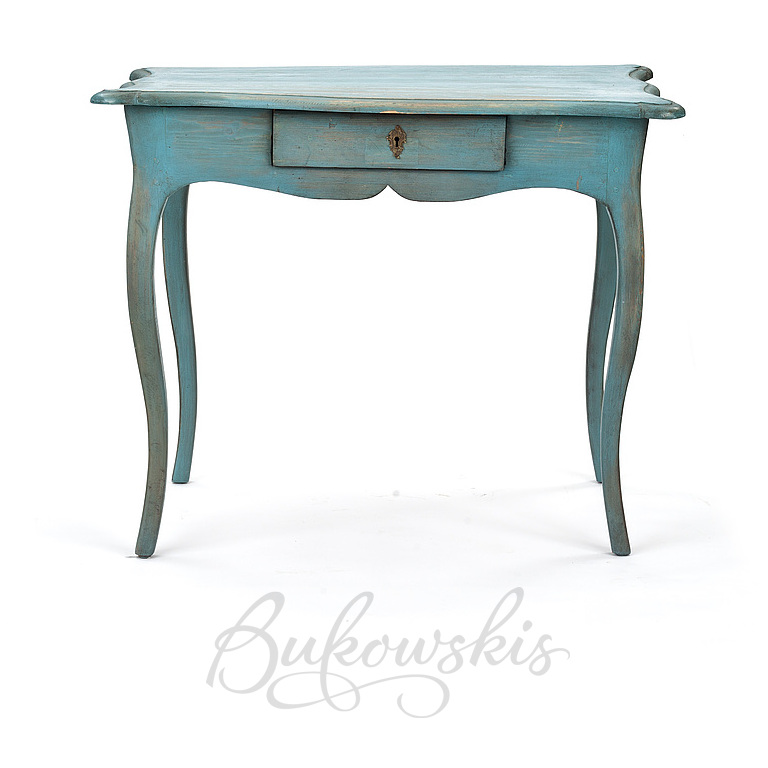 Rococo Desk 1700’s
Bukowski is the leading auction house founded in 1870 by the Polish nobleman Henryk Bukowski. Bukowski Market also happens to be Sweden and Finland’s largest on-line internet site for quality auctions. Bukowski Market offers modern capabilities to the auction experience; one that combines online shopping with spectacular antiques and reliable expertise.
Bukowski pairs together buyers and sellers from around the world and allows antiques to be brought to the public for sale. All items sold at Bukowski have been reviewed by experts in showrooms in Stockholm, Gothenburg, Malmö, Helsinki, and Norrköping. Bukowski offers a large assortment of antiques, design, art and decorative items for all tastes. Before bidding from Bukowski, be sure to look at their terms of sale, and have your shipping and pick up arrangements set before bidding.
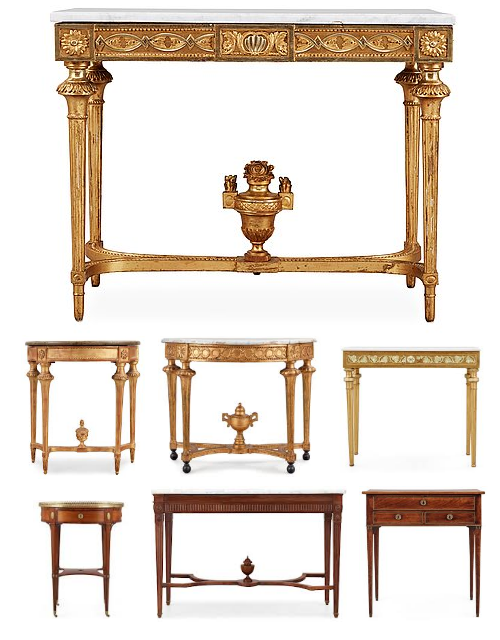
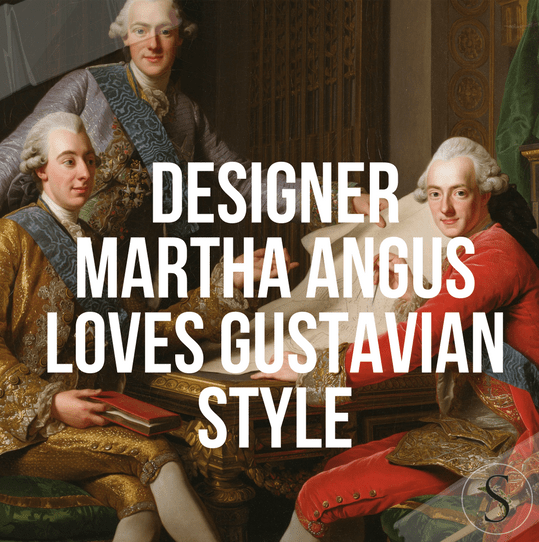
Designer Martha Angus Loves Gustavian Style
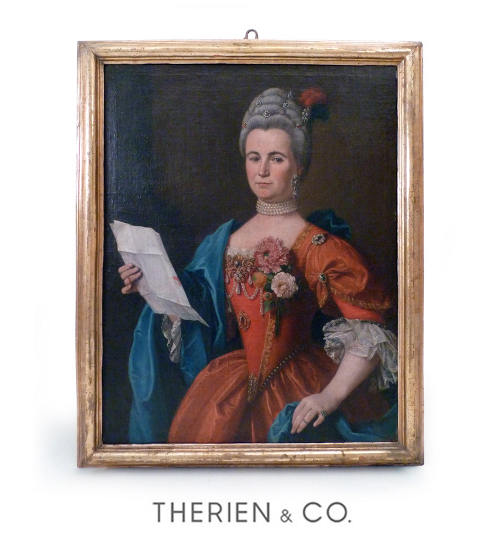 Swedish Portrait -the figure of noble women, in courtdress, within giltwood frame
The Style Saloniste posted an interview with designer Martha Angus, founder of the San Francisco-based firm, Martha Angus Inc. about her favorite style and paint colors. It turns out she loves the Gustavian Swedish styles, and gives out the paint colors she uses most often in her designs.
Q- Favorite design period?
Martha Angus: Gustavian. It’s late eighteenth-century, and feels like Louis XVI but not as grandiose. In addition, I love the painted finishes typical of the period, often in gray. Swedish design can offer a type of low-key opulence. During the Gustavian period, a light wash of paint in earth colors of light blue, gray, green and yellow was used instead of gilding. The prices of antiques vary, depending on the object. They’re now very collectible, so prices are rising fast. I’ve seen some fantastic examples at the Marche Paul-Bert at the Paris flea market, Clignancourt.
My favorite local source for Gustavian furniture is Therien & Company in Los Angeles (as well as the Therien & Co 20th-century collection at their gallery in San Francisco.)
Q: Your most versatile paint color?
Martha Angus: It’s Benjamin Moore and my special mix of half Decorator White mixed with half Linen. Works every time.
The finest paints are those designed by Donald Kaufman in New York. They are all elegant and multi-dimension and complex, so you could pick one with your eyes closed.
I’m a big fan of Farrow & Ball, colors: Parma Gray, Folly Green and Mouse’s Back are very individual and give rooms character.

Q: Which fabric could you use over and over?
MA: Heavy Belgian linen by Henry Calvin Fabrics, # 8793 “Mail Bag Linen” texture in natural. To the trade, Henry Calvin Fabrics, 151 Vermont Street, San Francisco, 415-565-1981. I often use antique textiles, tapestries, and pillows from Kathleen Taylor, The Lotus Collection, 445 Jackson Street, San Francisco, 415-398-8115.
Home Dit also features an interview with Martha Angus, where she reveals more of her love for French and Gustavian antiques.
Q: Tell us about the moment when you decided to follow a career in the field of interior design.
Martha Angus: I always felt like an artist growing up. I moved around constantly for my father’s career, so the whole idea of ‘home’, a place where you feel comfortable and can settle into, is the most important thing in the world to me. When I was a child, I absolutely fell in love with color, especially coloring books. I became so passionate about art and color, I thought “Oh, wow!” this is all I ever want to do, which led me to
eventually study painting at Carnegie Mellon and the Ecole des Beaux Arts de Paris.
When I came out of college the options for a female artist were quite limited yet art has always been a driving force in my career. As a young artist fresh out of school, I got my start as a fashion illustrator and textile designer in New York City. That eventually led to store design and high-end residential design. My work and interests are always evolving but I never abandoned my first love –painting and contemporary art. To this day, art is the most important feature in my designs. It’s usually the first thing I discuss when starting a new project.
Q:Where do you look for an obscure source of inspiration?
Martha Angus: I find inspiration in my usual trips to the Paris flea markets. I believe my ideal shop would include that sense of history, unstated elegance and fun that the French do so well. As in my projects, my ideal shop would include timeless and elegant items such a Gustavian settee or a weathered neoclassical zinc planter paired with a super chic custom designed plexi-glass bench upholstered in zebra silk-screen hide and bold Ellworth Kelly prints.
Q:What would be your recommendation for “what to do first” in a decorating project?
Martha Angus: Start with a good floor plan and remember that upholstery is the key. High quality upholstery can go a long way. Not only is it a good investment but it also brings a sense of tailoring and richness that other items can’t. Once the art and essential furniture items have been selected, accessorizing can do wonders. Scented candles and cashmere throws add a sense of luxury to a room without a significant investment. I always include small trays and boxes that bring the project down to a warm and livable level.
I always say that art is the most important aspect of a space, aside from the people collecting it. I live for bold, statement art. High art should not be treated as a mere decorative item that accessorizes a room, but almost a living element of the space – something with a very distinct personality.
Q: What’s your current paint color obsession?
Martha Angus: I believe in airy, fresh spaces that usually call for very subtle neutrals so that I can come in later and play with fun splashes of color in art, fabrics or accessories. When it comes to paint I find myself constantly going back to some Farrow and Ball colors precisely because they have that timeless elegance that relates so well with my philosophy. Some of my favorites are Middleton Pink and Arsenic.Throughout my career I have always recommended Benjamin Moore’s decorator’s white for its freshness and vibrancy. I have a life-long love affair with textiles of every kind. In fact my career started in New York City as a textile designer and fashion illustrator. I believe David Hicks style fabrics are classic and always so chic.
Q : What advice do you have for someone with a new house to decorate and perhaps a limited budget?
Martha Angus: Small changes can go a long way. I also advise my team to use color as envelopes for a room. Soft neutrals like French Gray or even Decorator’s White are great colors for walls, ceilings and trim because they can give an atmospheric look to a room and make it timeless, standing the test of time and whimsy trends. The one item I would recommend investing in is good upholstery pieces. The big items should also be covered in a neutral material that can stand the test of time. It will not only look good but will wear well for many years to come.
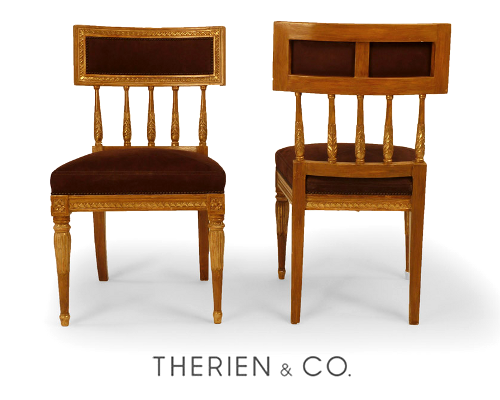
Pair of Swedish Late Gustavian Side Chairs- the rectangular upholstered crest rail within carved and moulded frame on foliate carved spindle supports, over upholstered seat with carved and moulded apron flanked by rosette filled blocks, raised on foliate carved round section tapering legs ending in toupee feet
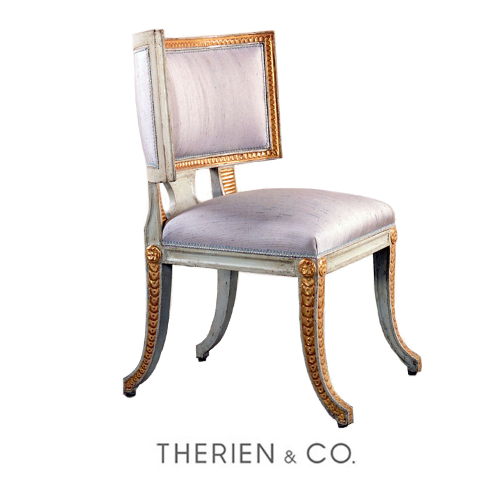 The Neoclassical period replaced the Rococo influences during the second half of the eighteenth century. Cabinet makers responded to the excavation of Herculaneum and Pompeii with great fervor, eliminating the robust naturalistic forms of the Rococo in favor of delicate colors and a less exaggerated line. The Klismos, the original antique form of this chair, was brought to light late in the Neoclassical period in Sweden as well as other countries. The Gustavian, another name for this chair, was developed during the reign of Gustavian III who seized power in 1771. This chair is believed to have been made for the marvelous pavilion at Haga, the summer home of Swedish royalty
Pair of Roman Neoclassic Painted And Parcel Gilt Armchairs with horseshoe shaped foliate carved back with downswept arms, joined to Greek key carved seat and raised on tapering fluted legs
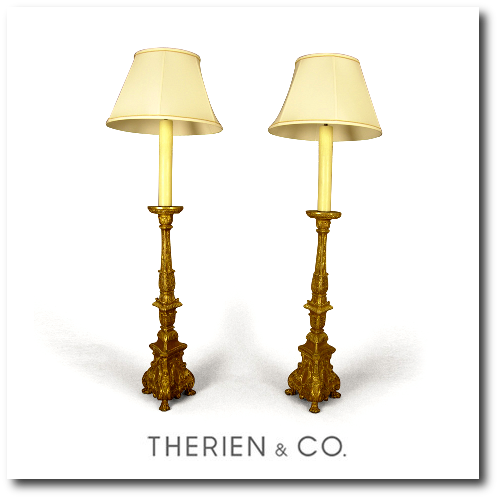
Pair Of Swedish Baroque Giltwood Candlesticks each of compound foliate and gadrooned tripartite form rising to flaring foliate sheathed bobeche, raised on conforming scrolling volute base, centering ribboned and foliate swagged cabochon medallion and ending in lion paw feet; now electrified and fitted with beeswax candle and calf skin shade
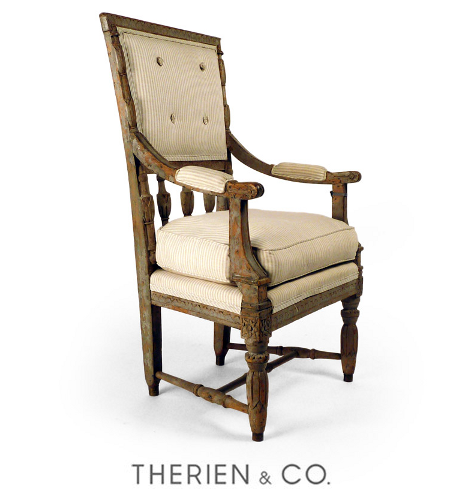
Swedish Neoclassic Painted Armchair- the upholstered back within conforming moulded and carved flaring frame, over urn shaped carved spindles joined by down swept supports to upholstered seat, raised on stylized foliate carved swelling round section legs ending in brass sabots and headed by rosette filled carved corner blocks; the whole retaining original paint
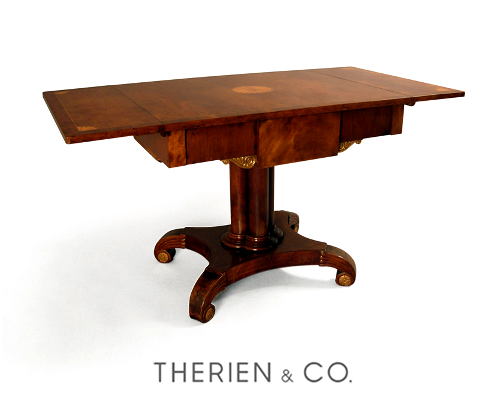
Swedish Karl Johan Mahogany Satinwood and Olivewood and Parcel Gilt Sofa Table- the rectangular top with satinwood stringing centering satinwood and olivewood inlaid central patera medallion and corresponding corners, with two drop leaves over breakfront apron incorporating single drawer, flanked by relief carved foliate volutes, on cluster columnar support in the early English taste, with molded socle and concave platform ending in foliate carved downward scrolling feet centering floral medallions



Decorating Secrets- 60 Quotes From The Best Experts In Design

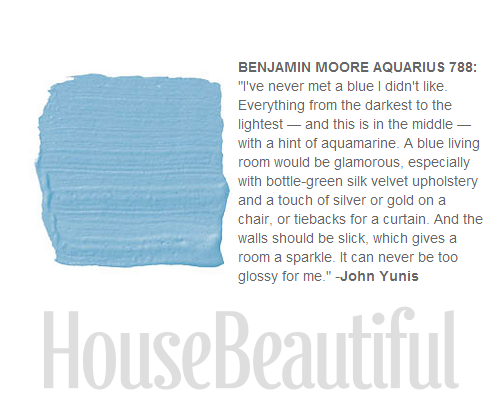
Swedish winters are long, dark and dreary, so historically Swedes have always turned to lighter interiors. Swedish style isn’t all about the gray and the white interiors they are famous for, but many homes feature brighter, richer colors to decorate around.
There are so many shades and tones of paint, that it can be impossible to decide on one color. Buy sample-size colors to help you make the perfect selection. A color can look quite different at night than the day. We recently painted the outside of our home, and the color which looked to be a creamy yellow at night, turned green in the day. Be sure to try your selected colors on a few different walls to determine what suits which room. You’ll thank yourself for making this extra effort before spending $$$ on the wrong shade.
Don’t judge the room until the paint is in place, and accessories and furniture are placed. A color which may seem to bright can be toned down by wall accessories, coordinating drapes, and art work. Consider working with the off shades of the primary colors. Intead of purple, consider lilac, or a raspberry tint.
Consider whether you are a warm or cool person. I once was asked this by a hairdresser, looking to choose a shade of blonde. I never gave it much thought before, but knowing which color you lean towards can certainly make picking colors a lot easier. Earthy reds, dusty warm plums, and rusty golds are in the warm color range. Silver blues, mint, and lavenders are colors which are cooler.
Advice From Pros
“Design is not just what it looks like and feels like. Design is how it works” Steve Jobs
“Green pigment was expensive in the 18th century, making it a status symbol. So it would have been appropriate for the royal governor’s house. I’ve been a curator at Colonial Williamsburg for 20 years, and when my husband and I lived in a historic house, we had similar green woodwork. It worked with every fabric I wanted to use, and it’s a great mood enhancer—chlorophyll for the spirit!” —Liza Gusler
“People think that they need to use small furniture and light colors to make a small room look big, but that’s not the case at all. Dark colors and just a few pieces of large-scale furniture, with the appropriate lighting and accessories, can give a room a larger, more luxurious feel.” —Mona Hajj
“Everything else in my house is off-white and grey, and I just had to have a break from that. I was looking at my pond, which is this murky shade of acid green, and I thought, ‘I’ll do that in high gloss to make it even more watery and translucent.’ It’s strange, but I love it.” —Stephen Sills
“Luxury must be comfortable, otherwise it is not luxury.” – Coco Chanel
“While looking at one of my first New York apartments, David Hicks told me diplomatically,’Dear boy, if you’re going to paint the walls white, you need art.'” Peter Dunham
“The only time white curtain lining should be used is with white curtains- J Randall Powers
“Use the precious for everyday purposes. We’ll rummage through clients closets and find loads of precious hand-me-downs like porcelain vases and crystal that are a bit out of vogue. We’ll use them for completely ordinary purposes – a case becomes a chic pencil holder, a crystal bowl holds makeup brushes. Turn the ordinary into a special moment” Benjamin Dhong
“I learned that passion about objects and furnishings makes for fearless decorators—and that if you are comfortable in your home, everyone else will be too. That sense of authenticity is what gives a home its soul.”- Courtnay Daniels Haden
“The most elegant interiors are just slightly tatty.” – David Netto
“Playing it safe. Instead, put a large-scale printed fabric or wallpaper on the walls and even the ceiling. It’s easier, safer, and less expensive to be dramatic in a small space. You might get tired of a bold print in the main living area, but it can make a smaller, less-used room an exciting space to spend time.” —Victoria Neale
The Gentle Palette of Swedish Antiques-Corey Amaro
Guest Post By Corey Amaro, Tongue In Cheek Blog
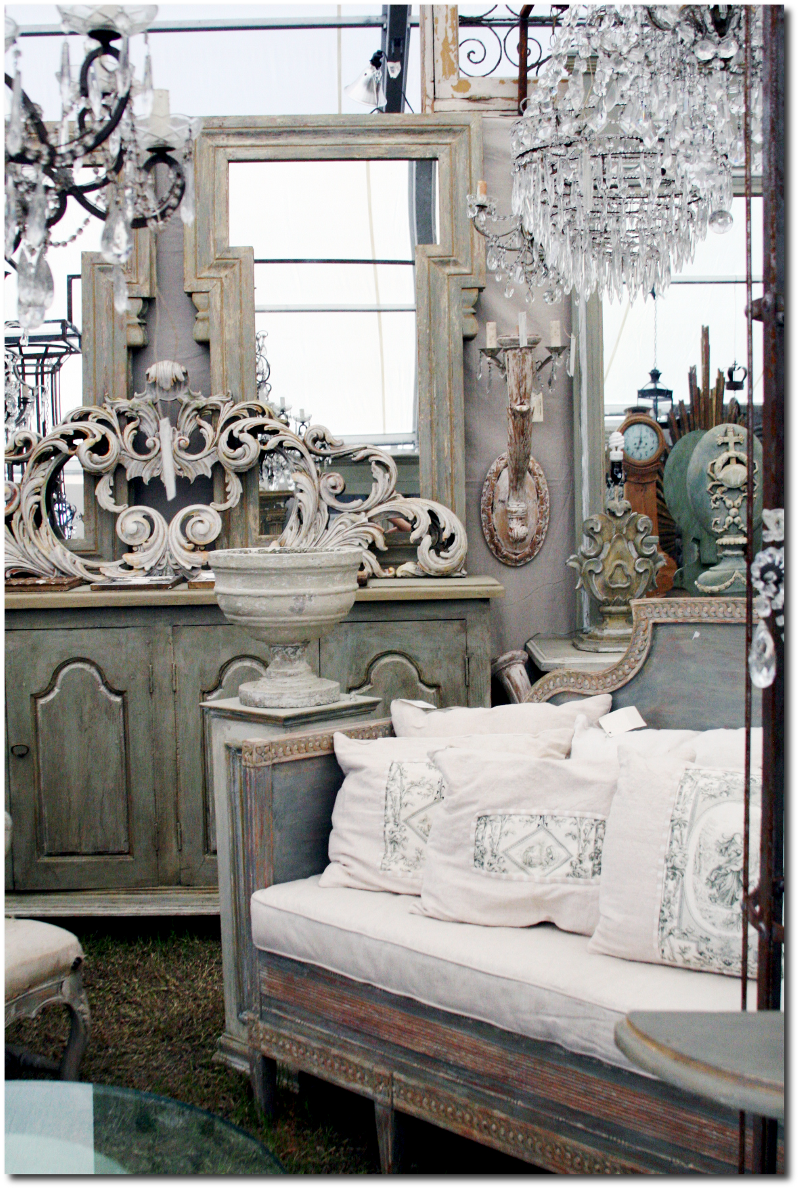
Crystal chandeliers sparkle like stars above A. Tyner’s Swedish antiques booth in Marburger.
The Antique fair in Roundtop, Texas is a sight to behold even if you don’t like antiques. The amount of foreign antiques, museum like quality, history that you can touch, feel and soak in is literally mind boggling. The dealers are knowledgeable, passionate about their business and share their wealth of history freely.
Most of the items I cannot afford. But that does not stop me from going in, asking a million and one questions. Antique dealers love to talk shop… how lucky I am to gain from their wealth of experience and to stand amongst such beauty. What amazing craftsman and women walked before us, leaving such elements of a life once lived with grace and elegance, a worthy path to follow.
A Tyner Antiques are one of the largest importers of Swedish antiques in America. They have been in the antique business for over fifteen years. Their stand in Marburger is an incredible wealth of beauty. Painted furniture is something I adore, so stumbling into their booth felt like I had fallen into an eighteen century Swedish home finding myself happily at home.
When I dared pick myself up and back into reality, I asked if I could take a photo, I found myself happily engaged in a most interesting conversation about Swedish antiques and their antique business. Thank you Angie and Rex for your allowing me to peek into your world.
French eighteen and nineteen century printed and embroidery silk panels. (picture below)
Due to the storm last night some of the tents leaked, worse, had water running through them. Some rugs, fabric, and upholstered items were soaked.
Though most things were protected, the dealers were fretfully worried that their pieces might be ruined.
Interiors with Provenance specializes in antiques from around the world, including antique oriental carpets, textiles, furniture, decorative accessories, and fine art from purveyors, Deborah Gott and Ken March. Their booth is right behind Lynn’s so I often peek inside.
Their collection of printed linen, silks, tapestries is worthy of a trip, they have something for every pocket book and are the kindest folk to talk to.
Usually these globe de mariage (Napolean the III with a glass dome and a painted black wooded base) contained a bride’s wedding wreath and other marriage tokens surrounded by gold leaf styled symbols. Fete de Fleur describes it best…
Though the globes (glass domes) also were used to guard other souvenirs: Flowers, birds, butterflies and religious artifacts.
I think I might have to have a couple of those globe de mariage … as big as a house please to store my souvenirs of Marburger!
About The Author:
Corey Amaro, author of Tongue In Cheek Blog, and Tongue In Cheek Antiques– has been living in France for twenty five years, and fell in love with France while meeting her husband, who was a Frenchman, while dancing in San Francisco. Now, with two children in their twenties, she has time to spill about her favorite hobbies and thoughts on her blog.
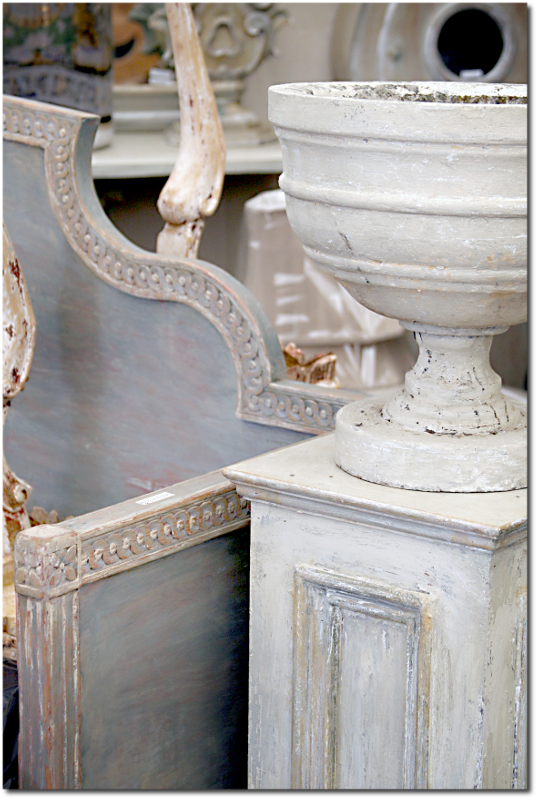

Custom Reproduction Swedish Furniture From Garbo Interiors
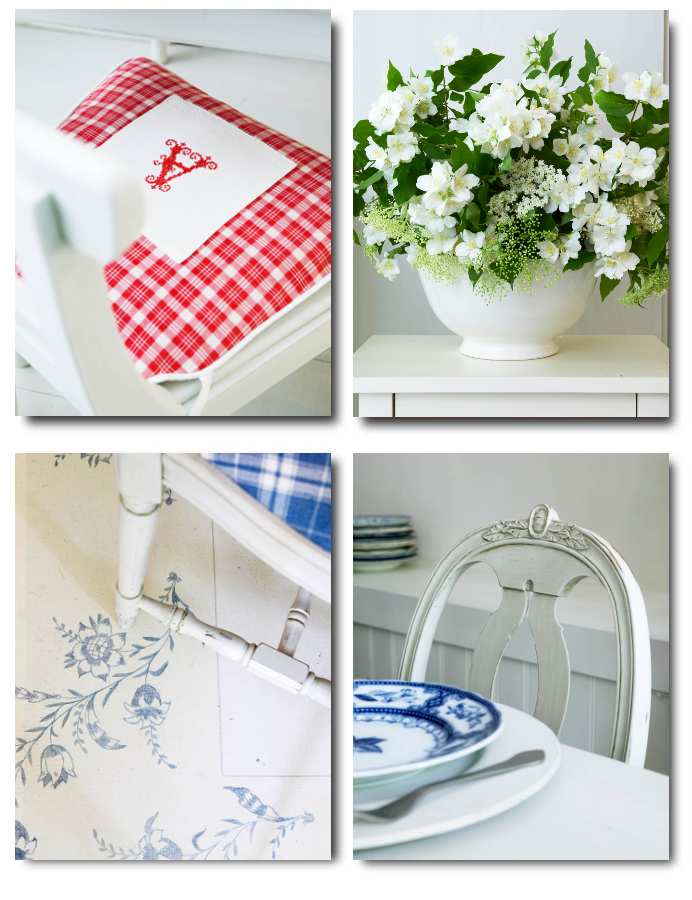
Garbo Interiors was founded by Anneli Ullman and Barbro Sahlin. After training in design and decor, both in Sweden and abroad, the two decided to start the furniture shop Carin and Carl in central Stockholm in 2002. New opportunities opened up in 2007, where a large hotel in Stockholm needed redecorating, which resulted in Carin and Carl’s closing.
Since then, the concept of Carin, and Carl has grown, with greater perspective and new ideas, and is now – Garbo Brahegatan 21. At Garbo, you will find Swedish-made custom reproductions of Gustavian furniture. They carry genuine antiques, vintage furniture and accessories.
Garbo can help you choose colors, textiles, furniture and accessories. Let them design your room on your behalf! They manufacture furniture, with the right fittings, and work closely with the carpentry and craftsman as painters, tilers and dressmakers.
Please contact them below:
Besöksadress
Garbo Interiors
Brahegatan 21
114 37 Stockholm
Barbro Sahlin, Mobil: 073-338 56 08
Anneli Witasp Ullman, Mobil: 070-331 30 79




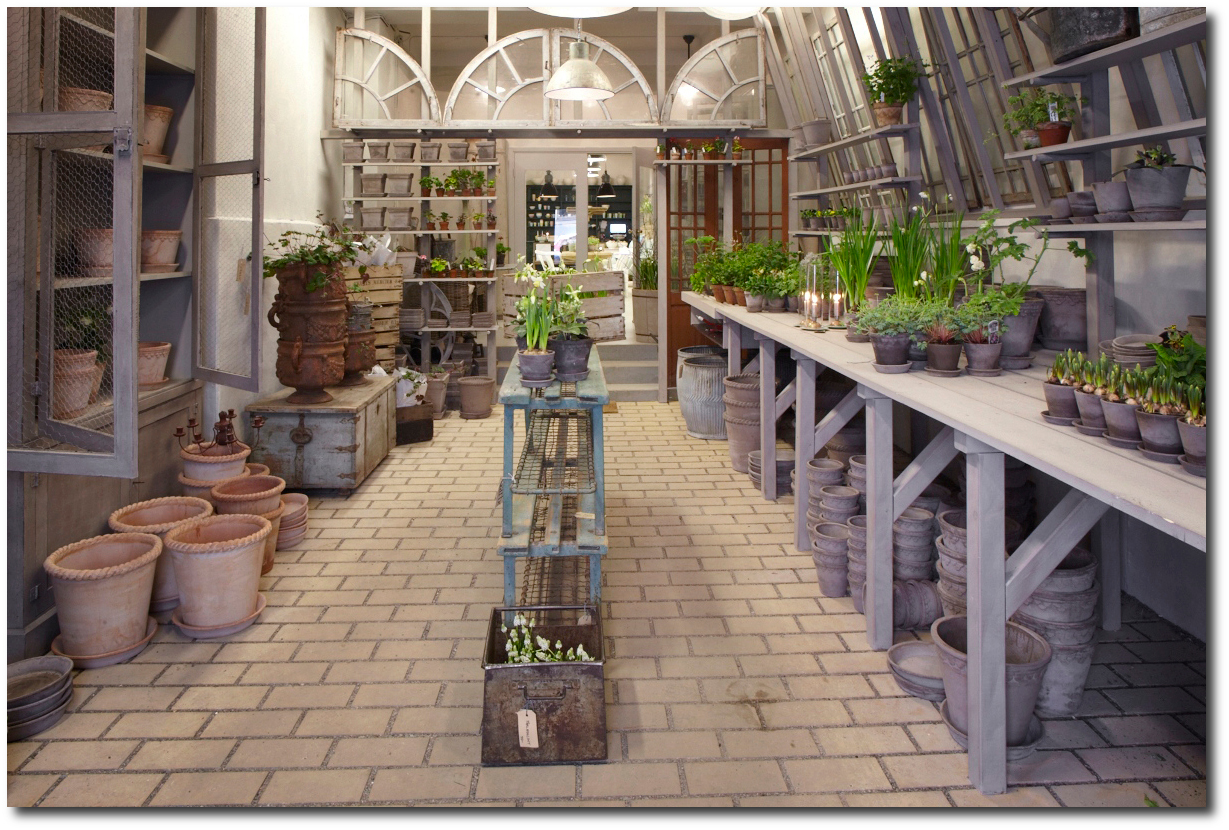

30 Spectacular Picks From Frantz Hemeleers Antiques
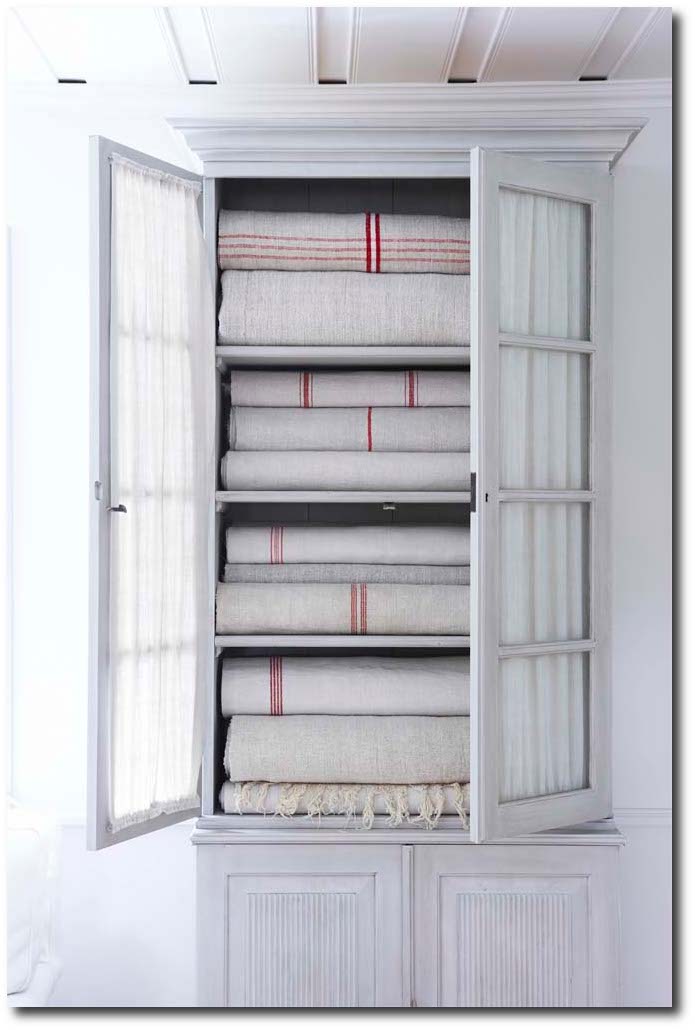
In 1975, Frantz Hemeleers opened a small shop in Etterbeek (Brussels), and over time, it has been known as the place to get quality antiques. Gradually over time, the business acquired more substantial antiques of higher quality, such as polished wood, and marquetry. Today the company features antiques which have been brought in from France, England, Spain, and Sweden. They are known to carry stock consisting of furniture and objects from French, English, Swedish and Belgian from the 17th, 18th, 19th and 20th century.
To ensure the best quality antiques for your home, their furniture passes through the hands of the carpenter before being offered to customers. Besides a wide selection of furniture such as desks, bookcases, tables, chairs, sofas, cabinets, and consoles, Frantz Hemeleers offers a range of paintings, lamps, chandeliers, bronzes, mirrors, and silverware.
Visit this shop in person at the address below, or find them online at Frantz Hemeleers
Frantz Hemeleers Antiques
Avenue des Casernes 61
1040 Bruxelles
Tél. 02.640.29.16
Fax. 02.640.83.21
Email. info@frantzhemeleers.com
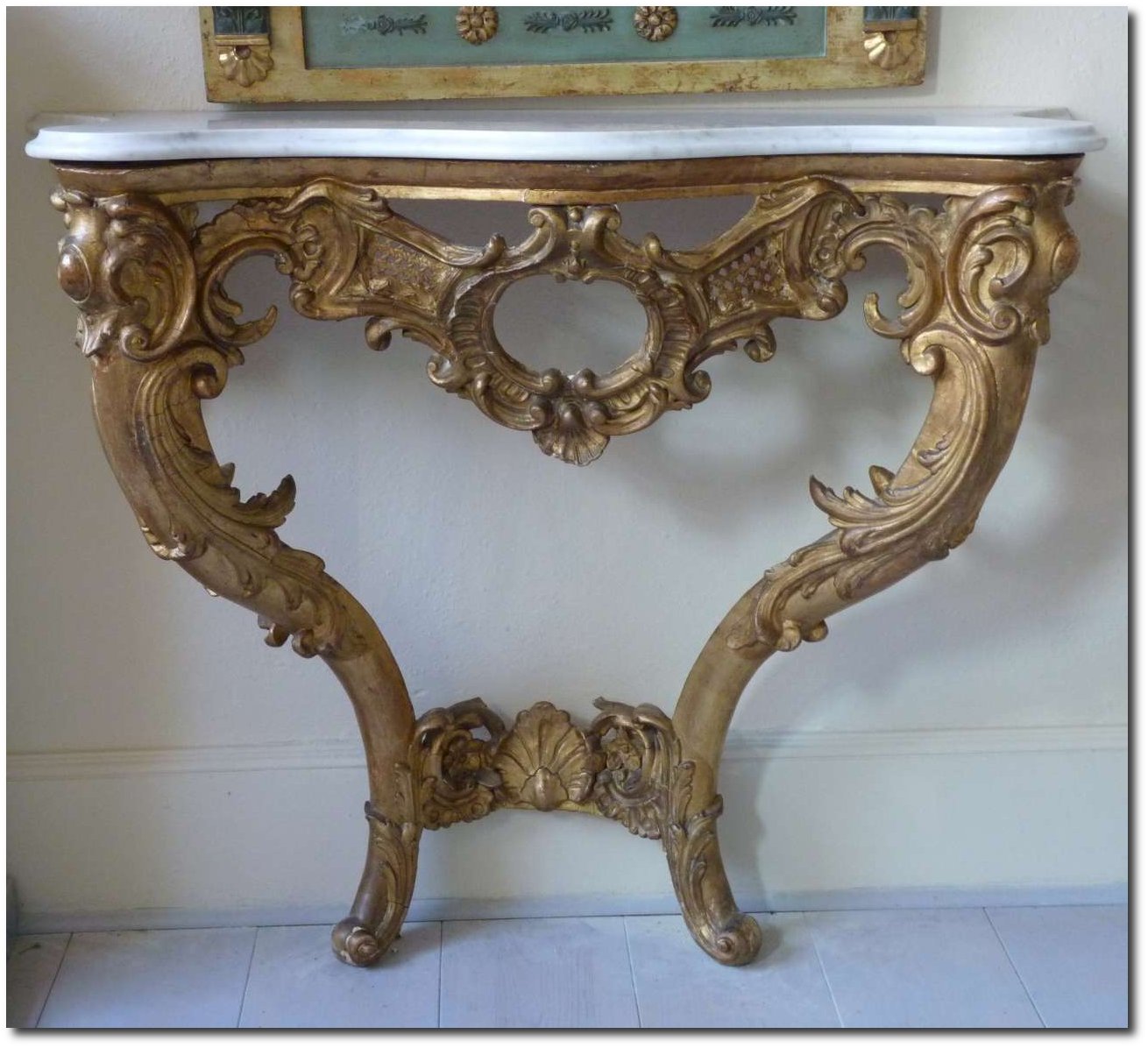
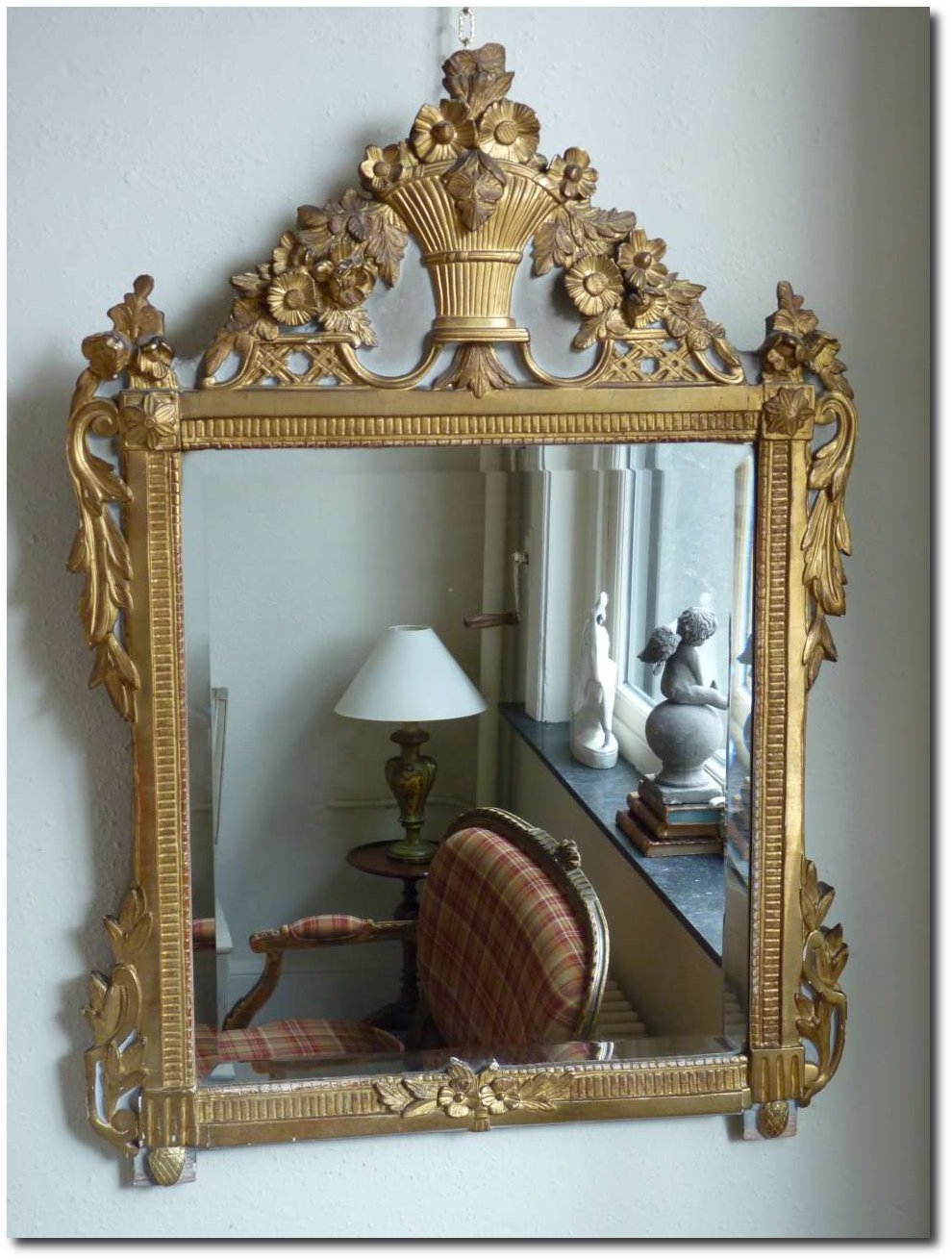
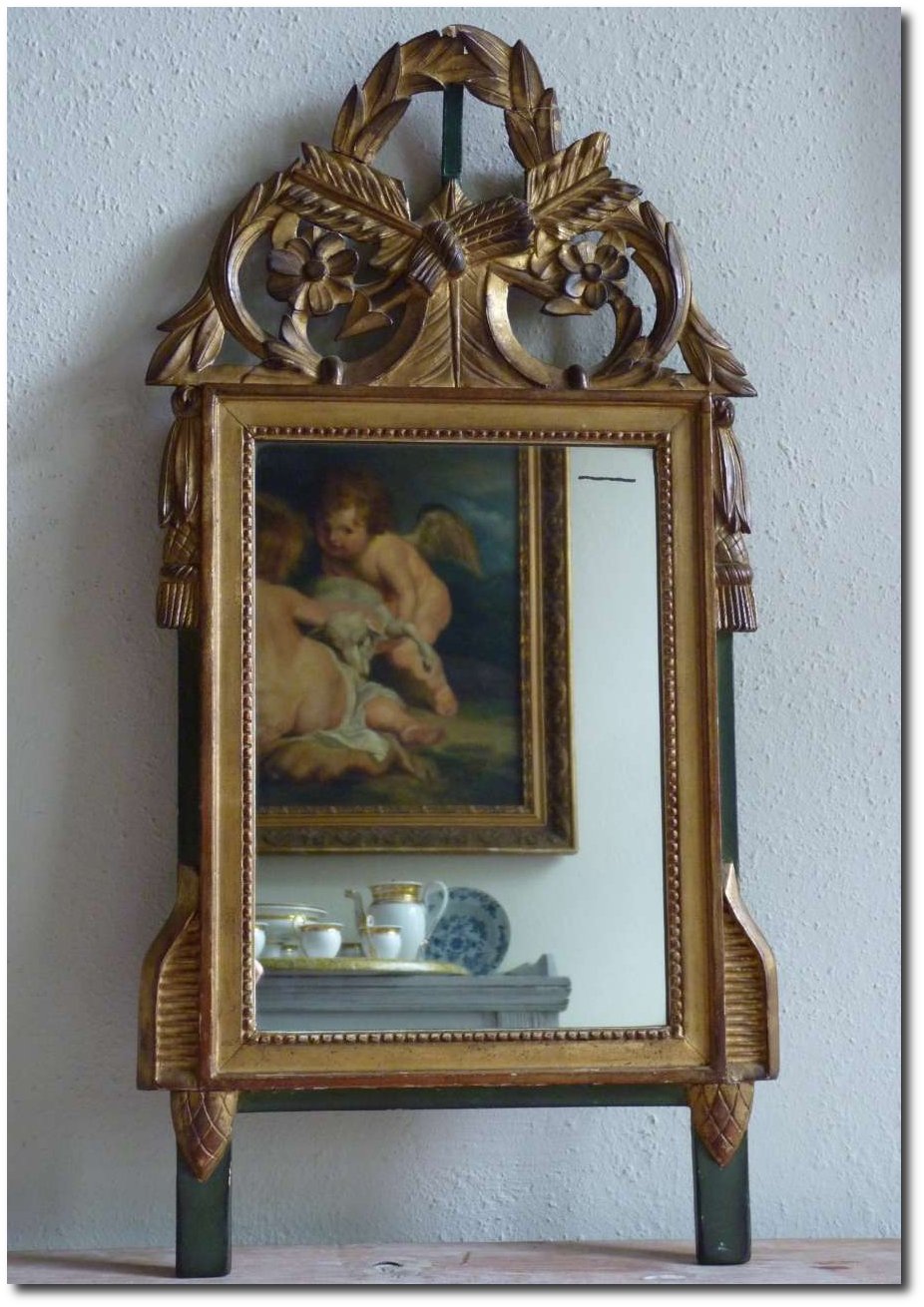
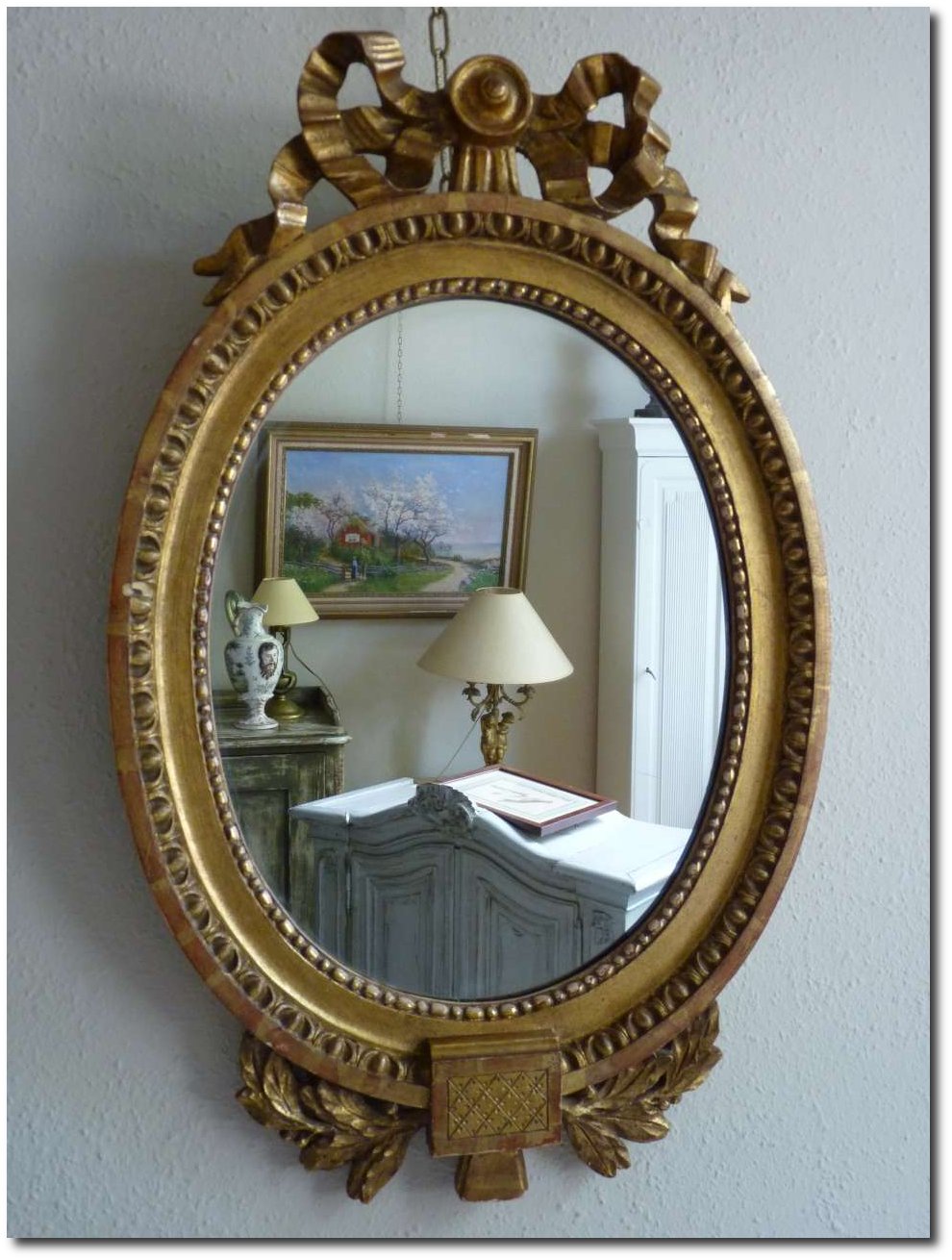
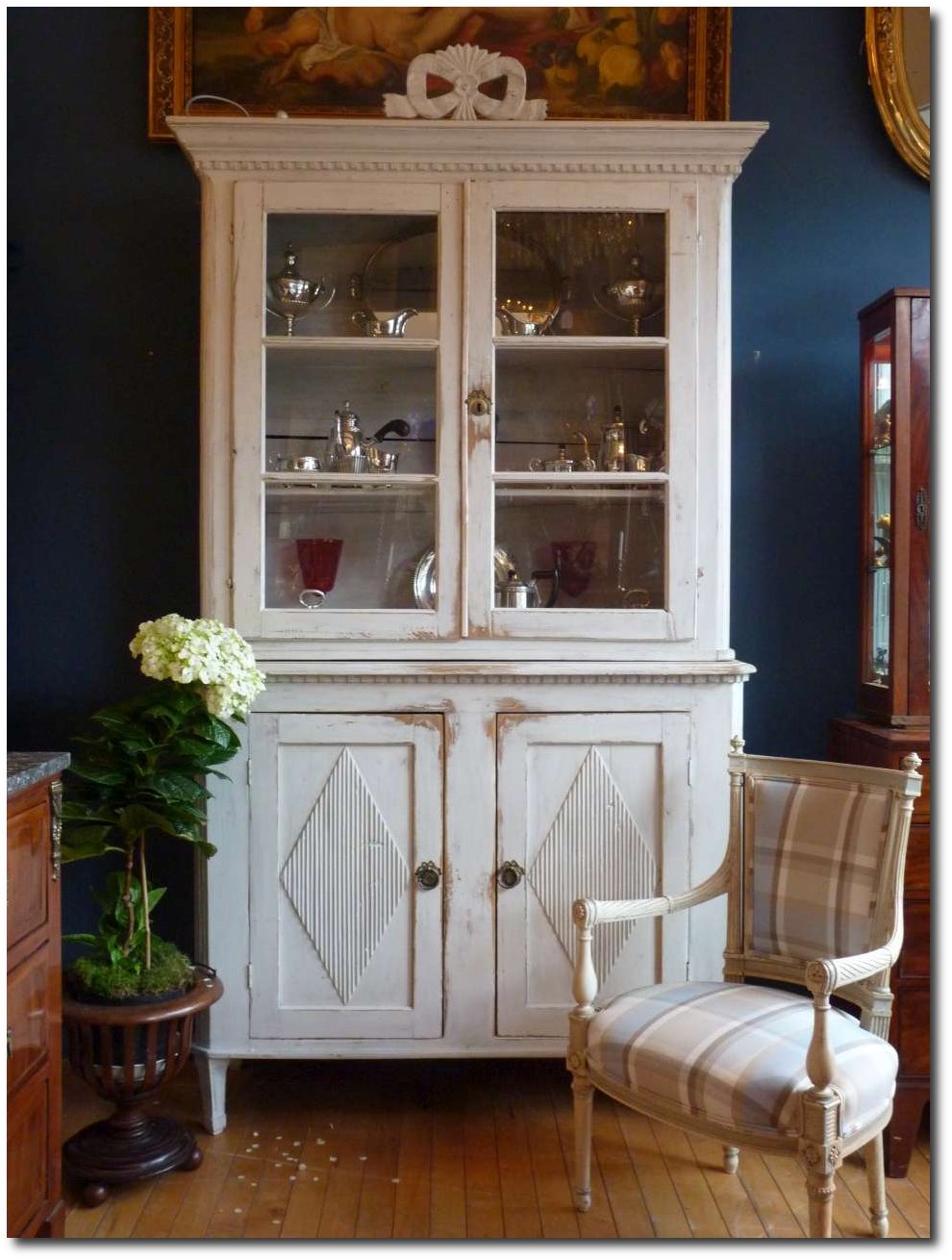
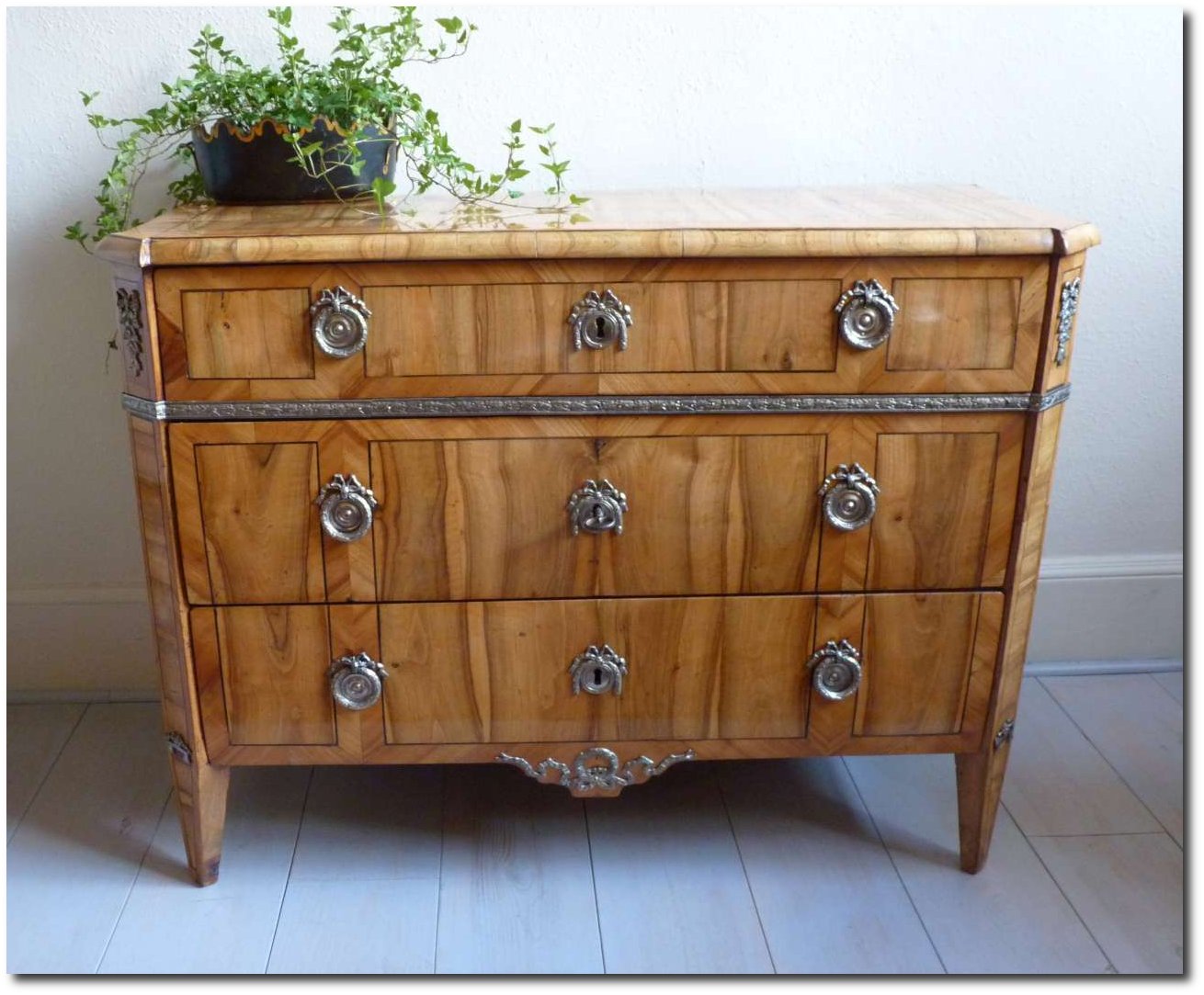
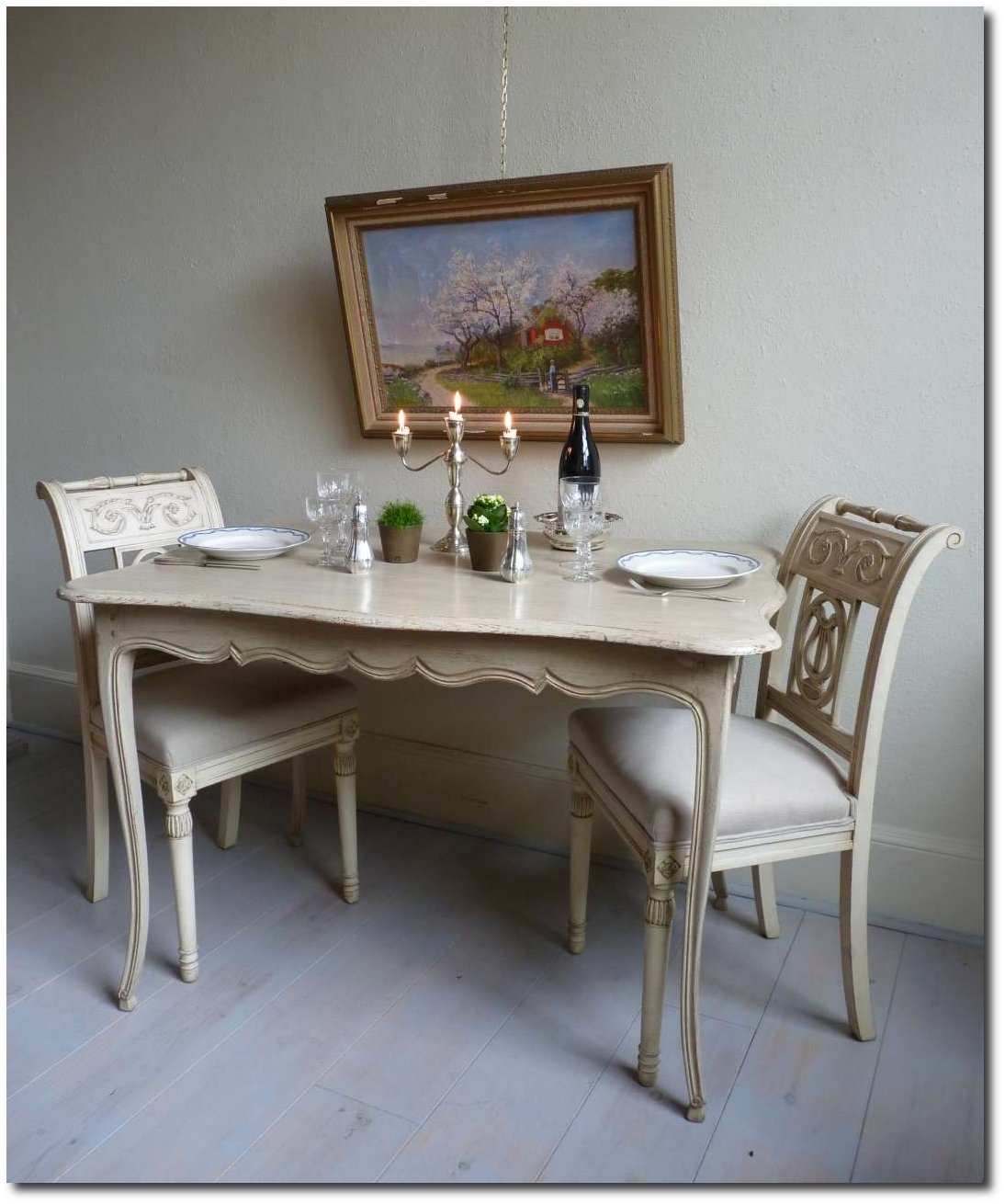
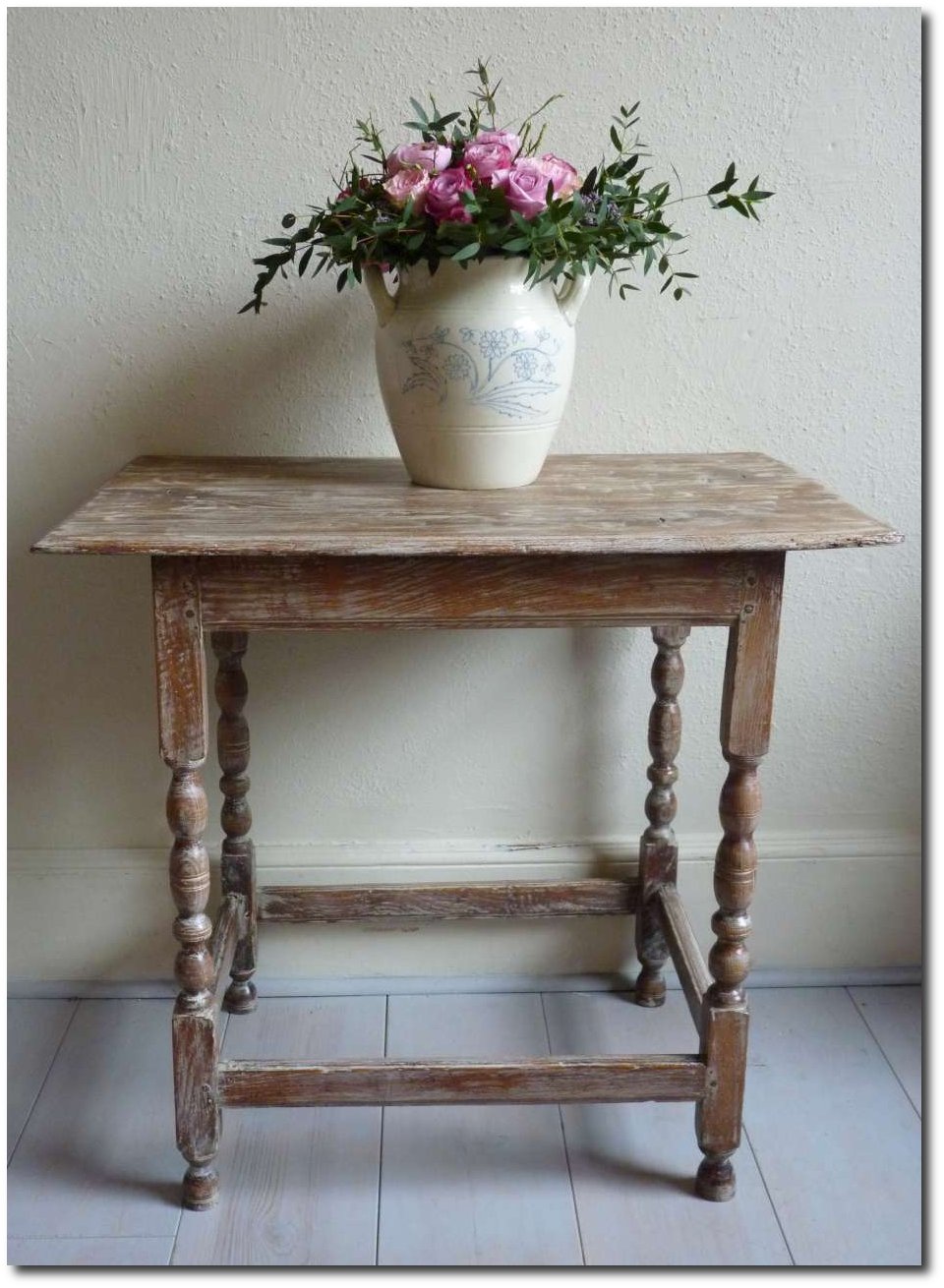
- All Furniture Pictures Found At Frantz Hemeleers Antiques