
The Most Beautiful Rococo Library In The World:The Anna Amalia Library
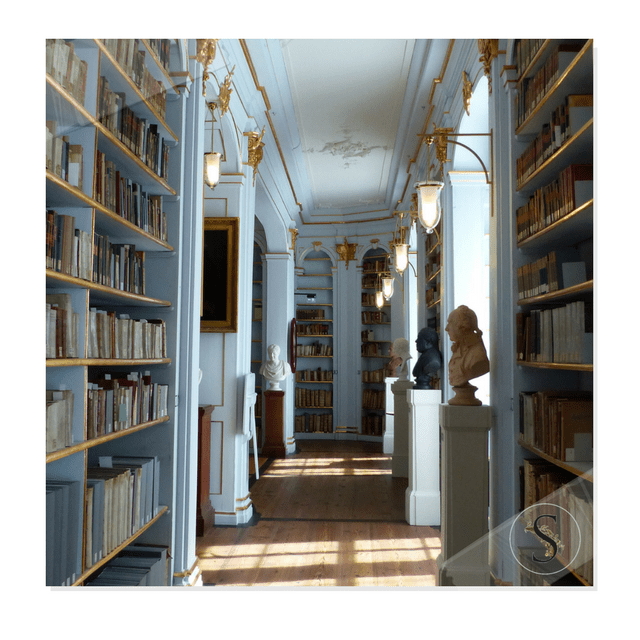
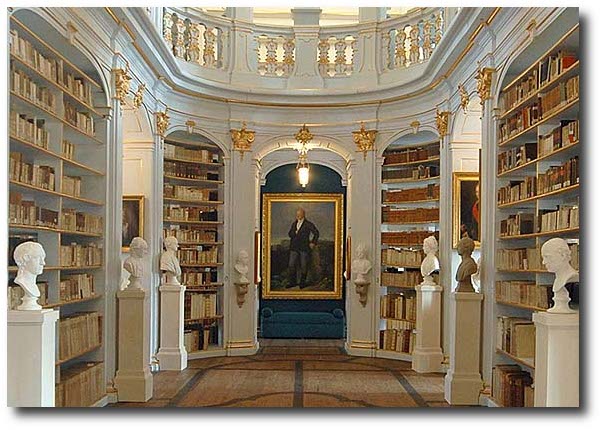
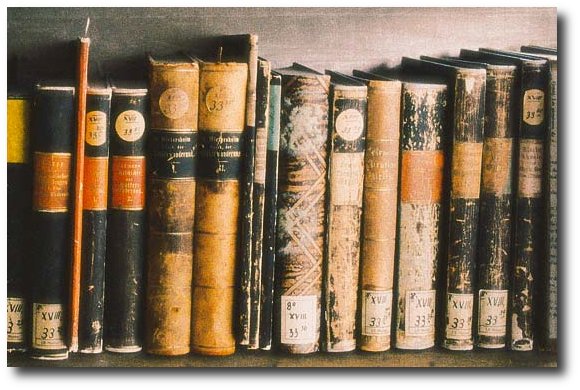
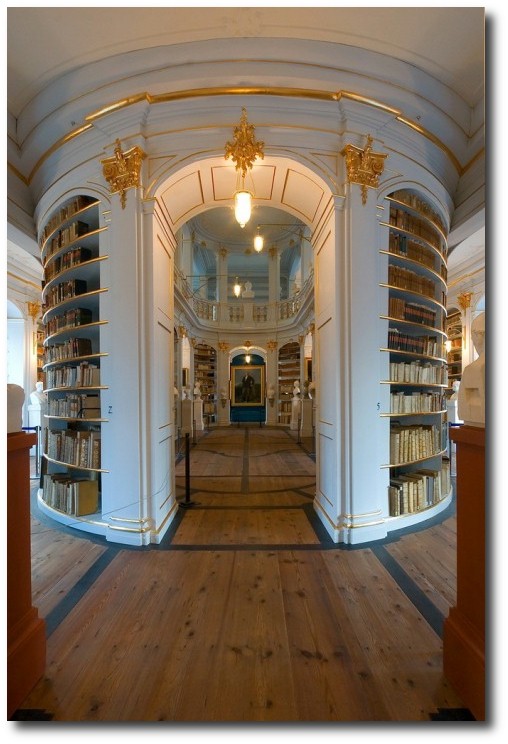
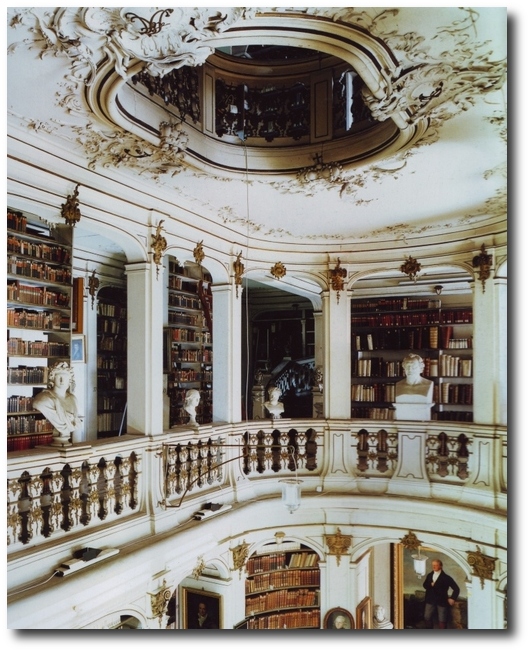
The Duchess Anna Amalia Library located in Weimar, Thuringia, Germany, is world famous for its oval Rococo architecture. The library one of the most breathtaking examples of Rococo design. The Rococo library houses a major collection of German literature and historical documents. The Duchess Anna Amalia Library is named for Anna Amalia, Duchess of Saxe-Weimar-Eisenach, who arranged in 1766 for the courtly book collection to be moved into the library.
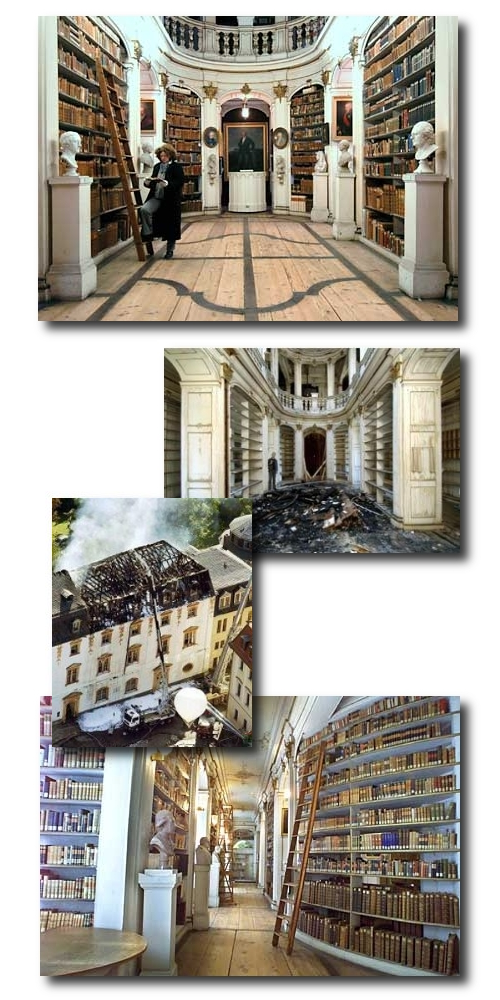
In the picture above, a photographer takes a picture of the in the middle of the room with a view of the front door. Three weeks after Candida Höfer had made their shots, a fire caught in the library, and burned about one million volumes. 50,000 volumes were saved, but many were irreplaceable, and of the 62,000 volumes that were damaged by fire or water, at least 36,000 were restored. Even though, a substantial amount of books were lost in the fire, there has been no loss of interest in the library.
The sad part of the account was the library was scheduled for the overdue renovation when an electrical fire struck the library in September, 2004, JUST weeks before the collection was to be moved for the renovation.
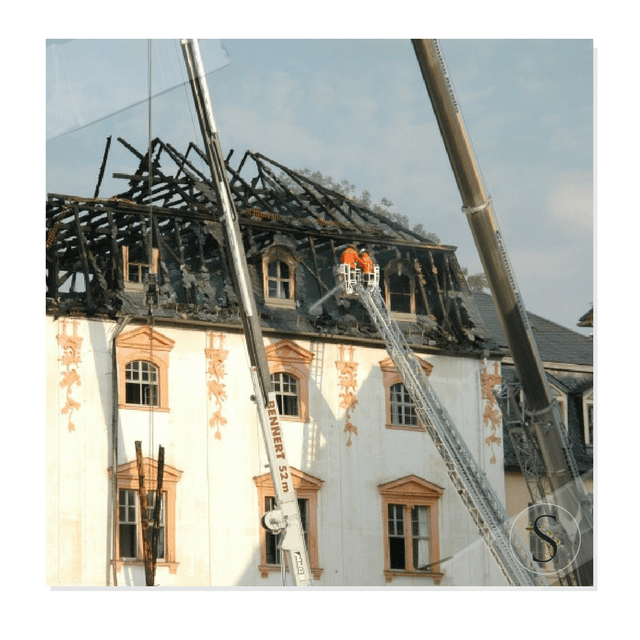
Thousands of precious books which had been preserved for two centuries, were destroyed by fire by a damaged electrical cable. The interest in preserving the library drew in almost 14 million dollars for the restoration and repurchasing of the books.
Check out this bm-online.de, link for some of the pictures of the restoration. The library was reopened in December 2007.
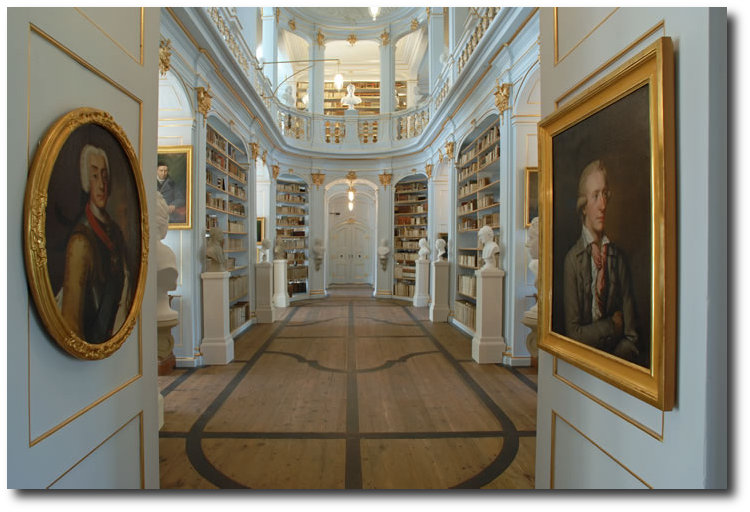
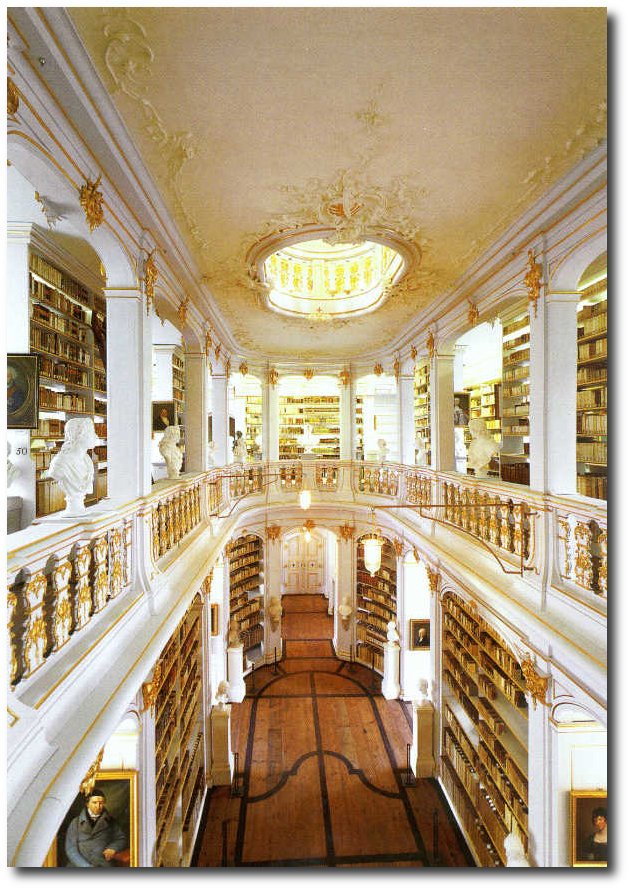
The Rococo hall continues to be one of the most beautiful libraries in the world. The hall has a narrow floor plan and an astounding ceiling height which leads the eye upward. The reading room is a lofty gilded gallery with busts of poets, paintings and bookcases set against white and blue walls. A light parquet floor and minimal furnishings create a dramatic contrast to the Rococo Hall which can be seen through the oval opening in the ceiling.
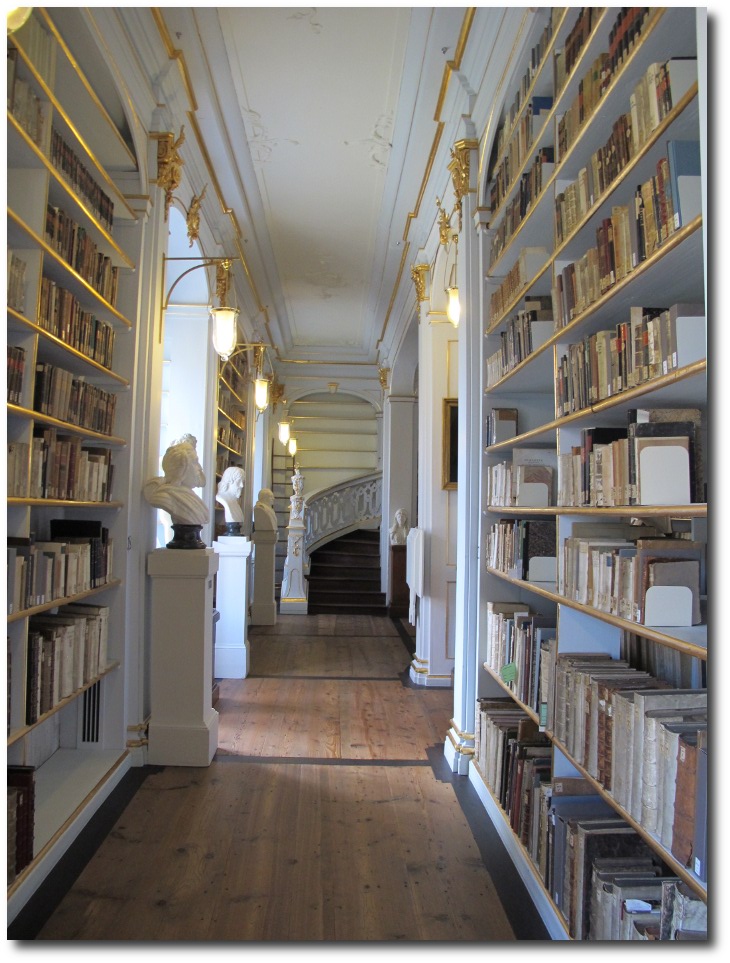
In The Most Beautiful Libraries in the World, writer Jacques Bosser provides a vivid description of the library’s interior: “The heart of the building was open, thus creating a vast central room for reading and preservation. It was surmounted by a sizable gallery replete with bookshelves. Encircling the hall, between
it and the castle, is a wide corridor with bookshelves on both sides. Its late-Rococo décor is sober, simple, charming, and functional. The floor is a parquet decorated in dark slats shaped like a carpet. Everywhere are paintings, framed drawings, and white marble busts of the celebrated visitors to this site, which had long been renowned through-out Europe” (Laubier and Bosser, 2003, p. 54).
See additional photos at Baulinks Website, Epoch Times
- holidaycheck.de
- Candida Höfer
- commons.wikimedia.org
- vebidoo.de
- gaab-weimar.de
- kastl.de
- germany.travel



A Museum Recreates The Look Of Century Old Swedish Interiors With Historic Costumes
Picture Credit- Skansen.se
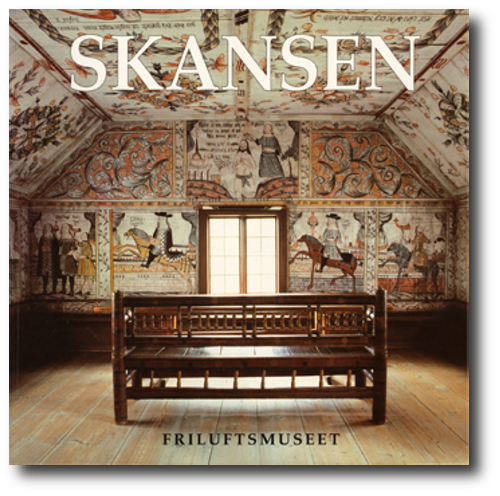
Skansen: Traditional Swedish Style – New And Used Options from $42
Founded in 1891 by Artur Hazelius, Skansen was the first open-air museum in the world; its aim to show how people lived and worked in the past in the different regions of Sweden. Hazelius was a teacher and researcher in Nordic languages who felt that traditional ways of life were disappearing with the onset of industrialization.
He started to collect an extensive collection of objects, which he put together in the form of tableau-type interiors, in a building in Drottningattan in the middle of Stockholm. Gradually, however, he wanted to show whole houses, furnished with traditional objects, furnishings and works of art, inhabited by people in historic costume, and through Skansen this idea became a reality.
Published in association with the Skansen Foundation, this beautiful book is illustrated throughout in colour. It describes not only the museum and its buildings, but also presents a microcosm of Swedish life, culture, art and architecture. The natural landscape of the museum setting is used to enhance the regional variations in Swedish art and architecture, with buildings from the southern part of Sweden being located in the southern-most part of the museum and so on.
Each chapter is devoted to a particular region represented by the museum: northern, middle and southern Sweden, as well as a typical Swedish town quarter. The buildings described here vary in date from the Vastveit storehouse, which was built in the fourteenth century, to the Skane farmstead which was finished in the 1920s. Stylistically, the range of buildings displayed at the museum is enormous: we move through time and style from the summer pasture farm, or Faboden, with its essentially medieval form of wooden construction, through the classical elegance of buildings like the late-eighteenth century Skogaholm Manor, or the impressive malm house built for the merchant Charles Tottie, to functional timber frame of the early twentieth-century Assembly Hall from Varmland. The informative, but accessible, text has been written by Ralph Edenheim, who is a Swedish art historian, and Head of the Department of Cultural History at Skansen. 128 pages.
Below are pictures of Swedish Interiors are those taken from photographer Photographer Joanna Holmgren found in two publications Skansen: Traditional Swedish Style , Swedish Folk Art: All Tradition Is Change
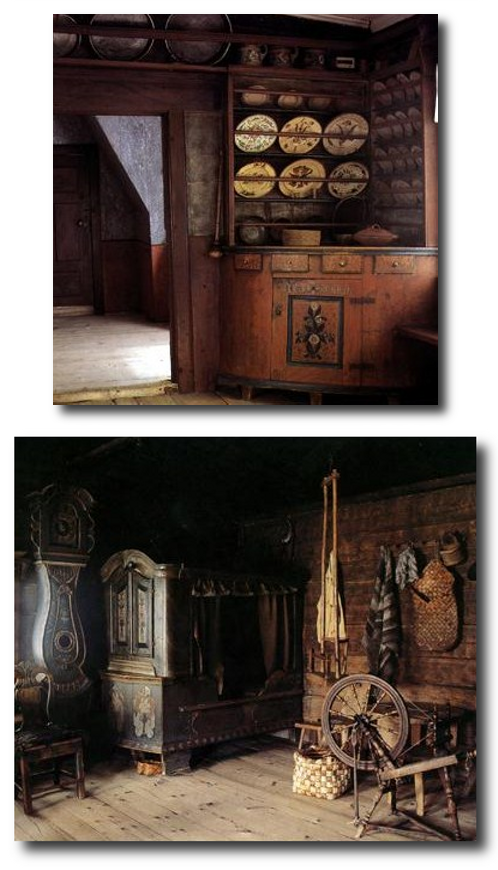
Swedish Interiors – Photographed By Photographer Joanna Holmgren
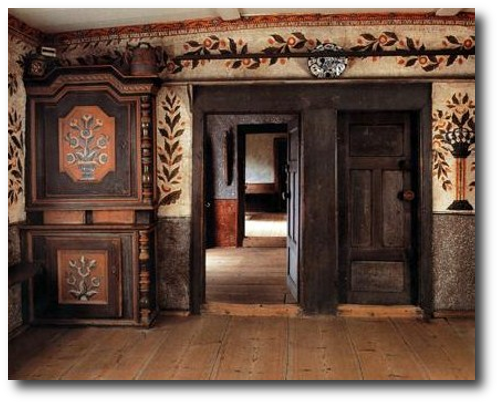
Swedish Interiors – Photographed By Photographer Joanna Holmgren
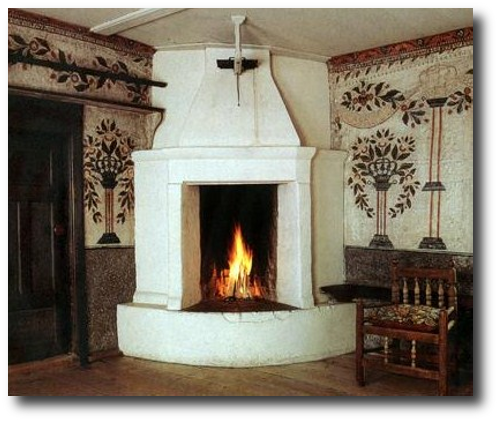
Swedish Interiors – Photographed By Photographer Joanna Holmgren

Sweden’s Manor Houses
Krapperup Castle Built in 1570 over the ruins of a 13th century stronghold; near Molle, Sweden From Larry Myhre’s Photstream
This Article “Inside Sweden’s Manor Houses” Published Nov/Dec-2002 By Dan Hofstadter in Departures
In a small rural province called Scania, three country estates define classic Swedish style.
It never occurred to me when I was living in Sweden, in the 1970s, that “Swedish style”—in furniture, interiors, and fabrics—might one day become popular in America. Swedish design, like Swedish humor, has a certain restraint, a quiet wit, that I would have thought lost on outsiders.
Yet classic Swedish design—and I don’t mean the 1950s masterpieces of Gunnar Asplund and Carl Malmsten or the Ikea explosion of the ’90s, but the checked-fabric side chairs and spindle-backed settees of 250 years ago—is experiencing a great deal of international attention these days. Shops showcasing Swedish antiques have recently opened in London, Paris, and New York, and decorating magazines seem obsessed with Swedish furnishings. The most obvious explanation is that 18th- and early-19th-century Swedish furniture, in its spareness and rectilinearity, fits in quite well with modern furniture; but there’s certainly more to it than that.
There is, I think, a real similarity between 18th-century Swedish and contemporary American taste, a psychological affinity that transcends history and geography and owes much, I would argue, to the ancestral Protestant craving for paring down, for simplicity. Many of America’s foremost furniture creators, from the Shakers through Gustave Stickley and the Eameses, have stressed economy, availability, and clean, well-defined lines. As it happens, these are also typical features of the Swedish interior.
Classic Swedish design reaches its apogee in the royal palaces and aristocratic country houses of Sweden. As late as the 17th and 18th centuries, Sweden was a very poor country whose noble families were often hard-pressed to maintain even the barest semblance of elegance. Many of the landed gentry were really glorified farmers who kept a sharp eye on expenses and shunned ostentation as wasteful and irreligious. Yet these families also wanted to enhance their status, and as they enlarged and improved their arable acreage, as revenues expanded and their tastes grew more refined, they began to remodel and embellish their houses. Toward the late 18th century, a style of design appeared that was simple enough to be affordable and also fashionable enough to give tone to a country seat. This was the Neoclassical style, and its chief exponent was King Gustav III, who ruled from 1771 to 1792. Because he offered so much patronage to builders and designers, he, in effect, created a revolution in taste.
High-strung and aloof, reserving his deepest affection for the theater, Gustav wrote full-length dramas of his own, shocked the court by performing onstage, and built himself a superb little theater in Gripsholm Castle, near Stockholm; some of his courtiers complained he was confusing statecraft with stagecraft. Having made a trip to Paris as crown prince, he was also keenly interested in Neoclassical art and design; in 1883 he traveled to Italy, where he visited Pompeii, Herculaneum, and Paestum. From France and Italy Gustav brought back drawings, paintings, statues, models, and a highly trained painter-architect named Louis Jean Desprez. The so-called Gustavian Style, still greatly admired by art-conscious Swedes, is in fact the Swedish naturalization of what we call the Louis Seize Style.
Gustav commissioned many grand interiors for royal palaces in the Stockholm area, but his subjects couldn’t follow his example to the letter. Too expensive for most of the Swedish nobility, his preferences were translated into a simpler, more provincial visual syntax. What emerged was the intimate, companionable, and at times rather countrified look of Swedish style.
Read More of This Article “Inside Sweden’s Manor Houses” Published Nov/Dec-2002 By Dan Hofstadter in Departures
- Wrams Gunnarstorp Castle From ZTaxi On Flicker
- Övedskloster Hakan Dahlstrbm’s Photostream
- Krageholm Sweden Built 1720

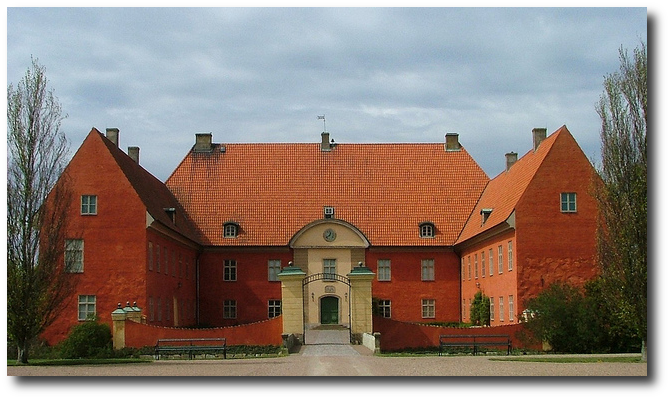
Krapperup Castle Built in 1570 over the ruins of a 13th century stronghold; near Molle, Sweden From Larry Myhre’s Photstream

Krageholm Sweden Built 1720
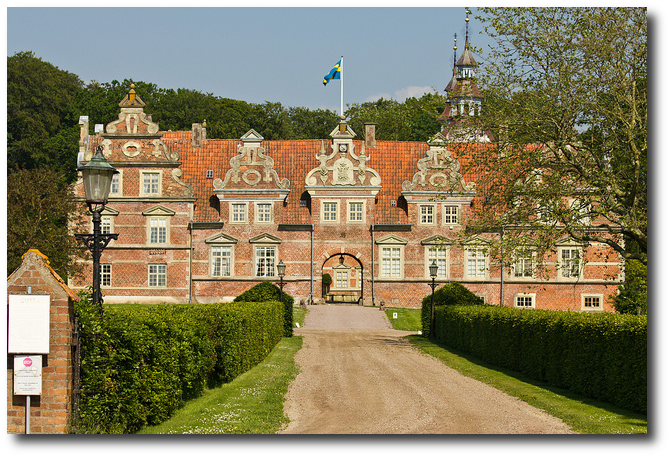
Wrams Gunnarstorp Castle From ZTaxi On Flicker
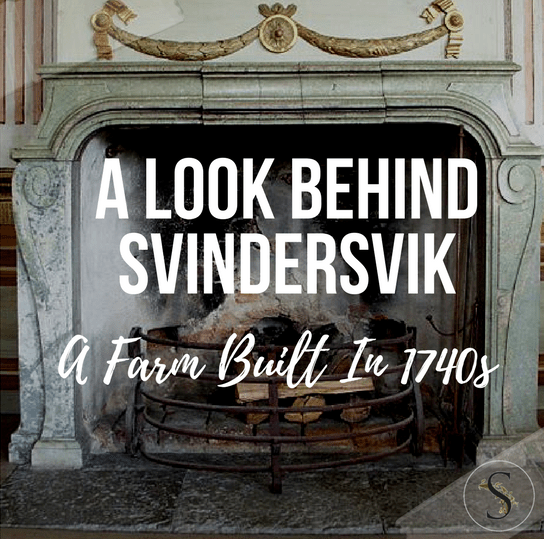
A Look Behind Svindersvik, A Farm Built In 1740s
Svindersvik is a well-preserved summer residence from the mid-1700s. Svindersvik is located at Swine Flinders Bay south shore in Nacka , designed by architect Carl Harleman for merchant Claes Grill.
The farm was built in the 1740s as a summer residence for the merchant Claes Grill and his family. Carl Harleman managed to combine a mansion and a cottage in the same building. He had been inspired by French rococo,but adapted it to Swedish conditions.
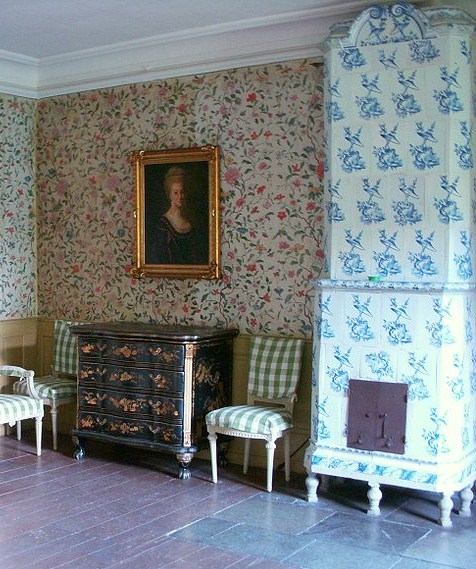
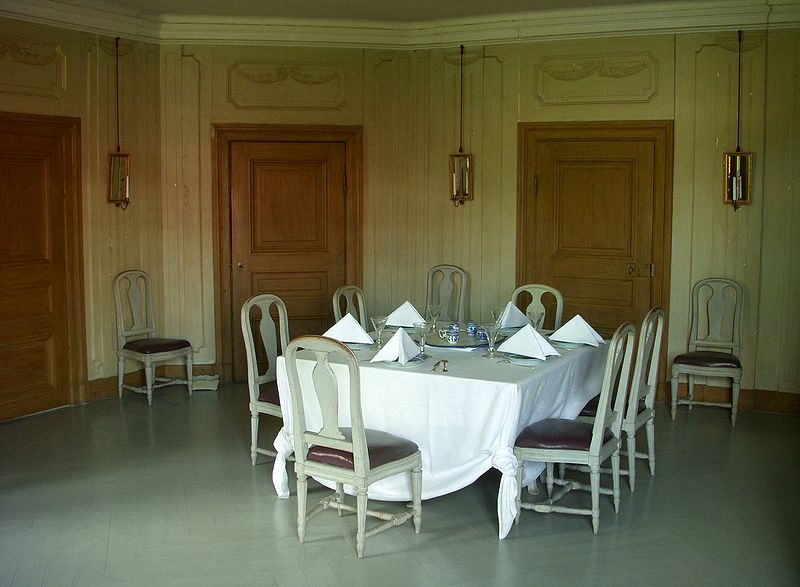
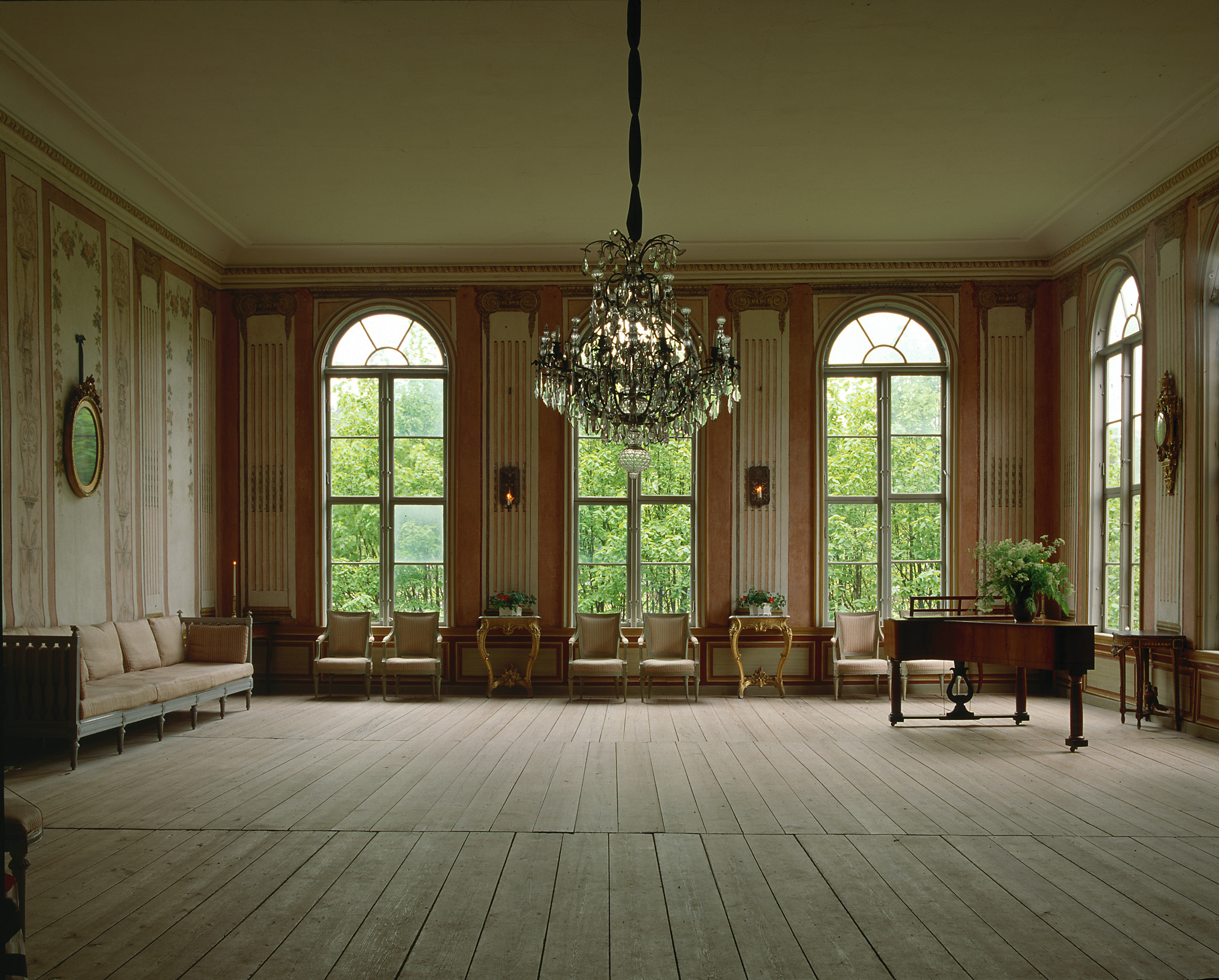
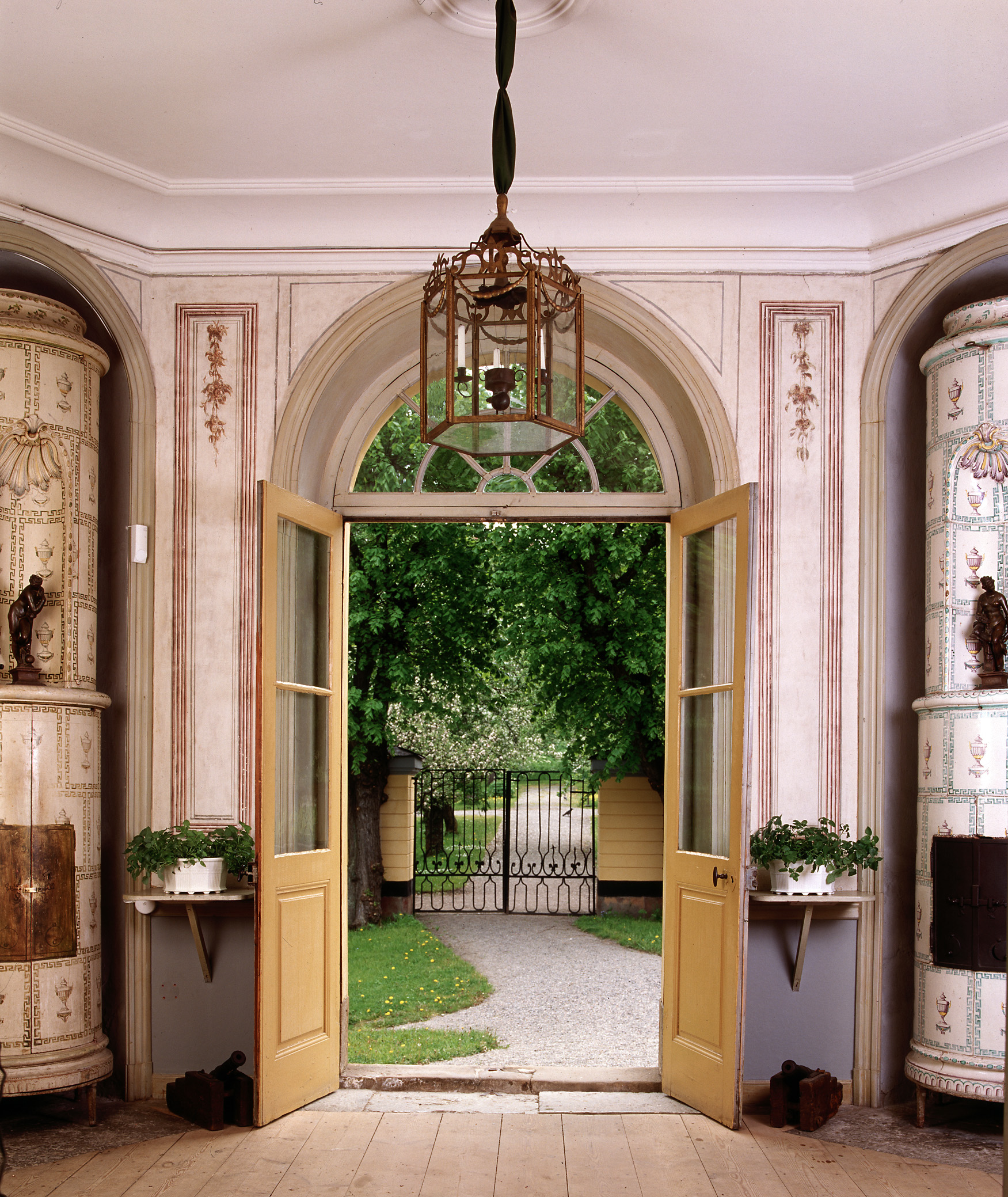
Svindersvik consists of a small main building on two floors. The building is strictly symmetrical form given, with a central axis through the entrance, dining room and balcony. To the left of this central axis is a big place, the right two smaller rooms, including one bedroom. The rooms are tiled and silk upholstered seating. The ground floor is a hallway with an oval ceiling opening through which the daylight from the top floor looking down. The upper floor dominates a large billiard room with pool table from the 1700s, which is well preserved.
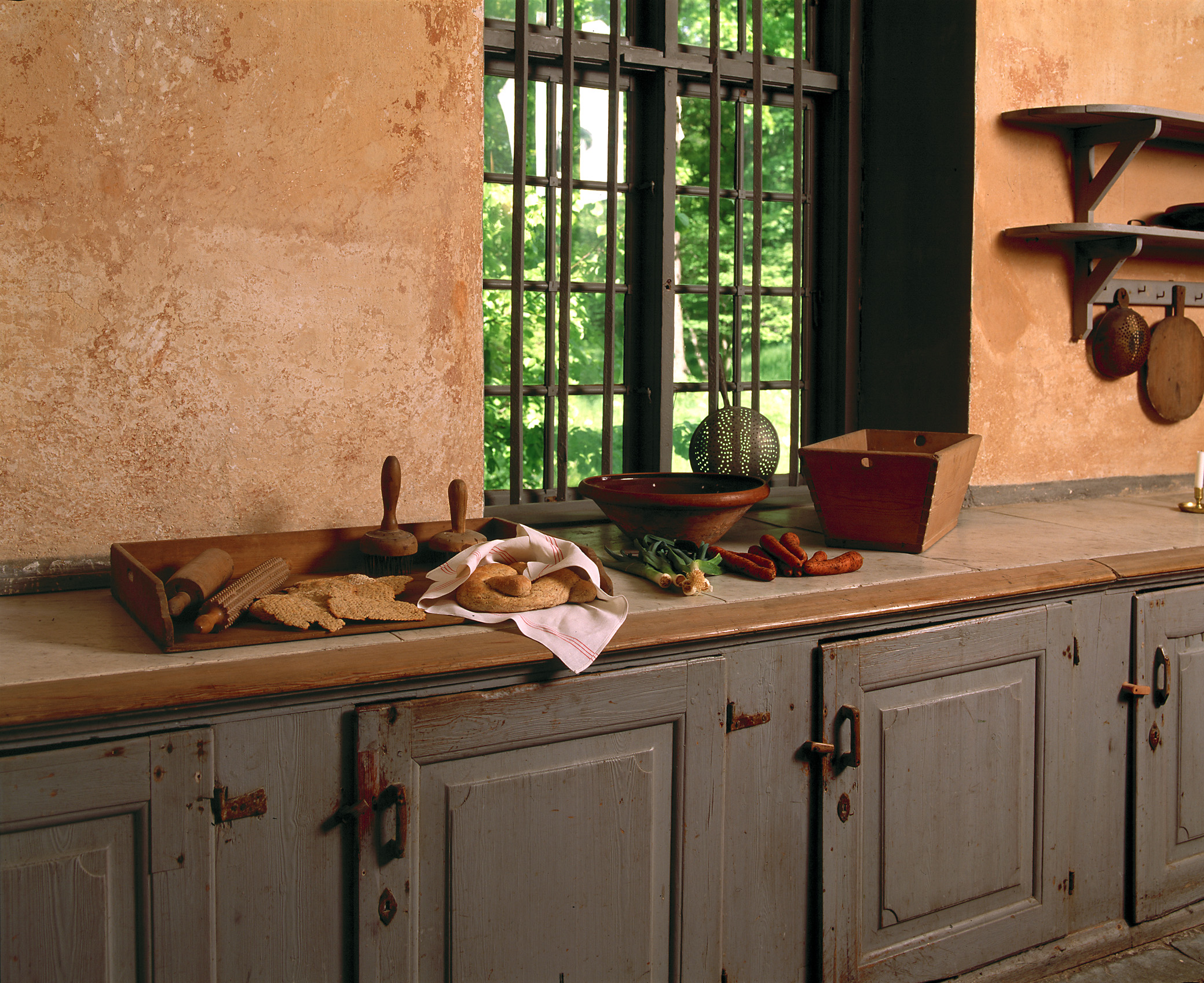
Besides the main house is the kitchen wing, which is slightly younger than the main building. The kitchen wing is on an older foundation, probably from the 1500s. The kitchen was for the time very modern, with built-in cabinets, marble countertops and sink.
Most of the furniture in Svindersvik has stood there since the late 1700s. After the Grill family, the property had several different owners, until Knut Almgren , founder of KA Almgren Silk Weaving Mill, acquired the property in 1863. Svindersvik stayed in Almgren’s possession until 1949 when the Nordic Museum took over. Information and Pictures From Wikipedia, and Nordiska Museet
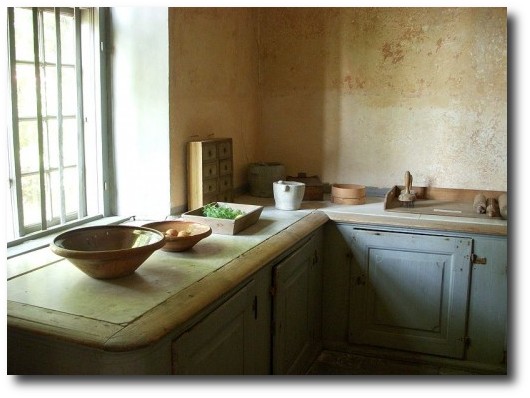
Check out the primitive wall shelves in the kitchen of Svindersvik . The corners are rounded, and pots and kitchen utensils hang below. If you like this look, consider the rack built by Shaker furniture. They have adapted our Shaker Peg Shelf for use as a hanging quilt rack. Although it is designed for quilts, it can be used to hang utensils, or pots from like the picture above.
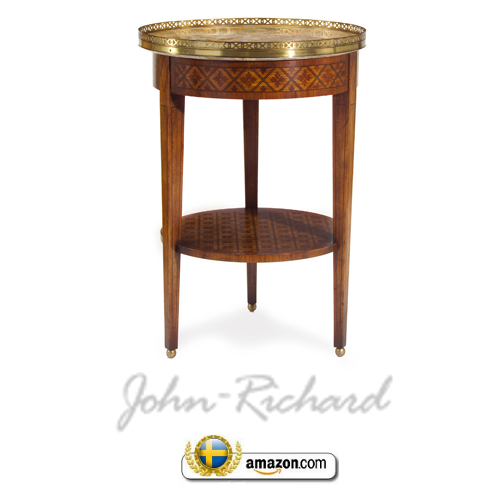
If you are looking for more of a genuine French Louis XVI antique like the table in Svindersvik, look at John Richard’s table in marquetry. This table features the tapered table legs, and a marquetry finish applied by experts. The top has brass details which make this table shine like the jewel it is.
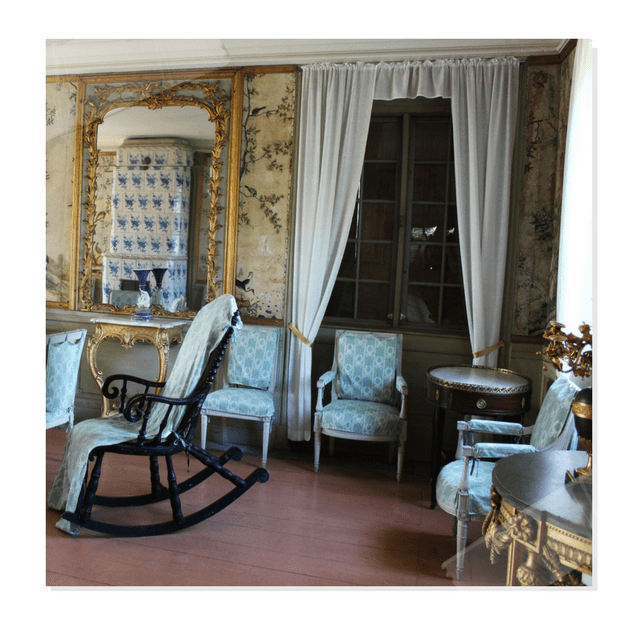
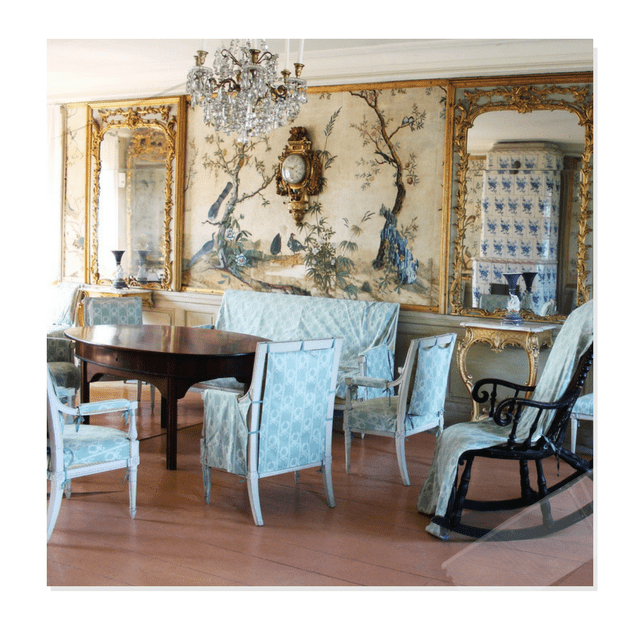
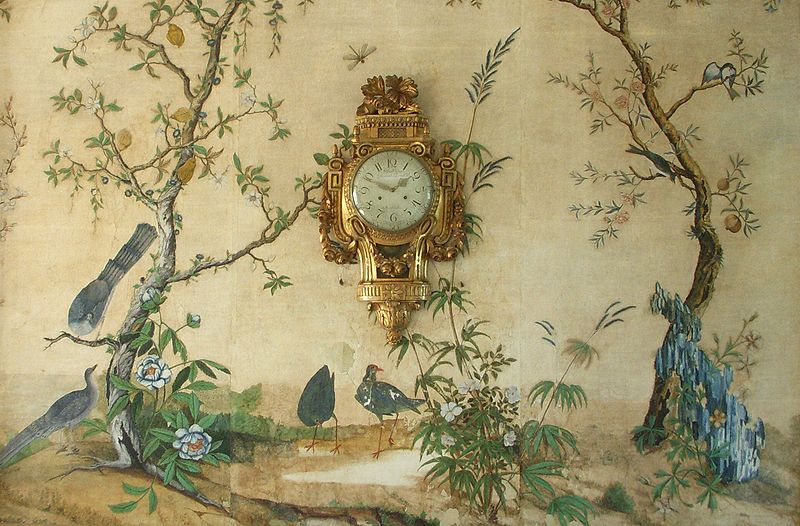
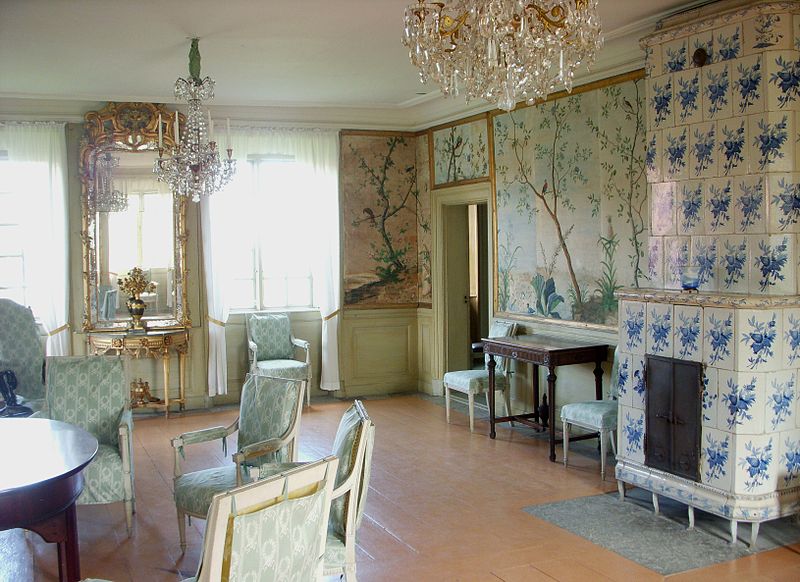
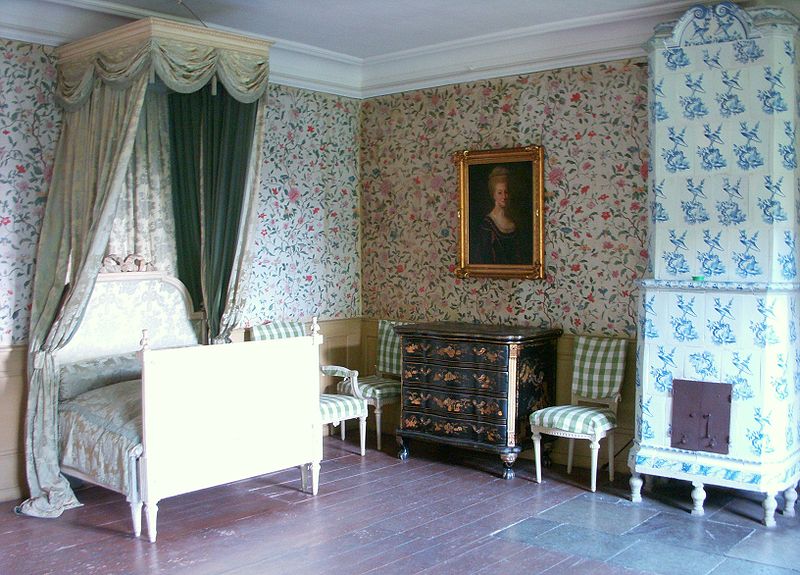


Swedish Gustavian Furniture 18th Century Swedish Decorating
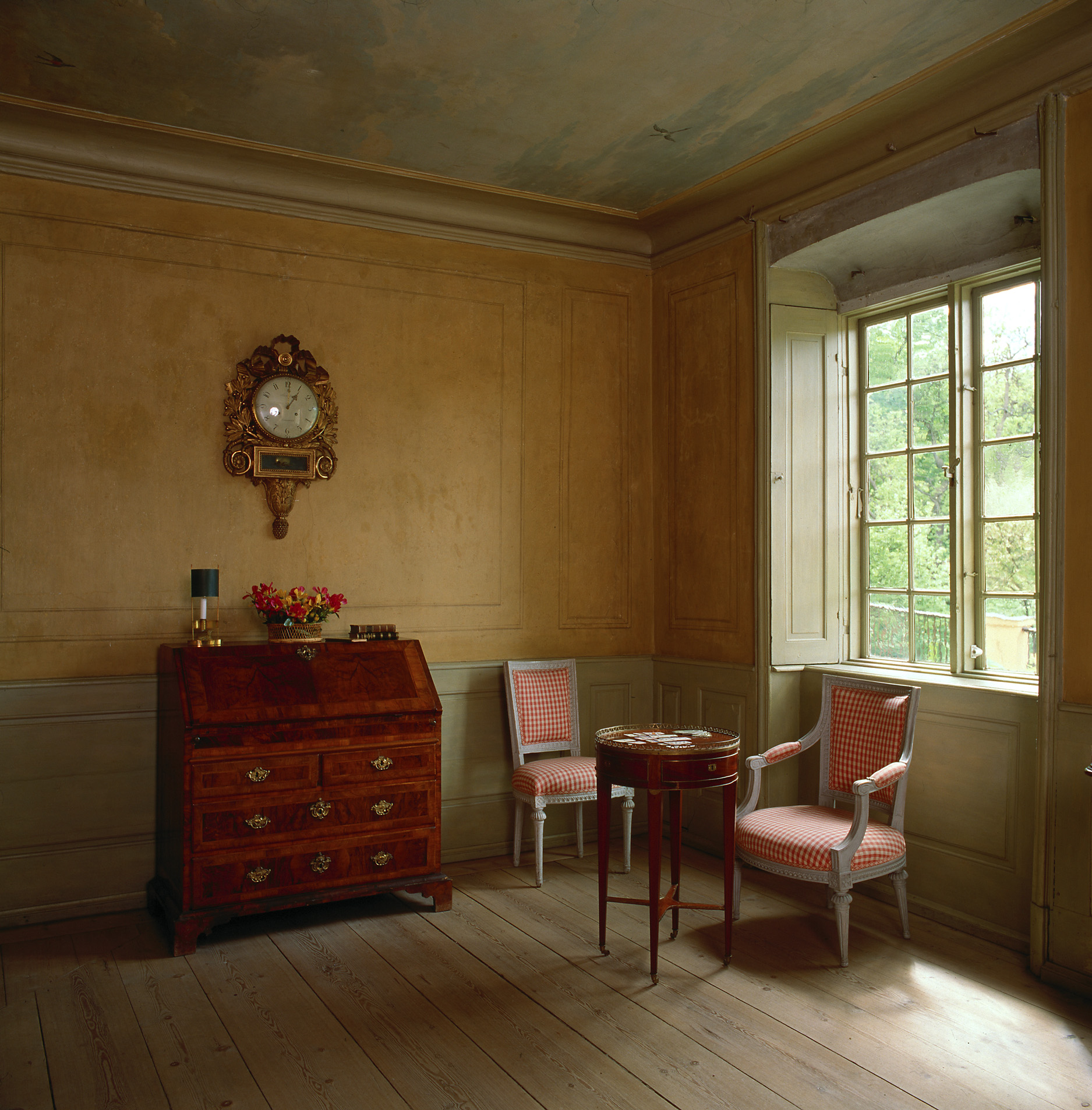


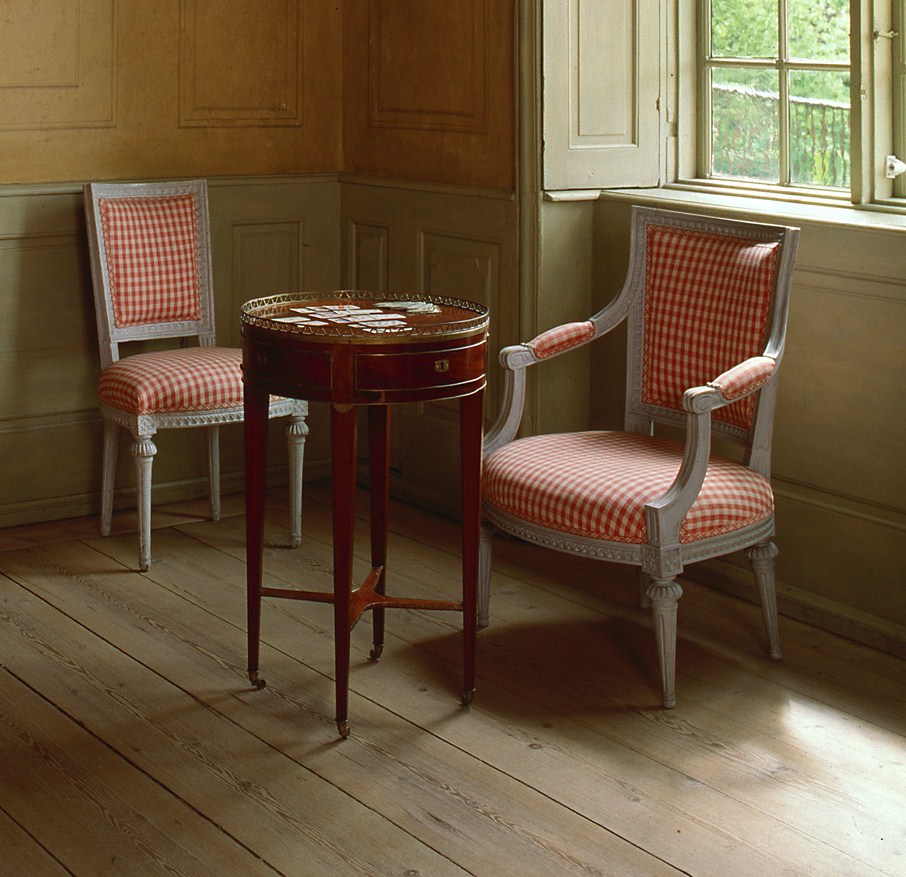
A CLOSE UP LOOK OF THIS Gustavian Setting- Swedish Gustavian Furniture 18th Century Swedish Decorating
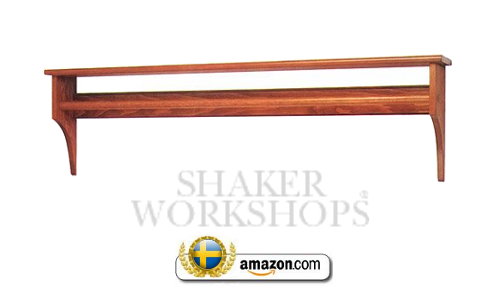
Primitive Rack With Dowel Kit