
Swedish Council Of America Articles
DECORATIVE ARTS
- Antikhuset (Spring 91)
- Falu rödfärg (red paint) (Winter 89)
- Ferdinand Boberg (Summer 97)
- FibreWall (Spring 90)
- Gärdsgård: The Swedish Longfence (Spring 96)
- Kakelugn: Heating the Swedish Way (Summer 89)
- Loran Nordgren’s Swedish-Style Home (Autumn-Winter 98)
- Pergo Flooring (Winter 97)
- Rejmyre Lamps (Autumn 90)
- Sweden Sends Its Best (Autumn 87)
- Swedish Craft and Design in the 20th Century (Autumn 88)
- Swedish Culture in the 1980s (Autumn 88)
FOLK ART
- All Tradition is Change (Summer 95)
- Lindsborg’s Dala Horseman (Summer 87)
- Swedish Folk Art (Autumn 94)
- The Swedish Wooden Horse (Summer 93)
- When Moses Became a Swede (Spring 98)
FABRIC ARTS
- Folk and Provincial Costumes (Winter 91)
- Helena Hernmarck’s Tapestries (Autumn 92)
- Glimåkra Looms (Spring 89)
- Swedish Craft and Design in the 20th Century (Autumn 88)
MUSEUMS
- The Art of Preserving a Swedish Heritage (Autumn 97)
- National Museum: 200 Years of Art (Summer 92)
- Richard Oldenberg, Museum Director (Spring 94)
- Sweden Sends Its Best (Autumn 87)
- Uppsala’s Gustavianum Museum (Winter 99)
- The Vasa Comes Home (Spring 90)
WOODWORKING
- See also FOLK ART, above
- How to Build a Nyckelharpa (Summer 87)
- Jonsered Chain Saws (Summer 92)
- Swedish Boatbuilding in Yankee Maine (Spring 87)
- The Vasa Comes Home (Spring 90)
- Woodcarvers of Lindsborg, Kansas (Summer 92)
PAINTING AND DRAWING
- Albertus Pictor: Sweden’s First Great Painter (Autumn 93)
- America Discovers Anders Zorn (Winter 93)
- Carl Larsson and Sundborn (Autumn 91)
- Fred Somers, Swedish-American Artist (Spring 94)
- Gustaf Tenggren’s Golden Tales (Winter 87)
- John F. Carlson: American Landscapes (Spring 95)
- Jordi Arkö: A “Neo-Runic” Artist (Winter 95)
- Lindsborg and the Legacy of Birger Sandzén (Spring 93)
- Margareta Sjödin and Hanna Hellsten (Winter 94)
- Mona Starfelt: From Poems to Paints (Winter 93)
- National Museum: 200 Years of Art (Summer 92)
- Ray “Padre” Johnson (Autumn 92)
- Roger Tory Peterson (Spring 97)
- The Royal Artists of Sweden (Spring 94)
- Sweden Sends Its Best (Autumn 87)
- Swedish Culture in the 1980s (Autumn 88)
- Swedish Folk Art (Autumn 94)
- Ulla Wachtmeister’s Colorful World (Summer 94)
CRAFTS AND DECORATIVE ARTS (book reviews)
- The Book of Wheat Weaving and Straw Craft: From Simple Plaits to Exquisite Designs (Winter 99)
- Carl and Karin Larsson: Creators of Swedish Style (Summer 98)
- Carving Swedish Woodenware (video) (Summer 92)
- Creating the Look: Swedish Style (Spring 97)
- Dräktbruk och linnetradition I dalasocknarna Svårdsjö och Enviken (Autumn-Winter 98)
- Essential Swedish Style (Spring 97)
- Gamla möbler (Winter 96)
- The Magic Horse: “Devil’s Plaything” That Became a National Symbol (Winter 99)
- Making Swedish Country Furniture & Household Things (Autumn 94)
- New Swedish Style: A Practical Decorating Guide (Spring 97)
- Old Swedish Quilts (Spring 96)
- Poems of Color: Knitting in the Bohus Tradition (Summer 96)
- Porches of Pride in the Swedish Province of Hälsingland (Summer 99)
- Scandinavian Country, JoAnne Barwick (Spring 92)
- Scandinavian Country, Pamela Diaconis (Autumn 99)
- Scandinavian Painted Décor (Spring 91)
- Scandinavian Painted Furniture: A Step-by-Step Workbook (Summer 98)
- Sjutton Skansenhus berättar om Stockholm (Winter 99)
- Skansen: Traditional Swedish Style (Winter 96)
- Solveig Kristiansson, folkkonstnär (Summer 99)
- Swedish Carving Techniques (Summer 92)
- Swedish Folk Art: All Tradition is Change (Spring 95)
- A Swedish Legacy: Decorative Arts 1700–1960 in the Collections of the Nationalmuseum, Stockholm (Spring 99)
- The Swedish Room (Winter 95)
- Swedish Sweaters: New Designs from Historical Examples (Summer 91)
- A Taste for All Seasons: Cooking and Design in Sweden (Autumn-Winter 98)
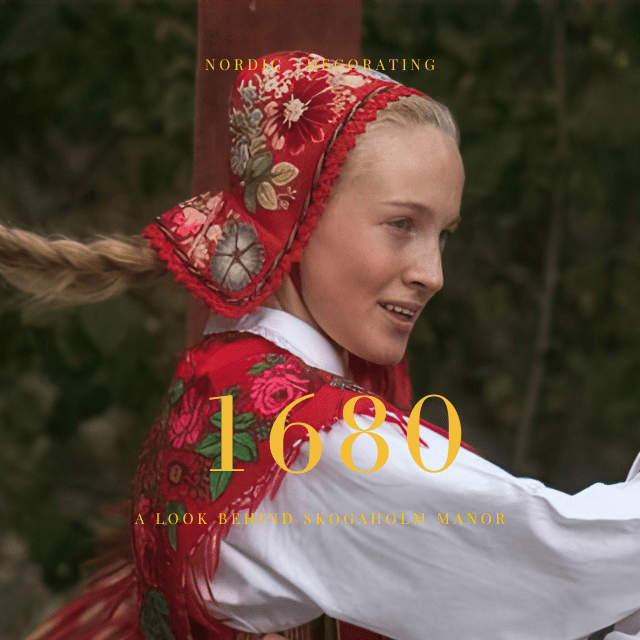
A Look Behind Skogaholm Manor -18th century Swedish Decorating
Skogaholm Manor, Jane Nearing
Skogaholm Manor is a large mansion built in the Caroline style in 1680, located at Skansen in Stockholm.
Skogaholm Manor, forms part of the open air museum at Skansen where it stands as an example of an 18th century Swedish manor house. The manor’s main building was donated in 1929 to the Nordic Museum and moved from Svennevads parish in southeast Närke.
The manor house was built around 1690 for Catherine Rosenberg and her husband Anders Wennerberg Manor, who inherited Skogaholm after her parents Simon Rosenberg and Margaret Larsdotter, and had visible colored red timber with white trim.
Skansen Air Museum is located on the island Djurgården in Stockholm, Sweden. It was founded in 1891 by Artur Hazelius (1833–1901) as a way to show life in the different parts of Sweden before the industrial era. Hazelius bought around 150 houses from all over the country, and had them shipped piece by piece to the museum, where they were rebuilt to provide a unique picture of traditional Sweden. Only three of the buildings in the museum are not original, and were painstakingly copied from examples he had found.
All of the buildings are open to visitors and show the full range of Swedish life from the Skogaholm Manor house built in 1680, to the 16th century Älvros farmhouses. Skansen attracts more than 1.3 million visitors each year and many of the exhibits cover over the 75 acre (300,000 m²) with a full replica of an average 19th-century town, in which craftsmen in traditional dress such as tanners, shoemakers, silversmiths, bakers and glass-blowers demonstrate their skills in period surroundings.
- Skansen Air Museum,Djurgarden 49-51, Stockholm 115 93, Sweden
- Skanseninfo, 08-442 82 00, info@skansen.se
Other Interesting Links:
Skogaholm Manor – The Interior Archive
Skogaholm Manor, Madame Berg Blog
The Skogaholm Manor – Skansen- Bittelitens Blog
The Skogaholm manor – Skansen – Cision
Skansen, Skogaholm Manor Panorama Pictures – 360Cities
Skansen- Johan Schuisky Pinterest
Skansen – Traditional Sweden in Miniature – PBase.com
Interesting Reviews:
“I have visited Skansen some times some years ago, and I enjoyed this revisit. The guides are excellent providers of information, and the interiors are cleverly reconstructed along with matching dresses of the guides. Statarlångan, Helsingslandsstugan, the ironware shop, Konsum shop … every house and shop have its past and worth while a visit. Petissan is a small, picturesque cafe where we enjoyed a cup of coffee and a variety of cakes. The carpenter’s workshop and the knowledgeable guide made me especially happy.” kanute07
“We made the mistake of not preparing for our visit. We had no idea of the size of the property, 75 acres, or of the number of historic buildings, 150! Thus, we did not leave enough time to properly watch the artisans at work, or talk to the interpreters in their traditional dress. Our hour and a half just skimmed the surface of what there was to see. We also made the mistake of not arriving at the main gate, and had to take a funicular railway. Thus, we missed the 15 shops in The Town Centre. The best time to visit is obviously not in mid-week in September, when activity is winding down, and the buildings begin closing at 5 pm. The free map is also essential!” Billitchyfeet
“This open-air museum is a collection of Swedish stuff. Swedish animals, Swedish housing across time and places, Swedish traditional clothing, everything. They even have real-size replica of a traditional old Swedish village from the 17th century. The Swedish animals are awesome! Make sure to go around 3:00 PM, it’s the animals’ feeding time.” John J
Picture Credits:
- Summerhouse of Swedenborg Source- Wikipedia
- Graeme & Ann’s 2010 Trip: Skogaholm Manor
- Skansen- Open Air Museum, Skansen.se
- The Skogaholm Manor – Skansen- Bittelitens Blog
- The Skogaholm manor – Skansen News.cision.com
- Ballroom inside Skogaholm Manor- Wikipedia
- Alain de Botton, Skogaholm Manor, Närke, c. 1790, Seen At Victoria Thorne
- Skogaholm Manor, Romain Moisescot
- Skogaholm Manor, Madame Berg Blog
- Skogaholm Manor, Jane Nearing
- Skogaholm Manor, Madame Berg Blog
- The Skogaholm Manor – Skansen- Bittelitens Blog
- Skogaholm Manor, Jane Nearing
- Skogaholm Manor, Romain Moisescot
- Skogaholm Manor, Jane Nearing
- Skogaholm Manor, Tommy Johansson
- Skogaholm Manor Wikipedia
- Skogaholm Manor, Tommy Johansson
- Interior of Skogaholm Manor, Don Kosin
- Skogaholm Manor, Maison de Lin
- Skogaholm Manor, Elle Decoration
- Skogaholm Manor Wikipedia
- Interior of Skogaholm Manor, Don Kosin
- The Skogaholm Manor – Skansen- Bittelitens Blog
- Skogaholm Manor, Madame Berg Blog
- Skogaholm Manor, Madame Berg Blog
- Interior of Skogaholm Manor, Don Kosin
- Skansen Open-Air Museum Seen At Trip Advisor.com






10 Of The Best Tours In Sweden
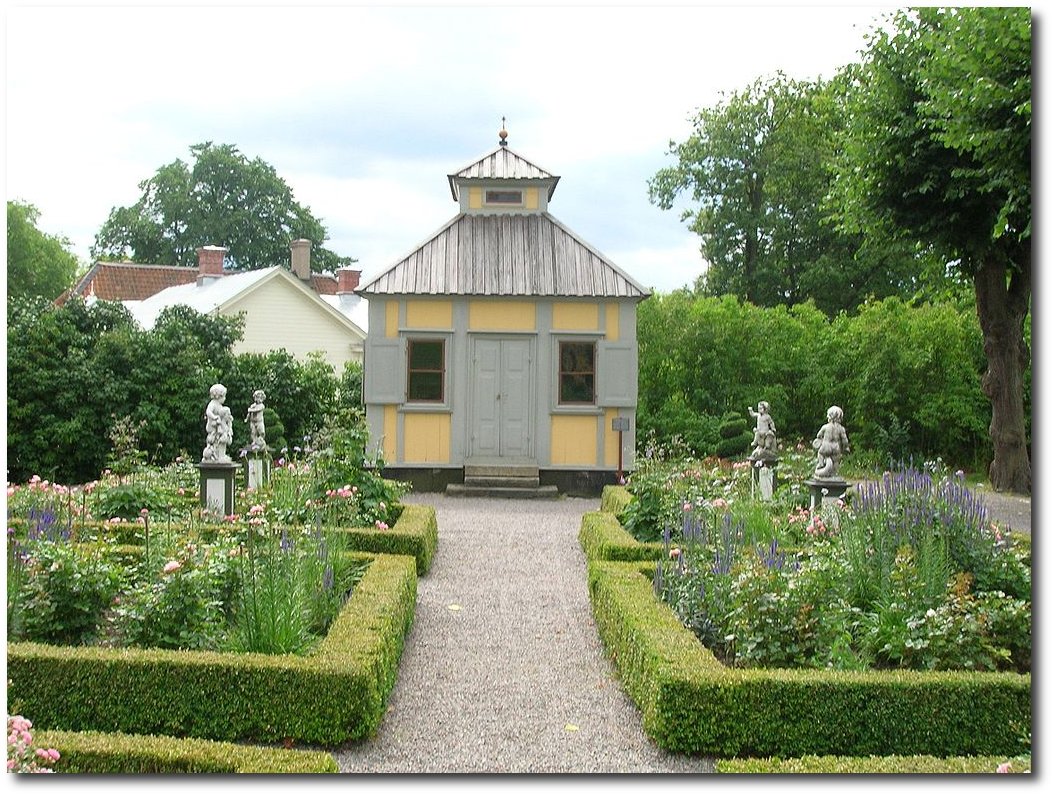
Gripsholm Castle- Ground Floor Corridor Coutiers Wing Built 1780-82, Neoclassicism In The North
If you have never been to Sweden, here is a guide of what tourists have found to be the best and not so worthy sites to visit….
Best Places To Visit………..
1. Monteliusvägen Is Totally Worth Finding According To Many –Is a scenic walkway along the heights of Södermalm. This is one of the most captivating viewpoints in Stockholm, as it overlooks the Old Town and Norrmälarstrand. Plan a lunch or get a latte and enjoy looking at the view from many of the benches that are available. Plan something really special for your significant other here. Tourists have said it is tricky to find, yet definitely worth the search. Many mention that many of the locals don’t even know the place exists or very surprised tourists can find the place on their own.
2. Take In A Free Walking Tour Of Downtown Stockholm– Enjoy a free 90-minute walking tour of Stockholm’s Norrmalm district with a guide who works only for tips, so all you need to pay is what you feel the tour was worth at the end!- Links- Get Our Guide.com, Trip Advisor.com
3. Fotografiska Museum – (The Swedish Museum of Photography) -Fotografiska presents four unique large exhibitions and about 20 smaller exhibitions annually. The photos will range from powerful and thought-provoking to creepy. This museum will certainly be a very interesting tour!
4. The Vasa Museum is an absolute must for any tourist! The Vasa Ship Museum features one of the most complete and best preserved shipwrecks in the world. The ship sank a few hundred meters from its first sailing in the 1650’s. It was then discovered at the bottom of the harbor was painstakingly brought back to the surface and reassembled. In the museum, you can see this ship up-close, and truely is a work of art.
5. The Ghost Walking Tour In Gamla Stan– This tour isn’t your every day tour. Get the inside story behind stories of legends, diseases, murders and of course, ghosts. The old town is charming. Get lost in the atmosphere of walking down cobbled streets and winding avenues. The buildings are colorful, and the narrow lane ways are very interesting to see. Mårten Trotzigs Gränd is the narrowest alley. Take time out to leisurely visiting the shops, eating at the local eateries, enjoying the architecture and simply soaking it all up. There is a lot to see and do, however, don’t arrive early, as many shops don’t open until 11:00 a.m.
6. Royal Palace, Riddarholmen, Stockholm, Sweden- Amongst all European palaces, many people report that this one is the most interesting. It’s beautiful Baroque architectural style took 63 years to finish. This palace is proper and formal but far from pompous. The collection of costumes, uniforms and jewelry are kept in the main museum, while the basement museum features the architectural fortifications and underpinning of the “new” palace.
This palace has over 1400 rooms and many are still in use today.The tour takes about one hour but you can go at your own pace through the many rooms. Your ticket would cover the State and Guest apartments, the treasury, the Kroner Museum and Museum of Antiquities. They stamp your ticket at each venue, which allows you to visit once, over 7 days if you so wish. You can’t take any photographs inside, but the gift shop sells books and post cards.
The changing of the guard ceremony has been a daily tradition since 1523. The change happens at 12pm and lasts for approximately 40 minutes.
Pictures
– Throne room, Drottningholm Royal Palace, Sweden.- Corbis Images
-Chinese Style Interior at the Royal Palace of Drottningholm – Corbis Images
Helpful Comments On Trip Advisor
Pay Attention To The Tapestries “The tapestries in the palace are most interesting. Some depict the lavish lifestyle of the Swedish Royalty. There is one in particular that shows famous people from around the World including The Beatles and Bob Dylan plus many Heads of State.”
You Can Walk Through At Your Own Pace, Or Take The Tour “The Tre Kroner museum gives a history of the palace, we nearly missed it we were on way out when we spotted sign leading down some stairs.You can do the Palace on your own as we did but there were guided tours.”
“The Tre Kronor museum takes you into the Medieval history of the palace which I found fascinating”
“There is so much to see, but no photos are allowed–fair warning! The crown jewels/Treasury museum was my favorite, but the apartments were by far the coolest thing to walk through.”
“There was a very interesting temporary exhibition about the life of today’s king. Among the old baroque palace halls you can see the room which is designed nowadays, for various state meetings – it’s modest and elegant. All in all the palace has modest and austere (even bordering on dull) look in comparison with other European palaces, but hey, this is probably one of the reasons why Sweden never had any revolutions, the royals were just less greedy than the others!”
Take The Tour and Then Visit The Palace On Your Own –“The Royal apartments are very dark, and you can not take any pictures. The attendants in the museum are there to make sure you don’t take pictures, not to answer questions. The only exception to this is the guard in the knights room, they are friendly and will answer questions. A few of the rooms were very nice, but most were just dark. There are many stairs. You can see the backs of some statues on the tour but are not allowed to go to see the front of the statues.”
Lack Of Restrooms Within The Palace “Two warnings. You cannot take any pictures inside the palace and WCs are at a premium. Make sure you use the one at the gift store/ticket center before you go in as there are none in the palace.”
7. Oaxen Slip in Djurgarden “Our favorite meal was dinner at Oaxen Slip in Djurgarden, which our AirBnB host recommended to us. It is the cheaper, ‘backdoor’ sister restaurant to Michelin-starred Oaxen Krog. We ordered a variety of dishes to share, and everything we ate was spectacular! In fact, this is the first time I could say I actually enjoyed the veggie dishes more than the meat dishes. The baby asparagus was absolutely divine. Our waiter also recommended the beets with mayonnaise, which sounded suspect but we went along with what he said, which ended up being the right decision- they were also divine! We also had duck, pork and char as our entrees, and then the bread pudding and glace du four desserts. Service, and our waiter in particular, was great”
8. Stockholm City Hall has been described as a hidden gem. This building is the seat of Stockholm city government and also contains a luxury restaurant and happens to be the site of the banquet after the Nobel Prize ceremony. The organ in the Blue Hall has 10,270 pipes and is the largest in Scandinavia. If you intend to catch the tour, it is advised to buy your ticket in advance. One lady said that if you buy tickets at the hall, you need to buy them in the gift shop and can get crazy if you are feeling rushed to get on to the tour and someone in front of you is buying postcards. The tours last 45 mins and sell out quickly. The views from the top of the hall are especially captivating. So get your camera ready.
9. The Swedish History Museum- This museum has an extensive and unique collection of Viking artifacts, some dating to 4,800 BC. The second floor has a very imaginative timeline of Swedish history and some report a disturbing exhibit that graphically shows a medieval massacre. The best part of this museum is their famed Guldrummet or Gold Room. They feature over 100lbs of gold and 500lb of silver which are treasures from the Bronze to Middle Ages. This museum is a must see.
10. Royal Armoury -If you are interested in learning about Sweden’s royalty, this is the place to go. The history behind Sweden’s kings and queens from the 15th century are displayed in an ever-expanding collection of memories from the country’s different dynasties. They give the history behind Sweden’s well-known events in a captivating way. See objects like Gustav Vasa’s crested helmet in 1548, or the costume Gustav lll wore at the masked ball at which he was murdered. View costumes worn in various films such as from the film “Elizabeth”
We will have to leave Gothenburg, Malmö, Marstrand, Skåne, and Visby/Gotland for another article……..
Some Of The Less Than Impressive Sites According To Comments At Trip Advisor:
Skansen Museum “Some of the less impressive things we did in Stockholm included going to the Skansen museum… we just didn’t understand what the hype was about. At first we thought it would be cool to see the old houses and be able to go inside them, but all of the doors were locked! There was written commentary outside each of the houses, ie. “Inside the living room there are some interesting artifacts” which really didn’t help since we weren’t able to go inside” here
“As for Skansen, everyone I took there really liked it, you must have been unlucky if many of the houses were closed. High season is probably better”
Rosendal’s Garden “We also walked all the way to Rosendal’s Garden to have lunch, given the positive views on TA, but it did not live up to expectations at all! If it had been closer to the museums, then that would be one thing, but we had to walk through farms and forests to get there. To us, it seemed like a prettied-up self-service cafe, and the food wasn’t even that great. If I could do it again, I would give this place a pass”here
A Bit About Swedish Culture Before Visiting Sweden
-43 Things I Love About Sweden – blogs.sweden.se/
-Top Ten Things You Need to Know About Sweden and the Swedish –expatsblog.com
– 10 Things Not to Do in Sweden – About.com
-Party Like A Local – 10 things to know before visiting Sweden CNN.com
Additional Related Articles
–The Lavish Interior Of The Swedish Häringe Castle The Swedish Furniture
–A Look At The Castle Behind The Movie “The Girl with the Dragon Tattoo-The Swedish Furniture
–The Gustavian Style Of Swedish Interior Designer Louis Masreliez- Part 1 -The Swedish Furniture
-The Romantic Baroque Style: Part 1- Stromholm The Swedish Furniture
–The Romantic Baroque Style: Part 2 King Gustav Vasa – The Swedish Furniture
–The Romantic Baroque Style: Part 3 Skokloster & Steninge Palace – The Swedish Furniture
–Neoclassicism in the North- The Style Saloniste
–Swedish Painted Furniture Gustavian Neo-classical Annie Sloan
Empire style in the former royal summer palace Rosersberg – Picture Credit daserste.ndr.de
The study of duke Fredrik Adolph Tullgarn Palace –www.kungahuset.se
History Behind Many Of Sweden’s Palaces
Haga Palace
Since 1966 this small palace has been in the Swedish government’s hands, and used for meetings and conferences and as a guest house for prominent foreign visitors.Prime Minister Fredrik Reinfeldt decided to return the right of disposal to the royal family.
Here is the summarized history behind Haga…….
- The neoclassical Haga Palace was built 1802-1805 by the architect Carl Christoffer Gjörwell on the orders of King Gustaf IV Adolf. Across the road was Gustaf III’s Pavilion, which had been built by Olof Tempelman for King Gustaf III in 1787-1790. Located behind this was the ruins of Haga Palace, a Swedish Versailles designed by Louis-Jean Desprez. The structure which was being built was was halted when Gustaf III was assassinated in 1792. Later when his son, Gustaf IV Adolf, found his father’s pavilion to be too small to accommodate his growing family, ordered a new building from Gjörwell.
- Haga Palace was given to his aunt Hedvig Elisabeth Charlotta, (the new queen), and it became known as the Queen’s Pavilion. The next inhabitant was Prince Erik, the mentally handicapped youngest son of King Gustaf V. Prince Erik died in the autumn of 1918 and Haga Palace was thereafter briefly opened up to children who had lost their homes as a result of World War I.
- Later, Prince Gustaf Adolf and Princess Sibylla, moved into Haga following their marriage in 1932. They raised their four daughters, Princesses Margaretha, Birgitta, Désirée and Christina at Haga.
- In 1950 the widowed Princess Sibylla and her children temporarily moved to the Royal Palace in Stockholm in which a few repairs were needed. They fell in love with country living, and chose to remain at the Royal Palace until the renovation of Haga was completed.
- In 1966 when King Gustaf VI Adolf transferred Haga to the disposal to the government, it was turned into a guesthouse for distinguished foreign official visitors. In 2009, it was announced by Prime Minister Fredrik Reinfeldt that the rights of disposal to the palace will be transferred back to the royal court to be used by Victoria, Crown Princess of Sweden, and her husband, Prince Daniel, Duke of Västergötland, as a wedding gift in 2010.
Haga Pavilion
Haga Pavilion built in the 17th century by Gustav III. Located in Haga Park, King Gustav III used the pavilion year round and had grand plans for the park, which included a new residence. He was murdered in 1792 and his vision was never completed.
When King Gustov III made his way through the grand courts of Europe, it made a lasting impression. Upon his return to Sweden he along with architect Olof Templeman, designer Louis Masreliez and Swedish craftsmen were responsible for creating the pavolion that adapted to the style and grandness seen in the European courts.
Sweden’s Drottningholm Castle
Drottningholm Castle is located in Lake Mälar, 12 kilometres from Stockholm. The construction of this regal residence began in 1662. Baroque and Rococo influences largely comprise the characteristic features of the park that surrounds the castle. Drottingholm Castle has managed to retain the regal atmosphere of the Swedish royal families as it was during the 18th century.
Work on the castle began at the end of the seventeenth century under the architect Nicodemus Tessin the Elder and was completed by Nicodemus Tessin the Younger. The interior was decorated between 1665 and 1703. Nicodemus Tessin the Younger also laid out a garden design that reflected a baroque appearance according to what was modeled in France. Gustav III also added an English park in 1777.
Drottningholm Theatre is one of the most well preserved baroque theatres in all of Europe. It was built in 1764-66 and was truly magnificent in 1777, when Gustav III took over the castle. After the death of Gustav III, theatrical performances were discontinued and the theatre fell into dispair. In 1922 it was restored to its original state under the direction of Agne Beijer. A unique collection of stage sets is preserved giving you a glimpse into how wonderful it was at one time in history.
Tullgarn Palace
Built in the late 16th century, for Count Carl Sture, this is a renaissance palace was pulled down in 1720 and replaced with the present building which was designed for the French officer Joseph Gabriel Destain for the then owner, Count Magnus Julius De la Gardie.
In the 1770s the Palace was acquired by the State for Gustav III’s youngest brother, Duke Fredrik Adolf of Östergötland. He then radically re-built the Palace in the 1780s. Wings were raised to be one story higher and the whole building was given a flat Italian roof. Fredrik Adolf’s interiors at Tullgarn, were are among the finest of their kind in Sweden. Credit- community.fortunecity.ws
Additional Links To Fantastic Pictures:
- Castles, Palaces & Manor Houses in Sweden Jeannine Mantooth’s Pinterest Page
- Entrance to Salon at Tullgarn Palace Corbis Images
- The Bernadotte Library – The Royal Palace Sveriges Kunset.se
- Tullgarn Palace, stable turned into a restaurant nftravel.blogspot.com
- Christian IV’s Writing Room; Rosenborg castle, Copenhagen www.flickr.com
- The 1st Floor – Rosenborg Castle dkks.dk
- Royal Arms Collection at Rosenborg flickr.com
- 10 Must-See and Do Attractions in Copenhagen The Culture Map
- Inside The Rosenborg Castle tripwow.tripadvisor.com
- Tsars Palaces In Paintings English Russia Blog
- Beautiful Floral Patterns
- Souvenirs from The Royal Gift Shops –www.kungahuset.se
- “A Visit to Gripsholm Castle in Sweden” The Martha Blog
- Slottskyrkorna – Sveriges Kungahus
- Exteriör Drottningholm Castle
- Welcome to Tyresö Castle! | Nordiska museet
- Alexis Daflos www.kungahuset.se
- Tullgarn slott (castle) | Flickr
- Swedish Wedding at Tullgarn Palace
- Take a trip to Tullgarn Palace kungahuset.se
- Castle Tullgarn, Seen at Rococo Revisited
- Castle Tullgarn | Flickr
- Hässelby slott julbordsmaklarna.se
- Hässelby slott sv.wikipedia.org
- Svartsjö Palace, Found on sfv.se
- Svartsjö slott, interiör – Foto Åke E:son Lindman
- Lindman Photography.
- Found on upload.wikimedia.org
- Stockholm Palace – Wikipedia
- Frederiksborg Castle – Copenhagen Wikimedia
- Tyresö slott | Nordiska museet
- A Visit to the Rosenborg Castle in Copenhagen www.hollandamericablog.com
- Rosenborg Castle (Photo credit: Christopher Macsurak) tripideas.org
- dicksandy.org
- Rosenborg Castle: Venture Denmark
- Copenhagen Rosenborg Castle Throne Room – traveljapanblog.com
- Stairway at the Rosenborg Palace, Copenhagen. shuttersandsunflowers.com
- Neoclassicism in the North- The Style Saloniste
- Gripsholm Castle commons.wikimedia.org
- Olivia November 2012 Outi Ranua – Fashion Models
- Unknown Swedish Home Picture Credit- Uploaded On Pinterest
- -Room Interior at Digitalt Museum – Tyresö slott
- Stora Huset –www.nordiskamuseet.se
- Stora Huset –www.nordiskamuseet.se
- Digitalt Museum – Interiör, Tyresö slot
- Tyresö slot- commons.wikimedia.org
- Stora Wäsby – Swedish Castle – Found on abebooks.com
- Stora Wäsby – bohemianwornest.tumblr.com
- Rosendal, the former summer palace of Charles XIV – Picture Credit daserste.ndr.de
- homedesign.marthastewart.com
- Stola Herrgård
- Gunnebo Slott
- Neoclassicism in the North- Seen On The Style Saloniste
- Gunnebo Seen In Neoclassicism In The North
- Gripsholm interiors – Gula Salongen Nationalmuseum Stockholm’s Photostream
- Neoclassicism In The North
- Costumes, Cats 18th Century Blog


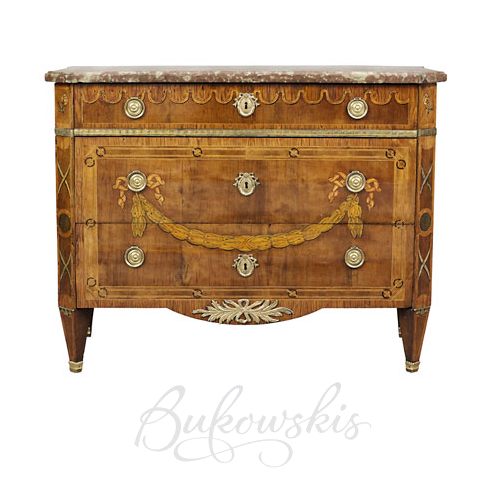 Jonas Hultsten www.antikvarlden.se
The chest of drawers in the original room was made in about 1780, was originally purchased for Sofia Albertina and is typical of its maker, Jonas Hultsten.
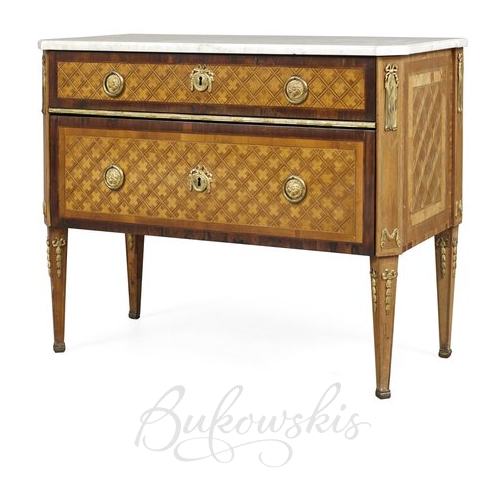 Jonas Hultsten www.bukowskis.com
Jonas Hultsten www.bukowskis.com
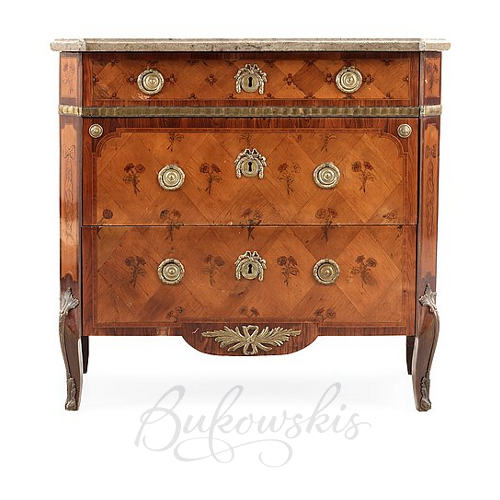 Jonas Hultsten 1700 www.bukowskis.com
“A Visit to Gripsholm Castle in Sweden” The Martha Blog
Walk through Gripsholm with Martha Stewart in this post – “A Visit to Gripsholm Castle in Sweden” The Martha Blog
She captured the beautiful floors at Gripsholm. Each room had a different pattern.
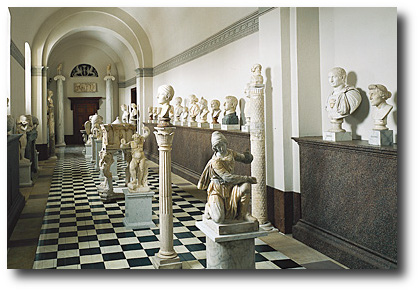
Tour description, Gustav III’s Museum of Antiquities. Gustav III’s Museum of Antiquities, The Royal Palace www.kungahuset.se
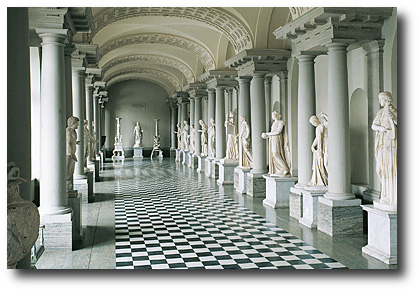
Royal Palace –www.kungahuset.se


A Museum Recreates The Look Of Century Old Swedish Interiors With Historic Costumes
Picture Credit- Skansen.se
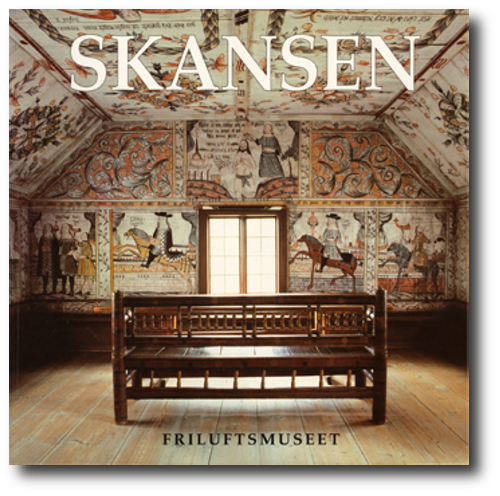
Skansen: Traditional Swedish Style – New And Used Options from $42
Founded in 1891 by Artur Hazelius, Skansen was the first open-air museum in the world; its aim to show how people lived and worked in the past in the different regions of Sweden. Hazelius was a teacher and researcher in Nordic languages who felt that traditional ways of life were disappearing with the onset of industrialization.
He started to collect an extensive collection of objects, which he put together in the form of tableau-type interiors, in a building in Drottningattan in the middle of Stockholm. Gradually, however, he wanted to show whole houses, furnished with traditional objects, furnishings and works of art, inhabited by people in historic costume, and through Skansen this idea became a reality.
Published in association with the Skansen Foundation, this beautiful book is illustrated throughout in colour. It describes not only the museum and its buildings, but also presents a microcosm of Swedish life, culture, art and architecture. The natural landscape of the museum setting is used to enhance the regional variations in Swedish art and architecture, with buildings from the southern part of Sweden being located in the southern-most part of the museum and so on.
Each chapter is devoted to a particular region represented by the museum: northern, middle and southern Sweden, as well as a typical Swedish town quarter. The buildings described here vary in date from the Vastveit storehouse, which was built in the fourteenth century, to the Skane farmstead which was finished in the 1920s. Stylistically, the range of buildings displayed at the museum is enormous: we move through time and style from the summer pasture farm, or Faboden, with its essentially medieval form of wooden construction, through the classical elegance of buildings like the late-eighteenth century Skogaholm Manor, or the impressive malm house built for the merchant Charles Tottie, to functional timber frame of the early twentieth-century Assembly Hall from Varmland. The informative, but accessible, text has been written by Ralph Edenheim, who is a Swedish art historian, and Head of the Department of Cultural History at Skansen. 128 pages.
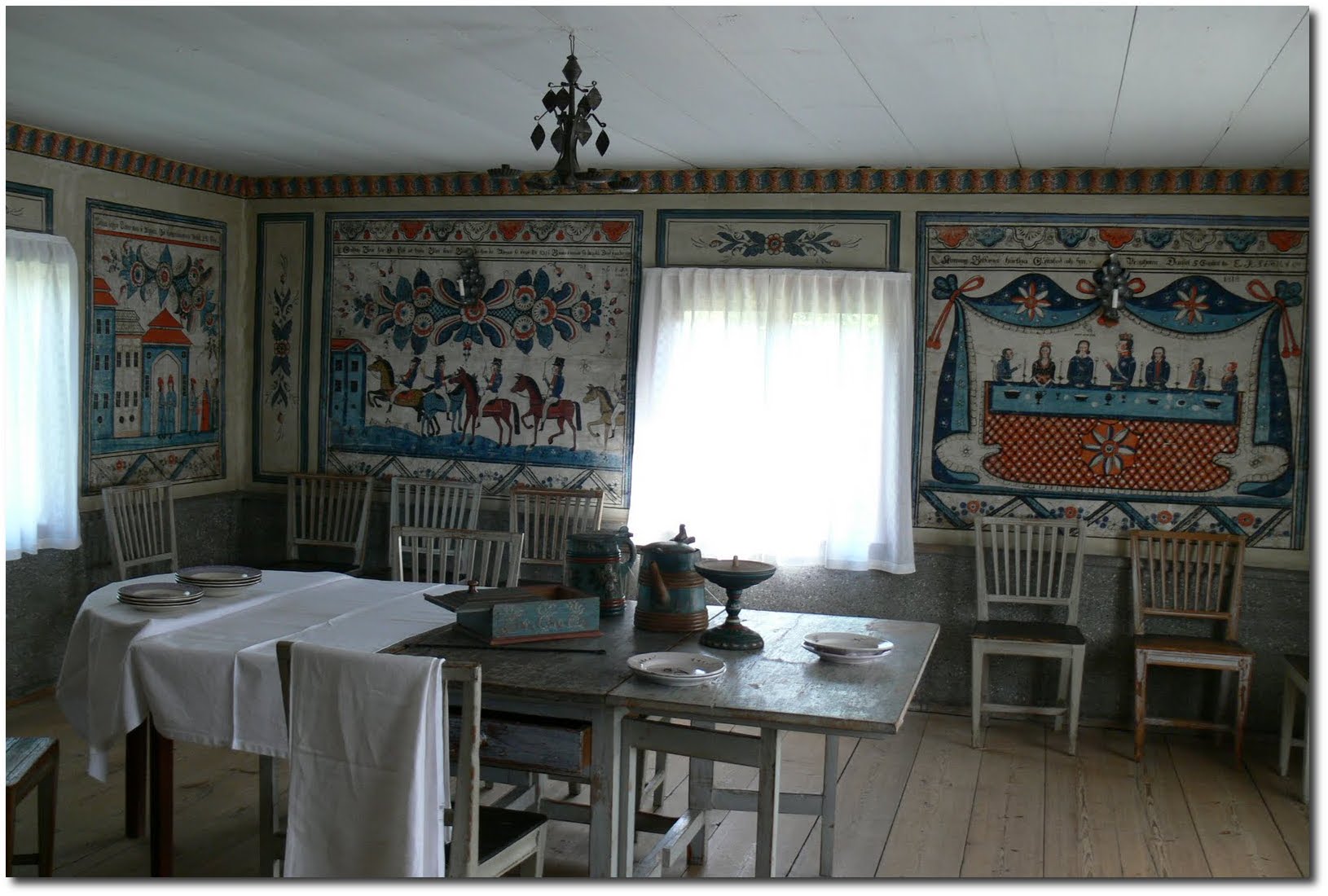
Below are pictures of Swedish Interiors are those taken from photographer Photographer Joanna Holmgren found in two publications Skansen: Traditional Swedish Style , Swedish Folk Art: All Tradition Is Change
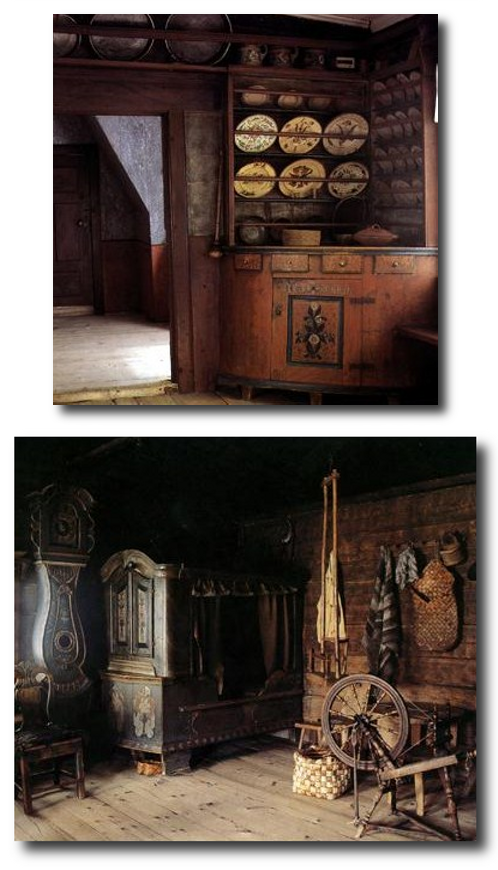
Swedish Interiors – Photographed By Photographer Joanna Holmgren
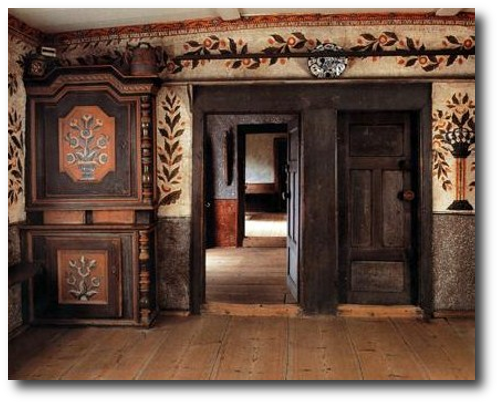
Swedish Interiors – Photographed By Photographer Joanna Holmgren
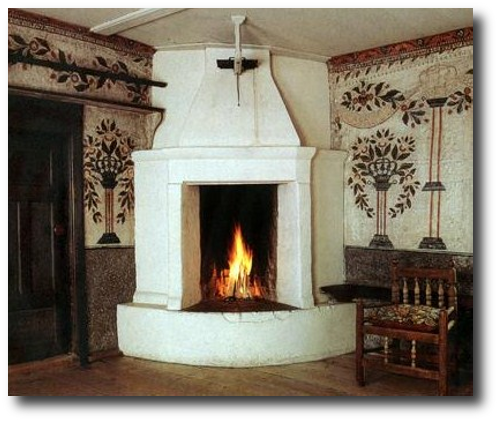
Swedish Interiors – Photographed By Photographer Joanna Holmgren