Life In 17th Century Norway & Sweden
In the 17th and 18th centuries, the Nordic people had various desires and aspirations influenced by the social, economic, and cultural context of the time. Here are some of the most sought-after things during those centuries:
Wealth and Land: Accumulating wealth and owning land were significant aspirations for many people in the Nordic region. Land ownership represented social status, economic power, and provided opportunities for agricultural production and resource exploitation.
Trade and Commerce: Nordic countries, such as Sweden and Denmark, were engaged in international trade during this period. Merchants and traders sought to establish profitable connections with other European countries and expand their commercial ventures.
Access to New Goods: The growing trade networks allowed for the introduction of new and exotic goods into the Nordic region. People sought after luxury items like spices, silks, ceramics, and other commodities that were not readily available locally.
Education and Knowledge: The Enlightenment period in the 18th century brought an increased emphasis on education and the pursuit of knowledge. People sought access to education, particularly in fields like philosophy, science, and the arts.
Social Status and Prestige: Nobility and social hierarchy played an important role in the Nordic societies of the time. Many individuals desired to attain or maintain their noble status, associating themselves with the upper echelons of society.
Cultural and Intellectual Trends: The Nordic region saw an influx of ideas and cultural movements from other European countries. People sought to be part of these intellectual trends, embracing new philosophies, literary works, and artistic movements.
Scientific Advancements: The 17th and 18th centuries witnessed significant scientific discoveries and advancements. People were eager to access and learn about the latest scientific theories, particularly in fields such as astronomy, physics, and medicine.
Political Influence: As in other parts of Europe, power and political influence were highly sought after. Many individuals aspired to hold positions of authority, whether in local governance, regional politics, or the national administration.
It’s important to note that the desires and aspirations of individuals varied depending on their social class, occupation, and personal circumstances. These general themes provide a glimpse into the aspirations of people during the 17th and 18th centuries in the Nordic region.

18th Century Antique Swedish Rococo Tragsoffa | Vinterior

‘Saddle Up’ wallpaper designed by Eleanor Walton for Graduate Collection
 decorativecollective.com
 Picture –thisivyhouse
Life In the 17th century Nordic countries
Daily Routine: People in the 17th century generally woke up early, as daylight was essential for most activities. They would begin their day with personal hygiene tasks like washing their face and hands, often using water from a basin. Due to limited sources of artificial lighting, the evening hours were typically dedicated to rest and sleep.
Work and Occupations: The majority of the population in the 17th century lived in rural areas and worked in agriculture. Farmers would tend to their crops and livestock, while women would engage in domestic tasks such as cooking, cleaning, and caring for children. In urban areas, people were involved in various trades and crafts. Merchants conducted business, artisans practiced their respective crafts, and apprentices learned skills from their masters.
Religion and Church: Religion played a significant role in daily life during the 17th century, particularly in Europe. Most people adhered to Christianity, and attending church services was a central part of their routine. Church buildings often served as community centers, where people gathered not only for religious activities but also for socializing and discussing local matters.
Education: Formal education was limited during this period, and literacy rates varied across regions. Wealthy families could afford tutors or send their children to private schools, while the lower classes often received basic education through informal means. Education focused on religious teachings, reading, writing, arithmetic, and vocational skills.
Entertainment and Recreation: In their leisure time, people in the 17th century engaged in various forms of entertainment. Popular recreational activities included playing games, such as cards, dice, and board games like chess or backgammon. Sports like archery, bowling, and tennis were also enjoyed. Social gatherings and events, such as dances, music performances, and theatrical plays, provided further amusement.
Art and Culture: The 17th century witnessed significant advancements in art and culture. Renowned artists like Rembrandt, Caravaggio, and Vermeer produced masterpieces during this period. Literature flourished with the works of influential writers like William Shakespeare, Miguel de Cervantes, and John Milton. Music, including compositions by composers like Johann Sebastian Bach and Antonio Vivaldi, also thrived.
Fashion and Dress: Clothing in the 17th century varied based on social class and occupation. Wealthy individuals wore garments made of fine fabrics and adorned with elaborate embellishments, while commoners dressed more simply. Fashion trends were influenced by the styles of the monarchy and the aristocracy, and clothing choices often reflected social status.
Food and Drink: The diet of people in the 17th century consisted of locally available food sources. Common staples included grains like wheat, barley, and oats, along with vegetables, legumes, and dairy products. Meat was primarily consumed by the wealthy, while the less affluent relied more on fish and poultry. Alcoholic beverages, such as beer and wine, were commonly consumed due to the limitations of safe water sources.
It’s important to note that the specifics of daily life in the 17th century varied greatly depending on the region and social circumstances.

The painted detail of a 18th Century Swedish Gustavian Chest – 1st Dibs


Antique Swedish Furniture

Swedish 18th Century Gustavian Clock with Original Paint – averydash.com/
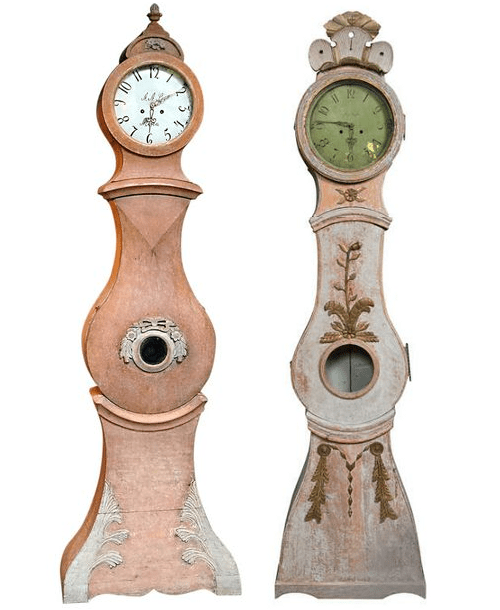
Mora Clock in Original Salmon Paint Found on 1stdibs.com
Swedish Tall Case Clock, ca.1780-1800 Found on 1stdibs.com
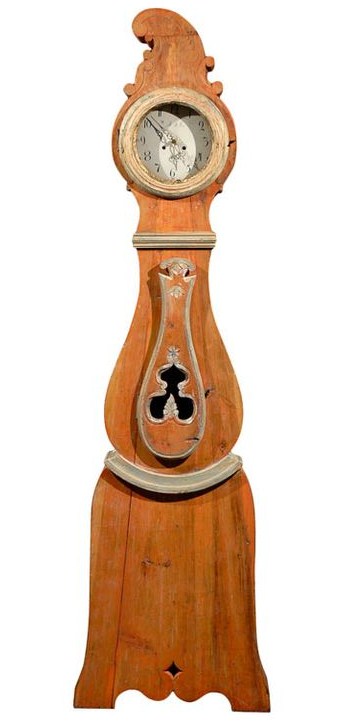
19th Century Swedish Orange Painted Wooden Clock Found on 1stdibs.com
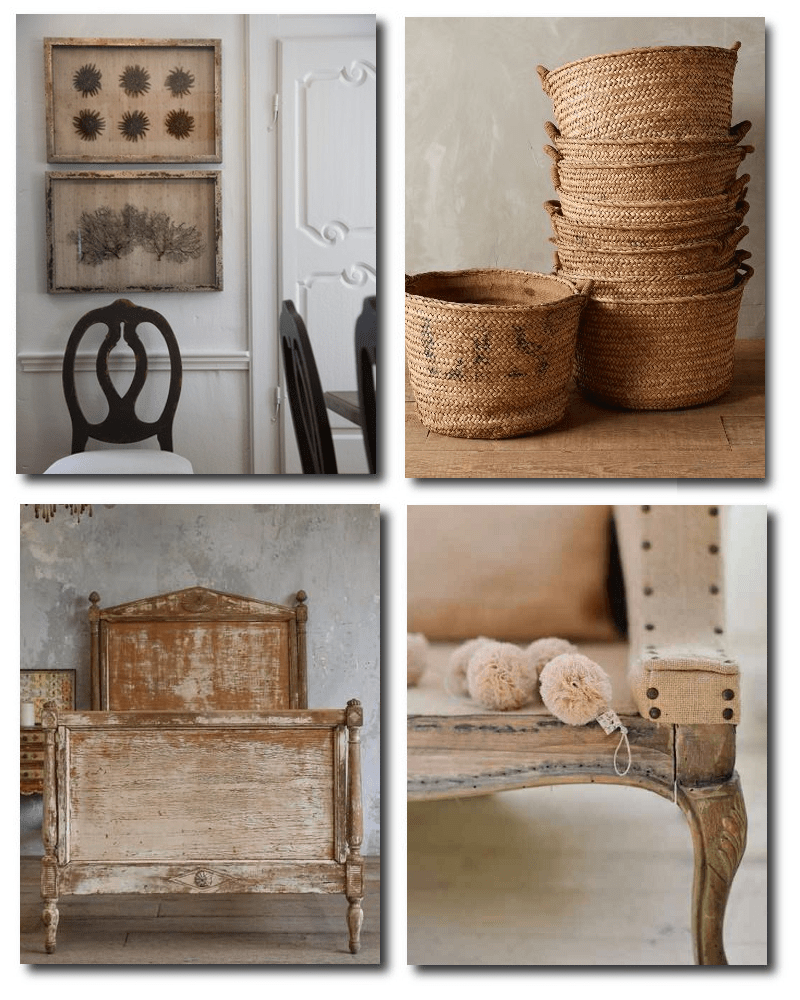
Gustavian Style Found on houzz.com
Harvest Basket, Found on anthropologie.com
Directoire Bed, Found on eloquenceinc.com
De-constructed Chair – Found on inspired-design.tumblr.com
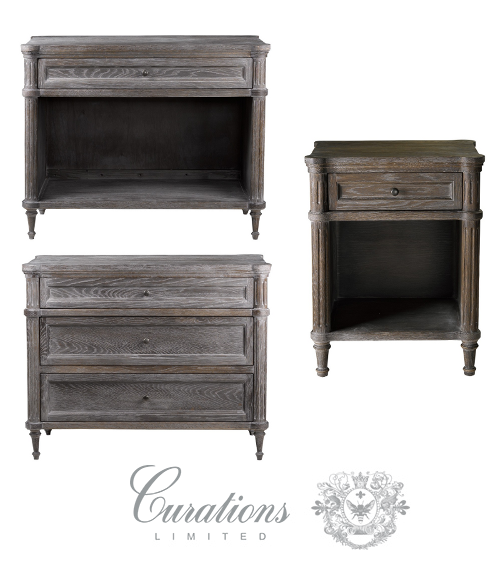 Alden Furniture Collections- Curations Limited
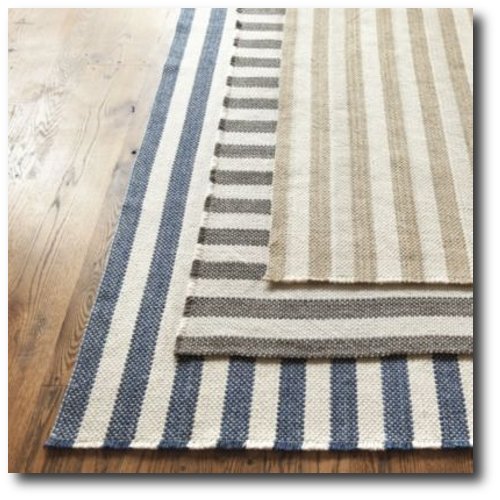
Vineyard Stripe Rug Ballard Designs
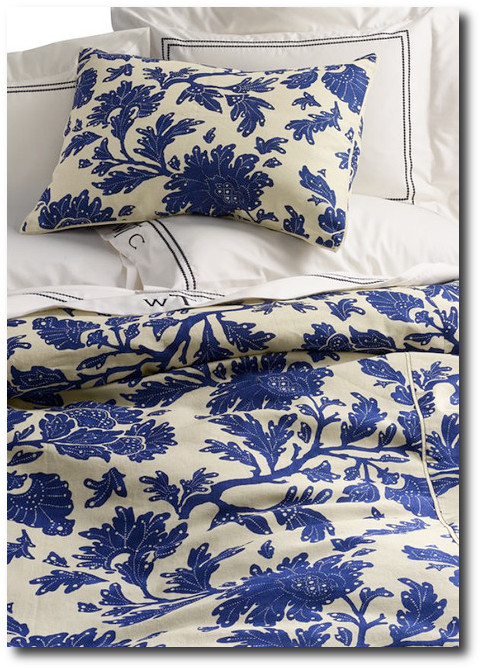
Harbor Springs Floral Duvet Cover, Lands End
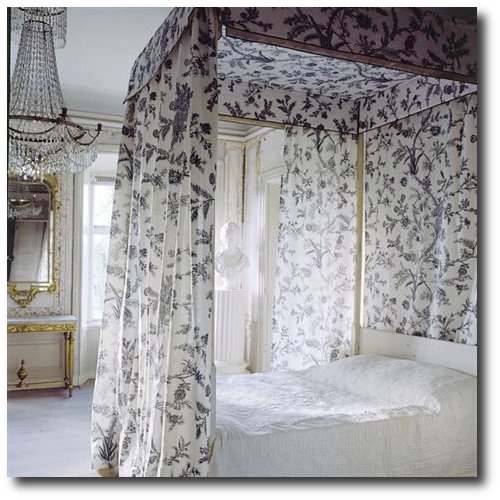
Buy Authentic Historical Textiles online at Ljungbergs Factory
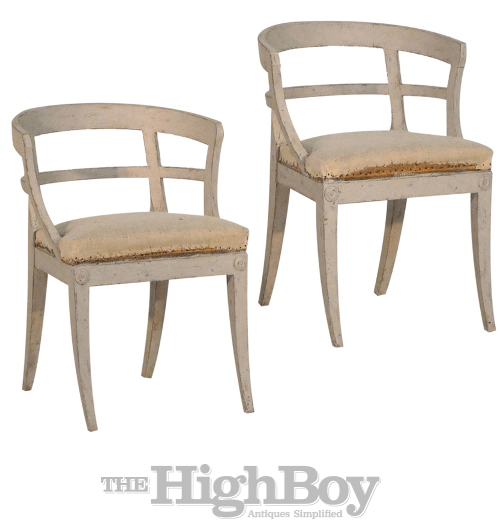 Pair of Swedish Sulla chairs with curved and open H-form backs, with original upholstery raised on splayed legs.- Highboy Antiques

An antique looking mailbox – Amazon

A mailbox with a blue distressed finish – Amazon


Mid 19th Century Painted Water Carrier – debenhamantiques
5 Homes Decorated Around The Nordic Style
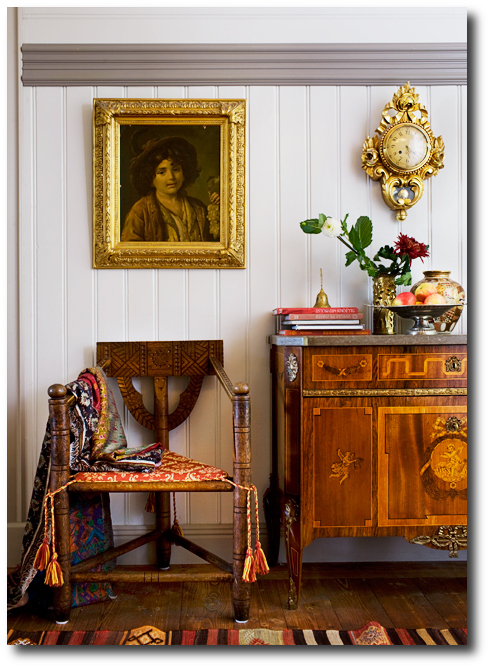
New Orleans invid Mälaren- Skona Hem
Country House Inspired After New Orleans -One hundred and fifty meters from Lake Mälaren is 1800-century house whose decor is inspired after the famous city of New Orleans. Kristina Spur found the house 11 years ago in deplorable condition. It leaked, had no electricity, water or heat. The building had been abandoned since the 1950s, and the roof was almost completely destroyed as the home had it’s original roof timbers from 1887 when the house was first built. In February 2001, she moved in with her two sons Oscar and Gustav, then 3 and 5 years old. Read more about this transformation at Skona Hem
A Swedish Seaside Home Decorated Around The Nordic Style- This Scandinavian home is surrounded by rocks and sea. The owner, Jacob is an architect followed in his forefathers steps, as his ancestor designed the the library in 1760, at the Royal Palace in Stockholm. His home boasts huge windows, which can be seen from the ocean, and lets in a terrific amount of light, and provides an open concept with the vaulted ceilings. Interior wood paneling on the walls brightens things up. The interior decor mingles the new with the old. One of the oldest pieces in the house is a rococo sofa from 1760, which was completely refurbished. Originally featured at werandacountry.pl
Granholms Estate has been named the the Manor of the year in 2014 in the Great Gods & Farms Gala. Gransholm is also Mary and Jan Åke of Trampes private homes. Granholm’s mansion, built in 1812, has regained its original beauty. With great passion and respect for the history, the family has managed to create a modern functional home while preserving the cultural history behind the home. The mansion also serves as showroom for antiques. See the rest of the pictures in godsochgardar.se
Gotland House- When Asa Hallin and Håkan Jacobsson finally got to buy the house of Hemsedal municipality 20 years ago, it was run down and in poor condition. Håkan is a carpenter by profession, and through the process of renovating the house, they enlisted the help of another carpenter, a mason and a painter. Over a year and a half, they completely restored it back to the style resembling its original condition. Read more at lantliv.com/
Restored Home Built In 1792- There isn’t a lot of information about this last Swedish home on the internet. The home is decorated with classic Swedish distressed furniture. It is unclear how many rooms are in this house, but an obvious kitchen/ dining room has a large center table, with two rectangular side tables pushed together. Off this room, is another bedroom with a twin bed, and rustic wood chair. A children’s room is the highlight of the tour, with a painted blue doll house situated on a table, with a country style Swedish bed with draperies. A stenciled floor make this room memorable. Photography Solvie dos Santos
View the pretty pictures below:


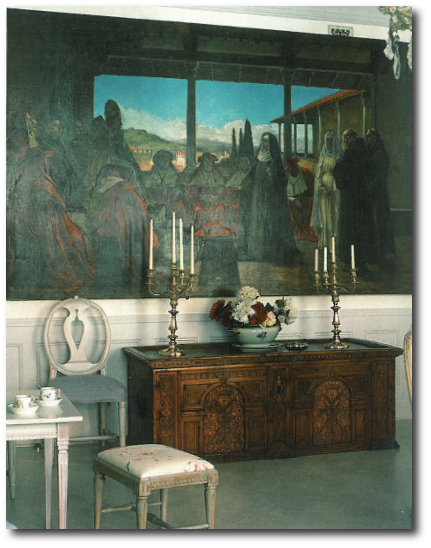


7 Scandinavian Country Decorating Books
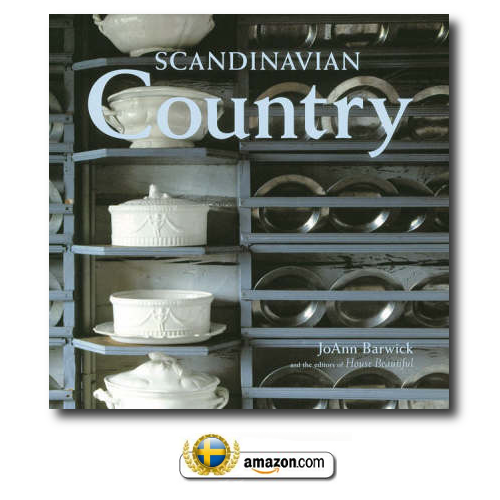
Of all the European country home styles, none is more universally popular than Scandinavian Country. These fresh, light-filled northern interiors have an effortless grace that never fails to delight the eye.
JoAnn Barwick and the editors of House Beautiful lead us on a tour of more than twenty exceptional residences in Sweden, Norway, Denmark and Finland that show this immensely appealing look at its very best.
These interiors are both steeped in tradition and utterly contemporary. Scandinavians have a passion for color and an abiding reverence for nature: stippled, spattered and even faux-marble painted finishes enliven even the most humble country furniture; and an abundance of rich woods, crisp tiles and robust textiles embody the pleasures of natural materials.
With nearly 300 full-color photographs and an extensive directory of sources for Scandinavian furnishings and accessories, this engrossing and seductive book encapsulates this most inviting of country styles.
JoAnn Barwick was editor-in-chief of House Beautiful magazine for more than a decade, and is acknowledged as a pioneer in the development of American and international country style. She was the founding editor of Country Living magazine and has been an editor at Good Housekeeping and Modern Bride.
Norma Skurka is the former Home editor of the Sunday New York Times Magazine. She has taught at Parsons School of Design, lectured at the Cooper-Hewitt Museum, and is the author of several books, including The New York Times Book of Interior Design and Decoration.
Scandinavian Country by , JoAnn Barwick On AMAZON
Scandinavian Country by , JoAnn Barwick On Ebay
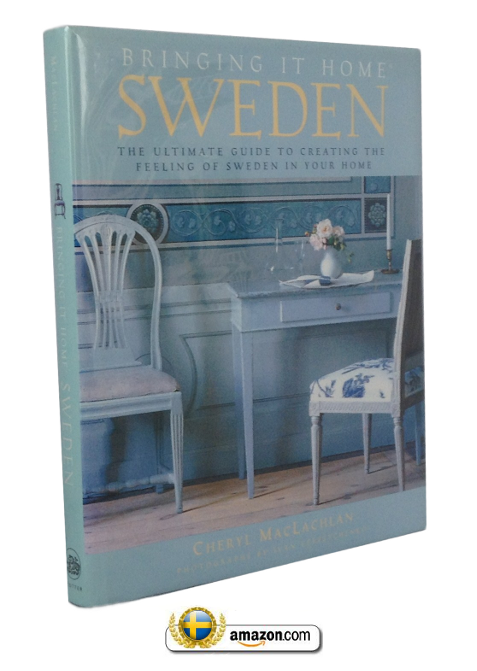
Bringing It Home Sweden by Cheryl Maclachlan- Buy It On Amazon Starting at $12
Bringing It Home Sweden by Cheryl Maclachlan Buy it on Ebay
Renowned for its lovely blond woods and delicate color palette dominated by pale blues, Sweden is a country of simple and elegant interior design. In a bright, well-photographed presentation, lifestyle writer Cheryl MacLachlan beautifully captures the essence of Swedish design: clean lines, pale hues, natural materials, a powerful sense of light and space, and fresh folk-art charm. The living room, bedroom, dining room, and kitchen each merit a chapter filled with ideas about walls, floors, windows, colors, fabrics, lighting, and furniture. Scattered throughout are tips on decorating, such as transferring a decorative motif to a wall, setting an attractive table, and mixing your own paints for an authentic look. You’ll also find a chapter on Swedish foods (complete with tempting recipes), and a source list.
From the Inside Flap
Is it possible to bring home the best of an entire country?
This is the question that came to author Cheryl MacLachlan when she fell in love with the charms of Sweden–its pristine landscapes, its warmhearted people, and above all, its delightful homes. What was it that made her visits there so memorable? And how could she replicate those pleasures back home?
In Bringing It Home–Sweden, Cheryl MacLachlan reveals the secrets of Swedish decorating and entertaining and explains how to capture those charms anywhere. After spending much time visiting homes and conversing with families in towns and cities throughout Sweden, she became familiar with the subtle but unmistakable qualities of Swedish life: how furniture is chosen for its pure, fine lines; how simple fabrics are used to great effect; how soft, delicate colors are layered to create rooms full of light and elegance; how the freshest ingredients are combined to prepare delicious meals. Now in this book, she offers the essence of Swedish style, with an abundance of practical information, handy how-to projects, and colorful inspiration to enrich any home.
Bringing It Home–Sweden explores the full range of life in this beautiful country. From the finer points of Gustavian furniture (now available in reproduction everywhere) to the exquisite choices offered by Swedish crystal, from the secret to buying the perfect down comforter to the ultimate recipe for Swedish meatballs, the best of Sweden is shared with readers. Richly illustrated with more than two hundred color photographs by Ivan Terestchenko, Bringing It Home–Sweden also includes recipes, resources, and a useful buying guide. Learn what makes Swedish life so welcoming–and then bring its best qualities back to your own home!
Review By Amy K -Her books on each country are so wonderful-not just for viewing the photos for decorating ideas, but to get an all-around feel for that particular country’s lifestyle and how to create it yourself. These are not just your average home decorating books, they make an excellent read as well. You won’t be disappointed.
Review By M. Carlson If you’re into swedish country, you have to get this book! It’s been my decorating bible! I love the beautiful photographs, but the text is even better. It explains the origins and purpose of the color palette, flooring, furniture, window treatments, room layouts, fabric and accessories used in ths style. It also discusses the influence of King Gustav, Carl Larsson and Josef Frank. The only part of this book I don’t find useful is the recipe section. Other than that, I use this book constantly! It stays on my coffee table so I can browse through whenever I want.
By Horsey Knitter -This is the first Swedish design book I’ve found that I can clearly understand and put to use when I redecorate a farmhouse in Swedish Country within the next couple years.
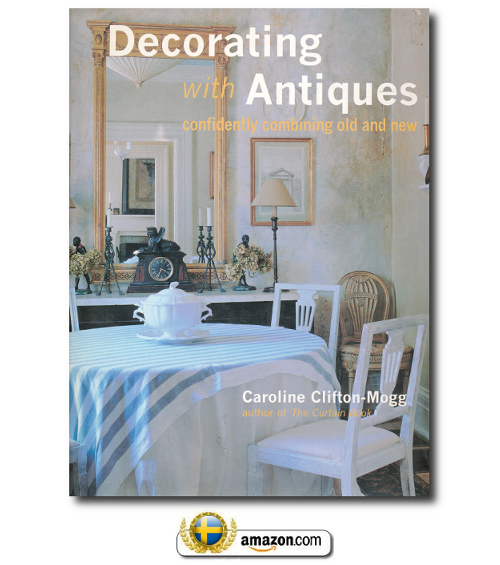
Even though Decorating With Antiques, is several years old, (published in 1999), it is far greater than some of the newer 2013 books I have spent money on. It contains over 400 color photographs, and I honestly have to say every photograph is of high quality. Many books, you end up spending money on just a handful of photographs that you enjoy, but this book I have found myself looking intensely at each photograph, gathering ideas for my own home. Check out my book review, along with some of the details that I found most interesting on my new flagship blog- Her Site.
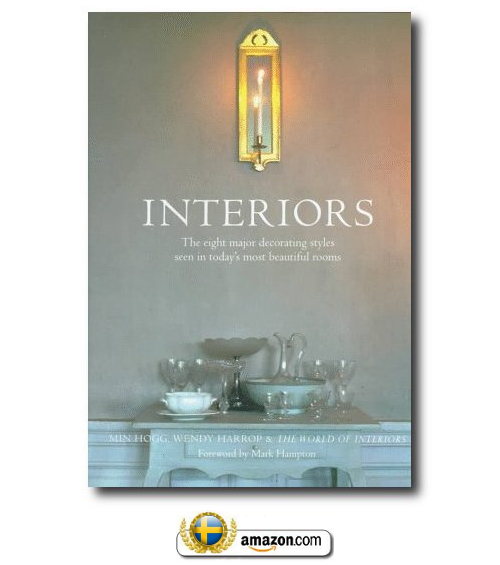
Interiors By Min Hogg- Buy it On Amazon
This book contains stunning photographs hand selected by The World of Interiors Archives. The eight major decorating styles seen in today’s most fabulous rooms, presented by the most acclaimed magazine of interior design. More than 300 full-color photographs. This book contains breathtaking images, and remains to be one of my favorite books ever. This book features a ton of beautiful antiques. Get ideas for decorating, staging, what to buy for accessories and color themes.
The book is divided into 8 sections. 1, Cluttered Interiors, 2, Hot Climate, 3, Designer Decorated, 4, Minimal, 5. Ancestral, 6, Simple, 7 Shabby Chic 8, Eccentric. The book is 255 pages long.
Reviews:
By A Customer -“One of my all time favorite books on interior design. I have bought this book a number of times to give as gifts. Great photos & great selection of homes shown.I’ve never tired of flipping through this book.”
By Lynne in San Francisco-“I read and re-read this book so much I had to buy a 2nd copy. Lots of gorgeous pictures of unusual interiors!”
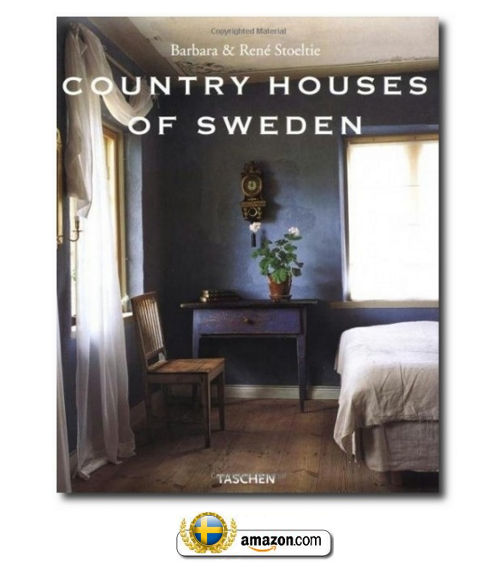 Part of Taschen’s Country Houses series, Country Houses of Sweden by author Angelika Taschen illustrates the magnificence of castles and manor houses of Sweden. Barbara and Rene Stoeltie journeyed through Sweden in search of exceptional houses to write about and photograph.
With captions in English, Swedish, and French, this collection of handsome photographs will appeal to world travelers searching for the perfect resting place. Here a reader can get lost in placid lakes reflecting unthreatening clouds; a white sunlit room of peeling paint and alluring bookshelves; a dusky bedroom in which the walls are papered with botanical illustrations.
Some of these Swedish country houses have been turned into museums, and some are private homes. Painter Anders Zorn’s studio has been preserved exactly as he left it when he died in 1920–his “Zorngarden” is a marvel of gilt-framed mirrors and stunning, somber portraits.
Reviews:
No particular aesthetic prevails in this coffee-table book. Some homes have been modernized, replete with Martha Stewart-style amenities. And the images aren’t only distant shots of interiors; a photograph from the Varpet estate near Stockholm shows jars of freshly made jam on a chipped white counter top. What’s constant throughout Country Houses of Sweden is a sense of delicious luxury and relaxation. Like a Merchant-Ivory film, it’s the kind of book that makes you want to get dressed up. –Emily White
By A Customer “This is a beautifully presented publication. Its padded hard cover and thick paper quality are matched by excellent color photographs. The choices of homes is good: from palaces to simple country cottages. The text for each home is limited because of space for translation into French and German, but its gives a personal background to each building and interior. It has none of the frilly interiors or silly text that often accompanies the English versions of Scandinavian interior books. It is an excellent companion to The Swedish Room, which gives a more comprehensive historical perspective”
By K. Casey –“Not long after I checked this book out from the library, I was wild to own it! The first reviewer is right — these are not “cutesy” or “quaint” old houses. In poring over the many, many rooms and homes included in this volume, I felt I gained some understanding of Scandinavian design in general. Many of the styles represented can be described as spare, simple and unpretentious. The clean lines of this aesthetic seemed to me to border on the exquisite. Not just “form follows function,” though. Ranging from an artist’s colorful, almost eccentric home to the all-white interior of a flat in a centuries-old stone building: almost all of the examples chosen show a strong sense of place and time, and a sensitive and respectful response to the design and nature of the house”
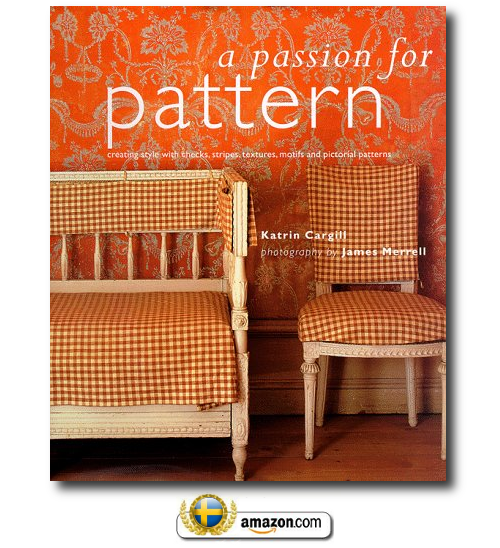
A Passion For Pattern By Katrin Cargill- Buy It On Amazon
This book was a surprise for me. I have loved it, and even though it is a bit dated, I am so glad I own it for my library. The contents is divided into 5 sections. 1, Texture, 2, Stripes, 3, Checks, 4, Motifs, and 5 Pictorial.
On page 40 she shows you how to create a painted striped room. On page 86 she shows some beautiful pictures of slipcovers in a Gustavian setting. On page 90, she shows you how to put together a patchwork bedspread using check fabrics. On page 100, she shows you how to paint a check wall. On page 130, she shows you how to paint a Greek Key pattern on a rug. For a classic Gustavian Interior she shows how to paint a garland wall panel on page 142. On page 166 she shows you how to apply fabric to the walls.
Even though this may be an older book, all of the pictures that are in the book are either Gustavian, French, or Classical in nature. There isn’t any modern pictures in this book. She shows a wide variety of antiques, and how to beautify your home with the styles I mentioned above. I love this book, and for the price I bought it, it was a steal. One of my favorites for sure.
About The Book:
Lavishly illustrated and organized by type of pattern, A Passion for Pattern provides hundreds of useful tips on working with pattern throughout the home. Complete instructions for 12 sophisticated projects are accompanied by step-by-step illustrations, and a resource directory lists important sources. 300 full-color photos, 60 illustrations.
 Great Houses of Sweden
Impossible to locate, and listed on Amazon for $400 Used, $500 New
The 22 homes which include palaces, castles, and manors as well as a couple of rural residences exemplify the refined simplicity of the “Gustavian style” implemented by Sweden’s King Gustav in the latter 1700s. The King worked with the country’s leading architects and artists to assimilate the “ancient sculptures of the Vatican and archaeological objects at the sites of Pompeii and Herculaneum” which inspired him on a trip to Italy. Besides the order of such classical forms and motifs, the King’s style favored light colored wood and light colors, particularly white, making for a play of light in the rooms, spaces, and facades. This latter distinctive feature of the style is attributed to the special Swedish appreciation of light from being in a northern area with long winters. Photographer Listri and art and travel writer Rey, who have collaborated before, capture in photos and words the beauty of this Swedish architectural style in rooms, hallways, fronts and other angles of homes, wall and other furnishings, and the design of surrounding grounds.
Book Reviews By Others:
“This is a book about Swedish castles and mansions and mentions several from the 18th century. The photos in the book are really beautiful, but other than that I was pretty disappointed with this book. Every castle or mansion gets a chapter, but there is very little real information. There are mostly anecdotes and speculations and pretty much nothing about historical architecture or interior decorating. Another big problem with the book is that there are no captions, nothing is told about the beautiful rooms and buildings in the pictures. I’m glad I have the book because of the photos, but I would not recommend it if you actually want to learn something”
“Great Houses In Sweden is a wonderfully beautiful book. Although it does indeed feature truly great houses, the title may have suffered in translation. Presented here are palaces, castles, museums, public buildings, and, yes, even some houses. The photographs, all in color and very handsome, often fill a whole page and sometimes a two-page spread. The text, though brief, is interesting none-the-less”
“After a Forward by the King of Sweden and an Introduction, each chapter features a building, a group of buildings, or a part of a building. Starting with the 14th century (and later) Gripsholm Palace which was given improvements by Gustav III inspired by his admiration for French classicism, it ends with the classically-inspired modern interiors of the Stockholm City Hall completed in 1923. This book will be greatly appreciated by connoisseurs of Swedish neoclassicism.”
“This is another journey through the centuries of Swedish interiors. From the renaissance to the early 20th century. Very similar to “The Swedish Room” published some twenty years ago. But the houses are grander and fewer. If this is in your taste this is a very good buy. The photography is almost flawless but the text is just a short introduction to each site. What is depicted on the
spreads that follow is not commented, a pity i my opinion. That, together with a minor reservation about the selection of houses, renders this book 4 stars instead of five”
here is a very interesting book on ebay called Scandinavian 1700-years furniture w/drawings for DIY Norwegian Swedish furniture. The book features furniture from the 1700’s and is illustrated with pictures and drawings in the scale 1:5. Chairs, tables, drawers, shelves, dollhouse, mirrors and much much more. The drawings are made after the original furniture, so if you are interested in wood working, then this book might be right up your alley.
This book is a hard bound with 192 pages from 2003, written in Norwegian. This book would be shipped from Norway. Sold from ebay seller Estescon. This is a one of a kind book, and may be sold quickly, although, if you are interesting in building Swedish Furniture, consider Making Swedish Country Furniture & Household Things By Hans Keijser, Lars Sjoberg and R Willick which has 35 classic Swedish projects that can be built.
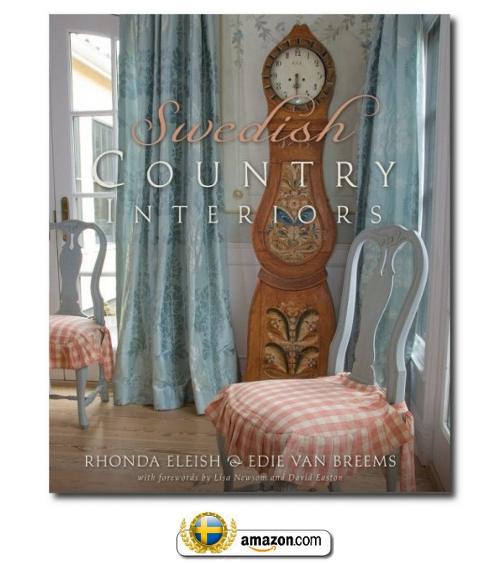
With two books under their belt, Swedish Interiors, and Swedish Country Interiors until this year when their newest book was published. Reflections on Swedish Interiors a book with not only Gustavian furniture, but modern furniture from Sweden.
Swedish Country Interiors By Rhonda Eleish, Edie Van Breems, published in 2009, includes the very best of Swedish country furniture and decorating. The style has gained tremendous popularity as more people are drawn towards the natural elements such as wood, marble, natural linens, but also want the luxuries as well. Swedish decorating combines both for a relaxed yet sophisticated look.
Rhonda Eleish and Edie Van Breems combine years of experience as interior designers and Swedish antique dealers into a guide of how-to decorate and design in Swedish country style and decorating.
Eleish Van Breems Antiques was opened in 1998, located Woodbury, Connectict by both women. The store was set up in an 18th century house rather than a commercial building to give customers the genuine feeling of walking through a historic Swedish residence instead of a store front. The house was totally made over, – floors were stripped, and pickled, the walls were painted, giving the overall feeling of genuine Swedish. The location served them well for over eleven years until the business grew and a larger showroom was needed for photographing antiques and office space which lead them to a larger showroom in Washington Depot, Connecticut.
Get a wide pre-view of the book at Google Books
Swedish Country Interiors on google books includes a generous 27 page preview including glossy pictures and text of the book.
Swedish Country Interiors showcases 15 homes from across the United States that vary in style but all have Swedish elements that unite them.
The book breaks down into 15 homes which are as follows
– Swedish Mediterranean- Page 21 Features the home of Cherie and Michael McKinney.
– The Swedish Mill House – Page 33
– New Hampshire Island Living Page 47
– Farmhouse Romance Page 57
– A Swedish Inspired Cabin Page 69
– Lanuna Light Page 75
– Neoclassical Living in Atlanta Page 85
– Seaside: The Swedish Dream Page 95
– Woodstockholm : The Artist Cottage Page 105
– Daisyfields: Swedish Splendor Page 119
– The Swedish Pool Pavilion Page 135
– White Wisteria Page 143
– Northern Treasure Chest Page 159
– A Swedish Country Retreat Page 171
– Dawn Hill Antiques Page 181
Gustavian alder wood veneered table holds a pewter platter filled with pears
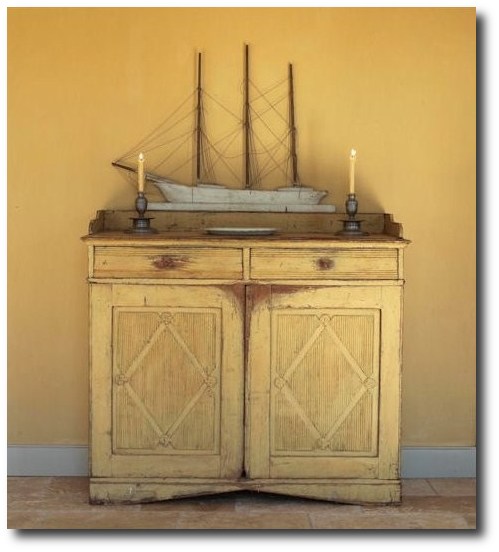
A ship Model sits on top of a Swedish early nineteenth century yellow orche Buffet with fluted diamond panels- From Richard Hershner’s Home
Dawn Hill Antiques Located in New Preston Connecticut- From Swedish Country Interiors
Dawn Hill Antiques Located in New Preston Connecticut- From Swedish Country Interiors
Dawn Hill Antiques Located in New Preston Connecticut- From Swedish Country Interiors
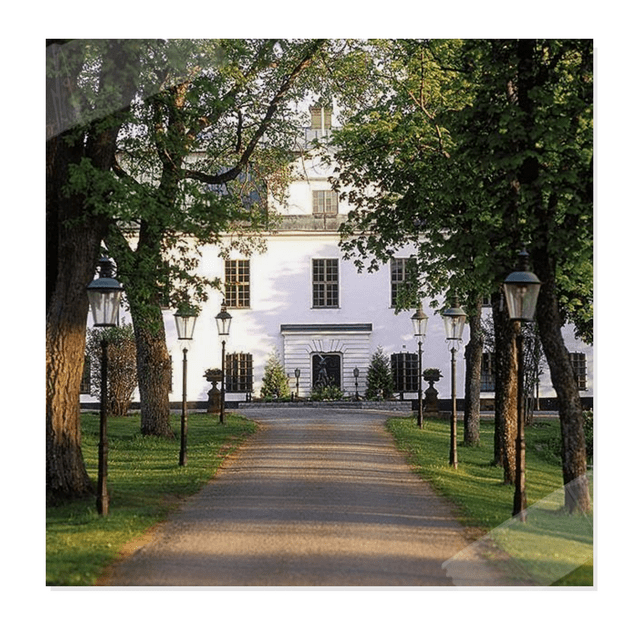
The Lavish Interior Of The Swedish Häringe Castle
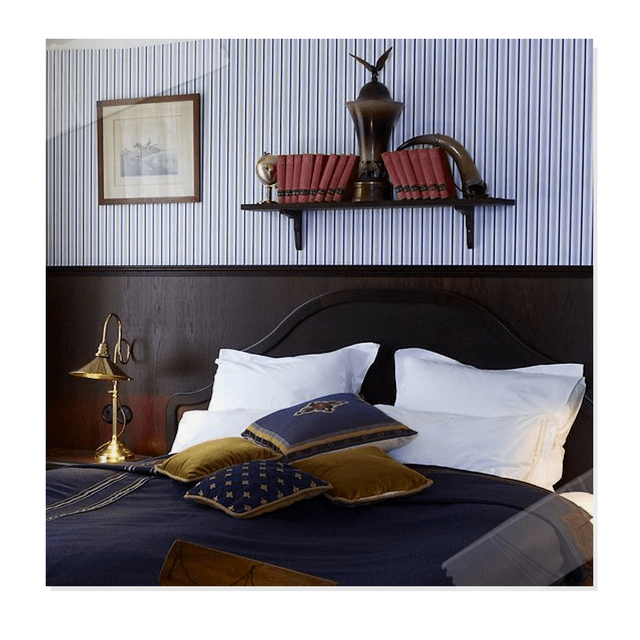
$11M Stockholm Palace is Made for ….Curbed
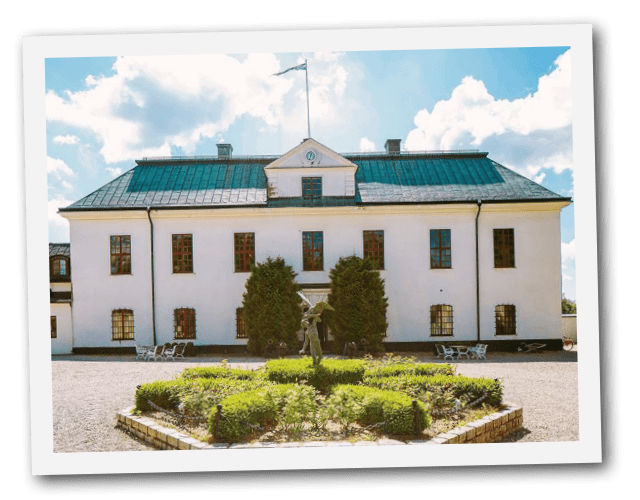
$11M Stockholm Palace is Made for ….Curbed
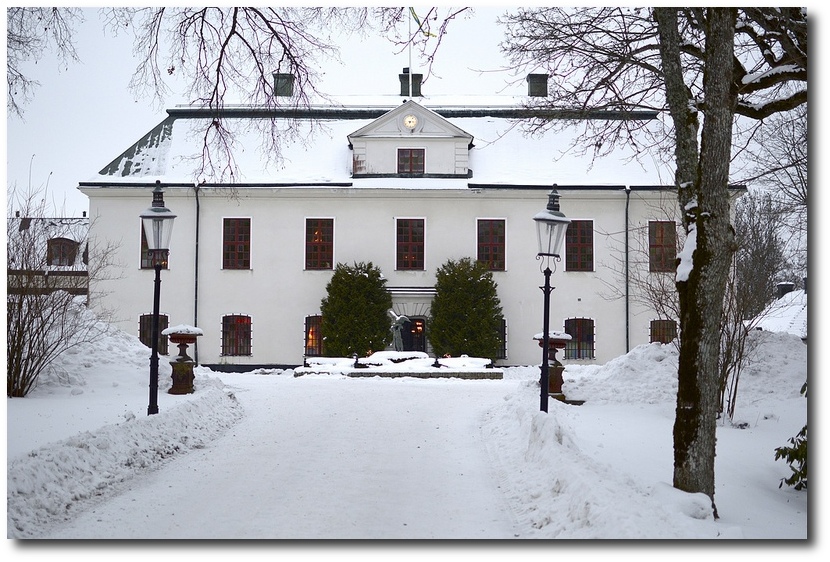
Häringe Castle- mogi.metromode.se
If you want to explore near Stockholm Sweden, consider visiting the Palace-turned-hotel Häringe Castle. This stunning 17th-century baroque castle- hotel just 45 miles outside Stockholm is located near a nature reserve. Historic lore suggests that Vikings first claimed the Häringe Peninsula as property in the 11th century. The estate has belonged to many famous people as King Gustav Vasa, Gustavus Horn, and Axel Wenner-Gren. Häringe was a ship yard during the time of King Gustav Vasa and probably even earlier. Häringe manor consists of the castle garden and park facilities, farm buildings, staff quarters, the farms and active farmland. Häringe is a very important link to the City’s history, and is a national tourist destination.
The main building was originally built in 1657 by Field Marshal Gustav Horn. The south wing was built slightly earlier when the castle was built. The castle got its present appearance at a major refurbishment in 1770. Häringe sat as an estate from about 1770 until 1929, when it was bought by the newspaper man Torsten Kreuger. Kreugar added the landscaping and the swimming pool.
After Kreuger, Häringe was bought in 1934 by business and industrialist Axel Wenner-Gren and founder of Electrolux. He filled the mansion with expensive furniture, and it was said he also built the road leading up to the estate. The Wenner-Gren had Häringe many famous guests like Greta Garbo, Danny Kaye, Karl Gerhard. At one point, all the furnishings were sold by one owner, only to be researched and re-purchased by another one years later. After Wenner-Gren’s death in 1961, the lavish furnishings disappeared. The new owner, crab importer Olle Hartwig, pored over Wenner-Gren’s photo albums, and was able to re-purchase most of the items.
Häringe castle is located in open countryside between Landfjärden and Bobäcken. Häringe estate was in the early 1900s, one of the largest in the county. The manor house, which has its origins in the mid-1600s, is today a whitewashed two-story building with mansard roof. It has separate wings on both the north and south side. On the south side there is a large swimming pool and remnants of very old trees. Beyond the grandeur interior, the property lead the way to feature Sweden’s first outdoor pool with a slide from the second floor bathroom, as well as a bowling alley and underground tunnels.
North and east of the castle are a dozen red-painted farm buildings of different ages, which at one time meet the housing needs of the property. These are dominated by a large barn from 1946. On the castle’s west side are the remains of a garden with statues from the Wenner-Gren at the Castle (1934-1961).
There is also a nature reserve south of the property called the Häringe-Hammersta. The land in the nature reserve owned by the Archipelago Foundation. The land immediately surrounding the castle is privately owned. Today the palace is used for conferences, as hotel accommodation. This castle turned hotel is owned by the Ljungberg family since 1999 and is part of an exclusive hotel chain.
Information gathered from Haninge.se
- Website: Häringe Palace
- E-mail: info@haringeslott.se
Additional Links:
– A Bridal Party At Häringe Castle – 2bridesphotography.com
– Most interesting pictures tagged “häringeslott” on Flick River
– An Enchanted Castle in Sweden –remodelista.com
– An Enchanted Garden in Sweden- www.gardenista.com
– Sweden’s most haunted castle: Häringe – Network Europe
– A night at Haringe Palace –Live Like You
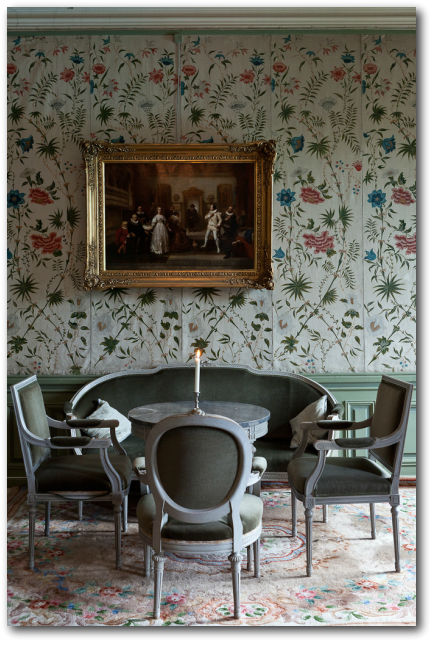
A Swedish Collected Home In Upstate New York – Swedish Gustavian Decorating
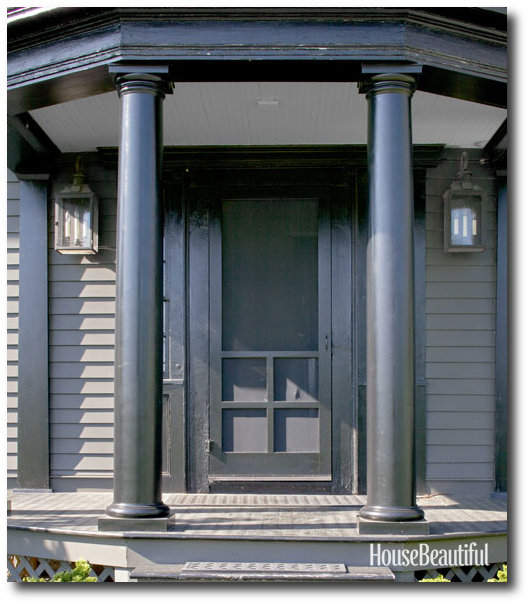
In the March 2013 issue of House Beautiful Magazine, featured a home with a unique flair for the Scandinavian style. The owner spent years collecting Swedish pieces, and together with her designer, Charles O. Schwarz III, they created a home that captures all the charm of a period Swedish interior.
To give warmth to the home, Schwarz installed planking on the walls and bead board on the ceiling and painted it all Farrow & Ball Picture Gallery Red. beautifully they mix the red with rustic wood.In the breakfast room, dark blue walls add so much drama. The Gustavian chandelier and mirrored sconces which draw attention to themselves in this dark room, as the lights are turned down and the candles are lit at night.
The home is surrounded by neutral furnishings and paint colors. This color combination can be seen in the rugs, the choice of cabinetry, tile work in the bathroom and the soft Scandinavian furnishings. A beautiful selection of wallpaper is seen throughout the house in the living room, and several bedrooms, adding a softness to this home. Farrow & Ball’s Ringwold wallpaper complements the living room’s creamy checkerboard flooring, which was painted by the previous owner. Pay special attention to the choice of paint colors on the trim work, which nicely blends with the overall theme of each room, while at the same time highlights the beautiful architecture of this Greek revival home. See so many more beautiful pictures of his home at the House Beautiful website
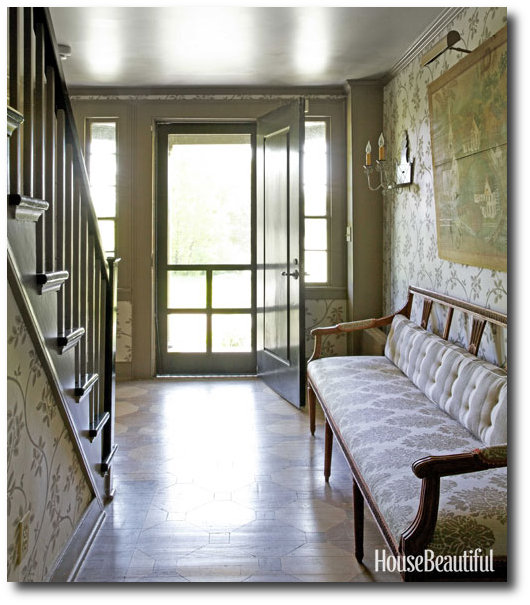


A Museum Recreates The Look Of Century Old Swedish Interiors With Historic Costumes
Picture Credit- Skansen.se
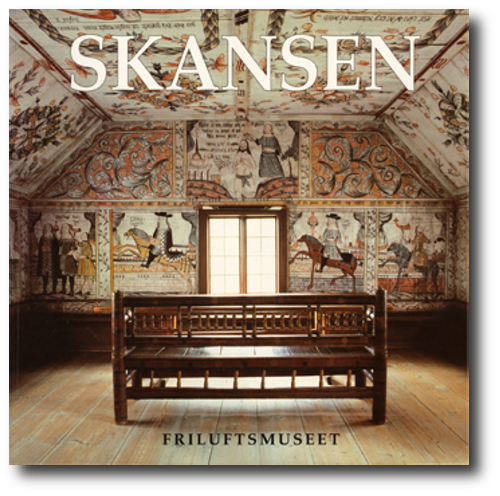
Skansen: Traditional Swedish Style – New And Used Options from $42
Founded in 1891 by Artur Hazelius, Skansen was the first open-air museum in the world; its aim to show how people lived and worked in the past in the different regions of Sweden. Hazelius was a teacher and researcher in Nordic languages who felt that traditional ways of life were disappearing with the onset of industrialization.
He started to collect an extensive collection of objects, which he put together in the form of tableau-type interiors, in a building in Drottningattan in the middle of Stockholm. Gradually, however, he wanted to show whole houses, furnished with traditional objects, furnishings and works of art, inhabited by people in historic costume, and through Skansen this idea became a reality.
Published in association with the Skansen Foundation, this beautiful book is illustrated throughout in colour. It describes not only the museum and its buildings, but also presents a microcosm of Swedish life, culture, art and architecture. The natural landscape of the museum setting is used to enhance the regional variations in Swedish art and architecture, with buildings from the southern part of Sweden being located in the southern-most part of the museum and so on.
Each chapter is devoted to a particular region represented by the museum: northern, middle and southern Sweden, as well as a typical Swedish town quarter. The buildings described here vary in date from the Vastveit storehouse, which was built in the fourteenth century, to the Skane farmstead which was finished in the 1920s. Stylistically, the range of buildings displayed at the museum is enormous: we move through time and style from the summer pasture farm, or Faboden, with its essentially medieval form of wooden construction, through the classical elegance of buildings like the late-eighteenth century Skogaholm Manor, or the impressive malm house built for the merchant Charles Tottie, to functional timber frame of the early twentieth-century Assembly Hall from Varmland. The informative, but accessible, text has been written by Ralph Edenheim, who is a Swedish art historian, and Head of the Department of Cultural History at Skansen. 128 pages.
Below are pictures of Swedish Interiors are those taken from photographer Photographer Joanna Holmgren found in two publications Skansen: Traditional Swedish Style , Swedish Folk Art: All Tradition Is Change
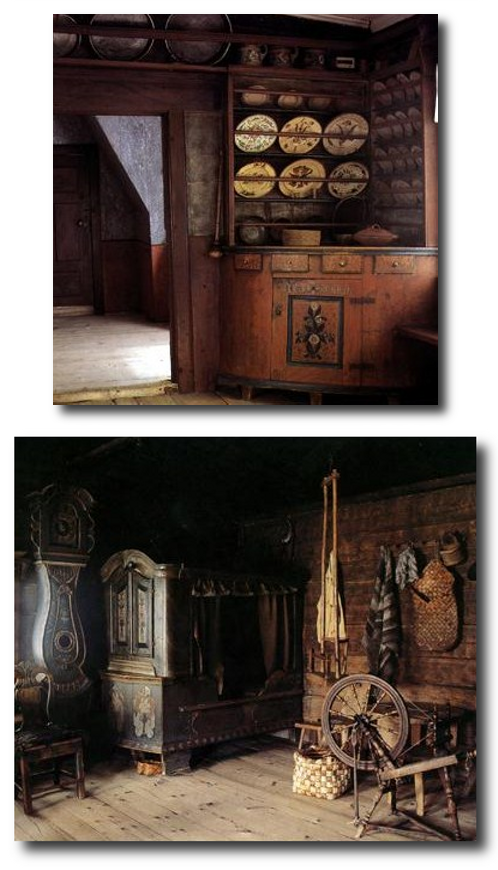
Swedish Interiors – Photographed By Photographer Joanna Holmgren
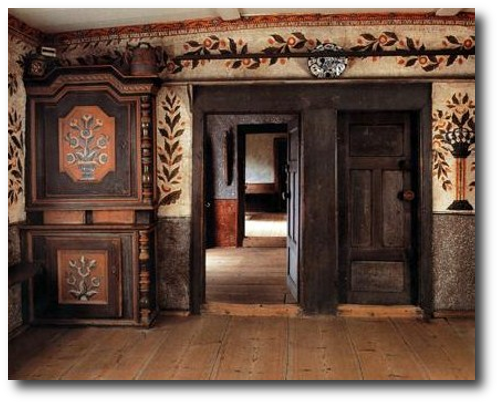
Swedish Interiors – Photographed By Photographer Joanna Holmgren
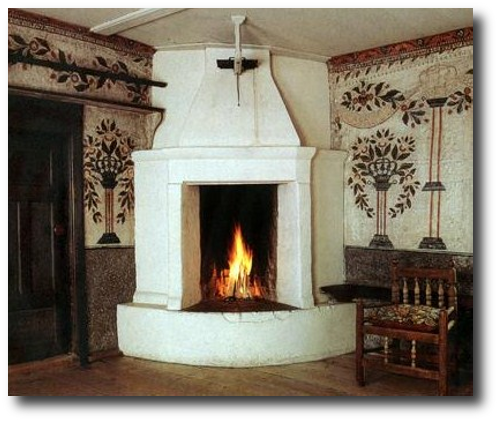
Swedish Interiors – Photographed By Photographer Joanna Holmgren