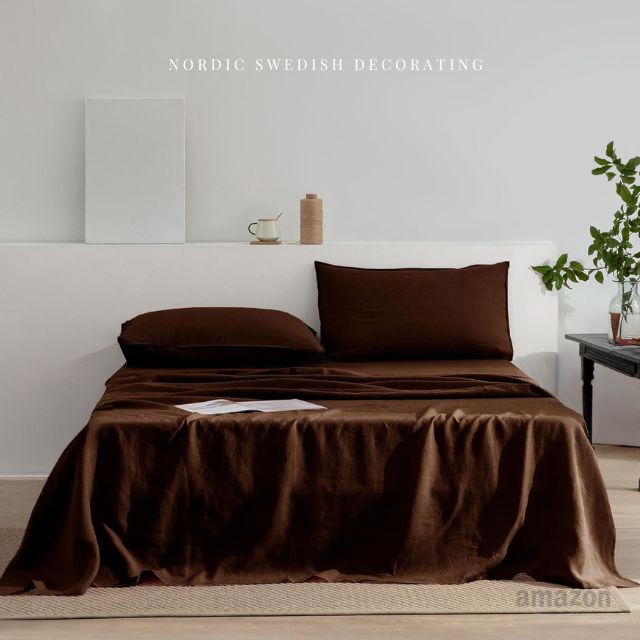
Linen Has An Incredible History- Find Out Why……
Linen Sheets Set King Size,100% French Stonewash – Amazon
Guest Post – Jason Phillips
Linen is a type of fabric or textile manufactured from fibers. The making process is laborious, and the result is truly remarkable. Many things are made of linen including towels, aprons, bags, tablecloths, bed linens, runners, curtains, drapes, upholstery covers and more. Textiles that feature a linen weave texture, even those made in combination with hemp or cotton, are also referred to as linens; some have specific names, such as madapolam, which is a fine cotton yard wove in linen style.
Linen textiles have an incredible history. Fragments of seeds, yards, straw and additional types of materials date back to 8000 BC, and were usually found in Swedish homes. In Ancient Egypt, linens were used as currency, and the mummies had to be wrapped in this luxury material as a symbol of purity and light. Nowadays, fine linens are high-priced yet incredibly qualitative.
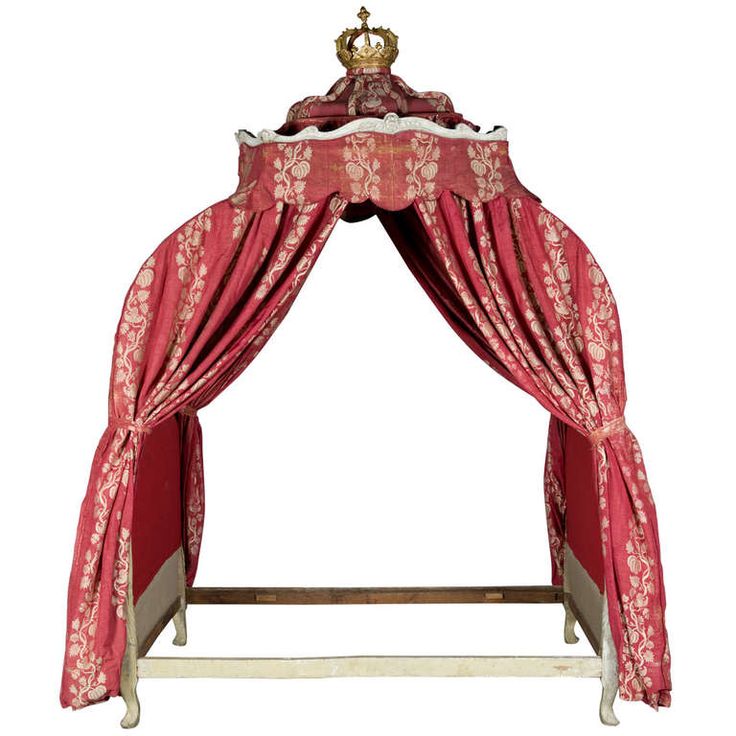
18th Century Lit a la Polonaise – Chartreuse de Bonpas, Avingnon, France Found on 1stdibs.com
Curtains And Drapes
In the early 18th century most homes still used shutters to block light and make the place appear private and secluded from the eyes of people on the street. However, they had a fuller texture and came in different styles than in the 17th century. As for the materials, main fabrics were cotton chintz, taffeta, and velvet. A valance or pelmet cornice was usually employed to hide the workings. Then the paired curtains made an entrance. They were topped with stiffened pelmets and featured embroidery work and appliqués; also, they had a really elegant shape. The linen fabric used for the curtains included Rococo motifs, including knots of ribbons, garlands of flowers, and leave fronds.
By the middle of the century, pelmets became a lot softer, with small tails and shallow swagging and bells. Portieres had lighter curtains and deeper pelmets designed in Italian style. Store marquises, also known as light silk festoons, were widely used with beautifully draped pelmets. At the end of the 18th century, roller blinds made an entrance as well. Their use was first recorded in 1726, in London.
Fabrics
There was a great variety of fancy fabrics one could select from in the 18th century. There was one industry in particular that thrived – the silk industry. Fragile florals, lace, and scallop, as well as patterns that incorporated doves and other beautiful prints were in high demand. Inside people’s homes silk was the most appreciated. It was used for linings, beds, tables and inner covers. During that time the bed in the bedroom had sophisticated hangings, which were also made of silk; those who could afford to invest in such fancy linens, bought Genoese silk velvet.
For the windows, brocades and silk damasks were highly appreciated. For hangings, brocatelle was still in high demand. Ribbed silk, satin, chintz, taffeta and clouded silk were all exceptional materials used mainly for curtains. Those who couldn’t afford such fancy linens had great alternatives, such as moreen for draperies and beds, and velvet or silk mohair for chair coverings.
The most exclusive chintz was manufactured in Versailles, and was produced by Jouy-en-Josas. However, throughout the 18th century, in England and France there was an anti-cloth law materializing. It was aimed at protecting silk and wool industries. The production went full ahead in 1770.
Sophisticated Trimmings
In the 18th century there was a wide variety of sophisticated trimmings materializing in Germany, Ireland, the Netherlands, England and Switzerland, mainly due to the battle of Huguenot craftsmen n the 1600s France. Narrow and broad bands of rich colored lace were used thus contrasting the rich, new techniques. Furthermore, fancy details started being used such as frogging, gold galloon and artificial flowers on valance and pelmets; these were meant to replace entirely heavy trims found in the 17th century.Embroidered, tie backs or appliquéd and ended with ribbons or bows became a new feature in home décor that many people adopted for their window treatments.
Decorating with 18th century linens from the French period will add sophistication to your personal space. Give your windows the treatment they deserve and use luxury linen materials for the curtains and shades. Make your bedroom seem romantic, your living area chic and welcoming, and your kitchen practical and fun. Consider the best materials and the finest shapes, and your entire home will come back to life.
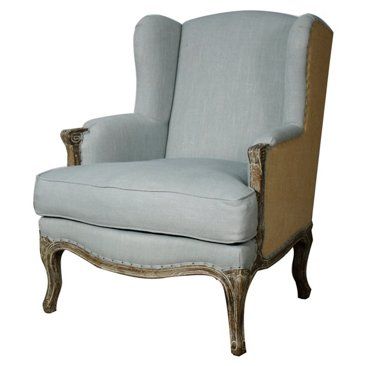
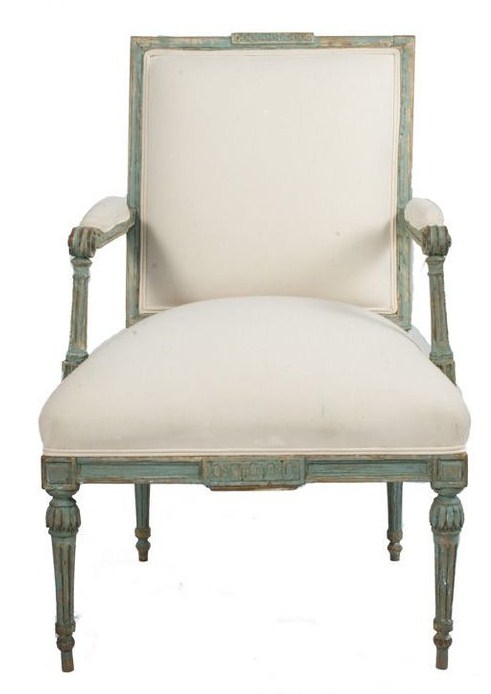
Gustavian Lounge Chair, Sweden, c.1780, Found on 1stdibs.com
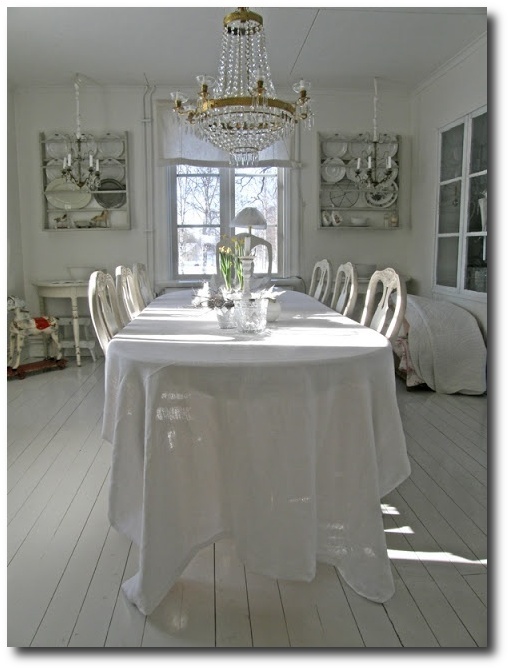
Swedish Interiors Using Linen For Table Cloths Found on lantlif.blogspot.it
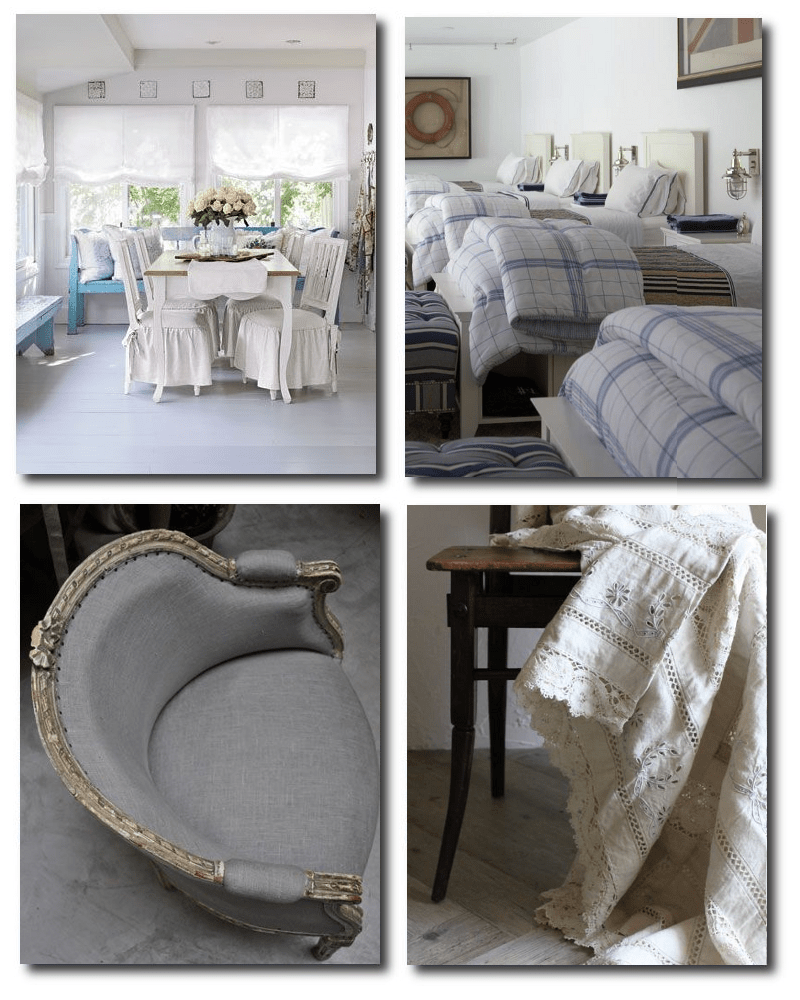
Victorian home designer Carrie Raphael’s farmhouse marries beauty with function, Swedish Style in a Maryland Farmhouse Country Living Magazine
Robert Dean and interior designer Anne Miller,Found on nehomemag.com
Linen Upholstery In Gray Found on une-ame-en-plus.com
Linens seen at Found on fleurage.exblog.jp
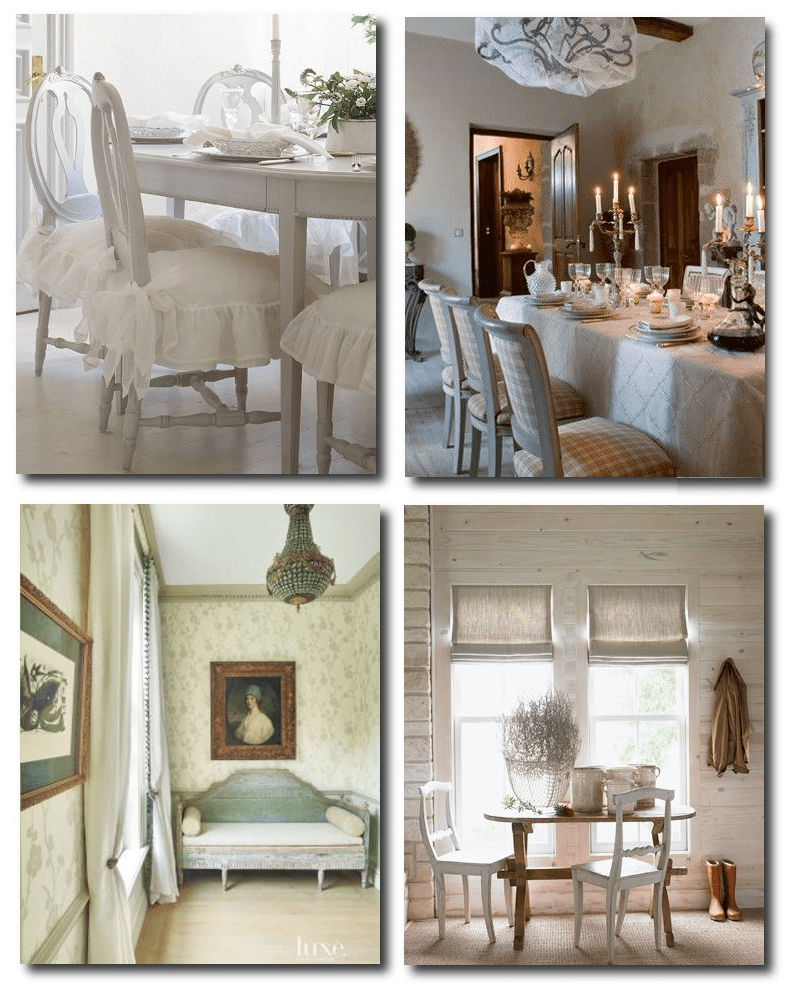
Swedish Dining Seen on bloglovin.com
Life In 17th Century Norway & Sweden
In the 17th and 18th centuries, the Nordic people had various desires and aspirations influenced by the social, economic, and cultural context of the time. Here are some of the most sought-after things during those centuries:
Wealth and Land: Accumulating wealth and owning land were significant aspirations for many people in the Nordic region. Land ownership represented social status, economic power, and provided opportunities for agricultural production and resource exploitation.
Trade and Commerce: Nordic countries, such as Sweden and Denmark, were engaged in international trade during this period. Merchants and traders sought to establish profitable connections with other European countries and expand their commercial ventures.
Access to New Goods: The growing trade networks allowed for the introduction of new and exotic goods into the Nordic region. People sought after luxury items like spices, silks, ceramics, and other commodities that were not readily available locally.
Education and Knowledge: The Enlightenment period in the 18th century brought an increased emphasis on education and the pursuit of knowledge. People sought access to education, particularly in fields like philosophy, science, and the arts.
Social Status and Prestige: Nobility and social hierarchy played an important role in the Nordic societies of the time. Many individuals desired to attain or maintain their noble status, associating themselves with the upper echelons of society.
Cultural and Intellectual Trends: The Nordic region saw an influx of ideas and cultural movements from other European countries. People sought to be part of these intellectual trends, embracing new philosophies, literary works, and artistic movements.
Scientific Advancements: The 17th and 18th centuries witnessed significant scientific discoveries and advancements. People were eager to access and learn about the latest scientific theories, particularly in fields such as astronomy, physics, and medicine.
Political Influence: As in other parts of Europe, power and political influence were highly sought after. Many individuals aspired to hold positions of authority, whether in local governance, regional politics, or the national administration.
It’s important to note that the desires and aspirations of individuals varied depending on their social class, occupation, and personal circumstances. These general themes provide a glimpse into the aspirations of people during the 17th and 18th centuries in the Nordic region.

18th Century Antique Swedish Rococo Tragsoffa | Vinterior

‘Saddle Up’ wallpaper designed by Eleanor Walton for Graduate Collection
 decorativecollective.com
 Picture –thisivyhouse
Life In the 17th century Nordic countries
Daily Routine: People in the 17th century generally woke up early, as daylight was essential for most activities. They would begin their day with personal hygiene tasks like washing their face and hands, often using water from a basin. Due to limited sources of artificial lighting, the evening hours were typically dedicated to rest and sleep.
Work and Occupations: The majority of the population in the 17th century lived in rural areas and worked in agriculture. Farmers would tend to their crops and livestock, while women would engage in domestic tasks such as cooking, cleaning, and caring for children. In urban areas, people were involved in various trades and crafts. Merchants conducted business, artisans practiced their respective crafts, and apprentices learned skills from their masters.
Religion and Church: Religion played a significant role in daily life during the 17th century, particularly in Europe. Most people adhered to Christianity, and attending church services was a central part of their routine. Church buildings often served as community centers, where people gathered not only for religious activities but also for socializing and discussing local matters.
Education: Formal education was limited during this period, and literacy rates varied across regions. Wealthy families could afford tutors or send their children to private schools, while the lower classes often received basic education through informal means. Education focused on religious teachings, reading, writing, arithmetic, and vocational skills.
Entertainment and Recreation: In their leisure time, people in the 17th century engaged in various forms of entertainment. Popular recreational activities included playing games, such as cards, dice, and board games like chess or backgammon. Sports like archery, bowling, and tennis were also enjoyed. Social gatherings and events, such as dances, music performances, and theatrical plays, provided further amusement.
Art and Culture: The 17th century witnessed significant advancements in art and culture. Renowned artists like Rembrandt, Caravaggio, and Vermeer produced masterpieces during this period. Literature flourished with the works of influential writers like William Shakespeare, Miguel de Cervantes, and John Milton. Music, including compositions by composers like Johann Sebastian Bach and Antonio Vivaldi, also thrived.
Fashion and Dress: Clothing in the 17th century varied based on social class and occupation. Wealthy individuals wore garments made of fine fabrics and adorned with elaborate embellishments, while commoners dressed more simply. Fashion trends were influenced by the styles of the monarchy and the aristocracy, and clothing choices often reflected social status.
Food and Drink: The diet of people in the 17th century consisted of locally available food sources. Common staples included grains like wheat, barley, and oats, along with vegetables, legumes, and dairy products. Meat was primarily consumed by the wealthy, while the less affluent relied more on fish and poultry. Alcoholic beverages, such as beer and wine, were commonly consumed due to the limitations of safe water sources.
It’s important to note that the specifics of daily life in the 17th century varied greatly depending on the region and social circumstances.

The painted detail of a 18th Century Swedish Gustavian Chest – 1st Dibs


Antique Swedish Furniture

Swedish 18th Century Gustavian Clock with Original Paint – averydash.com/
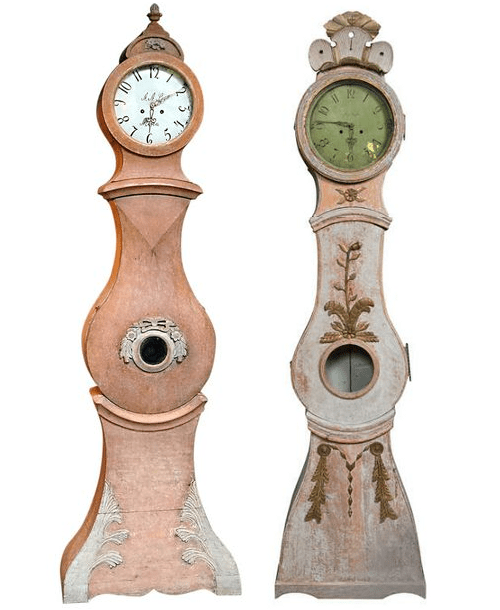
Mora Clock in Original Salmon Paint Found on 1stdibs.com
Swedish Tall Case Clock, ca.1780-1800 Found on 1stdibs.com
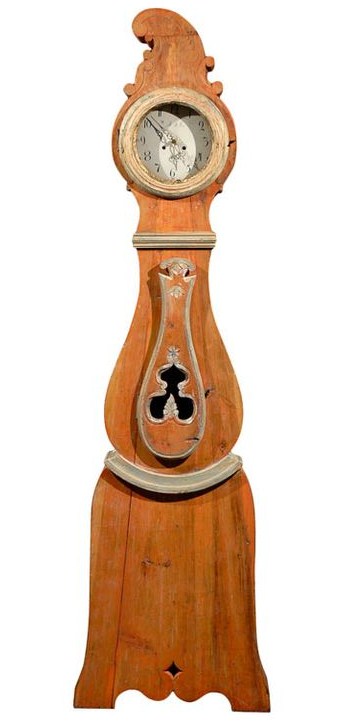
19th Century Swedish Orange Painted Wooden Clock Found on 1stdibs.com
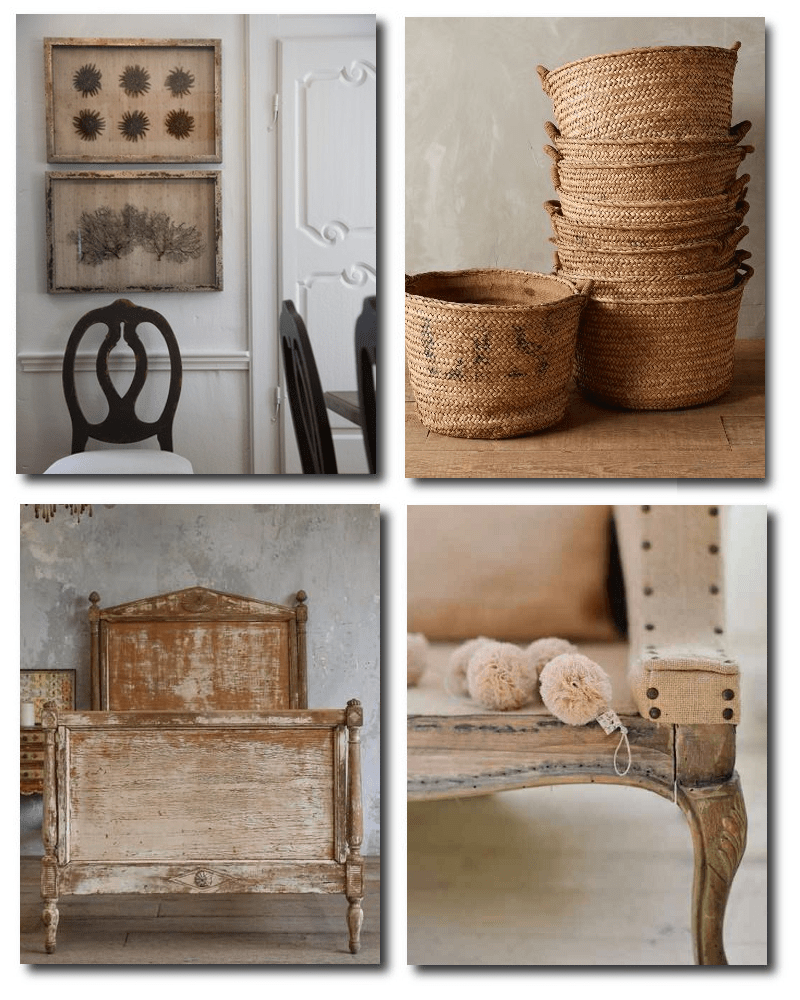
Gustavian Style Found on houzz.com
Harvest Basket, Found on anthropologie.com
Directoire Bed, Found on eloquenceinc.com
De-constructed Chair – Found on inspired-design.tumblr.com
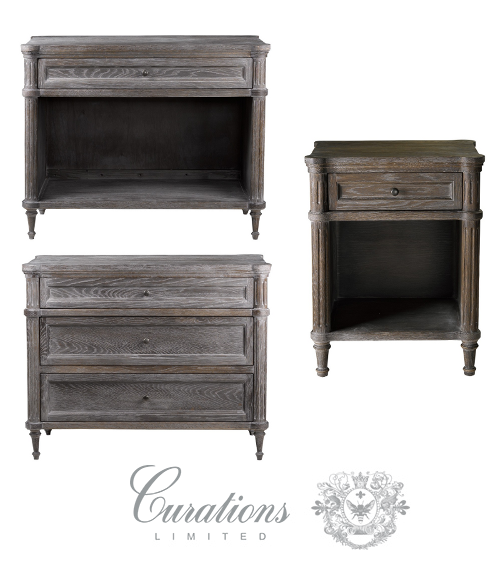 Alden Furniture Collections- Curations Limited
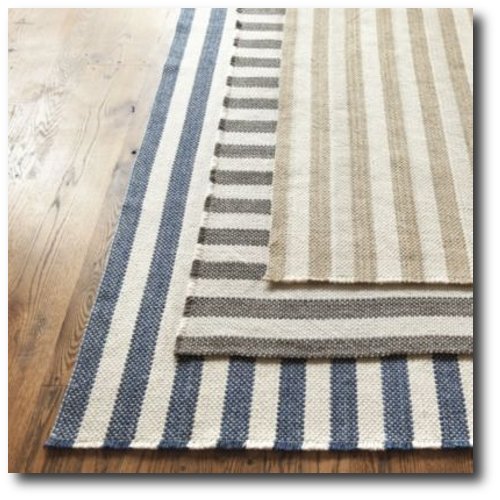
Vineyard Stripe Rug Ballard Designs
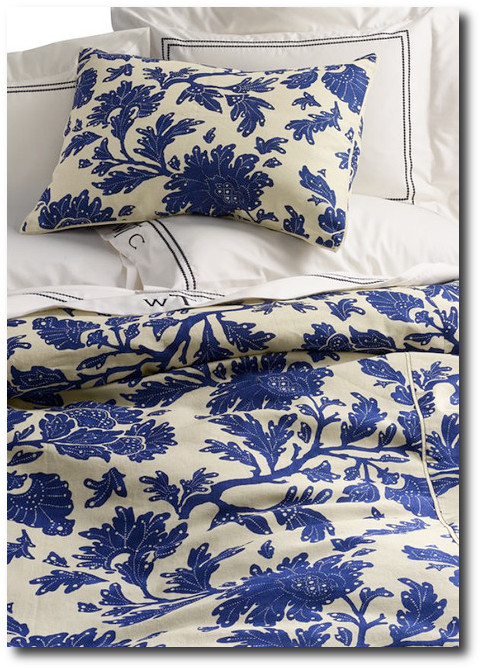
Harbor Springs Floral Duvet Cover, Lands End
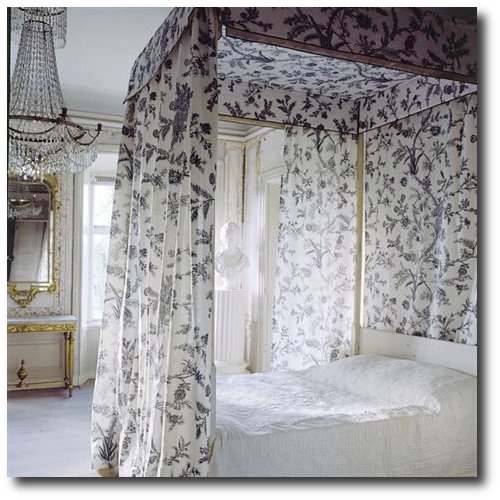
Buy Authentic Historical Textiles online at Ljungbergs Factory
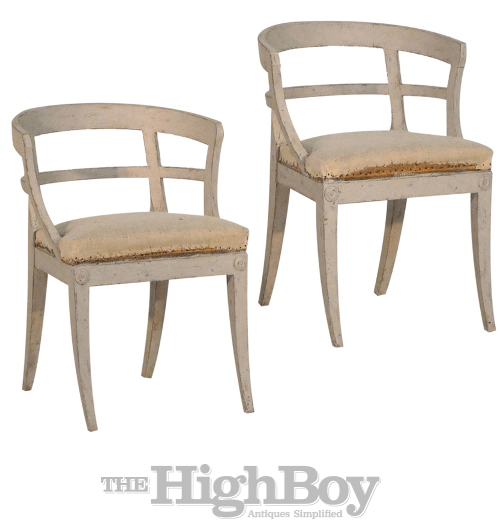 Pair of Swedish Sulla chairs with curved and open H-form backs, with original upholstery raised on splayed legs.- Highboy Antiques

An antique looking mailbox – Amazon

A mailbox with a blue distressed finish – Amazon


Mid 19th Century Painted Water Carrier – debenhamantiques